
For individuals aspiring to a life of freedom, travel, and personal fulfillment—a true “life out of the box”—understanding the intricacies of personal finance is paramount. This includes navigating the sometimes-complex world of debt and legal obligations, especially when considering a move to or living within a vibrant state like Florida. The sunshine state, renowned for its beaches, theme parks, and relaxed pace, also has specific laws governing financial matters that can significantly impact your lifestyle and future plans. One crucial concept to grasp is the Statute of Limitations (SOL) on debt, which dictates the timeframe within which a creditor can file a lawsuit to collect a debt. Ignoring these timelines or misunderstanding them can have long-lasting effects on your credit, financial well-being, and ability to pursue your desired lifestyle.

Understanding the Basics: What SOL Means for Your Financial Lifestyle in Florida
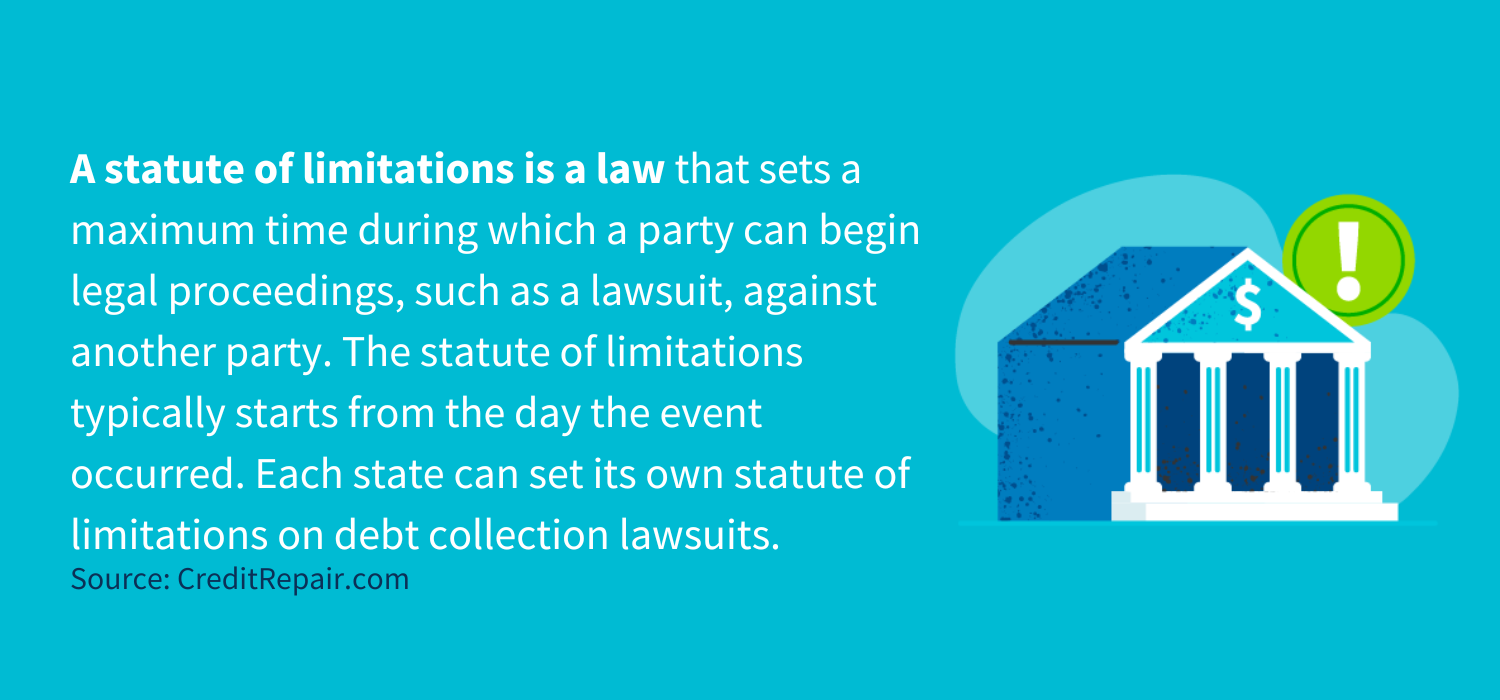
The Statute of Limitations is a legal defense that prevents creditors from suing you to collect a debt after a certain period has passed. It doesn’t extinguish the debt itself, meaning you still technically owe the money, but it makes it legally unenforceable through the court system. This distinction is vital. While a creditor can no longer sue you, they might still attempt to collect the debt through phone calls, letters, or even by selling the debt to a third-party collector. However, knowing the SOL empowers you to understand your rights and protect yourself from legal action. For those planning a life in Florida, whether it’s for retirement, a new career chapter, or simply to embrace the state’s unique culture, solid financial footing is key. An old, time-barred debt reappearing unexpectedly can disrupt carefully laid plans for a new home in Miami, a dream vacation to the Florida Keys, or even just securing a favorable loan for a new car to explore the state.
Why SOL Matters for Your Lifestyle
Considering a nomadic lifestyle, purchasing property in Orlando, or simply wanting the freedom to make financial decisions without old debts looming? The SOL provides a critical boundary. Once the statute expires, a debt becomes “time-barred.” This means a court in Florida will typically dismiss any lawsuit filed by a creditor to collect that debt. It’s a powerful protection, but one that requires vigilance. Falling victim to aggressive collection tactics for time-barred debt can be stressful and lead to unnecessary payments. Understanding these limits is a cornerstone of responsible financial management, allowing you to focus on enriching experiences rather than financial anxieties.
Different Types of Debt and Their Timelines in Florida
Florida law sets different Statutes of Limitations depending on the type of debt. These variations are crucial to recognize, as they impact how long you might be legally exposed to a lawsuit. The clock for the SOL generally starts ticking from the date of your last payment or the date the debt was originally due, whichever is more recent. It’s important to note that making even a partial payment on an old debt can “reset” the clock, giving the creditor a new window to pursue legal action.
Written Contracts
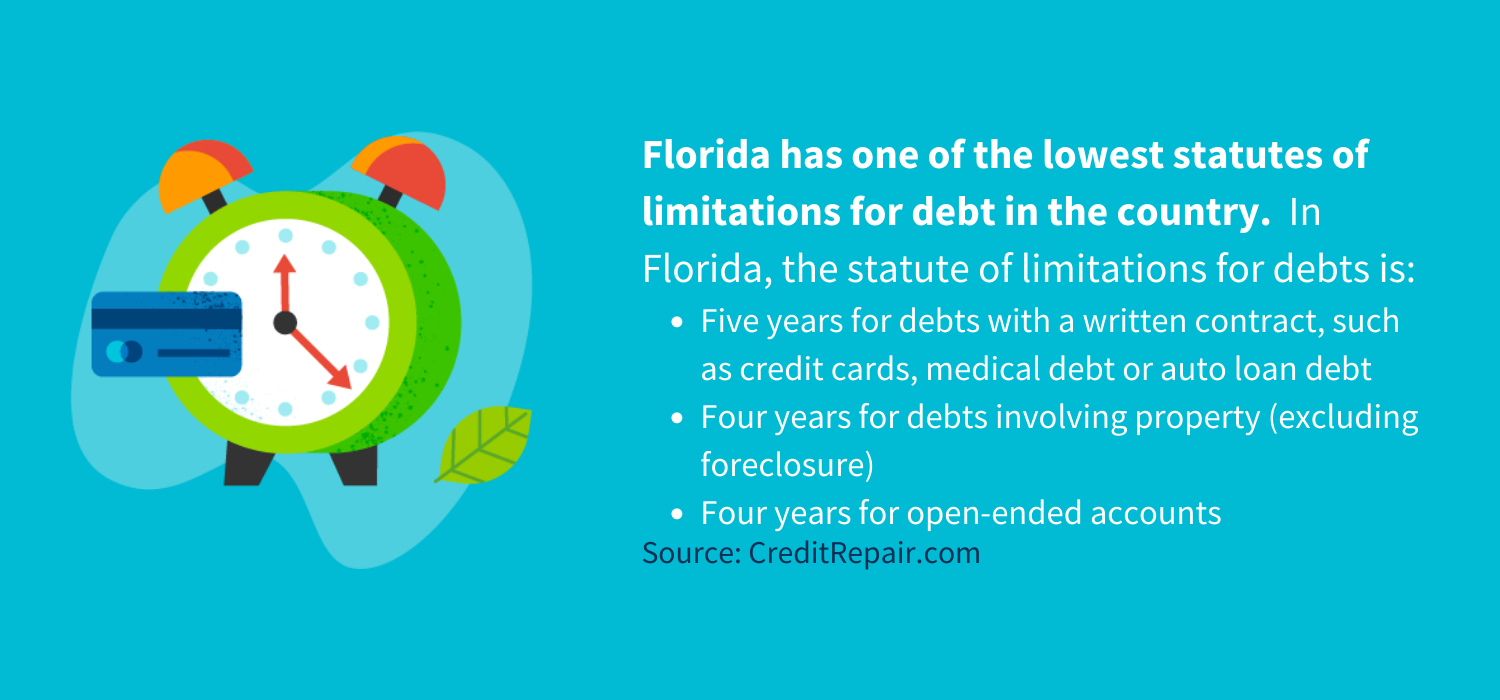
For debts based on a written contract, such as mortgages, car loans, promissory notes, and many personal loans, Florida typically imposes a five-year Statute of Limitations. This is a common category of debt for many individuals, encompassing significant financial commitments that underpin many lifestyle choices, from buying a home in Jacksonville to financing a recreational vehicle for exploring the Everglades. Maintaining clear records of these agreements and payments is essential for tracking this timeline accurately.
Oral Contracts
If a debt arises from an oral or verbal agreement—where there’s no formal written document detailing the terms—the SOL in Florida is generally four years. While less common for large sums, oral contracts can still be legally binding and lead to disputes. This might include smaller personal loans from individuals or certain service agreements. Due to the lack of written proof, these cases can sometimes be harder for creditors to prove in court, but the legal window still applies.
Promissory Notes
Similar to written contracts, debts evidenced by a promissory note also typically fall under a five-year SOL in Florida. A promissory note is essentially a written promise to pay a specific sum of money to a specific person or entity by a specific date or on demand. This type of instrument is frequently used in private loans, student loans, and sometimes even for business dealings.
Open-Ended Accounts
This category primarily refers to credit card debt and other revolving credit lines. In Florida, the Statute of Limitations for open-ended accounts is four years. This is a significant consideration for many, as credit cards are a common tool for managing daily expenses, funding travel adventures, or making larger purchases. Understanding this timeline is crucial for managing potential fallout from credit card debt, especially for those who rely on a healthy credit score for their desired lifestyle. A strong credit profile can open doors to better travel rewards cards, favorable interest rates on mortgages for a St. Petersburg home, or even lower insurance premiums for a life in the sun.
Impact on Your Future Lifestyle: Credit, Travel, and Relocation
Understanding the SOL on debt in Florida is not just about avoiding lawsuits; it’s about protecting your overall financial health and ensuring your desired lifestyle remains within reach. Debt, especially unresolved or delinquent debt, can cast a long shadow over aspirations for travel, relocation, and general financial freedom.
Credit Score Implications
Even after the SOL expires, a debt can remain on your credit report for up to seven years from the date of the first delinquency. While a creditor cannot sue you for a time-barred debt, its presence on your credit report can severely impact your credit score. A low credit score can make it difficult to secure loans for a new vehicle to explore Florida’s diverse regions, rent an apartment in a desirable city like Tampa, or obtain favorable interest rates on mortgages for a dream vacation home. This can significantly limit your lifestyle choices and add unnecessary financial strain.
Travel and Financial Freedom
For those who prioritize travel and experiences, a strong financial foundation is essential. Lingering debt issues, even if time-barred, can create anxiety and restrict financial flexibility. While time-barred debt cannot directly prevent you from leaving the country (unless it’s government debt like taxes or child support, which have different rules), the indirect effects on your credit and financial resources can hinder your ability to book flights, rent cars, or secure accommodations for international adventures or cross-country road trips. A clear financial slate provides the peace of mind to truly embrace a “life out of the box.”
Relocation and New Opportunities
If you’re considering moving to Florida from another state, or vice-versa, the SOL can become even more complex. The applicable SOL typically depends on where the contract was made or where you resided when the debt was incurred. When moving to Florida, it’s important to understand Florida’s laws, but also to be aware that some states have longer SOLs. This cross-state complexity underscores the need for clear understanding and potentially professional advice when planning significant lifestyle changes involving relocation.
Navigating Debt: Strategies for a Worry-Free Florida Lifestyle
While the SOL provides a legal defense, proactive management of debt is always the best strategy for maintaining a worry-free and flexible lifestyle in Florida.
Be Informed and Organized
Keep meticulous records of all your debts, including contract dates, last payment dates, and any correspondence with creditors. This documentation is your primary defense if a dispute arises. Know the specific SOL for each type of debt you hold. Staying organized allows you to confidently assess your financial position and make informed decisions, whether you’re planning a budget for theme park visits in Kissimmee or saving for a sailboat in Fort Lauderdale.
Do Not Reset the Clock
If you have an old debt approaching or past its SOL, be extremely cautious about any interaction with creditors or collectors. Making a payment, even a small one, or even verbally acknowledging the debt as yours in some circumstances, can restart the SOL clock. If a collection agency contacts you about an old debt, verify its legitimacy and its status relative to Florida’s SOL before making any commitments.
Understand Collector Tactics
Some debt collectors might attempt to collect time-barred debts, either knowingly or unknowingly. They may try to coerce you into making a small payment to reset the SOL or imply that they can still sue you. Be aware of your rights under the Fair Debt Collection Practices Act (FDCPA), which prohibits abusive, unfair, or deceptive practices by debt collectors. If you believe a collector is violating your rights, you can report them to the Florida Office of Financial Regulation or the Consumer Financial Protection Bureau (CFPB).
Seeking Professional Guidance for Your Florida Financial Path
While this guide provides a general overview, specific situations often require personalized advice. If you are dealing with significant debt, facing collection lawsuits, or simply need clarity on your financial obligations, consulting with a qualified professional is highly recommended.
Financial Advisors and Credit Counselors
For comprehensive financial planning that supports your lifestyle goals, a certified financial advisor can help you develop strategies for debt management, savings, and investments. Non-profit credit counseling agencies can also provide guidance on budgeting, debt consolidation, and creating repayment plans. These resources are invaluable for building a robust financial foundation that allows you to pursue your ideal Florida lifestyle without financial stress.
Legal Consultation
For specific questions regarding the Statute of Limitations on your debts, or if you are being sued by a creditor, it is crucial to consult with a Florida attorney specializing in consumer law or debt defense. They can assess your individual situation, confirm the applicable SOL, and advise you on the best course of action to protect your legal and financial rights. Proactive legal advice can save you significant stress and financial repercussions, ensuring that your journey towards a life of adventure and freedom is unobstructed by unforeseen legal challenges.
LifeOutOfTheBox is a participant in the Amazon Services LLC Associates Program, an affiliate advertising program designed to provide a means for sites to earn advertising fees by advertising and linking to Amazon.com. Amazon, the Amazon logo, AmazonSupply, and the AmazonSupply logo are trademarks of Amazon.com, Inc. or its affiliates. As an Amazon Associate we earn affiliate commissions from qualifying purchases.