
Understanding the climate of a destination is paramount for any traveler, dictating everything from what to pack to the types of activities that will be most enjoyable. Cape Coral Florida, a vibrant city nestled in Southwest Florida, is renowned for its extensive canal system, lush landscapes, and, most importantly, its consistently warm weather. This guide delves into the nuances of Cape Coral’s climate, offering insights to help you plan your perfect visit.
Understanding Cape Coral’s Subtropical Climate
Cape Coral falls squarely within a humid subtropical climate zone, characterized by long, hot, and humid summers, and mild to warm, relatively dry winters. The presence of the Gulf of Mexico to the west significantly moderates temperatures, preventing extreme cold snaps in winter and sometimes tempering the intense summer heat with refreshing sea breezes. Visitors can generally expect abundant sunshine throughout the year, making it a popular destination for those seeking an escape from colder climates.
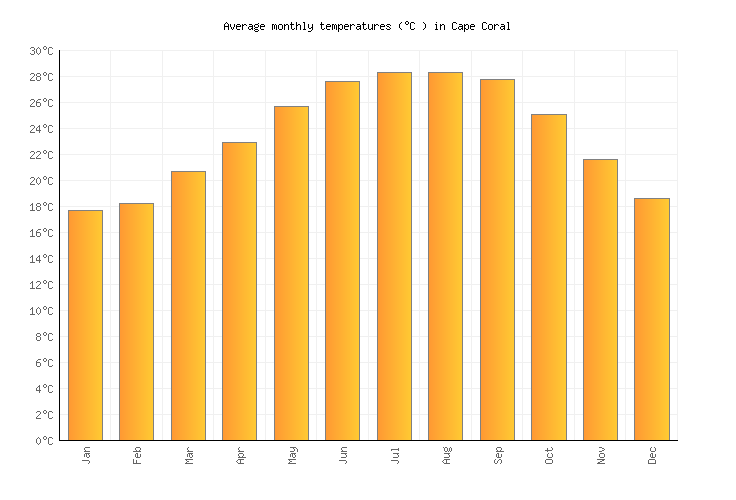
The year in Cape Coral is distinctly divided into two primary seasons: the dry season (roughly October to May) and the wet season (roughly June to September). This distinction is crucial for travelers, as it influences not only daily temperatures but also humidity levels, rainfall patterns, and the overall feel of the environment. While the thermometer consistently reads warm, the type of warmth—dry and pleasant versus hot and humid—varies significantly with the seasons.
Seasonal Temperature Breakdown: Planning Your Visit
Each season in Cape Coral offers a unique experience, largely shaped by temperature and weather patterns. Knowing what to expect allows for optimal trip planning, ensuring comfort and maximum enjoyment.
Winter (December – February): The Dry, Mild Escape
Winter in Cape Coral is undeniably its peak tourist season, and for good reason. Temperatures are gloriously mild and comfortable, making it an ideal escape from the colder northern latitudes.
- Average Temperatures: Daytime highs typically range from 70°F (21°C) to 78°F (26°C), while nighttime lows rarely dip below 50°F (10°C), usually staying in the low to mid-60s°F (15-18°C).
- Humidity: This is the dry season, meaning humidity levels are significantly lower than in summer, making the warmth feel even more pleasant.
- Rainfall: Winter is the driest time of year, with very few rainy days. When rain does occur, it’s usually light and brief.
- Ideal Activities: This weather is perfect for all outdoor pursuits. Boating, kayaking along the canals, golfing at one of the many courses, exploring local nature preserves, cycling, and dining al fresco are all highly recommended. Events like the Cape Coral Arts & Music Festival often take place during these months, capitalizing on the fantastic weather.
- What to Pack: Light layers are key. Bring shorts, t-shirts, and swimwear for sunny days, but also pack a light jacket, sweater, or long-sleeved shirt for cooler evenings and mornings. Comfortable walking shoes are a must.
Spring (March – May): Pleasant Warmth and Blooming Beauty
Spring acts as a transitional period, gradually warming up and introducing more humidity as the region heads towards summer. It’s still a fantastic time to visit, often with fewer crowds than the peak winter months.
- Average Temperatures: March sees highs similar to winter, around 75-80°F (24-27°C). By May, temperatures climb, with highs frequently reaching into the mid-80s°F (29-31°C) and lows in the low 70s°F (21-23°C).
- Humidity: Humidity begins to rise progressively through spring, becoming more noticeable by May.
- Rainfall: While still part of the dry season, the frequency of afternoon showers starts to increase in late spring, signaling the approach of summer.
- Ideal Activities: The waters of the Gulf of Mexico and the canals become ideal for swimming, fishing, and various water sports. Exploring nearby islands like Sanibel Island and Captiva Island for shelling and beach activities is particularly enjoyable before the intense summer heat. Festivals celebrating local seafood and culture are also common.
- What to Pack: Lighter clothing, swimwear, and sun protection (hats, sunglasses, sunscreen) become even more critical. A light rain jacket might be useful towards late spring.
Summer (June – August): Tropical Heat and Afternoon Showers
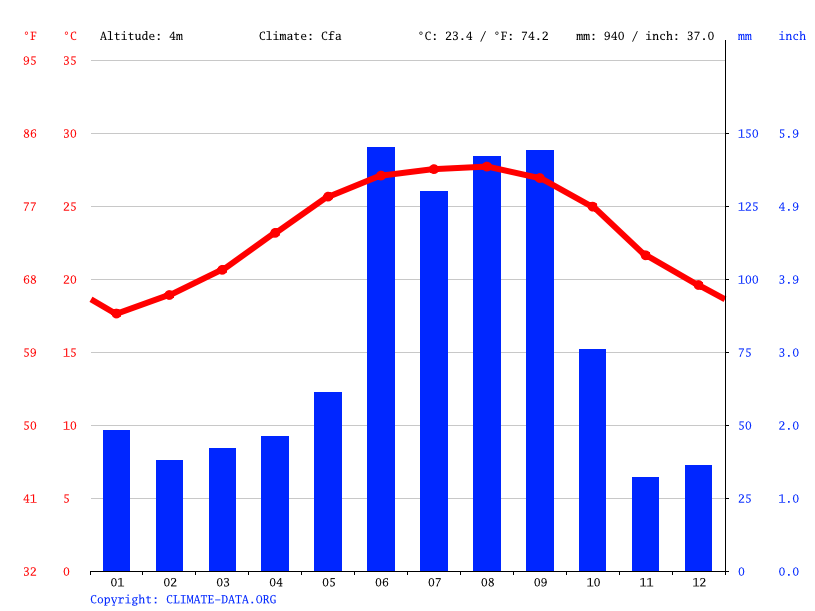
Summer in Cape Coral is characterized by high temperatures, significant humidity, and daily afternoon thunderstorms. While warm, it offers a different kind of experience, often with lower travel costs and fewer crowds (outside of holidays).
- Average Temperatures: This is the hottest period, with daily highs consistently in the high 80s°F to low 90s°F (31-34°C). Overnight lows remain very warm, typically in the mid-70s°F (24-25°C).
- Humidity: Humidity is at its peak, often making the “feels like” temperature several degrees higher than the actual reading.
- Rainfall: Summer marks the wet season. Expect almost daily afternoon thunderstorms. These are usually short-lived but intense, bringing heavy rain, lightning, and sometimes strong winds. They often clear quickly, leaving behind refreshed air.
- Ideal Activities: Water-based activities are paramount. Visiting SunSplash Waterpark, swimming in hotel pools or the Yacht Club Public Beach, boating, and fishing are popular. Many locals schedule outdoor activities for the mornings or evenings to avoid the midday heat and afternoon rains. Indoor attractions in nearby Fort Myers also become more appealing.
- Hurricane Season: It’s important to note that summer falls within Florida’s hurricane season (June 1st to November 30th). While direct hits are rare, it’s wise to monitor weather forecasts when traveling during this time.
- What to Pack: Light, breathable clothing (cotton, linen), multiple swimsuits, flip-flops, and reliable rain gear (a lightweight poncho or umbrella) are essential. Hydration and sun protection are critical.
Fall (September – November): Gradually Cooling, Still Vibrant
Fall in Cape Coral brings a welcome decrease in both temperature and humidity, slowly transitioning from the intense summer heat to the pleasant winter months. Early fall is still quite warm and humid, but by November, the weather becomes very agreeable.
- Average Temperatures: September still sees highs in the mid-80s°F (29-31°C). By November, daily highs settle into the upper 70s°F (24-26°C), with lows in the 60s°F (16-20°C).
- Humidity: Humidity gradually drops throughout the fall, making the air feel much more comfortable, especially in October and November.
- Rainfall: The frequency and intensity of afternoon storms decrease significantly, especially by mid-October.
- Ideal Activities: As the weather cools and dries, outdoor activities become increasingly enjoyable. Boating, kayaking through the mangroves of the Matlacha Pass Aquatic Preserve, fishing, and exploring parks are all excellent choices. Fall offers a sweet spot with pleasant weather before the peak winter crowds.
- What to Pack: Similar to spring, pack light clothing and swimwear for early fall, transitioning to lighter layers, including a sweater or light jacket, by late fall.
Beyond the Thermometer: How Climate Shapes Your Cape Coral Experience
The climate of Cape Coral is more than just numbers on a thermometer; it fundamentally shapes the entire travel experience. The abundant sunshine encourages an outdoor-centric lifestyle, with water activities dominating much of the local culture. The extensive canal system, for instance, thrives because the weather allows year-round boating and waterfront living.
The warm temperatures also influence the local flora and fauna, creating a vibrant ecosystem. Palm trees, hibiscus, and bougainvillea flourish, adding to the tropical ambiance. Birdwatching and observing marine life, such as dolphins and manatees in the Caloosahatchee River or Loggerhead Beach, are popular activities that are directly tied to the mild climate.
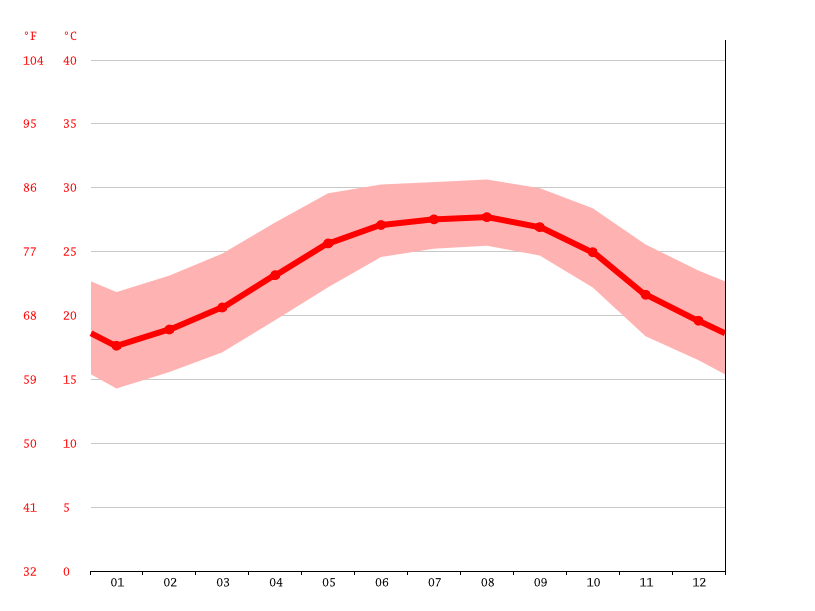
Understanding the seasonal variations in temperature and humidity allows travelers to align their expectations and activities with the actual conditions. A summer visit will emphasize cooling off by the water and enjoying air-conditioned spaces during the hottest parts of the day, while a winter trip opens up endless possibilities for comfortable outdoor exploration from morning to night.
Preparing for Your Cape Coral Adventure: Practical Climate Tips
Regardless of when you choose to visit, a few practical tips will ensure your comfort and enjoyment in Cape Coral’s warm climate.
- Hydration is Key: Especially during the hotter months, continuously drink water to stay hydrated. Always carry a water bottle, particularly if you’re engaging in outdoor activities.
- Sun Protection: The Florida sun is strong year-round. Apply high-SPF sunscreen frequently, wear wide-brimmed hats, and don sunglasses. Seek shade during peak sun hours (10 AM – 4 PM), especially in summer.
- Layering: Even in winter, evenings can be cooler than expected, and air-conditioned indoor spaces can feel chilly after being outside. Pack layers you can easily add or remove.
- Rain Gear (Summer/Early Fall): A lightweight, compact umbrella or poncho is a smart addition to your packing list during the wet season. Don’t let a brief afternoon shower disrupt your plans; often, the sun returns quickly.
- Check Forecasts: While this guide provides general trends, always check the specific weather forecast a few days before and during your trip. Local conditions can vary, and knowing the daily outlook helps you plan accordingly. This is particularly important during hurricane season for any potential advisories.
- Insect Repellent: With warmth and humidity come insects, particularly mosquitoes, especially at dawn and dusk or after rain. Pack repellent to ensure comfort during outdoor evenings.
Cape Coral’s climate is a major draw, offering a warm and inviting atmosphere for travelers seeking sunshine and outdoor adventures. By understanding its seasonal rhythms and preparing appropriately, you can ensure a comfortable and unforgettable experience in this beautiful Florida destination.
LifeOutOfTheBox is a participant in the Amazon Services LLC Associates Program, an affiliate advertising program designed to provide a means for sites to earn advertising fees by advertising and linking to Amazon.com. Amazon, the Amazon logo, AmazonSupply, and the AmazonSupply logo are trademarks of Amazon.com, Inc. or its affiliates. As an Amazon Associate we earn affiliate commissions from qualifying purchases.