
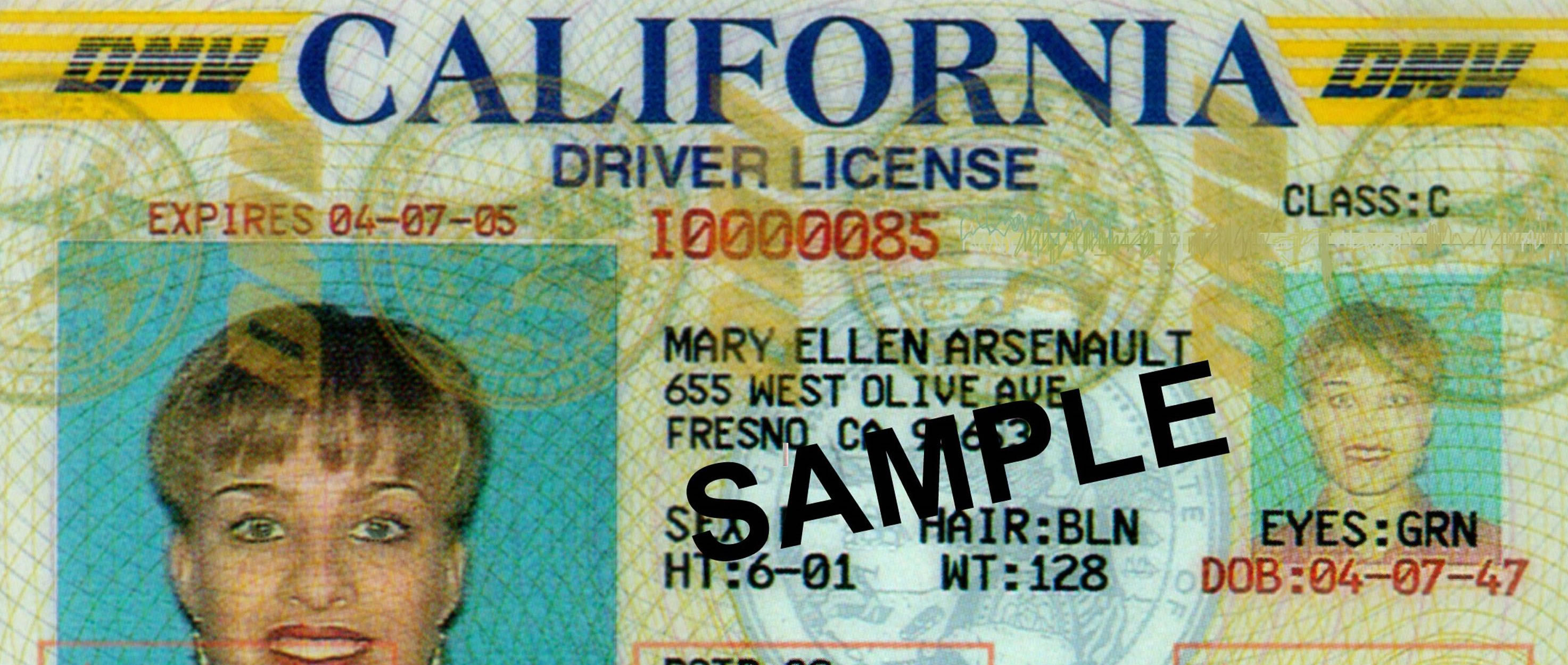
For many, a driver’s license represents more than just a piece of plastic; it embodies freedom, independence, and the ability to navigate the world on one’s own terms. In the expansive and diverse landscape of California, a Class C driver’s license is the foundational key to unlocking a lifestyle characterized by personal mobility, extensive exploration, and seamless daily functionality. It is the most common type of driver’s license, allowing individuals to operate standard passenger vehicles, which are essential for everything from daily commutes to epic road trips across the Golden State. Understanding the specifics of this license is crucial for anyone aspiring to live a mobile, unconstrained lifestyle in California.
The Foundation of Personal Mobility in California
A Class C license serves as the backbone of personal transportation for the vast majority of California residents and long-term visitors. Its parameters are designed to cover the most common vehicles encountered on the road, directly supporting a lifestyle that often necessitates self-driven travel for work, leisure, and family responsibilities.
Defining the Class C License
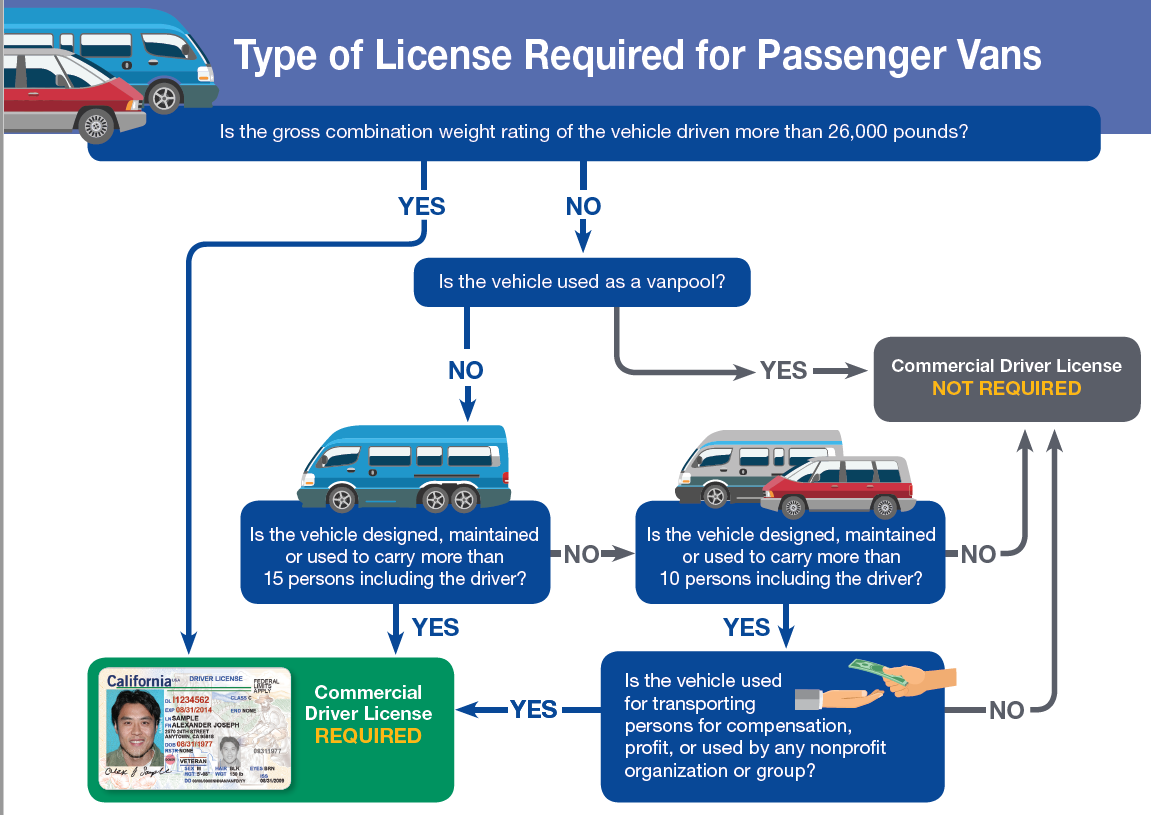
At its core, a California Class C license authorizes the holder to operate a two-axle vehicle with a Gross Vehicle Weight Rating (GVWR) of 26,000 pounds or less, or a three-axle vehicle weighing 6,000 pounds or less. This includes the ubiquitous family sedan, SUVs, pickup trucks, minivans, and recreational vehicles (RVs) or motorhomes with a GVWR of 26,000 pounds or less. It also permits the driving of a housecar up to 40 feet in length, and, with specific endorsement, a motorcycle. Furthermore, a Class C license allows for the towing of a single vehicle weighing 10,000 pounds or less GVWR, including a boat trailer, or a travel trailer that is not more than 10,000 pounds GVWR. This comprehensive scope makes it the ultimate enabler for diverse personal and family lifestyles, from routine errands to extensive cross-country adventures.
Crucially, it is important to distinguish the Class C license from other classifications. It does not permit the operation of commercial vehicles requiring a Class A or B license, nor does it allow for vehicles designed to transport 16 or more passengers (including the driver) for hire, which would typically necessitate a commercial endorsement. While it covers most personal vehicles, specialized endorsements are required for operating motorcycles (Class M) or specific non-commercial vehicles like large housecars or certain trailers beyond its basic parameters. For the average individual, however, the Class C license is the gateway to an independent and flexible lifestyle, granting the ability to move freely and adapt to the diverse needs of modern living in California.
Eligibility and Requirements
Obtaining a Class C license in California involves a structured process overseen by the California Department of Motor Vehicles (DMV). The general eligibility for an unrestricted license begins at 18 years of age. Minors between 16 and 18 years old can apply for a provisional Class C license after completing specific driver education and training requirements, which include obtaining an instruction permit, holding it for at least six months, and completing 50 hours of supervised driving practice (10 of which must be at night).
The application process itself involves several key steps. Applicants must first fill out a Driver’s License or Identification Card Application (Form DL 44), provide proof of identity and residency, and pay the application fee. This is followed by a vision exam, a written knowledge test covering traffic laws and signs, and ultimately, a behind-the-wheel driving test. Successful completion of these stages, along with providing thumbprint and photo, leads to the issuance of a temporary license, with the permanent card mailed shortly thereafter. Meeting these requirements is not merely about legal compliance; it’s about demonstrating the competence and responsibility necessary to safely engage with the mobile lifestyle that a California Class C license enables.
Empowering Diverse Lifestyles Through Driving
The possession of a California Class C license fundamentally shapes and enables a multitude of lifestyle choices, from the pragmatic daily routines to the most adventurous personal pursuits. It is the instrument that provides access, convenience, and the autonomy vital for modern living.
Urban and Suburban Living
In the bustling cities and sprawling suburbs of California, a Class C license is virtually indispensable. It empowers individuals to commute to work or school, access essential services, and participate in social activities without relying on often-strained public transportation systems. For families, the ability to drive facilitates critical tasks such as daily school runs, grocery shopping, transporting children to extracurricular activities, and managing medical appointments. This level of personal mobility ensures that individuals and families can maintain a vibrant, active lifestyle, accessing educational opportunities, career growth, and community engagement with unparalleled ease. The independence granted by a Class C license is particularly significant for young adults, allowing them to pursue higher education, enter the workforce, and establish their own social networks, laying the groundwork for an autonomous adult lifestyle.
Road Trips and Exploration
California is a state synonymous with road trips, and the Class C license is your passport to these iconic journeys. It enables a lifestyle of exploration, where the open road leads to breathtaking natural wonders and vibrant cultural experiences. Imagine driving the legendary Pacific Coast Highway, with its dramatic coastal vistas, or venturing inland to the majestic granite cliffs and ancient sequoias of Yosemite National Park. The rugged beauty of Joshua Tree National Park‘s desert landscape or the rolling vineyards of Napa Valley are all within reach for those with a Class C license.
This access caters to various travel lifestyles. For budget travelers, driving offers the flexibility to explore at their own pace, opting for affordable campsites or roadside diners. For luxury travelers, it means the freedom to navigate to boutique hotels in wine country or secluded resorts without being bound by fixed itineraries. Moreover, a Class C license facilitates outdoor and adventure lifestyles, allowing individuals to transport camping gear, surfboards, bikes, and other equipment necessary for activities that define the California outdoor experience. The freedom to simply get in the car and go, whether for a weekend getaway or an extended tour, is a cornerstone of the modern adventurous lifestyle.
Business and Personal Flexibility
Beyond leisure and daily errands, a Class C license provides significant flexibility for professional and personal development. Many roles in California’s diverse economy require employees to drive for client meetings, site visits, or material transport, making the Class C license a professional asset. It supports entrepreneurial endeavors, enabling small business owners to deliver products or offer mobile services.
On a personal level, the ability to drive independently facilitates the pursuit of hobbies, volunteering opportunities, and access to specialized services. It ensures the capacity to respond to emergencies, attend medical appointments, and maintain crucial social connections that contribute to overall well-being. This comprehensive flexibility underscores how the Class C license is not merely a permit to drive, but a fundamental enabler of a rich, adaptable, and self-directed lifestyle.
Navigating California’s Unique Driving Environment
Driving in California is an experience as varied as its landscapes, from the congested freeways of Los Angeles to the serene mountain roads of the Sierra Nevada. A Class C license holder must not only be proficient in operating a vehicle but also adept at navigating the state’s specific regulations and environmental considerations.
Key Driving Regulations and Considerations
California has stringent traffic laws designed to ensure safety on its busy roadways. Adhering to posted speed limits, understanding right-of-way rules, and being aware of specialized lanes like High Occupancy Vehicle (HOV) lanes are critical. The state also maintains strict laws regarding seatbelt usage for all occupants and has been at the forefront of combating distracted driving, with hands-free device use being mandatory. For any lifestyle that involves driving, compliance with these laws is paramount to avoid fines, points on your driving record, and potentially dangerous situations. Furthermore, maintaining proper vehicle insurance is a legal requirement and an essential aspect of responsible driving, protecting against unforeseen circumstances and ensuring peace of mind.
Environmental Awareness
California is a leader in environmental regulations, and this extends to its driving culture. Vehicle emissions testing, commonly known as “Smog Check,” is a routine requirement for most vehicles to ensure they meet air quality standards, impacting vehicle ownership and maintenance routines. The state also actively promotes electric vehicles (EVs), offering incentives for purchase and expanding charging infrastructure, thereby influencing lifestyle choices toward more sustainable transportation options. Drivers must also be prepared for California’s diverse driving conditions, which can range from dense urban traffic and foggy coastal routes to snowy mountain passes and extreme desert heat. Adapting driving habits to these varied environments is crucial for safe and enjoyable travel across the state.
Maintaining Your Class C License
The Class C license, while granting immense freedom, also comes with ongoing responsibilities to ensure its validity and the safety of all road users. Proactive management of your license is key to an uninterrupted mobile lifestyle.
Renewals and Ongoing Responsibilities
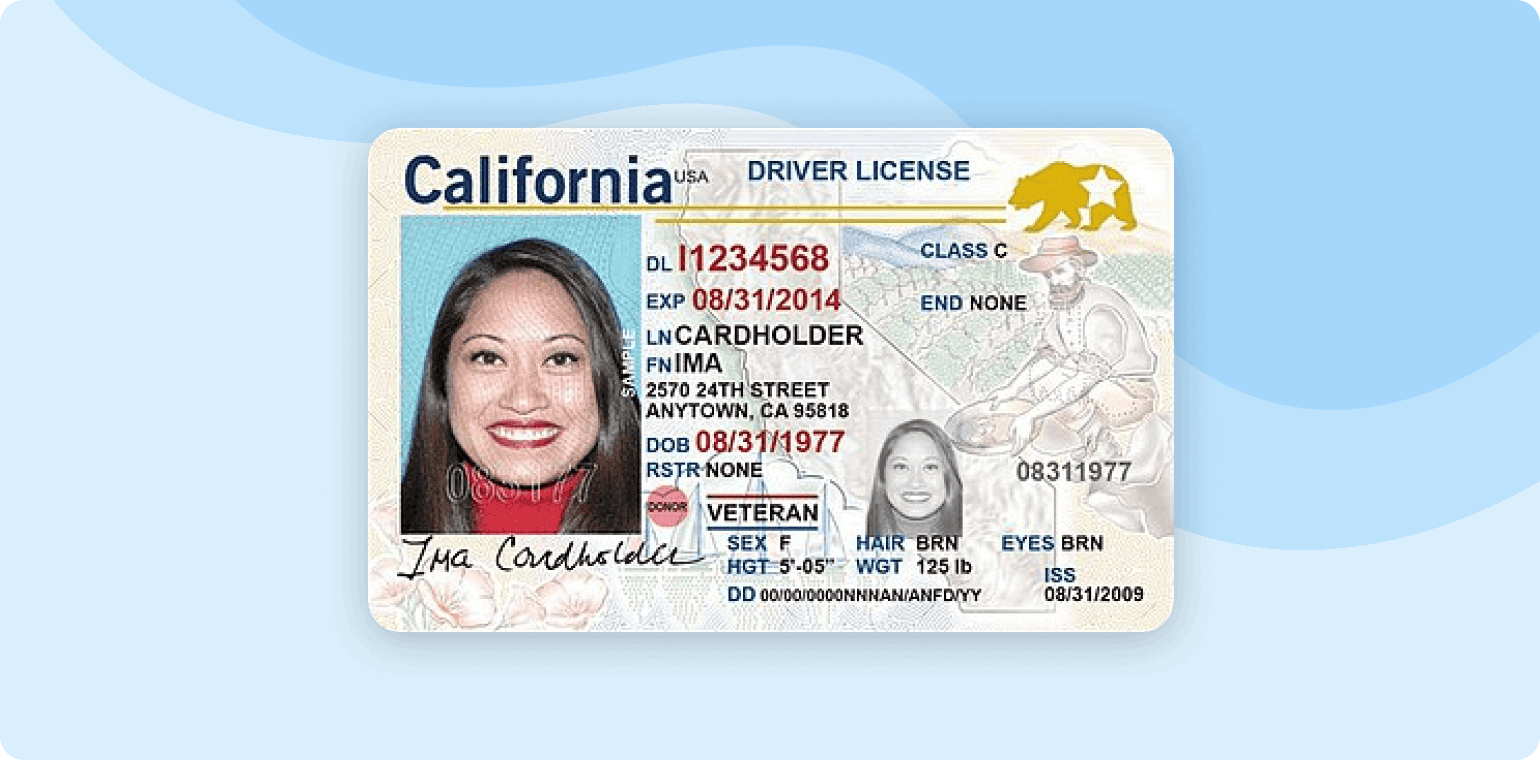
A California Class C driver’s license typically needs to be renewed every five years. The DMV usually sends a renewal notice well in advance, detailing the process, which may include another vision test and potentially an updated photograph. Some renewals can be completed online or by mail, while others might require an in-person visit. Keeping your address and other personal information updated with the DMV is vital to ensure you receive timely notices and to comply with legal requirements. Neglecting renewal can lead to an expired license, rendering you unable to drive legally and potentially disrupting your daily routine and travel plans.
Safe Driving Practices
Beyond legal compliance, maintaining a Class C license also entails a commitment to safe and defensive driving practices. This includes being constantly aware of your surroundings, anticipating potential hazards, and adhering to the rules of the road. With California’s diverse weather patterns, from heavy rain causing slick roads to summer wildfires impacting visibility, drivers must adapt their techniques to maintain safety. Awareness of the impact of traffic violations on your driving record and insurance premiums is also important, as an accumulation of points can lead to license suspension and increased costs, significantly impeding your ability to live a freely mobile lifestyle. Upholding these responsibilities ensures that the freedom and flexibility granted by a Class C license remain a constant, reliable aspect of your California lifestyle.
LifeOutOfTheBox is a participant in the Amazon Services LLC Associates Program, an affiliate advertising program designed to provide a means for sites to earn advertising fees by advertising and linking to Amazon.com. Amazon, the Amazon logo, AmazonSupply, and the AmazonSupply logo are trademarks of Amazon.com, Inc. or its affiliates. As an Amazon Associate we earn affiliate commissions from qualifying purchases.