
Planning a trip to St. Augustine, Florida, America’s oldest city, often involves dreams of sun-drenched beaches, historic cobblestone streets, and charming Spanish colonial architecture. To truly make the most of your visit, however, understanding the local climate, particularly the temperature, is paramount. St. Augustine sits on the northeast coast of Florida, benefiting from a subtropical climate influenced by the nearby Atlantic Ocean. This grants the city warm, often humid summers and mild, pleasant winters, creating distinct seasonal experiences that dictate everything from your packing list to your daily itinerary. Delving into the nuances of St. Augustine’s temperature patterns is the first step toward crafting an unforgettable travel adventure tailored to your preferences.
Understanding St. Augustine’s Climate for Your Trip
St. Augustine’s unique geographical position lends itself to a fascinating climate, often categorized as humid subtropical. This means that while extremes are rare, visitors should anticipate significant variations in warmth and moisture throughout the year. The presence of the Atlantic Ocean acts as a moderating force, preventing temperatures from soaring to inland extremes in summer and keeping winter frosts at bay for the most part.
A Subtropical Paradise: General Climate Overview
Characterized by long, hot, and humid summers, and short, mild, often dry winters, St. Augustine offers a distinct charm in every season. Spring and autumn serve as transitional periods, often considered the sweet spots for many travelers due to their comfortable temperatures and lower humidity. Understanding these broader patterns helps set expectations, allowing you to align your travel dates with the weather conditions that best suit your desired activities.
Seasonal Temperature Breakdown: What to Expect Year-Round
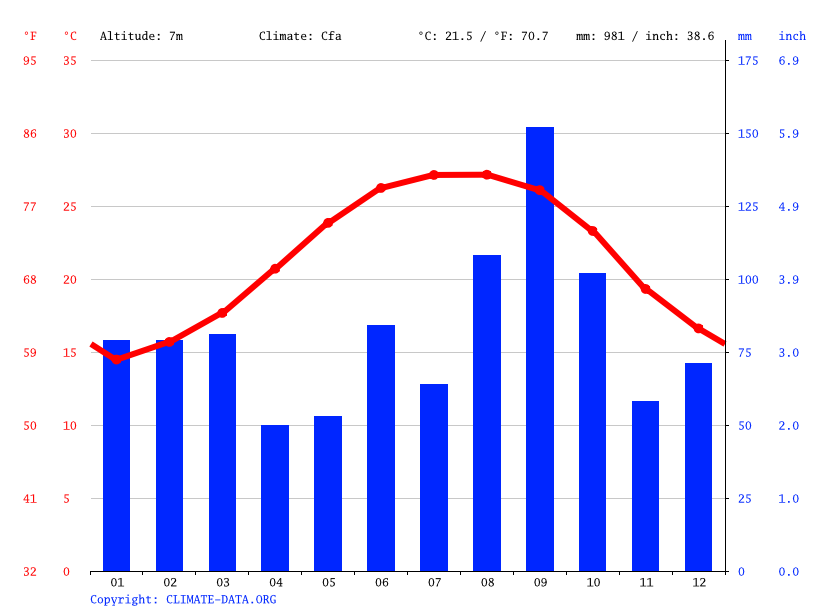
The average annual temperature in St. Augustine hovers around 70°F (21°C), but this figure belies the substantial seasonal shifts.
Summer (June – August)
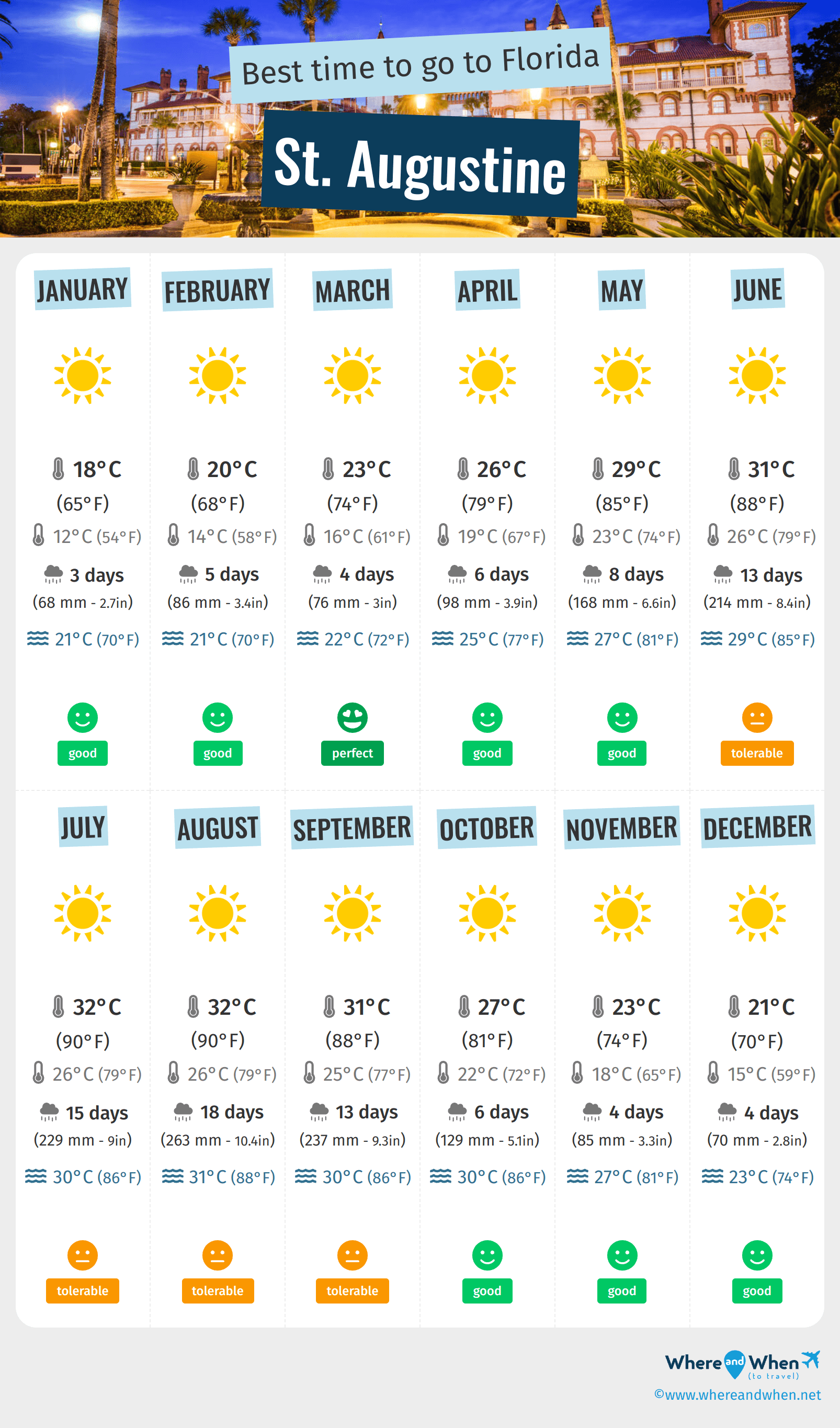
Summers in St. Augustine are definitively hot and humid. Average daily high temperatures typically range from the high 80s to low 90s°F (31-33°C), with nighttime lows seldom dipping below the mid-70s°F (24-26°C). The humidity can make these temperatures feel even higher, often pushing the heat index well into the triple digits. This season is also marked by frequent afternoon thunderstorms, which are usually brief but intense, offering a temporary reprieve from the heat before the sun returns. Sea breezes from the Atlantic can provide some relief along the coast.
Fall (September – November)
Autumn is a highly favored time to visit St. Augustine. September retains some of summer’s warmth and humidity, but by October, the weather begins to transition beautifully. Average highs in October are in the upper 70s°F (25-26°C), falling to the low 70s°F (21-22°C) by November. Nights become pleasantly cool, often in the 60s°F (15-20°C). Humidity significantly decreases, and the frequency of rain lessens, creating conditions ideal for outdoor exploration.
Winter (December – February)
Winters are mild and comfortable, attracting visitors seeking an escape from colder northern climates. Average daytime highs typically range from the low to mid-60s°F (15-18°C), with overnight lows often in the 40s°F (4-9°C). While occasional cold fronts can bring temperatures down to freezing or slightly below for short periods, extended cold snaps are rare. Sunshine is abundant, and the air is generally dry, making it perfect for strolling through the historic district.
Spring (March – May)
Spring rivals fall as one of the best times to experience St. Augustine. The weather is consistently warm and sunny, with low humidity. March sees highs in the low 70s°F (21-22°C), gradually climbing to the low 80s°F (27-28°C) by May. Nights are mild and refreshing, typically in the 50s and 60s°F (10-20°C). Rainfall is minimal, and the pleasant conditions make it an excellent time for all types of outdoor activities.
Planning Activities Based on St. Augustine’s Weather
The varying temperatures throughout the year significantly influence the types of activities and experiences that are most enjoyable in St. Augustine. Tailoring your plans to the climate ensures maximum comfort and enjoyment.
Summer Adventures (Heat & Humidity)
When the summer sun is at its peak, the key is to embrace water-based activities and strategically plan indoor excursions. The area’s beautiful beaches, such as St. Augustine Beach and Vilano Beach, become natural havens for swimming, sunbathing (with plenty of sunscreen!), and watersports. Kayaking or paddleboarding through the calm waters of the Intracoastal Waterway or a boat tour along the Matanzas River offers refreshing breezes. For indoor escapes, delve into the opulent history of the Lightner Museum, explore maritime history at the St. Augustine Pirate & Treasure Museum, or marvel at the stunning architecture of Flagler College during a guided tour. Evenings are often cooler, making a stroll down St. George Street or a ghost tour a delightful way to explore.
Fall & Spring Explorations (Ideal Conditions)
These shoulder seasons present near-perfect weather for a full range of activities. The comfortable temperatures and lower humidity make it ideal for extensive outdoor exploration. Immersing yourself in history at the iconic Castillo de San Marcos becomes a pleasure, allowing ample time to traverse its ramparts and explore its chambers without discomfort. Day trips to the less crowded Fort Matanzas National Monument are also excellent choices. Walking tours of the historic district, climbing the St. Augustine Lighthouse & Maritime Museum for panoramic views, or enjoying a round of golf are all highly recommended. The mild climate is also conducive to cycling, birdwatching, and exploring the natural trails at parks like Anastasia State Park.
Winter Charms (Mild & Comfortable)
Winter in St. Augustine offers a unique appeal with its cooler temperatures and fewer crowds. This is an excellent time for leisurely exploration of the city’s historic sites and museums, enjoying the pleasant, dry air. The lack of oppressive heat makes extended walks through the old city particularly enjoyable. A highlight of the winter season is the spectacular Nights of Lights festival, where the entire city is adorned with millions of white lights, transforming it into a magical holiday wonderland from mid-November through January. Wildlife viewing opportunities abound, especially for migratory birds, at natural preserves. Cozy evenings by a fire pit or enjoying warm beverages in charming cafes are also a quintessential winter experience.
What to Pack: Your St. Augustine Wardrobe Guide

Your packing list will be heavily influenced by the time of year you choose to visit. Being prepared for the local temperatures and weather conditions is crucial for a comfortable and stress-free trip.
Summer Essentials
For summer travel, think light, breathable fabrics. Pack plenty of shorts, t-shirts, sundresses, and swimwear. A wide-brimmed hat, sunglasses, and high-SPF sunscreen are non-negotiable due to the intense sun. Hydration is key, so consider bringing a reusable water bottle. While afternoon showers are common, they’re usually brief, so a light rain jacket or umbrella can be useful for sudden downpours. Comfortable sandals or open-toed shoes are ideal, but also include a pair of walking shoes for longer excursions.
Fall & Spring Layers
These transitional seasons call for versatile clothing. Layers are your best friend. Pack long-sleeve shirts, light sweaters, and a comfortable jacket for cooler evenings or air-conditioned indoor spaces. You’ll want shorts or capris for warmer daytime temperatures, along with jeans or trousers for evenings. Comfortable walking shoes are a must, as these seasons are perfect for exploring on foot. Swimwear can still be useful, especially in early fall and late spring, for enjoying the beach or heated pools.
Winter Comforts
Even though St. Augustine’s winters are mild, you’ll still want to pack warmer clothing, especially for evenings. Bring long-sleeve shirts, sweaters, and a medium-weight jacket or coat. Jeans or warm trousers are suitable for daytime. While daytime can be sunny and pleasant, temperatures can drop significantly after sunset. Closed-toe shoes are advisable, and you might even want a scarf or light gloves for the chilliest days.
Year-Round Must-Haves
Regardless of the season, a few items are always recommended for a trip to St. Augustine. Comfortable walking shoes are paramount due to the city’s pedestrian-friendly nature and numerous historical sites. Insect repellent is wise, especially if you plan to explore natural areas or be outdoors during dawn or dusk. Staying hydrated is important in Florida’s climate, so always have water accessible.
Beyond the Thermometer: Other Weather Considerations
While temperature is a primary factor, other meteorological elements contribute to the overall feel of St. Augustine’s weather and should be considered when planning your visit.
Humidity Levels
Humidity is a constant companion in Florida, particularly during the summer months. High humidity can make warm temperatures feel even hotter and may be uncomfortable for some travelers. It’s important to factor this into outdoor activity planning, ensuring access to shade and staying well-hydrated. The humidity significantly drops in fall and winter, contributing to the pleasant conditions during those seasons.
Rainfall Patterns
St. Augustine experiences distinct wet and dry seasons. The wet season generally runs from June to September, characterized by those typical afternoon thunderstorms. While they can be intense, they are usually short-lived, allowing for activities to resume quickly. The dry season, from October to May, sees much less precipitation, contributing to the desirable conditions of fall, winter, and spring.
Hurricane Season
It is crucial to be aware that the Atlantic hurricane season officially runs from June 1st to November 30th. While direct hits are infrequent, the possibility exists, and tropical storms can bring heavy rain, strong winds, and coastal flooding. If traveling during this period, it’s advisable to monitor weather forecasts closely and consider travel insurance. Local authorities are well-prepared, and visitor safety is always the top priority.
UV Index
The sun in St. Augustine is strong year-round. The UV index is often high, even on cloudy days. Consistent application of sunscreen, wearing protective clothing, and seeking shade during peak sun hours (typically 10 AM to 4 PM) are vital for skin protection, regardless of the season.
Making the Most of Your St. Augustine Visit, Whatever the Weather
Ultimately, St. Augustine offers a captivating travel experience throughout the year, each season presenting its own unique advantages. By understanding the typical temperatures and other weather patterns, you can make informed decisions about when to visit and how to best prepare. Whether you prefer the vibrant energy of a summer beach day, the crisp air of a fall historical tour, or the festive charm of a winter holiday escape, St. Augustine’s climate will shape your journey. Always check a reliable local weather forecast a few days before your departure for the most current conditions, and embrace the flexibility to adapt your plans, ensuring a truly memorable exploration of this historic Florida gem.
LifeOutOfTheBox is a participant in the Amazon Services LLC Associates Program, an affiliate advertising program designed to provide a means for sites to earn advertising fees by advertising and linking to Amazon.com. Amazon, the Amazon logo, AmazonSupply, and the AmazonSupply logo are trademarks of Amazon.com, Inc. or its affiliates. As an Amazon Associate we earn affiliate commissions from qualifying purchases.