
Navigating the bureaucratic labyrinth of vehicle registration can often feel like a daunting task, especially when you’re unfamiliar with the specific requirements of a particular state. For those setting up residence in the Lone Star State, a common and crucial question arises: “Do you need insurance to register a car in Texas?” The straightforward answer is a resounding yes. Texas law mandates that all drivers must carry a minimum level of liability insurance before they can legally register and operate a vehicle on public roads. This requirement is not merely a suggestion but a fundamental pillar of the state’s traffic safety and financial responsibility laws, designed to protect all road users.
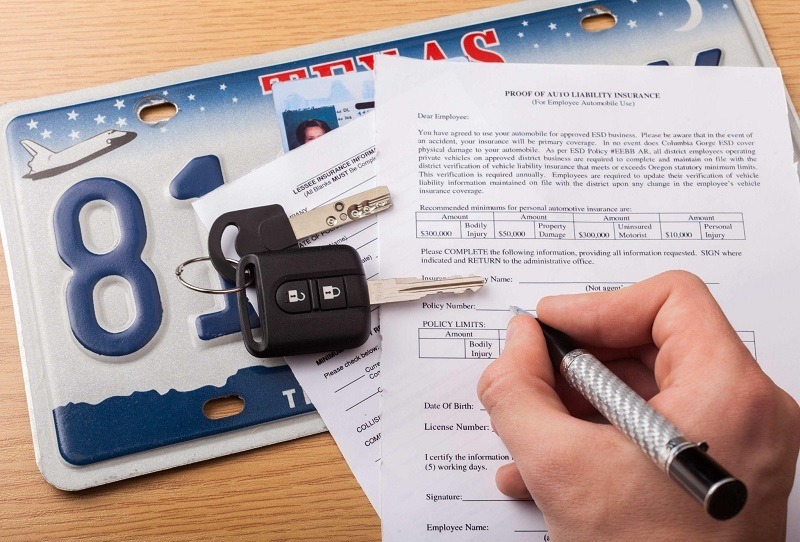
Understanding this mandate is the first step in ensuring your vehicle is road-legal and that you are compliant with state statutes. The Texas Department of Motor Vehicles (TxDMV) and the Texas Department of Insurance (TDI) are the primary agencies overseeing these regulations. Their collective goal is to ensure that drivers are financially prepared to cover damages or injuries they might cause in an accident. This article will delve into the specifics of Texas’s insurance requirements for car registration, the types of coverage mandated, and the consequences of non-compliance, providing a comprehensive guide for new and existing Texas residents alike.
Texas Auto Insurance Minimums: The Foundation of Registration
Texas operates under a “tort liability” system, meaning that the at-fault driver is responsible for damages and injuries caused in an accident. To ensure that drivers can meet this responsibility, the state has established minimum liability insurance coverage levels. These minimums are often referred to as the “30/60/25” rule, a shorthand that represents the dollar amounts of coverage required:
- $30,000 per injured person: This is the maximum amount your insurance company will pay for bodily injury to a single person in an accident for which you are at fault.
- $60,000 per accident: This is the maximum amount your insurance company will pay for total bodily injury to all persons in an accident for which you are at fault.
- $25,000 per accident for property damage: This is the maximum amount your insurance company will pay for damage to other people’s property (vehicles, fences, buildings, etc.) in an accident for which you are at fault.
These minimums are the absolute baseline. While they satisfy the legal requirement for registration, many insurance professionals and safety advocates strongly recommend purchasing higher levels of coverage. The reasoning is simple: accident costs can quickly exceed these statutory minimums, leaving the uninsured or underinsured driver personally liable for the remaining damages.
Proof of Insurance: The Gatekeeper to Registration
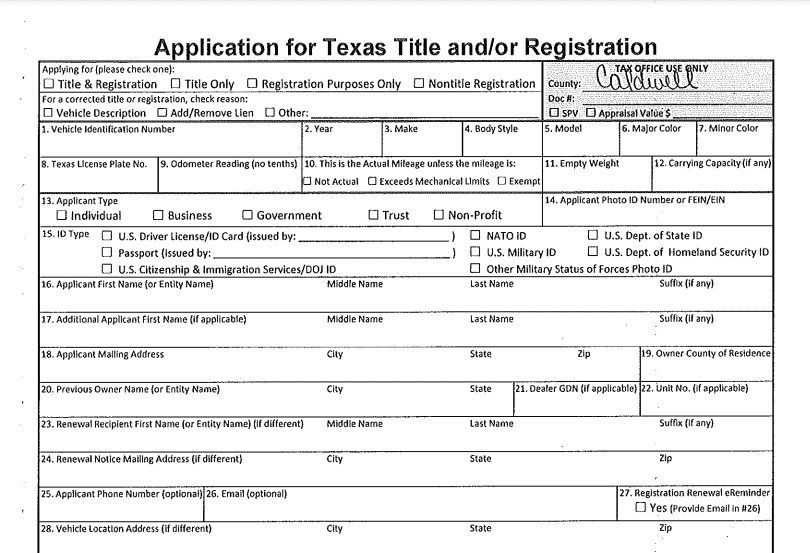
When you arrive at a county tax assessor-collector’s office to register your vehicle, you will be asked to provide proof of financial responsibility. For most drivers, this proof comes in the form of an insurance identification card or a binder issued by your insurance company. This document must clearly display:
- The name of the insurance company.
- The policy number.
- The effective and expiration dates of the policy.
- The name(s) of the insured person(s).
- The year, make, and model of the insured vehicle.
The information on your insurance card must match the vehicle you are attempting to register. If you have recently purchased a new vehicle or switched insurance providers, ensure your proof of insurance is up-to-date before heading to the registration office. Temporary insurance cards or digital versions are often accepted, but it’s wise to confirm with your local county tax office beforehand.
What if I Don’t Own a Car? Understanding Non-Owner Insurance
For individuals who do not own a vehicle but frequently drive others’ cars or rent vehicles, Texas law still requires proof of financial responsibility. This can be achieved through a non-owner auto insurance policy. This type of policy provides liability coverage for the driver even when they are not behind the wheel of a car listed on their personal policy. It’s a critical consideration for individuals who may borrow vehicles or use car-sharing services regularly. While not directly tied to registering a car you own, understanding these provisions highlights the pervasive nature of financial responsibility laws in Texas.
Beyond the Minimums: Understanding Other Required Coverages
While liability insurance is the mandatory component for registration, it’s crucial to understand that Texas law also mandates other types of coverage, or at least offers drivers the option to reject them in writing. These are often bundled into a standard auto insurance policy and are vital for comprehensive protection.
Personal Injury Protection (PIP)
Texas law requires insurers to offer Personal Injury Protection (PIP) coverage to policyholders. PIP covers medical expenses, lost wages, and essential services for you and your passengers, regardless of who is at fault in an accident. While you have the right to reject PIP in writing, opting out means you won’t have this crucial coverage if you or your passengers sustain injuries. For families or individuals who frequently travel with passengers, PIP offers a valuable layer of protection that goes beyond basic liability.
Uninsured/Underinsured Motorist (UM/UIM) Coverage
Another crucial coverage that insurers must offer in Texas is Uninsured/Underinsured Motorist (UM/UIM) coverage. This coverage protects you if you are involved in an accident with a driver who has no insurance (uninsured) or not enough insurance (underinsured) to cover your damages. UM/UIM coverage can help pay for your medical bills, lost wages, and vehicle repairs when the at-fault driver cannot. Like PIP, you have the option to reject UM/UIM coverage in writing. However, given the statistics on uninsured drivers in some areas, this coverage is highly recommended for most Texas drivers.
Consequences of Driving Without Insurance in Texas
Failing to meet Texas’s insurance requirements carries significant penalties, impacting both your ability to register your vehicle and your freedom to drive. The consequences are designed to be a strong deterrent, reinforcing the importance of financial responsibility on the road.
Fines and Penalties
If you are caught driving without the legally required minimum liability insurance, you will face immediate penalties. The first offense can result in fines of up to $350 and a jail sentence of up to 180 days. Subsequent offenses incur steeper fines, ranging from $500 to $1,000, along with the possibility of jail time and a driver’s license suspension.
Vehicle Impoundment
In addition to fines and potential jail time, law enforcement officers have the authority to impound your vehicle if you are unable to provide proof of insurance. This means you will incur towing and storage fees, adding a significant financial burden on top of the legal penalties. Retrieving your vehicle from the impound lot will require you to present valid proof of insurance, pay all associated fees, and potentially navigate other administrative hurdles.
Driver’s License Suspension
A conviction for driving without insurance can lead to the suspension of your Texas driver’s license. This suspension can last for a considerable period, significantly hindering your ability to commute to work, manage daily errands, or engage in any activity that requires driving. Reinstating your license after a suspension typically involves paying reinstatement fees, obtaining SR-22 documentation (a certificate of financial responsibility filed by your insurance company with the state), and maintaining continuous insurance coverage.
Impact on Car Registration
As established, valid auto insurance is a prerequisite for registering your vehicle in Texas. If your insurance lapses or is canceled, and you are unable to provide proof of continuous coverage, your vehicle registration may be suspended or revoked. This means you cannot legally drive the vehicle until you rectify the insurance situation and re-register your car. The process of re-registration after a suspension can involve additional fees and paperwork, making it crucial to maintain uninterrupted insurance coverage.
Alternatives to Traditional Insurance for Registration
While traditional auto insurance is the most common and straightforward way to meet Texas’s financial responsibility laws for vehicle registration, there are a few alternative methods available for certain individuals or situations. These alternatives are typically geared towards those who demonstrate significant financial assets or have specific vehicle ownership arrangements.
The Self-Insured Option
Individuals or companies who own a substantial fleet of vehicles (typically 25 or more) may be eligible to self-insure. This involves demonstrating to the state that you have sufficient financial resources to cover any potential accident claims. The application process for self-insurance is rigorous and requires extensive financial documentation. This option is not practical or available for the vast majority of individual car owners.
Surety Bonds
Another alternative to traditional insurance is to obtain a surety bond. A surety bond is a contract between three parties: the principal (the person seeking the bond), the obligee (the state of Texas), and the surety company. The surety company guarantees that if the principal fails to meet their financial obligations (e.g., paying for accident damages), the surety company will step in to cover the costs up to the bond’s limit. The cost of a surety bond is typically a non-refundable premium, and the bond amount must meet or exceed the state’s minimum liability requirements. While it fulfills the registration requirement, it does not provide the same comprehensive protection as an insurance policy.
Conclusion: Insurance is Non-Negotiable for Texas Car Registration
In conclusion, the question of whether insurance is needed to register a car in Texas has a definitive answer: yes. Texas law unequivocally requires proof of financial responsibility, with minimum liability coverage being the cornerstone of this mandate. This requirement serves a dual purpose: to protect victims of car accidents by ensuring there are funds available to cover damages and injuries, and to promote responsible vehicle ownership.
While the minimums of $30,000/$60,000/$25,000 are legally sufficient for registration, it is highly advisable to consider purchasing higher coverage limits. The costs associated with severe accidents can easily surpass these baseline amounts, leaving individuals financially vulnerable. Furthermore, understanding and securing Personal Injury Protection (PIP) and Uninsured/Underinsured Motorist (UM/UIM) coverage provides a more robust safety net against the uncertainties of the road.
The consequences of failing to comply with Texas’s insurance laws are severe, ranging from substantial fines and vehicle impoundment to driver’s license suspension. These penalties underscore the state’s commitment to road safety and financial accountability. For most Texas drivers, obtaining a standard auto insurance policy from a reputable provider is the most effective, comprehensive, and accessible way to meet these requirements and ensure legal operation of their vehicle. Prioritizing adequate insurance is not just a legal necessity for car registration in Texas; it is a fundamental aspect of responsible driving and personal financial protection.
LifeOutOfTheBox is a participant in the Amazon Services LLC Associates Program, an affiliate advertising program designed to provide a means for sites to earn advertising fees by advertising and linking to Amazon.com. Amazon, the Amazon logo, AmazonSupply, and the AmazonSupply logo are trademarks of Amazon.com, Inc. or its affiliates. As an Amazon Associate we earn affiliate commissions from qualifying purchases.