
Welcoming a new child into the family marks a significant life transition, profoundly impacting a parent’s lifestyle, career, and financial planning. For individuals working in California, understanding the nuances of maternity leave benefits is crucial for navigating this period with confidence and maintaining a desired standard of living. California stands out with some of the most comprehensive paid family leave programs in the United States, designed to support new parents during this invaluable time. This guide breaks down the various components of maternity leave, explaining how much time off you can take and what level of income replacement you can expect, allowing you to strategically plan for your family’s evolving lifestyle.
Navigating California’s Comprehensive Leave Programs
Maternity leave in California is not a single, monolithic policy but rather a combination of several state and federal laws that work in tandem to provide job protection and income replacement. These programs are designed to cover different phases and reasons for leave related to pregnancy, childbirth, and new parent bonding. Understanding how these various leaves interact is key to maximizing your benefits and planning your time away from work effectively.
Pregnancy Disability Leave (PDL)
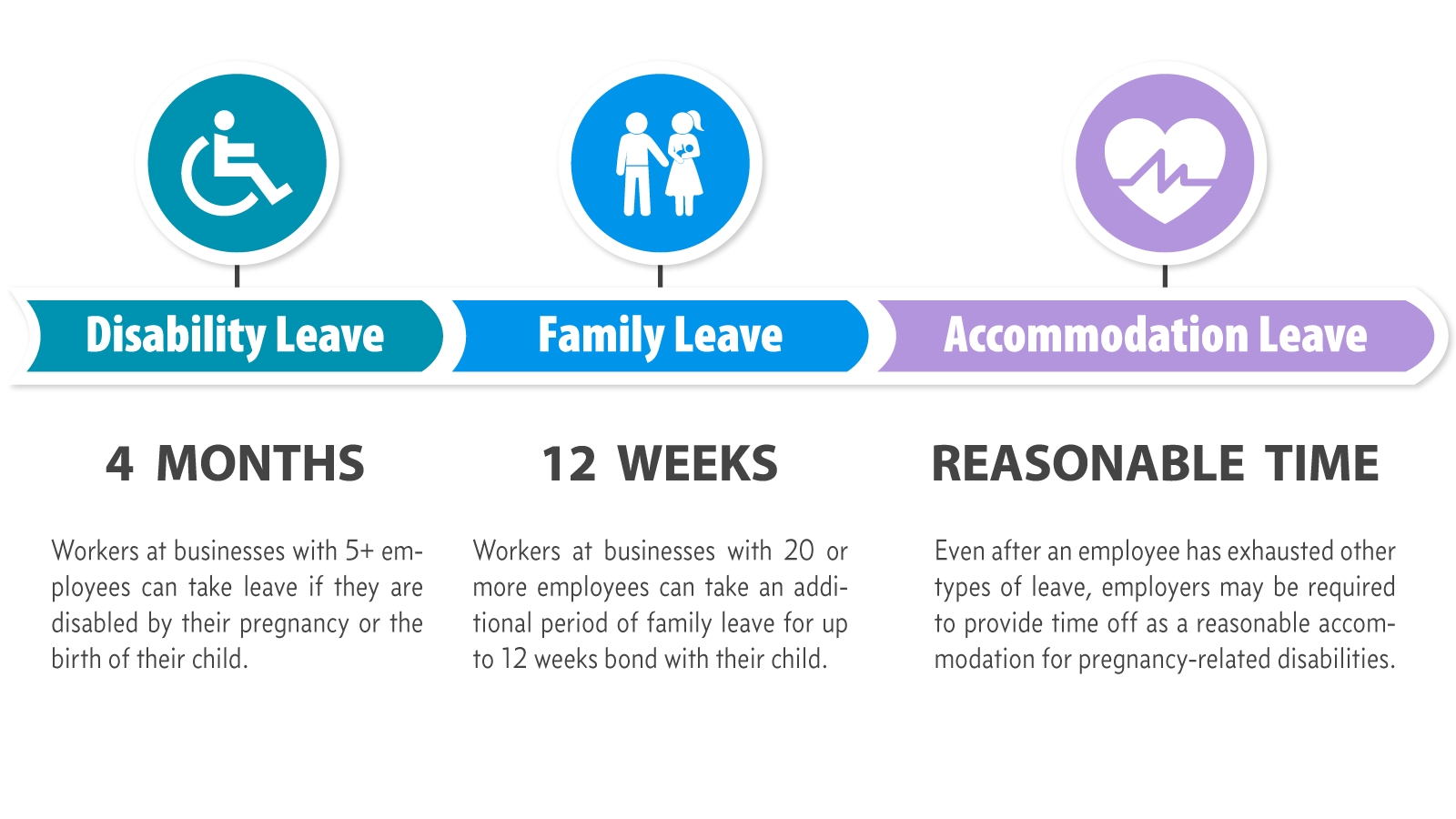
For pregnant employees, the first phase of maternity leave typically falls under Pregnancy Disability Leave (PDL). This state law provides up to four months (or 17 ⅓ weeks) of job-protected leave for the period during which a woman is disabled by pregnancy, childbirth, or a related medical condition. This can include time off before birth, during recovery from childbirth, or for any pregnancy-related complications. PDL applies to employers with five or more employees. It’s important to note that this leave is specifically for the period of disability, not for new parent bonding.
California Family Rights Act (CFRA)
Once the period of pregnancy-related disability ends, or for non-disability related leaves (such as bonding for a non-birthing parent, or for adoption/foster care placement), the California Family Rights Act (CFRA) comes into play. CFRA provides eligible employees with up to 12 weeks of job-protected leave within a 12-month period for various family and medical reasons, including new parent bonding with a newborn, adopted child, or foster child. Critically, CFRA leave runs concurrently with FMLA (Family and Medical Leave Act) for qualifying reasons, but consecutively with PDL. This means after using PDL, a birthing parent can then take an additional 12 weeks of CFRA leave for bonding, potentially extending their total job-protected leave significantly. Eligibility for CFRA requires working for an employer with five or more employees and having worked for at least 1,250 hours in the 12 months preceding the leave.
Family and Medical Leave Act (FMLA)
The federal Family and Medical Leave Act (FMLA) offers up to 12 weeks of job-protected leave for certain family and medical reasons, including the birth of a child and to care for the newborn. FMLA applies to employers with 50 or more employees within a 75-mile radius and requires employees to have worked for the employer for at least 12 months (not necessarily consecutive) and for at least 1,250 hours during the 12 months prior to the start of leave. In California, FMLA often runs concurrently with CFRA for the same qualifying reason, such as new parent bonding.
Understanding Income Replacement During Leave
While the aforementioned laws provide job protection, they do not guarantee paid leave. California offers robust state-run programs that provide partial wage replacement during maternity leave, which are critical for maintaining financial stability and supporting a family’s lifestyle during this period.
State Disability Insurance (SDI)
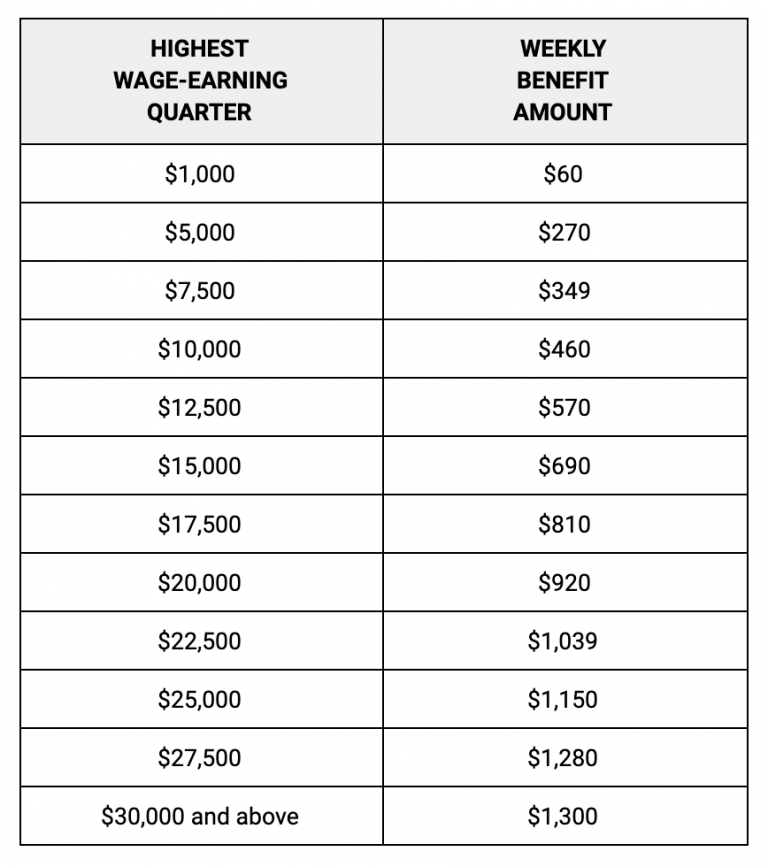
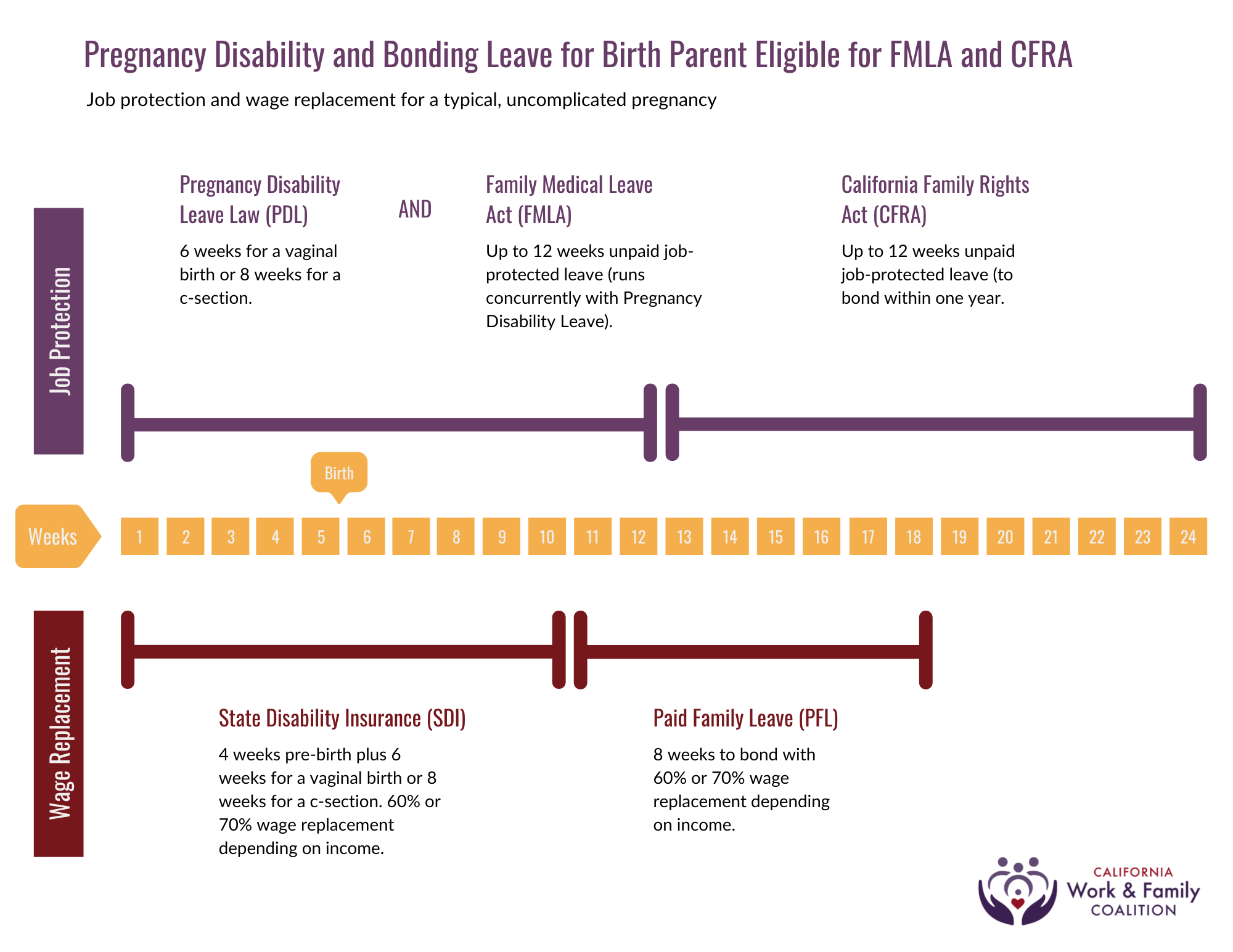
State Disability Insurance (SDI) is the primary source of income replacement for the disability portion of maternity leave. This program provides short-term wage replacement to eligible workers who are unable to work due to a non-work-related illness, injury, or pregnancy. For a typical pregnancy and vaginal birth, SDI usually covers approximately 4 weeks before the expected due date and 6 weeks after birth. For a C-section, it typically covers 4 weeks before and 8 weeks after birth. The benefit amount is generally 60-70% of your average weekly wages earned 5 to 18 months before your claim began, up to a maximum weekly benefit amount set annually by the Employment Development Department (EDD). Employees contribute to SDI through payroll deductions.
Paid Family Leave (PFL)
Once the disability period covered by SDI ends, new parents in California can transition to Paid Family Leave (PFL). PFL provides up to eight weeks of partial wage replacement for individuals who need to take time off work to bond with a new child (including through birth, adoption, or foster care placement). Like SDI, PFL offers 60-70% of your average weekly wages, up to the maximum weekly benefit amount. PFL is distinct from SDI but is also administered by the Employment Development Department (EDD) and funded through employee payroll deductions. It can be taken by either parent, and it does not have to be taken all at once; it can be intermittent. Both SDI and PFL benefits are taxable.
Employer-Provided Benefits
Beyond state-mandated benefits, many employers in California offer their own paid leave policies, such as short-term disability plans, parental leave, or vacation/sick time that can be used to supplement state benefits or provide additional paid time off. Some employers offer “top-up” payments to bring an employee’s income closer to 100% of their regular salary during state-paid leave. It’s crucial to check with your human resources department for your specific employer’s policies, as these can significantly enhance your financial security and overall lifestyle during maternity leave.
Employer Responsibilities and Employee Rights
Understanding your rights and your employer’s obligations is fundamental to a smooth and secure maternity leave experience. California law provides robust protections for employees taking leave.
Job Protection and Reinstatement
Both state and federal laws like PDL, CFRA, and FMLA ensure job protection, meaning your employer must reinstate you to the same or a comparable position upon your return from leave. This prevents employers from discriminating against employees for taking pregnancy or parental leave. It’s important to provide proper notice to your employer as required by these laws to ensure your job protection.
Health Benefits
During FMLA, CFRA, and PDL leave, employers are generally required to maintain your health benefits under the same conditions as if you were still working. This ensures continuous access to medical care for both the parent and the new child, a critical aspect of family lifestyle and well-being.
Notice Requirements
To ensure you receive the full protection and benefits available, it’s essential to provide your employer with adequate notice of your intent to take leave. Generally, 30 days’ advance notice is required for foreseeable leaves, such as childbirth. In cases of unforeseen circumstances, notice should be given as soon as practicable.
Strategic Planning for Your Family’s Lifestyle
The amount of maternity leave available in California and the associated income replacement are significant factors in a family’s overall lifestyle planning. A well-thought-out leave strategy can alleviate financial stress, allow for crucial new parent bonding, and ensure a smoother transition back to work.
Maximizing Time Off
By strategically combining PDL, CFRA, and FMLA, a birthing parent in California can potentially take a total of up to 6-8 weeks of paid SDI for disability, followed by an additional 12 weeks of paid PFL for bonding, all while being job-protected under PDL (for disability) and CFRA/FMLA (for bonding). This could mean a total of roughly 4-6 months of job-protected leave with partial pay. Non-birthing parents can typically access 12 weeks of job-protected CFRA/FMLA leave for bonding, with up to 8 weeks of paid PFL. Careful planning with your employer and understanding the interplay of these laws is essential.
Financial Preparedness
While California’s programs offer partial wage replacement, they typically do not cover 100% of your income. Preparing financially for this temporary reduction in earnings is a key aspect of lifestyle planning. This might involve saving in advance, adjusting budgets, or utilizing employer-provided paid leave to supplement state benefits. Understanding the exact percentage of income replacement and the maximum weekly benefit will allow you to anticipate your financial needs during leave.
Returning to Work
Planning for your return to work is just as important as planning for the leave itself. California law supports new parents with rights like the ability to request reasonable accommodations for pregnancy-related conditions and protections against discrimination. Some parents may opt for a phased return to work or consider flexible work arrangements to ease the transition, aligning their professional life with their new family lifestyle.
In summary, maternity leave in California is a complex but generous system designed to support new parents. By understanding the various components of job protection and income replacement, families can make informed decisions that safeguard their well-being, facilitate crucial new parent bonding, and ensure their desired lifestyle is maintained during one of life’s most significant journeys.
LifeOutOfTheBox is a participant in the Amazon Services LLC Associates Program, an affiliate advertising program designed to provide a means for sites to earn advertising fees by advertising and linking to Amazon.com. Amazon, the Amazon logo, AmazonSupply, and the AmazonSupply logo are trademarks of Amazon.com, Inc. or its affiliates. As an Amazon Associate we earn affiliate commissions from qualifying purchases.