
Nestled on Southwest Florida’s Gulf Coast, Fort Myers, Florida is renowned for its stunning beaches, vibrant ecosystem, and abundant sunshine. For any traveler planning a visit to this captivating destination, understanding the local weather patterns is paramount to maximizing the experience. The climate of Fort Myers is characterized by a subtropical humid classification, meaning it experiences warm temperatures year-round, distinct wet and dry seasons, and ample sunshine, punctuated by occasional, often intense, rainfall. This unique meteorological profile shapes everything from outdoor activities and packing lists to the ideal timing of a vacation.
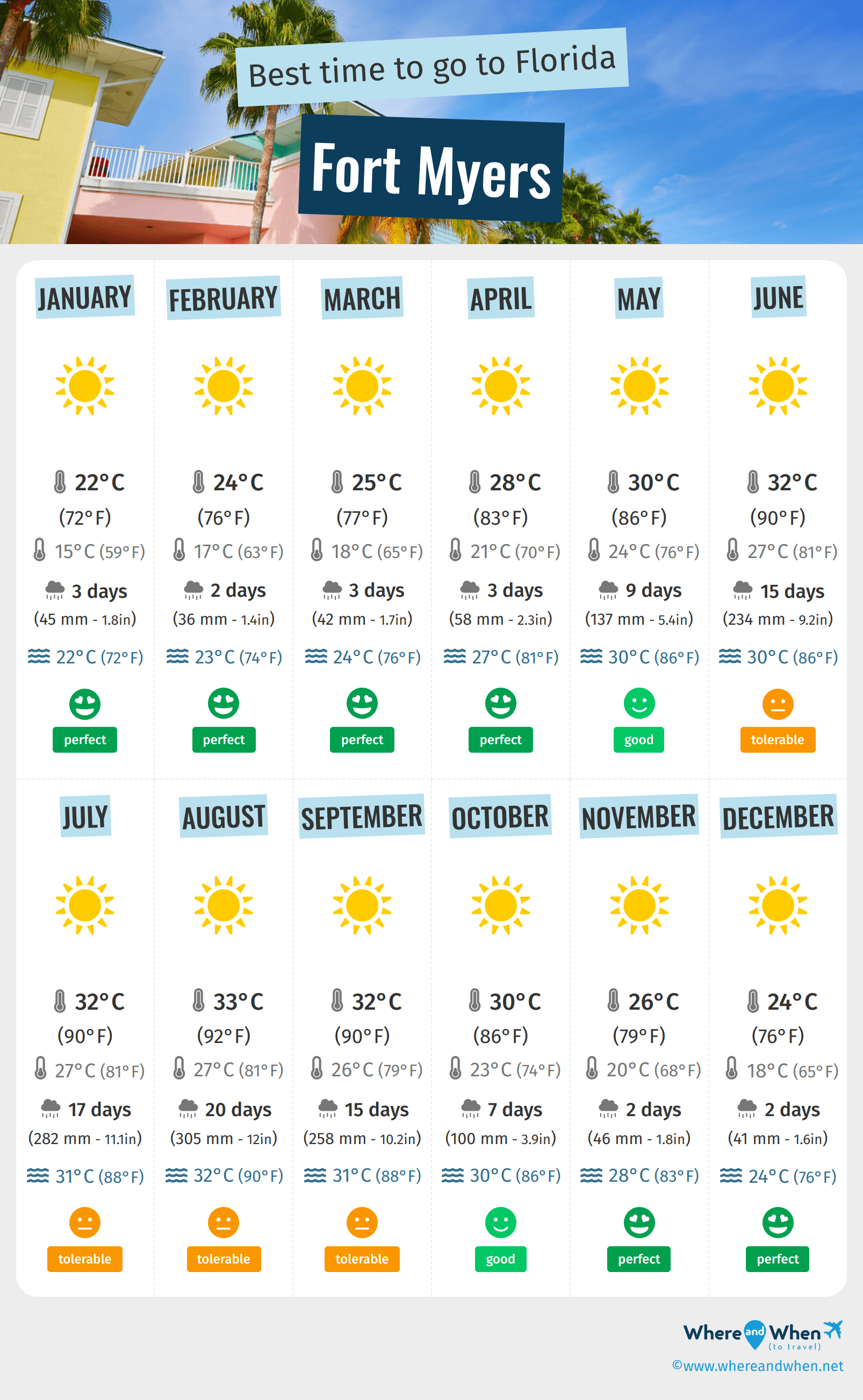
Understanding Fort Myers’ Subtropical Climate
Fort Myers’s subtropical climate is largely influenced by its proximity to the Gulf of Mexico, which moderates temperatures and contributes to the region’s high humidity, especially during the warmer months. The year effectively divides into two primary seasons: a dry, warm winter and spring, and a hot, humid, and wet summer and autumn.
During the dry season, which typically spans from November to May, Fort Myers basks in abundant sunshine, low humidity, and very pleasant temperatures, making it a prime escape for those fleeing colder northern climates. Rainfall is minimal, and the days are generally clear and inviting. This period is often considered the most desirable time to visit, perfect for outdoor pursuits and beach relaxation.
Conversely, the wet season, running from June through October, brings higher temperatures, soaring humidity, and a noticeable increase in precipitation. Daily afternoon thunderstorms are a common occurrence during these months, often delivering heavy downpours that can last from a few minutes to an hour or more, before giving way to sunshine again. This season also coincides with the Atlantic Hurricane Season, a factor every traveler should consider when planning their trip. Despite the rain, the wet season offers its own unique charm, from lush green landscapes to fewer crowds, often making it an attractive option for budget-conscious travelers or those seeking a more tranquil experience. Understanding these seasonal nuances is the first step to crafting an unforgettable Fort Myers itinerary.
Navigating the Seasons: Best Times to Visit
The ideal time to visit Fort Myers largely depends on your priorities, whether that’s guaranteed sunshine and bustling activities or quieter moments amidst nature, potentially with a higher chance of rain.
Dry Season (November – May): The Peak Travel Window
The dry season in Fort Myers is unequivocally the peak tourist season, and for good reason. From late fall through mid-spring, the weather is consistently beautiful, offering a near-perfect climate for exploration and relaxation.
Temperatures during this period typically range from the mid-60s Fahrenheit (around 18°Celsius) in the evenings to the low to mid-80s Fahrenheit (26-29°Celsius) during the day. Humidity levels are significantly lower than in the summer, making the warmth feel much more comfortable. Rainfall is scarce, with many days offering clear, blue skies. The sun shines brightly for an average of 8-10 hours daily, creating ideal conditions for beachgoers, boaters, and anyone keen on outdoor activities.
Travelers visiting during this window can expect vibrant atmospheres, particularly around holidays like Christmas and New Year’s, and during Spring Break in March and April. While the weather is undoubtedly a major draw, be prepared for larger crowds and higher prices for accommodation and flights. Booking well in advance is highly recommended to secure preferred options. The pleasant evenings during this season are perfect for al fresco dining or strolling along the waterfront, enjoying the gentle sea breezes.
Wet Season (June – October): Embracing the Summer Rains
The wet season in Fort Myers brings a dramatic shift in weather, characterized by intense heat, oppressive humidity, and frequent, albeit often short-lived, rain showers. Daytime temperatures consistently hover in the high 80s to low 90s Fahrenheit (30-34°Celsius), and overnight lows rarely drop below the mid-70s Fahrenheit (24-25°Celsius). The humidity can make the “feels like” temperature even higher, requiring adaptation to the climate.

The hallmark of this season is the daily afternoon thunderstorm. These storms typically roll in during the late afternoon, often lasting an hour or two with heavy rain, lightning, and thunder, before clearing up for a beautiful sunset. While they can disrupt outdoor plans, they also offer a refreshing break from the heat and contribute to the lush, vibrant greenery of the landscape.
This period also falls within the Atlantic Hurricane Season, which officially runs from June 1st to November 30th. While direct hurricane strikes are relatively rare, the threat is real, and travelers should be diligent in monitoring forecasts and considering travel insurance that covers weather-related cancellations. Despite the potential for rain and hurricanes, the wet season offers distinct advantages: significantly fewer crowds, lower prices on flights and accommodations, and a more relaxed, local vibe. For those who don’t mind the heat and can plan activities around the predictable afternoon showers, this can be a rewarding time to visit, offering unique photographic opportunities and a chance to experience Fort Myers with fewer tourists.
Weather-Dependent Activities and Packing Essentials
Understanding Fort Myers’s weather patterns allows for strategic planning, ensuring you pack appropriately and schedule activities to make the most of your visit.
Dry Season Adventures
With consistently beautiful weather, the dry season is prime for nearly all outdoor activities. Beach days are idyllic, offering perfect conditions for sunbathing, swimming, shelling, and building sandcastles along the pristine shores of Fort Myers Beach or Sanibel Island. Boating, fishing, and kayaking through the calm Gulf waters or mangrove estuaries are popular pursuits, as is golf on the area’s numerous championship courses. Nature enthusiasts will revel in exploring preserves like the Six Mile Cypress Slough Preserve or Lovers Key State Park, where wildlife viewing is at its peak.
Packing essentials for the dry season:
- Light layers: While days are warm, evenings can be pleasantly cool, especially in winter. A light jacket or sweater is advisable.
- Swimwear: Essential for beach and pool days.
- Sun protection: Wide-brimmed hats, sunglasses, and high-SPF sunscreen are non-negotiable given Florida’s intense sun.
- Comfortable walking shoes: For exploring parks, downtown areas, and attractions.
- Insect repellent: Always a good idea, particularly if spending time near water or in natural areas, even in the drier months.
Wet Season Strategies
While the wet season brings more challenging weather, it doesn’t mean a vacation is ruined. Rather, it requires a shift in approach and timing. Plan outdoor activities for the mornings, when the weather is typically clearer and less humid. Early morning walks on the beach, sunrise kayaking, or a quick round of golf can be very rewarding.
When the afternoon thunderstorms roll in, transition to indoor attractions. Fort Myers offers various options, including the IMAG History & Science Center, the Shell Factory & Nature Park, or shopping at air-conditioned malls like Miromar Outlets or Bell Tower Shops. Many resorts also offer excellent indoor amenities. Embrace the rain as a chance to relax with a good book, enjoy a long meal, or simply watch the dramatic storm from a covered patio. After the rain clears, the air often feels refreshed, and the sunsets can be spectacular.
Packing essentials for the wet season:
- Lightweight, quick-drying clothing: Materials like linen, cotton, or moisture-wicking synthetics are best.
- Umbrella or rain jacket: Crucial for staying dry during sudden downpours.
- Swimwear: Still essential for mornings at the beach or pool.
- Sun protection: Even on cloudy days, UV rays can be strong.
- Bug repellent: Even more important during the humid, rainy season, especially around dawn and dusk.
- Waterproof bags/covers: To protect electronics from sudden rain.

Preparing for Weather Variability
Regardless of the season, a key aspect of successful travel to Fort Myers is flexibility and staying informed. Always check the local weather forecast daily, or even hourly, especially during the wet season. Weather in Florida can change rapidly, and being aware of current conditions and potential alerts is crucial.
During hurricane season, pay extra attention to tropical weather outlooks. Reputable sources like the National Hurricane Center provide accurate and timely information. Consider purchasing travel insurance, which can offer peace of mind and financial protection in case of weather-related disruptions or cancellations.
Understanding that not all rain during the wet season means an all-day wash-out is also important. The typical pattern of afternoon showers means there are still plenty of hours for enjoyment. Embrace the natural beauty that the rain brings – vibrant flora, active wildlife, and fewer crowds can offer a unique perspective on Fort Myers that many dry-season visitors miss. By being prepared for the nuances of Fort Myers weather, travelers can ensure a fulfilling and memorable visit, no matter when they choose to explore this beautiful corner of Florida.
LifeOutOfTheBox is a participant in the Amazon Services LLC Associates Program, an affiliate advertising program designed to provide a means for sites to earn advertising fees by advertising and linking to Amazon.com. Amazon, the Amazon logo, AmazonSupply, and the AmazonSupply logo are trademarks of Amazon.com, Inc. or its affiliates. As an Amazon Associate we earn affiliate commissions from qualifying purchases.