
Embarking on a journey to the sun-drenched landscapes of California often conjures images of pristine beaches, towering redwoods, bustling cities like Los Angeles and San Diego, and the serene beauty of its national parks. However, for those venturing beyond urban centers into more remote or arid regions, a question might arise that touches upon the wilder side of this diverse state: Are there scorpions in California? The answer is unequivocally yes. While not an ever-present threat in every corner, scorpions are indeed native inhabitants of California’s varied ecosystems. Understanding their presence, habitats, and behaviors is crucial for travelers and outdoor enthusiasts seeking to explore the Golden State safely and confidently. This guide delves into the specifics of California’s scorpion population, offering insights and practical advice to ensure your travel experiences remain memorable for all the right reasons.

Unveiling California’s Diverse Ecosystems
California is a state of remarkable ecological diversity, spanning from coastal plains and dense forests to towering mountain ranges and vast deserts. This incredible variety in geography and climate directly influences the distribution of its wildlife, including various scorpion species.
The Golden State’s Geographic Tapestry
From the cool, humid coastal zones stretching along the Pacific to the hot, arid expanse of the Mojave Desert and Colorado Desert in the southeastern part of the state, California presents a mosaic of environments. The central valley offers fertile agricultural lands, while the Sierra Nevada mountains provide alpine conditions. Each of these distinct regions supports unique flora and fauna adapted to their specific conditions. Scorpions, being highly adaptable creatures, have found niches in many of these environments, particularly favoring those that offer shelter from extreme temperatures and access to prey.
Habitats Favorable to Scorpions
Scorpions in California are most commonly found in the drier, warmer regions of the state. The deserts, chaparral, and scrublands of southern and eastern California are prime habitats. Areas around Palm Springs, Joshua Tree National Park, and Death Valley are known to have significant scorpion populations. However, they can also be present in arid parts of the central valley and even in some foothills of the mountain ranges, often hiding under rocks, logs, debris, or within burrows during the day. Their preference for nocturnal activity means they are rarely seen during daylight hours, but their presence can become more apparent after dark, especially in campgrounds or remote areas where they might wander into tents or shoes.
Identifying Common Californian Scorpion Species
While dozens of scorpion species exist globally, only a handful are commonly encountered in California. Most are relatively harmless to humans, with stings comparable to a bee or wasp sting. However, recognizing the more prevalent species can help in understanding potential risks.
The California Forest Scorpion (Uroctonus mordax)
Despite its name, the California Forest Scorpion is not exclusively found in forests but also in grasslands and chaparral. It is one of the more common scorpions in the central and northern parts of the state. This species is relatively small, dark brown to black, and typically hides under rocks and bark. Its sting is generally mild, causing localized pain and swelling.
The Desert Hairy Scorpion (Hadrurus arizonensis)
As one of the largest scorpions in North America, the Desert Hairy Scorpion can reach up to 5.5 inches in length. Its name comes from the fine hairs covering its body, which help it detect vibrations in the sand. Predominantly found in the desert regions of southeastern California, including the Mojave Desert, this scorpion has a pale yellow body with a darker back. While impressive in size, its venom is generally not considered dangerous to healthy humans, though its sting can be quite painful.
The Stripe-tailed Scorpion (Paruroctonus boreus)
The Stripe-tailed Scorpion, also known as the Northern Scorpion, is identified by dark stripes on its dorsal surface. It is widespread throughout the drier parts of California, from the high desert to coastal plains, often found under rocks and debris. Its sting is typically minor, causing localized discomfort.
Other Species of Note
While the Arizona Bark Scorpion (Centruroides sculpturatus) is notorious for its highly venomous sting and is present in neighboring Arizona, it is exceedingly rare or non-existent in California. Most scorpions encountered by travelers in California pose minimal medical threat beyond temporary pain. However, allergic reactions are always a possibility, as with any insect sting.
Understanding Scorpion Behavior and Risk Factors
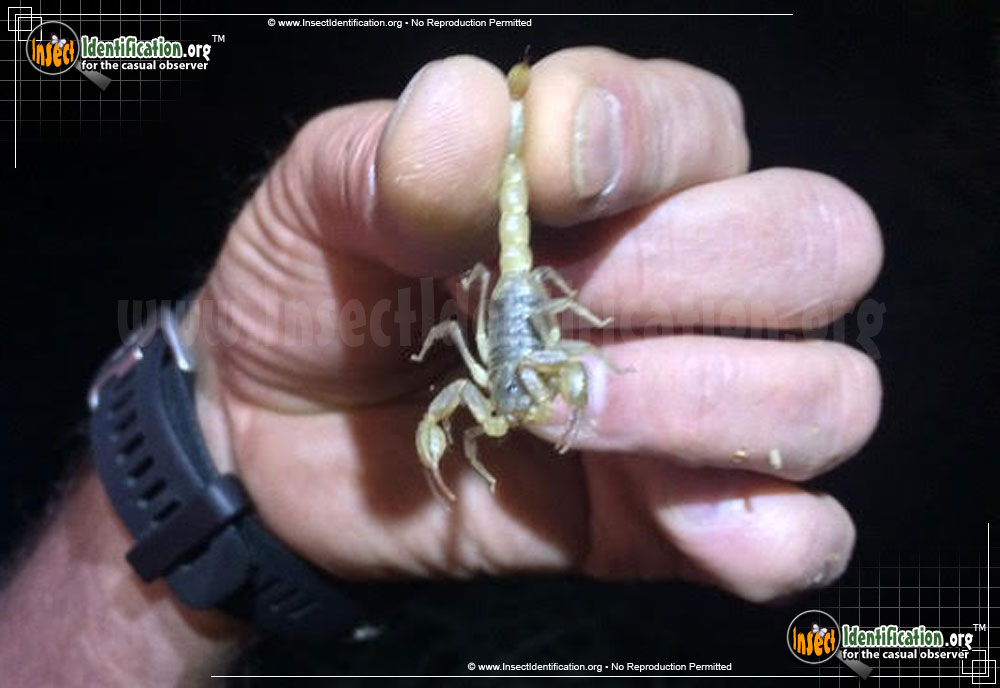
Scorpions are shy, reclusive creatures that generally prefer to avoid human contact. Most stings occur accidentally when a scorpion feels threatened or is inadvertently disturbed.
Nocturnal Nature and Hiding Spots
Scorpions are primarily nocturnal, meaning they are most active at night. During the day, they seek refuge from the sun and predators in cool, dark places. This includes under rocks, logs, leaf litter, debris, within crevices, or inside burrows they may dig or appropriate. This behavior explains why stings often occur when individuals unwittingly place a hand or foot into a scorpion’s hiding place, or when a scorpion wanders into a shoe or sleeping bag left outdoors.
When and Where Encounters Are Most Likely
Encounters with scorpions are most probable during warm months, particularly from spring through fall, when temperatures are higher, and scorpions are more active in foraging for food. Campers, hikers, and those staying in cabins or homes in rural or desert-adjacent areas of California should be particularly vigilant. Common areas for incidental contact include:
- Outdoor Gear: Shoes, clothing, tents, and sleeping bags left on the ground overnight.
- Around Campfires: Attracted to insects drawn to light and warmth.
- Under Rocks and Debris: When moving items during trail clearing or setting up camp.
- Inside Homes/Cabins: Scorpions can enter through small cracks or openings, particularly if disturbed by construction or seeking shelter from extreme weather.
The Severity of a Scorpion Sting
For most Californian scorpion species, a sting is comparable to that of a bee or wasp. Symptoms typically include immediate sharp pain, swelling, redness, and tingling at the sting site. These symptoms usually subside within a few hours. However, some individuals may experience a more severe reaction due to allergies, similar to anaphylaxis from a bee sting. In very rare cases, especially with children or individuals with compromised immune systems, a sting could lead to more systemic symptoms. It’s important to differentiate between the potential for pain and the actual danger, which is generally low for healthy adults encountering Californian species.
Practical Safety Measures for Travelers
Being aware of scorpions doesn’t mean you need to avoid California’s incredible natural beauty. Instead, adopting simple precautions can significantly reduce the risk of an encounter and ensure a safer, more enjoyable trip.
Protecting Yourself in Outdoor Settings
When hiking, camping, or exploring natural areas, particularly in the desert and arid regions, implement the following safety practices:
- Wear Appropriate Footwear: Always wear closed-toe shoes or boots when hiking, especially at night. Avoid sandals or open-toed shoes in areas where scorpions might be present.
- Inspect Gear: Before putting on shoes, gloves, or clothing left on the ground, shake them out thoroughly. Scorpions can hide in dark, confined spaces.
- Use a Flashlight at Night: When walking around campgrounds or trails after dark, use a powerful flashlight or headlamp. This can help you spot scorpions, which may glow under UV light.
- Don’t Reach Blindly: Avoid placing hands or feet into dark crevices, under rocks, logs, or brush without first checking the area visually.
- Set Up Camp Wisely: Choose campsites that are clear of excessive rocks and debris. Keep your tent zipped closed at all times.
Precautions Near Accommodations and Campsites
Even when staying in cabins or more developed areas, a few steps can enhance your safety:
- Seal Entry Points: If staying in a rustic cabin, check for cracks around doors and windows and consider placing towels under doors to prevent entry.
- Keep Beds Off the Floor: If possible, ensure beds are not directly against walls, and check bedding before use.
- Maintain a Tidy Space: Keep indoor and outdoor areas around your accommodation free of clutter where scorpions might hide.
- Shake Out Linens: Before climbing into bed, especially in more rustic settings, give sheets and blankets a quick shake.
What to Do in Case of a Sting
Should you or a travel companion be stung by a scorpion, remain calm and follow these steps:
- Clean the Area: Wash the sting site thoroughly with soap and water.
- Apply a Cold Compress: Place ice wrapped in a cloth on the sting to reduce pain and swelling.
- Take Pain Relievers: Over-the-counter pain medication like ibuprofen or acetaminophen can help manage discomfort.
- Seek Medical Attention (If Needed): While most Californian scorpion stings are mild, seek immediate medical attention if the individual experiences severe pain, difficulty breathing, widespread swelling, muscle twitching, or other systemic symptoms, or if the person stung is a child, elderly, or has known allergies.
- Identify if Possible: If safely possible, try to identify the scorpion (e.g., take a photo) without risking another sting, as this information can be helpful to medical professionals.
Exploring California Safely and Confidently
California’s diverse landscapes offer unparalleled opportunities for adventure, relaxation, and cultural immersion. The presence of scorpions is simply another aspect of its natural environment, one that can be managed with knowledge and preparedness.
Embrace the Outdoors Responsibly
Whether you plan to hike the trails of Yosemite National Park, camp beneath the stars in the Anza-Borrego Desert State Park, or simply enjoy the unique flora and fauna of the high desert, responsible outdoor practices are key. Understanding local wildlife, including scorpions, is an integral part of being a well-informed and respectful traveler. It allows you to appreciate the ecosystem fully while minimizing potential risks.

Key Takeaways for Peace of Mind
Ultimately, the answer to “Are there scorpions in California?” is a resounding yes, but the risk to travelers is generally low when proper precautions are taken. The vast majority of species found in the state are not dangerously venomous. By exercising caution, especially in arid and desert environments, and being mindful of where you place your hands and feet, you can confidently explore all the breathtaking beauty and adventure that California has to offer, without undue worry about its scuttling inhabitants. Your travels through the Golden State will undoubtedly be filled with incredible sights and experiences, made even better by the peace of mind that comes from being prepared.
LifeOutOfTheBox is a participant in the Amazon Services LLC Associates Program, an affiliate advertising program designed to provide a means for sites to earn advertising fees by advertising and linking to Amazon.com. Amazon, the Amazon logo, AmazonSupply, and the AmazonSupply logo are trademarks of Amazon.com, Inc. or its affiliates. As an Amazon Associate we earn affiliate commissions from qualifying purchases.