
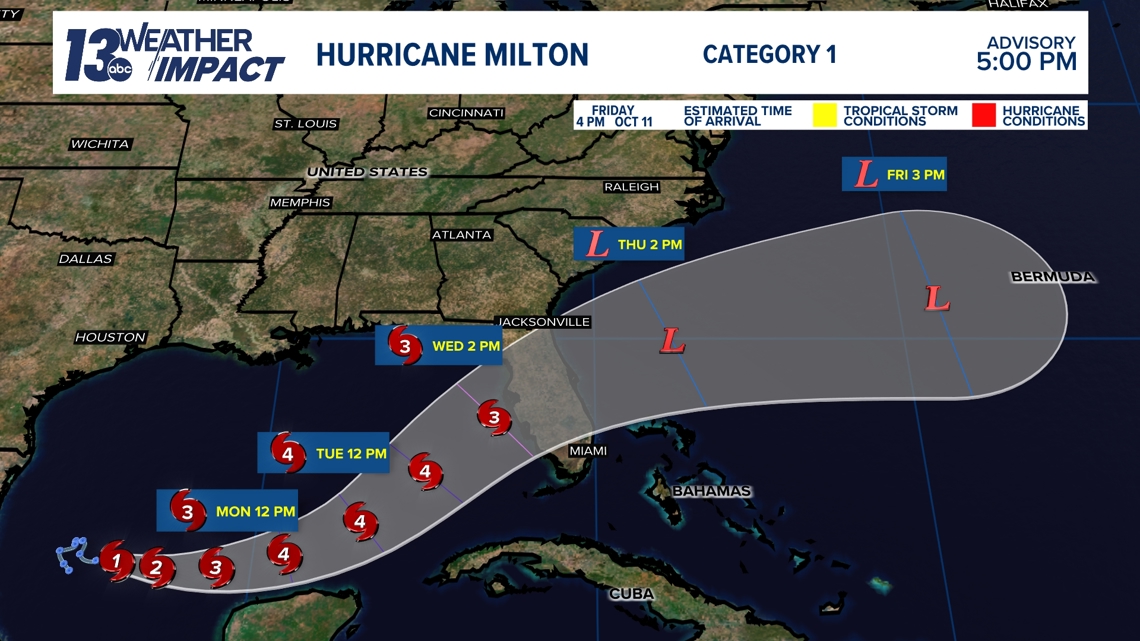
The anticipation of a major weather event like Hurricane Milton making landfall in Florida casts a significant shadow over travel plans. For anyone considering a trip to the Sunshine State, currently vacationing there, or residing within its borders, understanding the potential impact and timing of such a storm is paramount. This guide aims to provide comprehensive insights for travelers navigating the complexities introduced by hurricane threats, ensuring safety and informed decision-making remain at the forefront.
Understanding Hurricane Impact on Travel
Hurricanes are powerful natural phenomena that can drastically alter landscapes, infrastructure, and, consequently, travel itineraries. When a storm like Hurricane Milton threatens a popular destination like Florida, the ripple effects are felt across the entire travel ecosystem, from flight schedules to ground transportation and the operational status of attractions.

Prioritizing Safety and Official Advisories
The immediate and most critical aspect for any traveler is personal safety. Before, during, and after a hurricane, official sources provide the most reliable and up-to-date information. The National Hurricane Center (NHC) is the primary authority for hurricane tracking, forecasts, and warnings. Travelers should continuously monitor NHC advisories, as well as local emergency management agencies in Florida for specific evacuation orders, shelter locations, and safety guidelines. State and county emergency operations centers will issue advisories tailored to their specific regions, such as those impacting Miami-Dade County or the Florida Panhandle. Ignoring these warnings can place individuals and rescue personnel at unnecessary risk. Always have a communication plan, ensure mobile devices are charged, and have essential documents readily accessible.
Impact on Air and Ground Transportation
One of the most immediate effects of an approaching hurricane is the disruption of transportation. Airports across Florida, including major hubs like Miami International Airport, Orlando International Airport, and Tampa International Airport, are often among the first to cease operations. Airlines will cancel flights well in advance of a storm’s expected arrival, often offering waivers for rebooking or refunds. Travelers scheduled to fly into or out of Florida during a hurricane threat should check with their airline directly and frequently.
Ground transportation is equally affected. Major highways and interstates can become congested during mandatory evacuations, making travel slow and challenging. Bridges may be closed due to high winds, and coastal roads can become impassable due to storm surge or flooding. Public transportation, including local bus services and train lines, may also be suspended. For those driving, it’s essential to keep fuel tanks full, have emergency supplies, and be aware of potential road closures and diversions. Driving during a hurricane is extremely dangerous due to strong winds, heavy rainfall, potential flash floods, and debris.
Adjusting Travel Plans: Before, During, and After a Storm
Flexibility and preparedness are key when facing hurricane season travel. Proactive measures can mitigate stress and financial losses, while quick reactions during a storm are crucial for safety.
Pre-Storm Preparations for Travelers
If you have a trip planned to Florida during hurricane season (June 1st to November 30th), it’s wise to consider specific preparations. Firstly, understand the cancellation policies for your flights, accommodations, and any tours or attractions you’ve booked. Many travel providers offer more lenient policies during declared emergencies. Secondly, purchase travel insurance that specifically covers hurricane-related cancellations or interruptions. Not all policies are created equal, so read the fine print carefully, especially regarding “cancel for any reason” options versus named storm clauses.
Maintain a “go bag” with essential items, even if your trip isn’t immediately threatened. This includes copies of identification, medication, chargers, basic toiletries, and a change of clothes. If you are already in Florida when a storm is forecast, heed local warnings. Decide whether to shelter in place or evacuate based on official guidance. If evacuating, know your route, have a full tank of gas, and inform family members of your plans. Hotels often have specific hurricane preparedness plans; familiarize yourself with these if you choose to shelter at your accommodation.
Navigating Travel Insurance and Cancellations
Travel insurance becomes invaluable during a hurricane threat. Most standard policies will cover trip cancellation or interruption if a hurricane causes widespread delays, cancellations, or renders your destination uninhabitable. However, coverage often hinges on the timing of your purchase relative to the storm’s naming or declaration. If you buy insurance after Hurricane Milton has already been named, you likely won’t be covered for issues directly related to that storm. Always verify what your policy covers, including:
- Trip Cancellation: If you have to cancel your trip before you depart.
- Trip Interruption: If you’re forced to cut your trip short after it has begun.
- Travel Delay: For additional expenses incurred due to unexpected delays.
- Medical Coverage: Important if you need medical care during a storm or evacuation.
- Evacuation Coverage: For costs associated with mandatory evacuations.
Contact your travel insurance provider immediately if you anticipate making a claim. Keep all receipts for unexpected expenses, such as additional lodging or meals due to delays, as these may be reimbursable.
Post-Hurricane Travel Considerations for Florida
Even after a hurricane has passed, its impact on travel can linger for weeks or even months. Travelers contemplating a visit to Florida in the aftermath of Hurricane Milton need to exercise patience and thorough planning.
Assessing Florida’s Readiness for Visitors
Following a hurricane, areas of Florida can experience significant damage, leading to prolonged power outages, water supply issues, and damage to roads and infrastructure. While certain destinations like Orlando might rebound quickly due to robust infrastructure and dedicated teams at major attractions like Walt Disney World Resort and Universal Orlando Resort, coastal towns, particularly those hit directly by the eye of the storm, may face extensive recovery periods. It’s crucial to verify the operational status of your specific destination and planned activities.
- Accommodation: Hotels and resorts may be damaged or closed for repairs. Even those that are operational might be operating with limited services or reduced staff. Confirm your booking directly with the property before traveling.
- Attractions and Activities: Theme parks, beaches, national parks (like Everglades National Park), and other attractions might be closed for cleanup, repairs, or safety assessments. Check official websites and local tourism boards for updates.
- Infrastructure: Road closures, damaged traffic lights, and limited fuel availability can impede travel. Gas stations, grocery stores, and restaurants may operate on reduced hours or remain closed.
Before embarking on a post-hurricane trip, call ahead, consult local tourism websites, and monitor news from reliable sources to gauge the actual conditions on the ground. Be prepared for potential detours, longer travel times, and possibly limited access to certain services.
Supporting Local Recovery Through Responsible Travel
For those determined to visit Florida after Hurricane Milton, responsible travel can play a crucial role in the state’s recovery. Spending money at local businesses – restaurants, shops, and tour operators – helps inject much-needed funds into the affected communities. However, it’s vital to ensure your visit doesn’t inadvertently strain local resources or hinder recovery efforts.
Consider volunteering with reputable disaster relief organizations if you wish to contribute directly. Otherwise, focus on destinations that have officially declared themselves ready to welcome tourists, ensuring your presence is a help, not a hindrance. Be patient and understanding with service staff, who may be navigating their own recovery challenges. Remember that the goal is to support the community, not to demand pre-storm levels of service in a post-storm environment. Choosing less impacted areas or delaying your trip to heavily affected regions until they are fully prepared can be the most responsible approach.

Essential Resources for Travelers
Staying informed is your best defense against the unpredictable nature of hurricane season. Here is a list of essential resources travelers should consult:
- National Hurricane Center (NHC): For official hurricane forecasts, advisories, and tracking maps.
- Florida Division of Emergency Management: For state-specific emergency information, evacuation routes, and shelter locations.
- Airline and Airport Websites: For real-time flight status and airport operational updates (e.g., Miami International Airport, Orlando International Airport).
- National Weather Service: For local weather forecasts and severe weather warnings.
- Travel Insurance Provider: To understand your coverage and file claims.
- Your Hotel/Accommodation Provider: For direct updates on their operational status and specific property policies.
- Local Tourism Boards (e.g., Visit Florida, Visit Orlando, Miami Tourism): For information on destination readiness, open attractions, and local conditions.
While the exact timing of Hurricane Milton’s potential hit on Florida remains dynamic and subject to change, staying vigilant, prioritizing safety, and adapting travel plans based on official guidance are crucial for any traveler. By doing so, you can navigate the challenges of hurricane season effectively and ensure a safe and responsible travel experience.
LifeOutOfTheBox is a participant in the Amazon Services LLC Associates Program, an affiliate advertising program designed to provide a means for sites to earn advertising fees by advertising and linking to Amazon.com. Amazon, the Amazon logo, AmazonSupply, and the AmazonSupply logo are trademarks of Amazon.com, Inc. or its affiliates. As an Amazon Associate we earn affiliate commissions from qualifying purchases.