
Embarking on a journey from the historic charm of Philadelphia to the dazzling allure of Las Vegas is a popular choice for many travelers seeking a vibrant escape. Understanding the flight duration is a crucial aspect of planning this transcontinental adventure. While the actual time spent in the air can vary, this guide aims to provide a comprehensive overview of what to expect, factoring in common variables that influence flight schedules.
Direct Flight Durations
For travelers prioritizing efficiency, a direct flight from Philadelphia International Airport (PHL) to McCarran International Airport (LAS) offers the most straightforward travel experience. These non-stop services are designed to minimize travel time, connecting the East Coast to the entertainment capital of the West with the least amount of fuss.
Average Non-Stop Flight Times
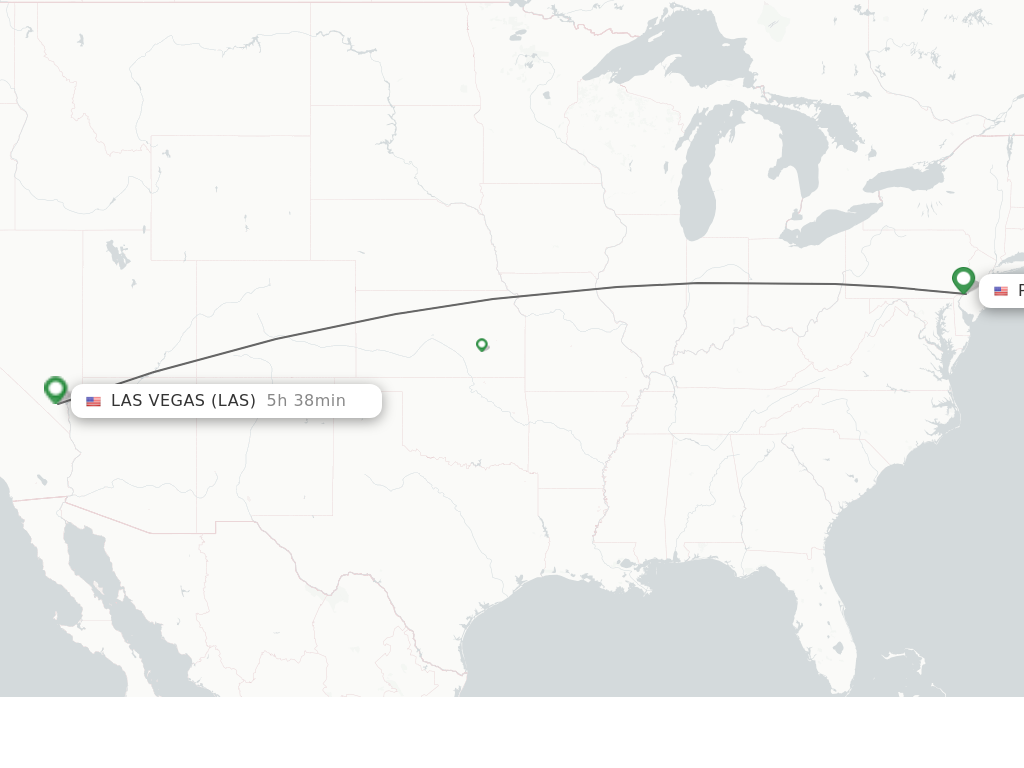
On average, a direct flight between Philadelphia and Las Vegas spans approximately 5 hours and 30 minutes to 5 hours and 45 minutes. This duration is calculated from the moment the aircraft leaves the gate at PHL until it arrives at LAS. It’s important to note that this is the flight time itself, which excludes the time spent taxiing on the runway before takeoff and after landing, as well as boarding and deplaning.
Factors Affecting Direct Flight Length
Several factors can subtly alter the duration of a direct flight:
- Jet Streams: The prevailing upper-level winds, known as jet streams, play a significant role in flight times. Traveling eastbound, flights often benefit from tailwinds, reducing flight duration. Conversely, westbound flights, such as this one from Philadelphia to Las Vegas, typically encounter headwinds that can add a few extra minutes to the journey.
- Aircraft Type: The specific model of the aircraft used by the airline can also influence speed. Larger, more modern jets are often capable of higher cruising speeds, potentially shortening the flight time compared to older or smaller aircraft.
- Air Traffic Control: Air traffic control (ATC) commands flights to maintain specific speeds and altitudes for safety and efficiency. Variations in ATC instructions, particularly during busy periods, can lead to minor adjustments in flight duration.
- Weather Conditions: While direct flights aim for minimal interference, significant weather events along the flight path or at either airport can necessitate rerouting or slower speeds, impacting the overall time.
Flights with Layovers
While direct flights are often preferred, flights with one or more layovers are common, especially for those seeking more affordable ticket prices or more flexible travel dates. These journeys offer opportunities to break up the travel and perhaps explore a different city briefly.
Typical Layover Durations and Locations
Flights from Philadelphia to Las Vegas with layovers typically involve stops in major hubs. Common layover cities include:
- Chicago O’Hare International Airport (ORD)
- Denver International Airport (DEN)
- Dallas/Fort Worth International Airport (DFW)
- Atlanta Hartsfield-Jackson International Airport (ATL)
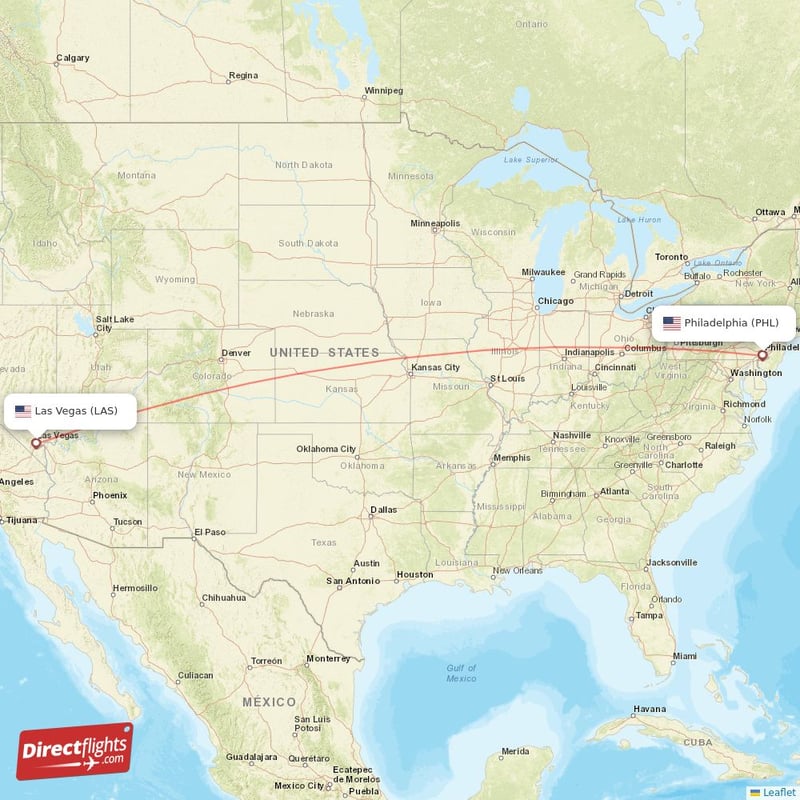
The length of a layover can vary drastically, from a quick 45-minute connection to several hours. These periods are critical for passengers to disembark, navigate the connecting airport, and re-board their next flight.
Total Travel Time Considerations
When factoring in layovers, the total travel time from leaving Philadelphia to arriving in Las Vegas can significantly increase. A flight with one layover could range from 7 to 10 hours or more, depending on the duration of the stop. Longer layovers, sometimes chosen to allow for a meal break or a brief exploration of the layover city (though this requires careful planning and adherence to airport rules), can extend the total journey to 12 hours or even longer.
It’s essential for travelers booking flights with layovers to meticulously check the total travel time, including the layover duration, to ensure it aligns with their schedule and preferences. Sometimes, a slightly more expensive direct flight might be a better value when considering the overall time commitment.
Planning Your Journey: Beyond the Flight Time
Understanding flight duration is only one piece of the puzzle when planning your trip from Philadelphia to Las Vegas. Several other aspects are crucial for a smooth and enjoyable travel experience.
Airport Procedures and Timing
- Arrival at PHL: For domestic flights, it is generally recommended to arrive at Philadelphia International Airport at least 2 hours before your scheduled departure. This allows ample time for parking or transportation to the terminal, check-in, security screening, and navigating to your gate.
- Security Screening: Security lines at PHL can vary in length depending on the time of day, day of the week, and passenger volume. Consider enrolling in programs like TSA PreCheck to expedite this process if you are a frequent flyer.
- Boarding: Boarding typically begins 30 to 45 minutes before the scheduled departure time. Being at your gate before boarding commences ensures you have adequate time to settle in.
- Arrival at LAS: Upon arrival at McCarran International Airport, allow time for deplaning, collecting any checked luggage from baggage claim, and proceeding to ground transportation. This can take anywhere from 15 minutes to over an hour.
Time Zone Differences
A significant factor in the perceived duration of your journey is the time zone change. Philadelphia is in the Eastern Time Zone (ET), while Las Vegas is in the Pacific Time Zone (PT). There is a 3-hour difference, with Las Vegas being 3 hours behind Philadelphia.
This means that when you depart from Philadelphia at 10:00 AM ET, it will be 7:00 AM PT in Las Vegas. Consequently, a 5.5-hour flight will land in Las Vegas at approximately 12:30 PM PT, even though 5.5 hours have passed since your departure time in Philadelphia. This time difference can impact your initial day’s activities and your body’s internal clock as you adjust.
Booking and Preparation Tips
- Compare Airlines: Utilize flight comparison websites to explore options from various carriers, including American Airlines, United Airlines, Delta Air Lines, and Southwest Airlines, which often operate routes between these cities.
- Flexibility: If your travel dates are flexible, consider flying mid-week or during the off-peak season for potentially lower fares and shorter flight durations due to less air traffic.
- Baggage Policies: Be aware of each airline’s baggage allowance and fees, as these can add to the overall cost of your trip.
- Entertainment and Comfort: For longer flights, particularly those with layovers, pack essentials like books, downloaded movies, noise-canceling headphones, and a neck pillow to enhance your comfort.
By carefully considering flight durations, layover options, airport procedures, and time zone adjustments, you can effectively plan your travel from the historic streets of Philadelphia to the electrifying energy of Las Vegas, ensuring a seamless transition into your desert adventure.
LifeOutOfTheBox is a participant in the Amazon Services LLC Associates Program, an affiliate advertising program designed to provide a means for sites to earn advertising fees by advertising and linking to Amazon.com. Amazon, the Amazon logo, AmazonSupply, and the AmazonSupply logo are trademarks of Amazon.com, Inc. or its affiliates. As an Amazon Associate we earn affiliate commissions from qualifying purchases.