
Embarking on a trout fishing adventure in California offers an unparalleled experience, blending the thrill of the catch with the breathtaking beauty of the state’s diverse landscapes. However, successfully planning such a trip hinges on understanding the nuances of “trout season” – a dynamic calendar shaped by geography, conservation efforts, and specific water body regulations. Far from a single, statewide opening and closing, California’s trout season is a complex tapestry, inviting anglers to explore different regions at various times of the year. This guide delves into the essential information needed to navigate these seasons, ensuring a rewarding travel experience for both novice and seasoned anglers.

Navigating California’s Diverse Trout Seasons
At its core, California’s trout fishing calendar is broadly divided into two main categories: the “General Trout Season” and “Year-Round Waters.” The General Trout Season typically commences on the last Saturday in April and concludes on November 15th. This period governs most of the state’s natural lakes, rivers, and streams, particularly those at higher elevations where winter conditions make fishing impractical and where wild trout populations require protection during spawning periods.
However, many lower-elevation lakes, reservoirs, and specific stretches of rivers operate under “Year-Round” regulations. These waters are often heavily stocked by the California Department of Fish and Wildlife (CDFW), providing continuous angling opportunities. The rationale behind these varying seasons is rooted in conservation, aiming to protect native trout species during crucial breeding cycles and ensure sustainable fish populations for future generations of anglers. Understanding which category a particular fishing destination falls into is the first critical step in planning your trip.
Key Regions and Their Unique Fishing Calendars
The sheer size and ecological diversity of California mean that trout seasons can vary dramatically from one region to another. Each area offers distinct fishing experiences, influenced by climate, water sources, and the predominant trout species.
The Majestic Sierra Nevada Mountains
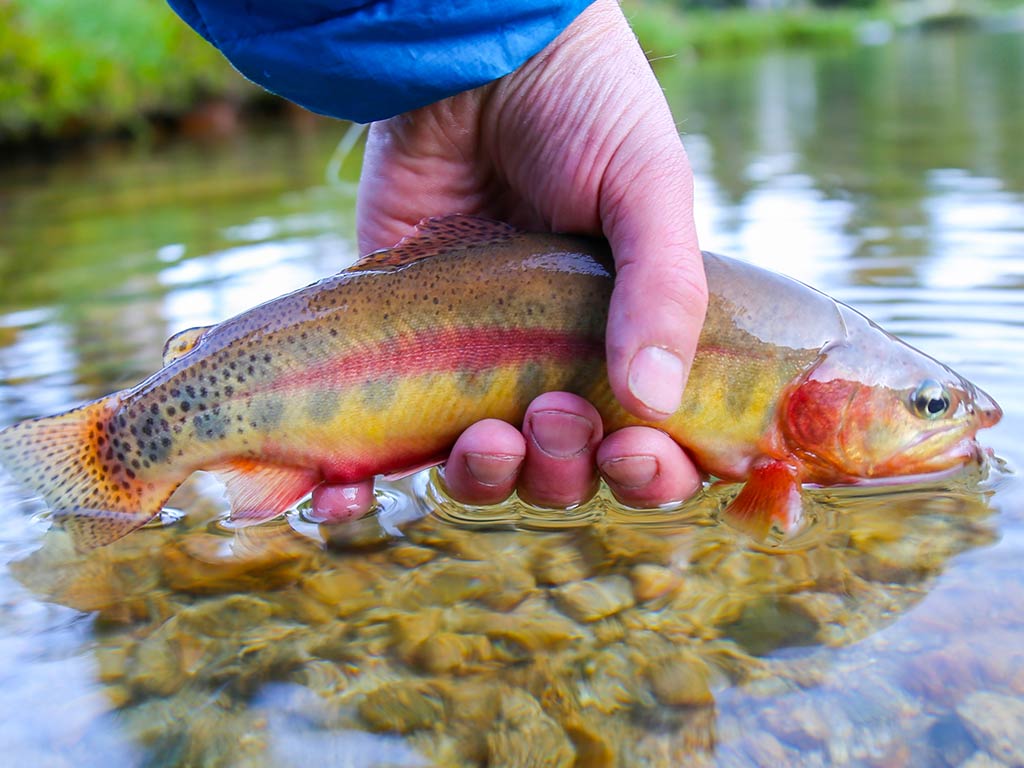
The Sierra Nevada Mountains are arguably California’s trout fishing crown jewel. Home to pristine alpine lakes, roaring rivers, and the iconic Golden Trout, this region largely adheres to the General Trout Season. Due to heavy snowpack, many high-elevation lakes and streams are inaccessible until late spring or early summer, even after the official opener.
- Eastern Sierra: Often considered the epicenter of trout fishing, the Eastern Sierra boasts renowned destinations like the Owens Valley, Mammoth Lakes area, and the Bishop region. Here, the season typically runs from the last Saturday in April to November 15th. Early season (May-June) offers excellent stream fishing as snowmelt subsides, while summer (July-August) opens up higher alpine lakes. Fall (September-November) provides spectacular scenery and productive fishing for larger trout in preparation for winter.
- Lake Tahoe Region: Straddling the California-Nevada border, Lake Tahoe itself offers year-round fishing for its deep-water inhabitants like Lake Trout (Mackinaw) and Lahontan Cutthroat Trout. However, the numerous feeder streams and smaller lakes in the surrounding high country typically follow the General Trout Season.
- Yosemite National Park: Within Yosemite National Park, fishing regulations are specific and strictly enforced. Most waters follow the General Trout Season, but anglers must consult the National Park Service guidelines in addition to state regulations. It’s primarily a catch-and-release experience in many areas to preserve wild populations.
Northern California’s River Systems
Northern California is defined by its powerful river systems, which provide diverse trout and steelhead fishing opportunities. Many of these rivers, particularly their lower stretches, offer year-round fishing for certain species, albeit with specific gear restrictions or catch-and-release mandates.
- Trinity River: Famous for its Steelhead runs, the Trinity River offers year-round fishing for migratory species in specific sections, with special regulations often applying to general trout species during the traditional opener.
- Klamath River: Another renowned steelhead fishery, the Klamath River also features sections with year-round access for specific species, while resident trout populations may adhere to seasonal closures further upstream.
- Sacramento River: The Sacramento River, particularly its famous “Lower Sac” section near Redding, is a prime example of a productive year-round fishery for wild Rainbow Trout. Its cold, consistent water flows from Shasta Lake provide an ideal habitat, attracting anglers seeking quality fishing even outside the general season.
Southern California Lakes and Reservoirs
In contrast to the high country, Southern California‘s trout fishing largely revolves around stocked lakes and reservoirs. These waters are typically open for fishing year-round, with the best trout action occurring during the cooler months when water temperatures are more favorable.
- Stocked Fisheries: Lakes such as Lake Hemet, Lake Skinner, and various municipal lakes are regularly stocked with hatchery-raised Rainbow Trout. The peak season for these waters usually runs from late fall through early spring, offering consistent opportunities for anglers, especially families and those new to the sport. Summer fishing can be challenging as surface water temperatures rise, pushing trout into deeper, cooler zones.
Coastal Streams
Coastal streams in California present a unique and often highly regulated fishing environment, primarily focused on anadromous species like Steelhead. These fisheries often have extremely specific, short seasons and strict catch-and-release rules to protect sensitive populations. Anglers must consult local regulations with extreme care before planning a trip to these waters.
Essential Regulations and Licensing for Anglers
Regardless of where or when you plan to fish, adhering to California’s fishing regulations is paramount. Non-compliance can result in significant fines and impact conservation efforts.
California Fishing License
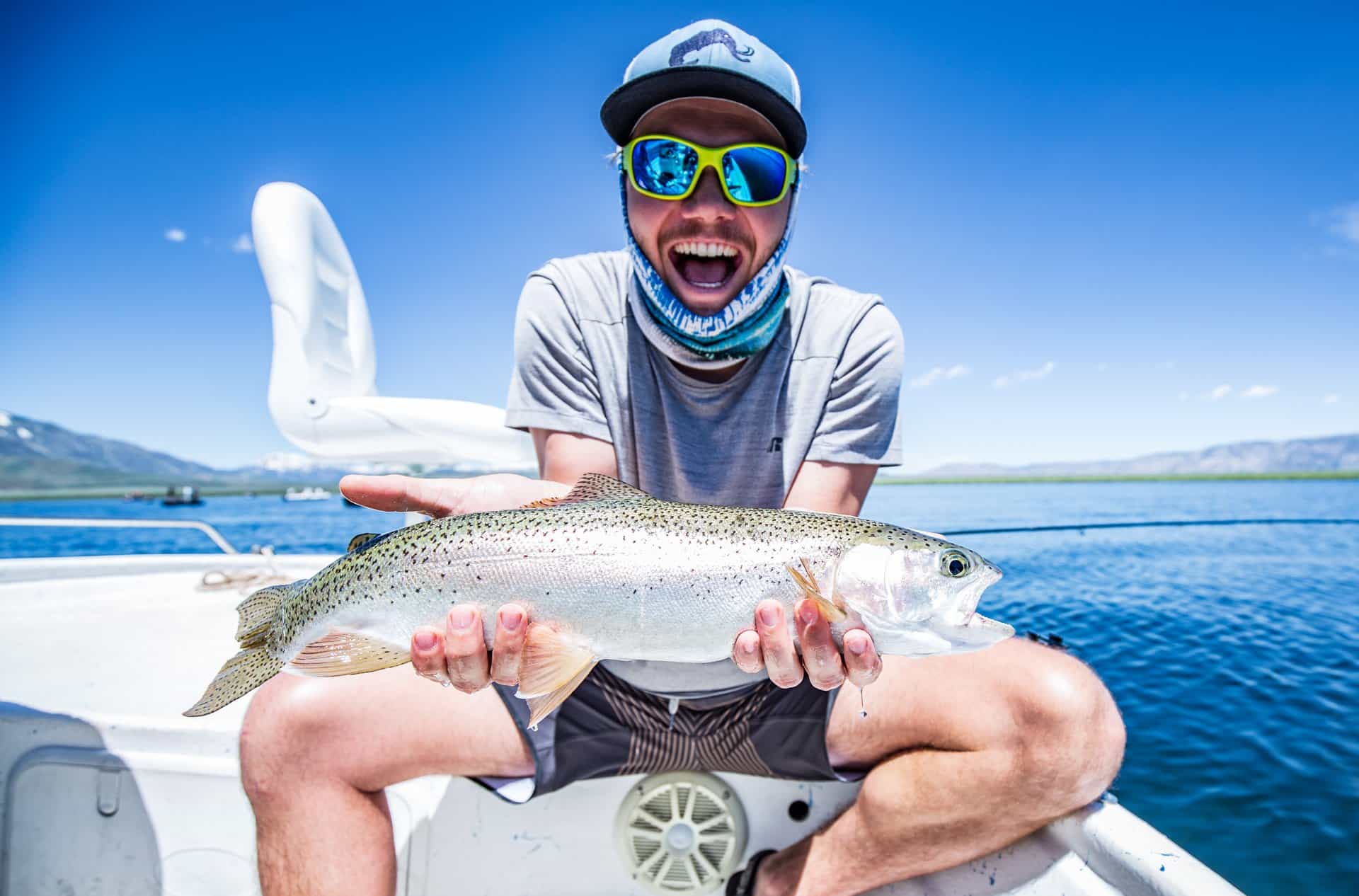
Every angler 16 years of age or older must possess a valid California fishing license. These can be purchased online through the CDFW website, at licensed tackle shops, sporting goods stores, or designated CDFW offices. Consider purchasing a full-year license if you plan multiple trips, or a short-term license (one-day or two-day) for a single outing.
Understanding the Regulations Booklet
The CDFW publishes an annual “Freshwater Sport Fishing Regulations” booklet. This document is your ultimate authority on seasons, bag and possession limits, size restrictions, gear restrictions (e.g., barbless hooks, artificial lures only), and special closures for every water body in the state. It’s crucial to obtain the most current booklet or access its digital version online, as regulations can change year to year. Pay particular attention to section-specific rules, as even different stretches of the same river can have unique regulations.
Species-Specific Rules
While this guide focuses on general trout seasons, it’s important to remember that regulations can vary by specific trout species, such as Rainbow Trout, Brown Trout, Brook Trout, and especially the federally protected Lahontan Cutthroat Trout or native Golden Trout. Always identify your catch and confirm it complies with local regulations before retaining it.
Planning Your California Trout Fishing Adventure
With an understanding of the diverse seasons and regulations, you can now meticulously plan your ideal trout fishing travel experience.
Choosing Your Season and Destination
Your choice of season often dictates your destination. If you dream of solitude amidst towering peaks and wild trout, target the Sierra Nevada Mountains from late spring through fall. For year-round angling opportunities with consistent action, the lower Sacramento River or Southern California stocked lakes are excellent choices. Early season (April-June) often means higher water flows and more active fish, while late season (September-November) can offer cooler temperatures, fewer crowds, and larger, aggressive fish feeding before winter.
Essential Gear and Preparation
A successful fishing trip involves proper preparation. Beyond your fishing license, consider the following:
- Rods and Reels: Match your gear to your target species and water type. Lighter outfits for small streams, heavier for large rivers or lake trolling.
- Tackle: A variety of lures, flies, or bait depending on regulations and target species.
- Waders and Boots: Essential for accessing prime spots in rivers and streams, providing warmth and protection.
- Layered Clothing: California’s weather can be unpredictable, especially in the mountains. Dress in layers to adapt to temperature changes.
- Sun Protection: Hat, sunglasses, and sunscreen are vital for long days on the water.
- Safety Gear: First-aid kit, whistle, knife, and knowledge of local hazards.
Hiring a Guide and Accommodation Logistics
For those new to a region or seeking to maximize their success, hiring a local fishing guide can be an invaluable investment. Guides provide expert knowledge of current conditions, effective techniques, and access to prime fishing spots. They often supply specialized gear and can navigate complex regulations.
When considering travel logistics, plan your accommodation well in advance, especially during peak season in popular areas like the Eastern Sierra or near Lake Tahoe. Options range from rustic campgrounds and RV parks to comfortable hotels and vacation rentals in nearby towns. Many fishing destinations are also gateways to other outdoor activities, allowing you to combine your angling trip with hiking, photography, or sightseeing.
Respecting the Environment
Responsible angling is a cornerstone of sustainable travel. Practice “Leave No Trace” principles by packing out all trash, minimizing your impact on stream banks, and respecting wildlife. Adhere strictly to catch limits, consider catch-and-release to preserve populations, and properly dispose of fish waste. By being a thoughtful steward of California’s natural resources, you contribute to the longevity of its incredible trout fisheries for generations to come.
Beyond the Catch: Experiencing California’s Natural Beauty
A trout fishing trip in California is more than just the pursuit of fish; it’s an immersive journey into some of the most stunning natural environments in North America. The act of patiently casting a line allows for a deeper connection with the serene forests, rugged mountains, and crystal-clear waters that define the state. Travelers can combine their angling pursuits with scenic drives through national parks, challenging hikes to remote alpine lakes, or simply enjoying the tranquility of a riverside campsite. From the dramatic vistas of the Sierra Nevada Mountains to the verdant canyons of Northern California’s rivers, the quest for trout becomes an unforgettable travel experience, enriched by the unparalleled beauty that surrounds every cast.
LifeOutOfTheBox is a participant in the Amazon Services LLC Associates Program, an affiliate advertising program designed to provide a means for sites to earn advertising fees by advertising and linking to Amazon.com. Amazon, the Amazon logo, AmazonSupply, and the AmazonSupply logo are trademarks of Amazon.com, Inc. or its affiliates. As an Amazon Associate we earn affiliate commissions from qualifying purchases.