
Planning a trip to the theme park capital of the world, Orlando, often involves meticulous coordination, from flight times to park schedules and dining reservations. A fundamental piece of this puzzle, and one that can significantly impact your travel experience, is understanding the local time. For visitors hailing from different corners of the globe or even other parts of the United States, knowing the precise time in Orlando, Florida, is not just a matter of curiosity, but a crucial element for seamless travel.
Understanding Florida’s Time Zone: Eastern Standard Time
At its core, Orlando operates within the Eastern Time Zone. This means that for the majority of the year, Orlando observes either Eastern Standard Time (EST) or Eastern Daylight Time (EDT), depending on the season.
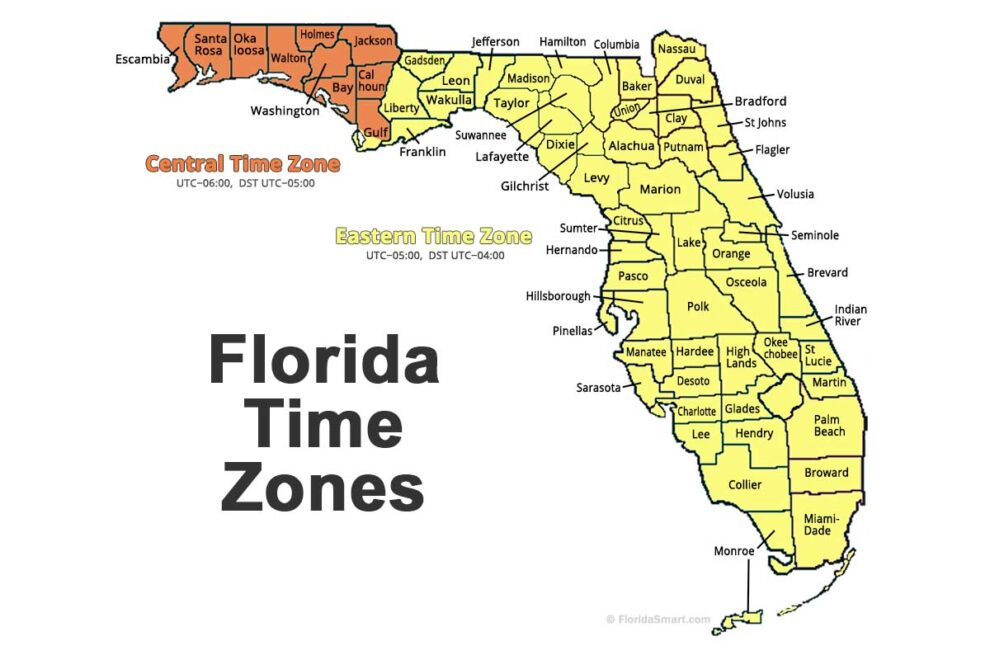
Eastern Standard Time (EST) vs. Eastern Daylight Time (EDT)
Eastern Standard Time (EST) is observed during the fall and winter months. It is five hours behind Coordinated Universal Time (UTC-5). This period typically runs from early November to mid-March. When the clocks ‘fall back,’ Orlando shifts to EST.
Conversely, Eastern Daylight Time (EDT) comes into effect during the spring and summer. This period, which aligns with Daylight Saving Time, sees the clocks ‘spring forward’ by one hour, making it four hours behind Coordinated Universal Time (UTC-4). This change typically occurs in mid-March and reverts in early November. This adjustment ensures that residents and visitors alike can enjoy longer daylight hours, particularly beneficial for outdoor activities and evening entertainment at the city’s numerous attractions.
It’s important to note that while the vast majority of Florida adheres to the Eastern Time Zone (including the entire peninsula bordered by the Atlantic Ocean and the Gulf of Mexico), a small portion of the Florida Panhandle to the west observes the Central Time Zone (CT). However, for anyone traveling to Orlando, this distinction is largely irrelevant as Orlando firmly remains in the Eastern Time Zone year-round. Therefore, when you ask “What time is it in Orlando?”, you’ll always be dealing with either EST or EDT.
Navigating Time Differences for Your Orlando Trip
The importance of knowing the exact time in Orlando extends far beyond simply setting your watch. It’s a critical factor in managing your personal well-being, coordinating logistics, and ensuring smooth communication throughout your journey.
Managing Jet Lag
For international travelers, or even those crossing several time zones within the United States, jet lag can be a significant hurdle. Understanding the time difference to Orlando prior to departure allows for proactive strategies to mitigate its effects.
- Gradual Adjustment: Begin adjusting your sleep schedule a few days before your trip by incrementally shifting your bedtime closer to Orlando’s local time.
- Hydration: Stay well-hydrated before, during, and after your flight to combat dehydration, which can worsen jet lag symptoms.
- Sunlight Exposure: Upon arrival, expose yourself to natural light during the day to help reset your internal clock. Avoid excessive napping, and try to stay awake until a reasonable local bedtime.
- Meal Times: Align your meal times with local Orlando mealtimes as soon as possible, as this also plays a role in regulating your circadian rhythm.
Coordinating with Locals and Bookings
Every aspect of your trip, from your arrival to your departure, is governed by local time.
- Flights and Arrivals: Your flight arrival and departure times will always be listed in local time. Ensure your personal devices are updated to Orlando time upon landing to avoid confusion for airport transfers or rental car pickups.
- Hotel Check-ins: Most hotels, resorts, and vacation rentals in Orlando have standard check-in times, often around 3:00 PM or 4:00 PM local time. Being aware of the time difference helps you plan your arrival accordingly, minimizing wait times or unexpected charges for early check-in.
- Dining Reservations: Orlando boasts an incredible culinary scene, and many popular restaurants, especially those within or near theme parks, require reservations. Confirming your reservation times in Orlando local time is paramount to avoid missing out on sought-after dining experiences.
- Theme Park Entry: The world-renowned theme parks like Walt Disney World Resort and Universal Orlando Resort operate on strict schedules. Early entry perks or scheduled ride access (like Disney Genie+ or Universal Express) are time-sensitive. A clear understanding of the local time is essential for maximizing your park days.
Communicating Back Home
Maintaining contact with family and friends in different time zones is another consideration. Before making calls or sending messages, a quick check of the time difference can prevent untimely interruptions and ensure effective communication. Many smartphones offer world clock features that display multiple time zones simultaneously, making this easier than ever.
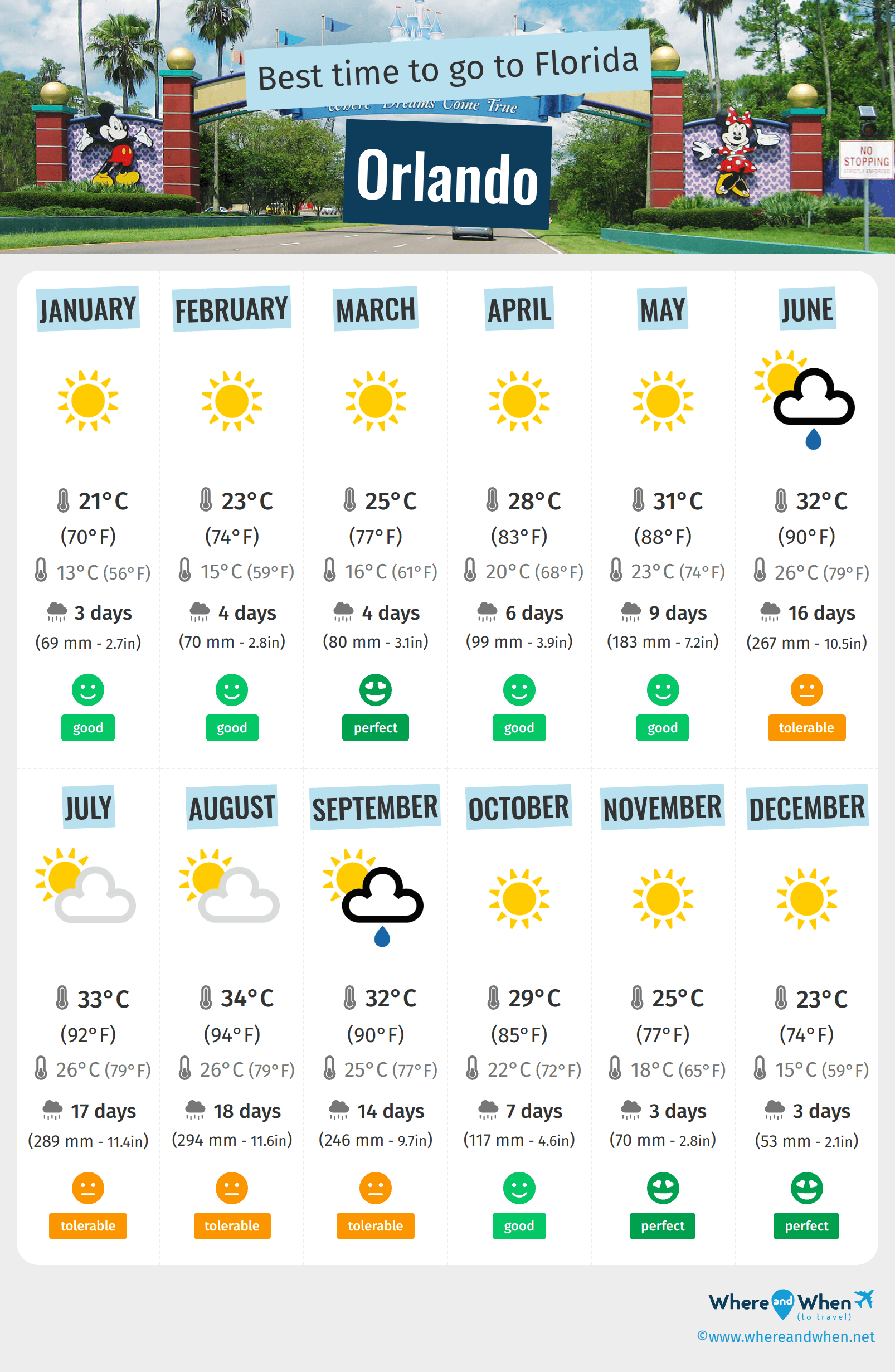
Optimizing Your Orlando Itinerary with Time in Mind
Successfully navigating the time in Orlando allows you to meticulously craft an itinerary that makes the most of every moment in this bustling destination. Time management, informed by the local clock, becomes a powerful tool.
Theme Park Strategies
The magic of Orlando’s theme parks is often best experienced with a solid time-based strategy.
- Rope Drop Advantage: Arriving at the park gates well before opening (often referred to as ‘rope drop’) is a common strategy to experience popular attractions with minimal wait times. This requires a precise understanding of the park’s opening time, which can fluctuate slightly by day and season. For example, knowing if Magic Kingdom opens at 8:00 AM or 9:00 AM local time can dictate whether you’re among the first on Seven Dwarfs Mine Train.
- Operating Hours: Park operating hours are seasonal and can change based on projected crowd levels or special events. Always check the official websites for Walt Disney World Resort or Universal Orlando Resort for the most up-to-date schedule. Late-night park hours during peak seasons can be an excellent opportunity to enjoy attractions with fewer crowds, provided you’ve managed your energy and time throughout the day.
- Shows and Parades: Many iconic shows and parades, like Disney’s Festival of Fantasy Parade or Universal’s Cinematic Celebration, occur at specific times. Planning your route and meal breaks around these events using Orlando local time ensures you don’t miss out.
Dining and Entertainment
Beyond the theme parks, Orlando offers a vibrant array of dining and entertainment options, all operating on Eastern Time.
- Restaurant Bookings: Whether it’s a character breakfast at Chef Mickey’s or a gourmet dinner in Disney Springs, booking times are critical. Popular spots fill up quickly, often months in advance.
- Evening Shows: From the Cirque du Soleil show at Disney Springs to the numerous dinner shows across the city, these events have fixed start times. Arriving punctually ensures you get the best seats and don’t miss any part of the performance.
- Nightlife: Areas like ICON Park and the bars along International Drive have varying closing times. Knowing the local time helps you plan your evening activities without feeling rushed.
Beyond the Parks
Orlando offers much more than just theme parks. These other attractions also adhere to specific operating hours.
- Nature and Wildlife: Tours like Boggy Creek Airboat Adventures often have scheduled departure times, especially for sunset or specialty tours.
- Shopping: The premium outlets, such as Orlando Premium Outlets, have distinct opening and closing hours. Factor these into your itinerary, especially if you plan to combine shopping with other activities.
- Day Trips: A popular day trip destination is the Kennedy Space Center Visitor Complex. Located about an hour east of Orlando, it operates on the same Eastern Time Zone but requires careful time planning due to its vast size and numerous exhibits and scheduled events, such as shuttle launch viewing opportunities.
Practical Tools and Tips for Time Management on the Go
In the modern travel landscape, technology is your best ally for keeping track of time. Leveraging these tools can make your Orlando trip stress-free and enjoyable.
Essential Apps and Devices
- Smartphones: Your smartphone is arguably the most valuable tool. Most phones automatically update to the local time zone upon arrival, provided location services are enabled. Utilize the world clock feature to monitor your home time zone alongside Orlando’s time.
- World Clock Apps: Dedicated world clock apps offer more advanced features, such as meeting planners that help you find optimal call times across multiple time zones.
- Smartwatches: Smartwatches connected to your smartphone will also automatically adjust, providing a convenient glanceable display of the local time on your wrist.
- Travel Itinerary Apps: Many travel planning apps allow you to input your itinerary with specific times, automatically converting them to the local time of your destination.
Pre-Trip Planning
Before you even step foot on the plane, take a few minutes to prepare for the time change.
- Manual Adjustment: If you use a traditional watch, change its time to Orlando’s time before you depart. This helps your brain start adjusting and avoids confusion upon arrival.
- Flight Information: Double-check all flight departure and arrival times, ensuring you understand whether they are listed in local time for the origin or destination. Most airlines specify this.
- Booking Confirmations: Review all hotel, dining, and attraction booking confirmations, paying close attention to the specified times.

On-Site Verification
Even with all the planning, it’s always wise to verify times once you’re on the ground in Orlando.
- Park Schedules: Always check the official theme park apps or physical park maps for the most current operating hours, showtimes, and parade schedules. These can change daily.
- Reception Desks: Your hotel’s reception desk can confirm local time and any upcoming time zone changes (like the shift to or from Daylight Saving Time) that might occur during your stay.
- Public Clocks: Glance at any public clocks you encounter, especially in airports or hotel lobbies, as a quick verification.
By understanding that Orlando observes the Eastern Time Zone, alternating between Eastern Standard Time and Eastern Daylight Time, travelers can equip themselves with the knowledge to plan a more efficient, enjoyable, and stress-free trip. Time is a precious commodity, especially on vacation, and mastering its nuances in your destination ensures you capture every magical moment Orlando has to offer.
LifeOutOfTheBox is a participant in the Amazon Services LLC Associates Program, an affiliate advertising program designed to provide a means for sites to earn advertising fees by advertising and linking to Amazon.com. Amazon, the Amazon logo, AmazonSupply, and the AmazonSupply logo are trademarks of Amazon.com, Inc. or its affiliates. As an Amazon Associate we earn affiliate commissions from qualifying purchases.