
For many planning a trip to the sun-drenched beaches or vibrant cities of Florida, the thought of encountering potentially dangerous wildlife can sometimes creep into pre-trip excitement. Among the common concerns for visitors and new residents alike is the presence of the brown recluse spider. Known for its potent venom and distinctive “fiddle” marking, the brown recluse carries a formidable reputation. Understanding the actual risks, particularly within the context of Florida’s unique ecosystems, is crucial for any traveler seeking a safe and enjoyable experience. This guide aims to provide clarity on the presence of these spiders in the Sunshine State and equip you with practical knowledge for navigating its diverse natural environment.
The Truth About Brown Recluse Spiders in Florida
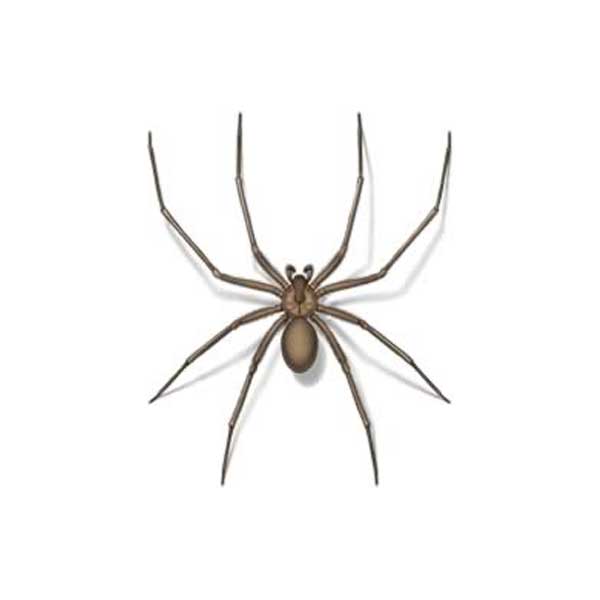
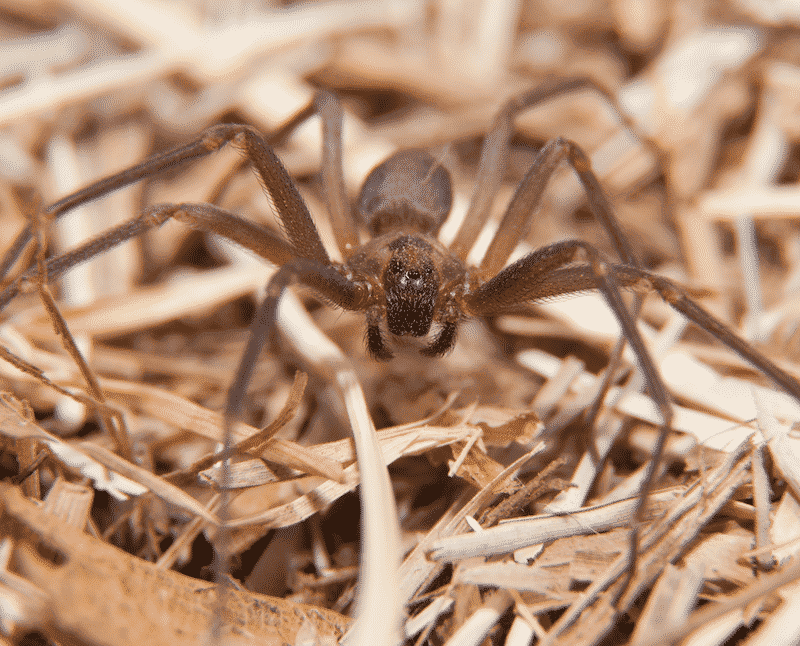
Despite widespread misconceptions and anecdotal reports, the brown recluse spider (scientific name: Loxosceles reclusa) is not native or established in Florida. This is a fact consistently affirmed by entomologists and pest control experts. The native range of the brown recluse primarily extends across the Midwest and South Central United States, reaching as far east as parts of Georgia and North Carolina, but stopping short of Florida.
How, then, do stories of brown recluse sightings in Florida persist? There are a few key reasons. Firstly, occasional, isolated instances of a brown recluse being inadvertently transported to Florida via moving boxes, luggage, or freight do occur. However, these are extremely rare occurrences and do not signify an established population. These individual spiders are unlikely to survive long-term or reproduce successfully in the Sunshine State’s climate, which differs significantly from their preferred habitats.
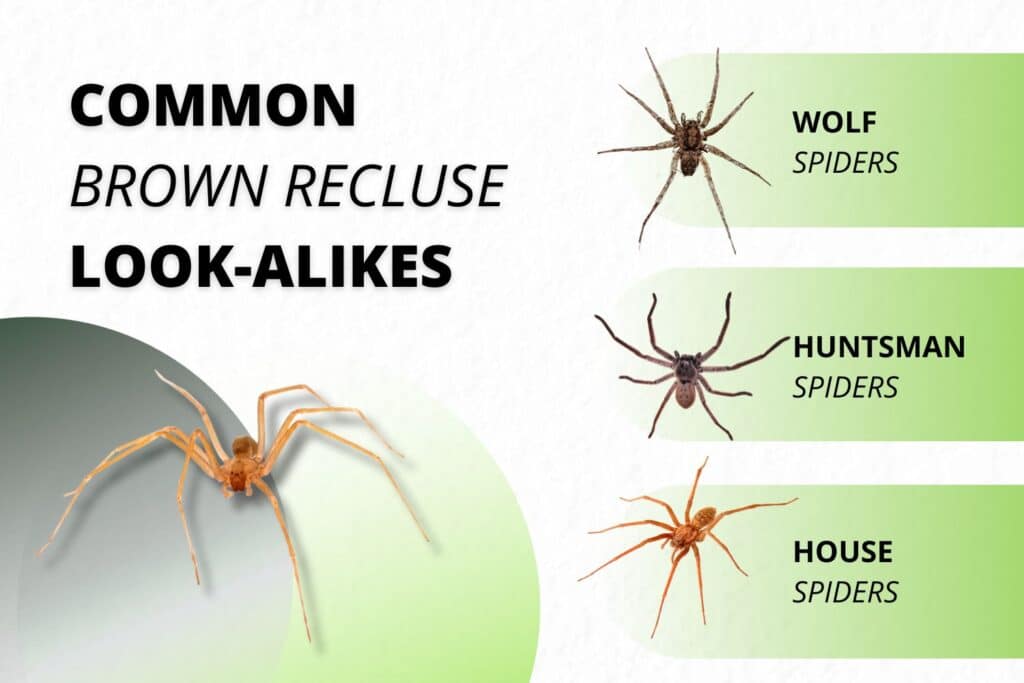
Secondly, and more commonly, many other spiders found in Florida are frequently misidentified as brown recluse. There are numerous harmless or minimally venomous spiders with brown coloration that can resemble the infamous recluse to an untrained eye. Furthermore, many skin conditions, insect bites, or other medical issues are often mistakenly attributed to a brown recluse bite, leading to exaggerated reports of their presence. Understanding the actual range and characteristics of these spiders is a vital step in enjoying your Florida travel worry-free.
It is worth noting that while the true brown recluse is absent, Florida is home to a relative: the Mediterranean recluse (Loxosceles rufescens). This species is not native but has established populations in certain urban areas. While its venom can cause skin lesions similar to the brown recluse, bites are rare, and the species is far less common and generally less concerning than its more infamous cousin. These spiders are also, as their name suggests, typically found in areas of human habitation and prefer indoor environments.
Identifying Common Florida Spiders (and What NOT to Worry About)
When exploring Florida, you are much more likely to encounter a variety of other spiders. Most of these are harmless to humans, playing a vital role in the ecosystem by controlling insect populations. Familiarizing yourself with some of the common species can help alleviate unwarranted fears and allow you to appreciate the natural diversity.
One common group often mistaken for recluses due to their brown appearance are certain species of Wolf Spiders (Lycosidae family). These are large, hairy, fast-moving spiders that hunt on the ground. They lack the distinctive “fiddle” marking and have a different eye arrangement (eight eyes in three rows). While they can bite if provoked, their venom is not considered medically significant to humans, typically causing only mild, localized pain.
Another frequent sight, particularly in gardens and wooded areas, are Orb Weaver Spiders (Araneidae family), such as the Golden Silk Orb Weaver (or banana spider) and the Spotted Orb Weaver. These spiders are famous for spinning large, intricate webs. They come in various colors and sizes and are generally docile. Their bites are rare and only occur if they are severely threatened, causing minor irritation.
Jumping Spiders (Salticidae family) are small, often colorful spiders known for their excellent eyesight and jerky, pouncing movements. They are harmless to humans and fascinating to observe. Similarly, Cellar Spiders (Pholcidae family), often called “Daddy Long-Legs” (though this name is also used for harvestmen, which are not spiders), are very common indoors. They have long, thin legs and small bodies. Their fangs are too small to penetrate human skin, and their venom is harmless.
The key takeaway for travelers is that while spiders are ubiquitous in Florida’s environment, the vast majority pose no threat. Focusing on enjoying the natural beauty rather than fearing every eight-legged creature will greatly enhance your travel experience.
Real Concerns: Other Critters and Travel Safety in Florida
While the brown recluse is largely a myth in Florida, the Sunshine State does have its share of wildlife that warrants respect and caution. For travelers, understanding these genuine concerns is far more beneficial than worrying about non-existent threats.
The most medically significant spider in Florida is the Black Widow (Latrodectus mactans), specifically the Southern Black Widow. Easily identified by its glossy black body and the distinctive red hourglass marking on its underside, the Black Widow prefers dark, undisturbed areas like woodpiles, sheds, and garages. While bites are rare, especially from unprovoked spiders, their venom can cause muscle pain, nausea, and cramping. Seek medical attention if you suspect a black widow bite.
Beyond spiders, Florida’s unique wetland ecosystems are home to other creatures that require respectful coexistence. Alligators and crocodiles are iconic residents, especially in areas like Everglades National Park and other freshwater bodies. Never feed them, keep a safe distance, and never allow pets or small children to wander unsupervised near water edges. Attacks are rare but almost always preventable through common sense and adherence to park regulations.
Florida also hosts several species of venomous snakes, including the Eastern Diamondback Rattlesnake, Cottonmouth (or water moccasin), and the Coral Snake. These snakes generally avoid human contact and will only strike if threatened. When hiking or exploring natural areas, always watch where you step and place your hands, and wear appropriate footwear. Learning the distinctive patterns of these snakes can be helpful, though the best practice is to simply give all snakes a wide berth.
Finally, mosquitoes and other biting insects are prevalent, particularly in humid areas and during warmer months. While not inherently dangerous, their bites can be annoying and, in some cases, transmit diseases like West Nile virus or Zika. Always use insect repellent, especially during dawn and dusk, and consider wearing long sleeves and pants when in heavily vegetated areas.
Practical Tips for a Worry-Free Florida Trip
Enjoying your Florida travel experience means being prepared, not paranoid. Here are practical tips to minimize encounters with unwanted critters and ensure a safe journey:
Before You Go
- Research Your Destination: Understand the specific wildlife concerns for the particular region of Florida you’re visiting (e.g., Key West has different considerations than the Everglades).
- Pack Appropriately: Include insect repellent, long pants and sleeves for evening outings in natural areas, and sturdy, closed-toe shoes if planning hikes.
During Your Stay
- Shake Out Belongings: Before putting on clothes, shoes, or using towels left on the floor, give them a quick shake to dislodge any lurking insects or spiders. This is a good habit anywhere, not just in Florida.
- Keep Your Living Space Tidy: In hotel rooms or rental properties, keep luggage closed and off the floor, and avoid leaving food out, which can attract pests.
- Mind Your Step and Reach: When hiking or exploring natural areas, watch where you walk and avoid placing hands or feet into dark, unseen crevices, woodpiles, or dense vegetation. Stay on marked trails.
- Respect Wildlife: Never approach or attempt to feed any wild animals. Maintain a respectful distance from alligators, snakes, and other potentially dangerous creatures.
- Use Proper Lighting: When walking at night, especially in dimly lit outdoor areas, use a flashlight to help spot any creatures on paths or near doorways.
- Seal Entry Points: If staying in a rental home, ensure doors and windows are properly sealed to prevent insects from entering. Report any significant gaps to management.
If an Encounter Occurs
- Stay Calm: Most spider bites or insect stings are not serious. Clean the area with soap and water.
- Identify if Possible (Safely): If you are bitten by a spider and can safely capture or photograph it, this can aid medical professionals in identification. However, do not risk further bites.
- Seek Medical Attention: For any suspected black widow bite, snake bite, or if you experience severe symptoms like extreme pain, swelling, difficulty breathing, or allergic reactions, seek immediate medical attention. For general spider bites, if symptoms worsen or cause significant discomfort, consult a doctor.
By understanding the real wildlife considerations in Florida and adopting simple precautionary measures, travelers can confidently immerse themselves in all the beauty and excitement the Sunshine State has to offer, without the unfounded fear of the brown recluse. Your Florida adventure awaits, full of incredible experiences, not unfounded fears.
LifeOutOfTheBox is a participant in the Amazon Services LLC Associates Program, an affiliate advertising program designed to provide a means for sites to earn advertising fees by advertising and linking to Amazon.com. Amazon, the Amazon logo, AmazonSupply, and the AmazonSupply logo are trademarks of Amazon.com, Inc. or its affiliates. As an Amazon Associate we earn affiliate commissions from qualifying purchases.