
Navigating the practicalities of life, even in a sunny destination like Florida, often involves understanding local regulations and best practices. One such common query, particularly for residents or those relocating, revolves around the proper disposal or repurposing of old license plates. Far from being a trivial matter, the handling of an expired or unused license plate carries legal implications, environmental considerations, and even opportunities for creative expression. For anyone looking to understand the nuanced local landscape, knowing the correct channels and imaginative uses for these metal identifiers is a valuable piece of local insight.
The Mandate of Proper License Plate Disposal in Florida
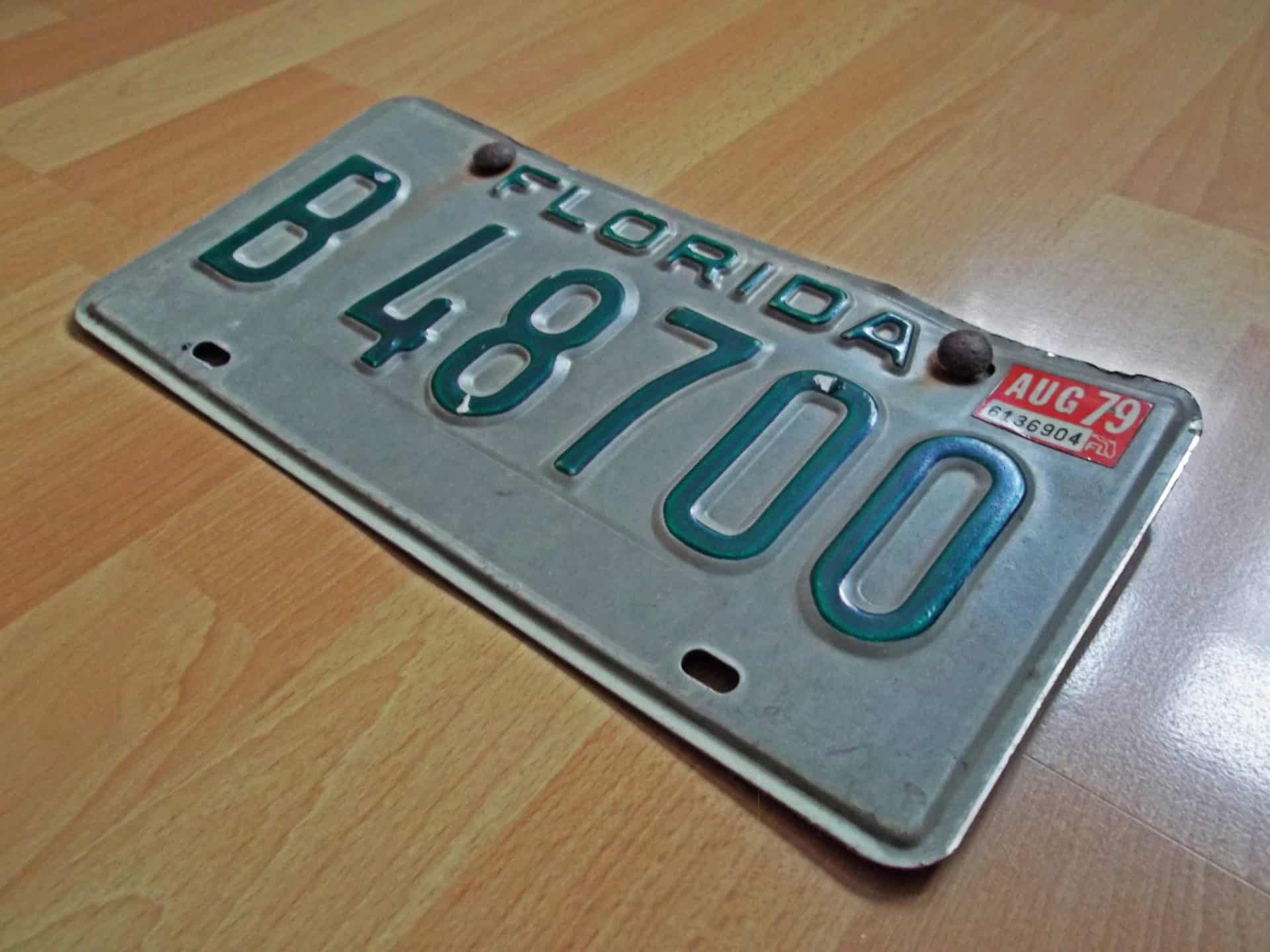
In Florida, a license plate is more than just a piece of metal; it’s a state-issued identification for a vehicle, tied directly to its owner. When a vehicle is sold, transferred, or no longer in use, or when a plate expires and a new one is issued, the old plate enters a state of limbo, requiring proper handling. The primary reason for careful disposal stems from the need to prevent misuse and maintain accurate vehicle records. An improperly disposed plate could theoretically be used fraudulently, leading to potential legal headaches for the original owner.
Understanding Plate Expiration and Deactivation
Florida license plates are typically valid for a period before requiring renewal or replacement. When you renew your vehicle registration, you generally receive a decal to update your existing plate. However, plates themselves have a lifespan, often replaced every few years or upon certain transactions like transferring ownership or moving from out of state. Once a plate is no longer active, meaning it’s not currently registered to a vehicle, it’s considered “old” in the context of needing proper disposal or deactivation. The Florida Department of Highway Safety and Motor Vehicles (DHSMV) maintains stringent records, making proper action crucial to disassociate the plate from your name and avoid any future liabilities. Ignoring this step can lead to complications such as erroneous toll bills or even being linked to vehicles involved in incidents.
Why You Can’t Just Throw It Away
Simply tossing an old license plate into the household trash is not advisable and, in some cases, could be legally problematic. Beyond the potential for fraudulent use, license plates are made of metal, making them unsuitable for regular landfill disposal if recycling options are available. The state wants to ensure that these unique identifiers are officially removed from circulation or accounted for. This safeguard protects both the state’s records and the individual from potential identity theft or misuse associated with their former vehicle identification. Understanding this protective measure is a key insight into local administrative practices.
Official Channels for Plate Return and Recycling
For most residents and former residents of Florida, the most straightforward and legally sound method for dealing with old license plates involves official state channels. These methods ensure that the plate is properly deactivated from state records and, where possible, responsibly recycled.
Surrendering Plates to the DHSMV
The most definitive way to ensure your old license plate is out of circulation is to surrender it directly to the Florida Department of Highway Safety and Motor Vehicles (DHSMV). This can typically be done at any local county tax collector’s office or DHSMV service center. When surrendering a plate, you’ll often receive a receipt as proof that the plate has been returned and deactivated. This receipt is an important document to retain for your records, offering peace of mind and protection against any future disputes. The process is usually quick and free, ensuring compliance with state regulations and severing any remaining ties between you and the plate.
Responsible Recycling through Local Programs
Many local governments and recycling centers across Florida accept old license plates as part of their metal recycling programs. Before dropping off a plate at a recycling facility, it’s highly recommended to first deface the plate to prevent any potential misuse. You can do this by cutting it in half, drilling holes through the numbers, or bending it significantly. While recycling centers won’t officially deactivate the plate in state records, defacing it first ensures that it cannot be illicitly used. Then, it can be added to your regular metal recycling bin or taken to a specific metal recycling facility. This approach aligns with Florida’s broader commitment to sustainability and provides an environmentally conscious alternative to landfill disposal. Always check with your local county’s waste management department (e.g., Miami-Dade County Solid Waste Management or Orange County Utilities) for specific guidelines on metal recycling in your area.
Creative Repurposing: A Glimpse into Local Craft Culture
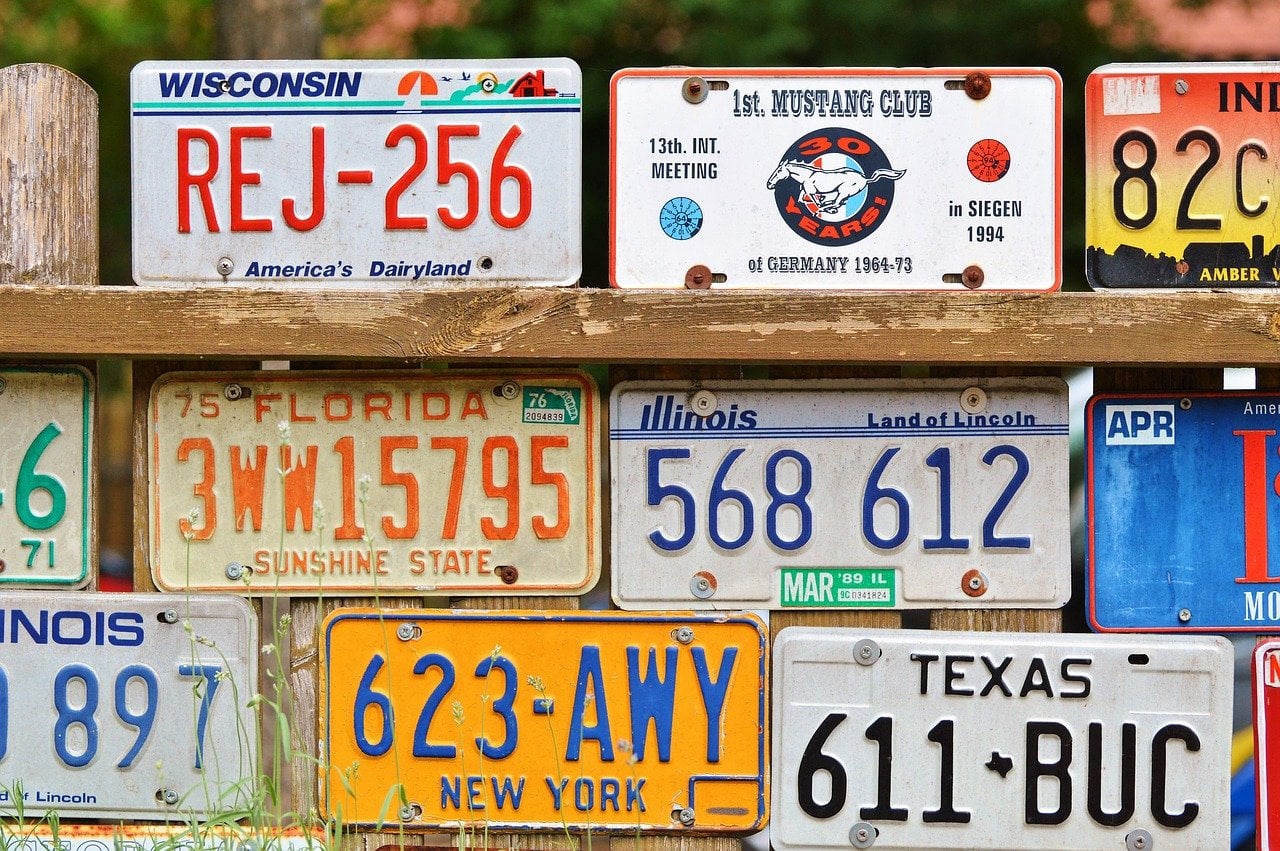
Beyond the official channels, old Florida license plates have found a vibrant second life in the world of arts and crafts. For those with a penchant for DIY projects or an appreciation for unique souvenirs, repurposing these plates can be a fascinating way to preserve a piece of Florida’s automotive history and local culture. This approach not only diverts metal from landfills but also transforms a mundane item into a distinctive piece of art or utility.
Artistic and Decorative Uses
The colorful designs and unique typography of Florida license plates make them ideal for various artistic endeavors. Artists frequently incorporate them into mixed-media sculptures, wall art, or even furniture. Imagine a coffee table adorned with a mosaic of vintage Florida plates, each telling a silent story of journeys taken across the state’s diverse landscapes, from the vibrant streets of Miami to the serene beaches of Sarasota. The plates can be cut, bent, and assembled to create intricate designs, often celebrating Florida’s iconic imagery, such as palm trees, sunrises, or even specific county names like Pinellas County or Lee County. These pieces are often found in local art markets or craft fairs, becoming popular items for both tourists and residents seeking a unique connection to the state.
Craft Projects and Souvenirs
For the everyday enthusiast, old license plates offer endless possibilities for practical and decorative crafts. They can be transformed into key racks, signs for garages or man caves, birdhouses, or even small organizers. Cut into shapes, they can become distinctive coasters or magnets. Some people collect plates from various years or special editions, framing them as nostalgic wall decor. This creative reuse serves as a testament to the ingenuity found within Florida’s local communities, turning what would be waste into cherished keepsakes or functional items. When engaging in such projects, it is imperative to first ensure the plate has been officially deactivated with the DHSMV or is sufficiently defaced to prevent any potential misuse, protecting both your privacy and upholding state regulations.
Legal and Practical Considerations for Repurposing
While the idea of transforming an old license plate into art or a household item is appealing, it’s vital to remain mindful of the associated legal and practical considerations. The primary concern revolves around preventing the plate from being associated with a vehicle or person for whom it is no longer valid.
Safeguarding Against Misuse
Before embarking on any creative project, the most crucial step is to ensure that the plate is officially deactivated with the Florida Department of Highway Safety and Motor Vehicles. Even if you plan to cut it into pieces, confirming its inactive status removes any possibility of it being linked back to you should it be found or recovered in an unexpected manner. If you cannot return it to the DHSMV, physically altering the plate beyond recognition (e.g., cutting it into multiple, distinct pieces or drilling large holes through the numbers) is a necessary safeguard. This proactive measure prevents anyone from attempting to use your old plate illegally, protecting you from potential liabilities like toll violations or worse.
Data Privacy and Personal Information
Although license plates don’t directly display sensitive personal data like social security numbers, they are unique identifiers linked to your vehicle registration history. For collectors or craftspeople dealing with a high volume of plates, it’s worth remembering that each plate represents a past vehicle owner. While the chance of identifying a specific individual from an old, unlinked plate is low, exercising caution aligns with a broader commitment to privacy. When repurposing, focus on the aesthetic and historical value of the plate rather than any implied connection to its past owner. This respectful approach is part of understanding and appreciating the small details that make up the fabric of local life in Florida.
The Broader Context: Sustainability and Local Identity
The question of what to do with old license plates in Florida ultimately touches upon broader themes important to the state’s residents and those interested in its local culture: sustainability and the preservation of identity. By choosing to properly dispose of or creatively reuse these items, individuals contribute to responsible resource management and celebrate a unique facet of Florida’s public life.
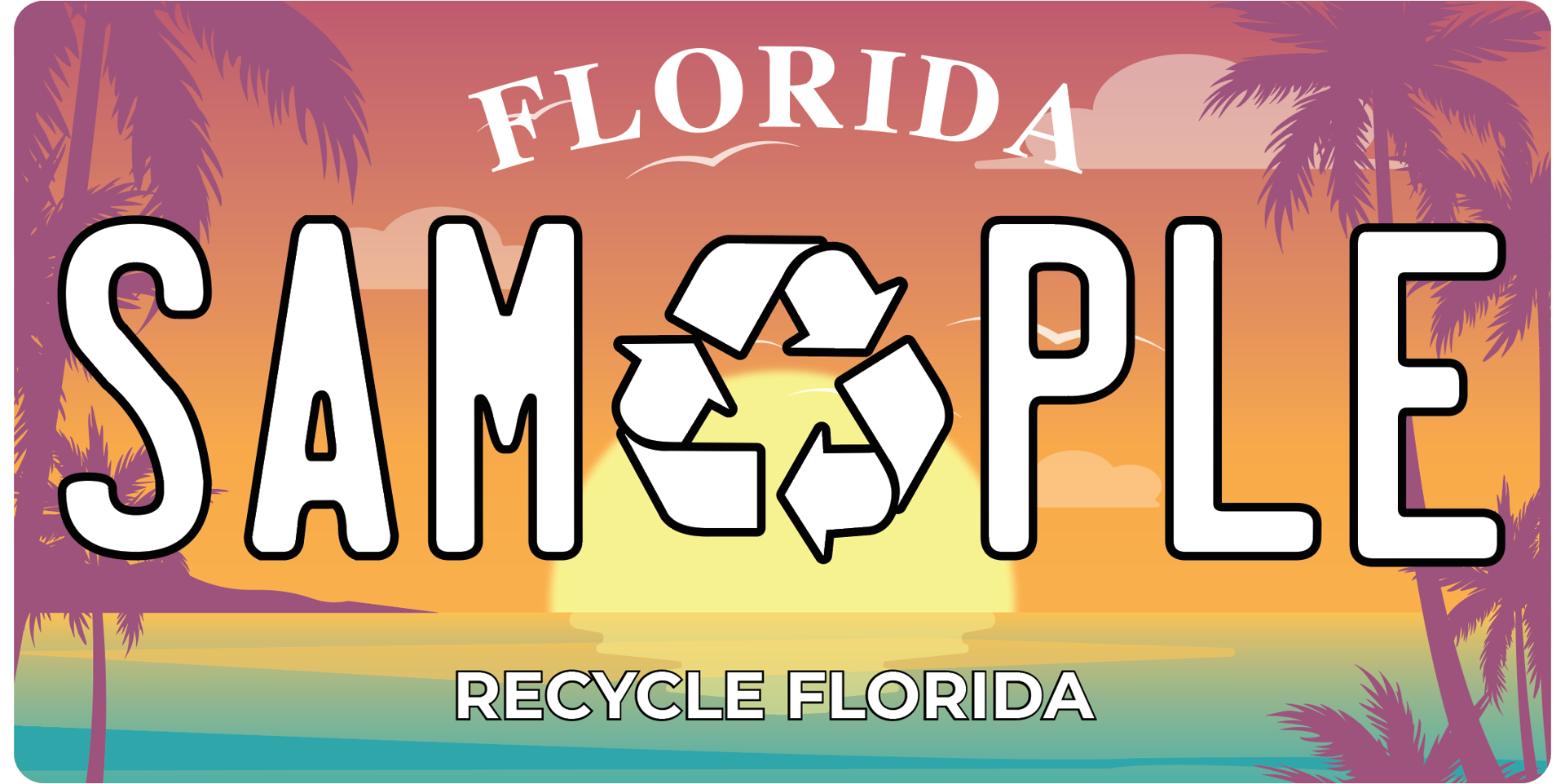
Choosing to recycle plates, whether through official DHSMV programs or local metal recycling centers in places like Jacksonville or Orlando, supports environmental efforts by diverting aluminum and other metals from landfills. This aligns with Florida’s commitment to preserving its natural beauty and resources, a cornerstone of its tourism appeal and quality of life for residents.
Furthermore, the creative repurposing of license plates allows for the tangible preservation of Florida’s visual history. Each plate design, from the “Sunshine State” to various specialty plates supporting causes like sea turtle conservation or state universities, reflects a period or aspect of Florida’s identity. Transforming these into art or functional items allows these pieces of history to continue telling their story, enriching local craft scenes and providing unique souvenirs that truly capture a piece of Florida. Whether opting for official return or artistic transformation, the considered approach to old license plates is a small yet significant way to engage with and contribute to the local culture and environmental ethos of Florida.
LifeOutOfTheBox is a participant in the Amazon Services LLC Associates Program, an affiliate advertising program designed to provide a means for sites to earn advertising fees by advertising and linking to Amazon.com. Amazon, the Amazon logo, AmazonSupply, and the AmazonSupply logo are trademarks of Amazon.com, Inc. or its affiliates. As an Amazon Associate we earn affiliate commissions from qualifying purchases.