
The question of whether Hotel Transylvania is a Disney property is a common one, often stemming from the film franchise’s animated nature and its widespread appeal to families. While the Hotel Transylvania movies have become a beloved part of the modern animation landscape, the answer to this question is a definitive no. Understanding the origins and distribution of the Hotel Transylvania franchise reveals a different studio at its helm, a distinction that doesn’t diminish its success but clarifies its corporate lineage. This exploration will delve into the studio responsible for bringing this monstrously fun hotel to life, its creative journey, and its place within the broader entertainment industry.

The Creative Origins of Hotel Transylvania
The genesis of the Hotel Transylvania saga lies not within the storied walls of The Walt Disney Company, but rather with the innovative minds at Sony Pictures Animation. This animation studio, a subsidiary of Sony Entertainment, has carved out its own niche in the competitive world of animated filmmaking, producing a diverse slate of films that often push creative boundaries.
A Unique Concept Takes Flight
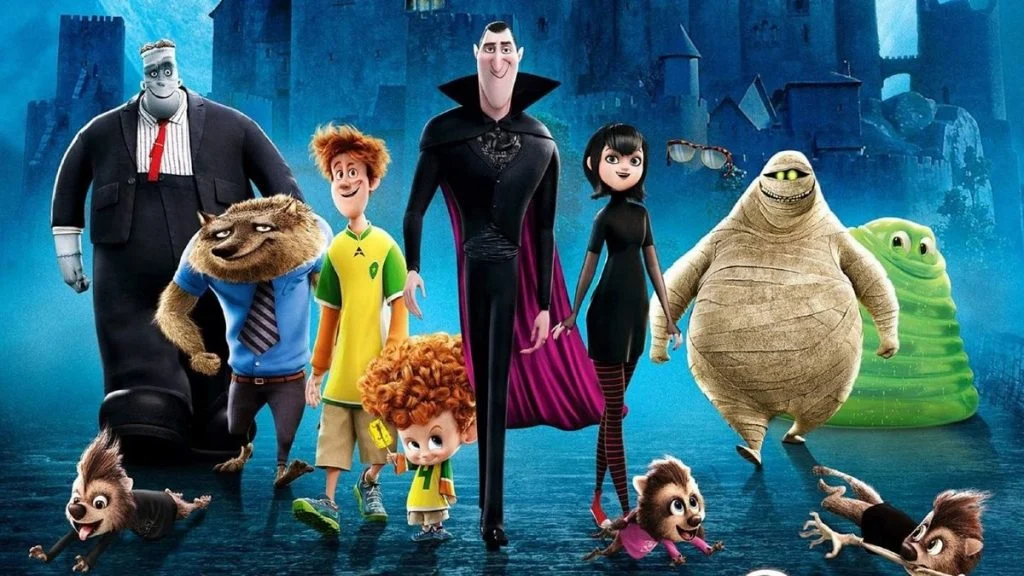
The initial concept for Hotel Transylvania was born from a desire to reimagine classic monsters not as terrifying figures, but as relatable characters navigating everyday problems. Director Genndy Tartakovsky, known for his distinctive visual style and comedic timing, played a pivotal role in shaping the film’s aesthetic and tone. He envisioned a world where monsters, weary of human fear, sought refuge in a lavish, but secluded, resort. This resort, the titular Hotel Transylvania, became the central hub for a vibrant community of supernatural beings, all under the doting, if overprotective, management of Count Dracula.
The success of the first film, released in 2012, can be attributed to several key factors:
- Relatable Characters: Despite their monstrous identities, characters like Dracula, Frankenstein, the Mummy, and the Invisible Man were presented with human-like anxieties and desires. Dracula’s struggle to balance his hotel business with his overprotective fatherhood of daughter Mavis became a central, endearing theme.
- Humorous Take on Horror Tropes: The films cleverly subverted expectations by turning classic horror figures into comedic characters. Their vulnerabilities and their efforts to maintain a semblance of normalcy in their supernatural existence provided ample opportunities for laughs.
- Distinctive Animation Style: Genndy Tartakovsky’s unique visual flair, characterized by sharp lines, exaggerated movements, and a bold color palette, set Hotel Transylvania apart from other animated offerings. This style contributed significantly to the film’s energetic and whimsical atmosphere.
- Voice Acting Ensemble: A star-studded cast, including Adam Sandler as Dracula, Andy Samberg as Johnny, and Selena Gomez as Mavis, brought depth and personality to the characters, enhancing their appeal.
The film’s strong performance at the box office paved the way for sequels, further solidifying its place as a successful franchise for Sony Pictures Animation.
Distribution and Merchandising
While the creative production and ownership of Hotel Transylvania belong to Sony Pictures Animation, its distribution has been a significant factor in its widespread reach. Sony Pictures Releasing, the distribution arm of Sony Pictures Entertainment, has handled the global theatrical release of the films. This means that audiences worldwide have experienced Hotel Transylvania through cinemas managed by Sony.
A Global Reach Through Distribution Networks

The distribution strategy employed by Sony Pictures Releasing ensures that films like Hotel Transylvania reach a vast audience. This involves securing screen placements in cinemas across numerous countries, marketing campaigns tailored to different cultural contexts, and the subsequent release on home video and digital platforms.
Merchandising and licensing are also crucial components of a film franchise’s success. While Disney is renowned for its extensive merchandising empires, Sony Pictures Animation has also engaged in licensing agreements to bring Hotel Transylvania characters and themes to a variety of consumer products. This includes toys, video games, apparel, and other merchandise, allowing fans to engage with the franchise beyond the movie screen. The extent of these merchandising efforts, however, remains distinct from the colossal global reach of Disney’s established brands.
Differentiating Sony’s Animation from Disney’s
The confusion about Hotel Transylvania‘s affiliation often arises from the dominance of Disney in the animated film industry. Disney Animation Studios and Pixar Animation Studios, both under The Walt Disney Company, have produced some of the most iconic animated films in history, from classics like Snow White and the Seven Dwarfs to modern hits such as Frozen and Toy Story.
Studio Identity and Creative Philosophies
Sony Pictures Animation, on the other hand, has cultivated a reputation for experimenting with different animation styles and tackling more unconventional narratives. While Disney often focuses on fairytale retellings, musicals, and epic adventures, Sony has explored diverse genres and visual aesthetics. Films like Spider-Man: Into the Spider-Verse, which won an Academy Award for Best Animated Feature, showcase Sony’s commitment to pushing the boundaries of visual storytelling. Hotel Transylvania itself, with its unique blend of monster lore and comedic family dynamics, stands as a testament to Sony’s distinct creative approach.
The acquisition of 20th Century Fox by Disney in 2019 also led to the integration of its animation studio, Blue Sky Studios, under the Disney umbrella. However, this does not affect the ownership or creative output of films produced by other studios, such as those from Sony Pictures Animation.
The Future of Hotel Transylvania and Sony’s Animation Slate
The success of the Hotel Transylvania franchise has secured its place as a significant property for Sony Pictures Animation. The studio has continued to invest in its animated productions, demonstrating a commitment to diverse storytelling and innovative animation techniques.
Beyond the Bat’s Roost
With the conclusion of the initial Hotel Transylvania saga, the future of this particular universe remains an open question, but the creative talent and intellectual property reside firmly with Sony. Meanwhile, Sony Pictures Animation continues to develop new projects and expand its portfolio. Their output, while competing in the same market for family entertainment, operates under a distinct corporate identity and creative direction.
The consistent output of high-quality animated films from studios like Sony Pictures Animation enriches the cinematic landscape, offering audiences a variety of styles, stories, and characters. Recognizing the studio behind each beloved film allows for a deeper appreciation of the diverse creative forces at play in the world of animation. Therefore, while Hotel Transylvania may feel as familiar and comforting as a Disney classic, its roots and ongoing development are firmly planted within the Sony ecosystem.
LifeOutOfTheBox is a participant in the Amazon Services LLC Associates Program, an affiliate advertising program designed to provide a means for sites to earn advertising fees by advertising and linking to Amazon.com. Amazon, the Amazon logo, AmazonSupply, and the AmazonSupply logo are trademarks of Amazon.com, Inc. or its affiliates. As an Amazon Associate we earn affiliate commissions from qualifying purchases.