
Understanding the precise time in any travel destination is fundamental to a smooth and enjoyable trip, and Florida is no exception. For travelers planning a visit to the Sunshine State, a clear grasp of its time zones, how they relate to Coordinated Universal Time (UTC), and the practical implications for their itinerary can make all the difference. While the question “What UTC is Florida?” might seem straightforward, the answer reveals a nuanced geographical reality that impacts everything from flight connections to attraction opening times.
Unpacking Time Zones for Your Florida Adventure
Coordinated Universal Time (UTC) serves as the primary time standard by which the world regulates clocks and time. It is essentially the successor to Greenwich Mean Time (GMT) and forms the basis for local time zones across the globe. Rather than directly asking “What UTC is Florida?”, it’s more accurate to inquire about Florida’s offset from UTC, which varies depending on the specific region within the state and whether Daylight Saving Time is in effect. For most international travelers, understanding this offset is crucial for managing jet lag, synchronizing schedules with local businesses, and ensuring timely arrivals for tours, dining reservations, and events.
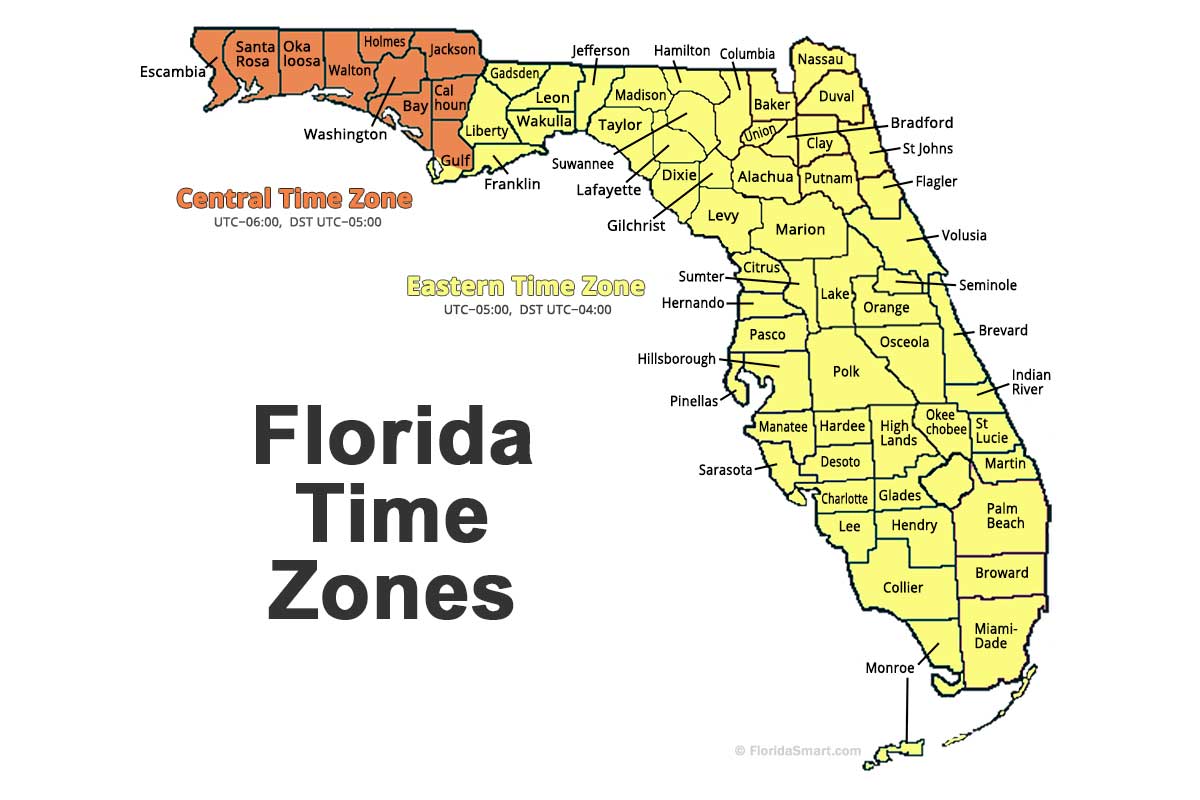
The concept of time zones allows for a logical progression of time across longitudes, ensuring that noon generally occurs when the sun is highest in the sky locally. As a state that stretches significantly from east to west, Florida’s geographic span necessitates more than one time zone, a detail often overlooked by those unfamiliar with its geography. This dual time zone system is particularly relevant for travelers venturing beyond the major tourist hubs, or those planning to explore the full breadth of the state from its bustling Atlantic coast to its tranquil Gulf of Mexico shores. Knowing the correct time zone is not just about avoiding confusion; it’s about optimizing your travel experience, from ensuring you don’t miss a flight to making the most of every precious minute in the Sunshine State.
The Role of Daylight Saving Time
Complicating matters further is the observation of Daylight Saving Time, which sees clocks shift forward by one hour in the spring and back by one hour in the autumn. This annual adjustment means that Florida’s UTC offset changes twice a year. During standard time (roughly November to March), the state’s main time zone is UTC-5, and during Daylight Saving Time (roughly March to November), it becomes UTC-4. The westernmost part of the Florida Panhandle follows a similar pattern but one hour behind the rest of the state. This seasonal shift requires travelers to pay close attention to the specific dates of their visit, as it directly impacts the local time and, consequently, their schedule. Always confirm the current time, especially if your travel dates fall around the spring forward or fall back transition periods.
Florida’s Geographic Time Zone Divisions
Florida’s unique geography dictates its time zone distribution. The vast majority of the state, including popular destinations like Miami, Orlando, Jacksonville, Tampa, and Key West, operates on Eastern Time Zone (ET). This means that during standard time, these areas are UTC-5, and during Daylight Saving Time, they are UTC-4. This covers the entire peninsula, stretching from the Atlantic Ocean coast to much of the Florida Panhandle.
However, a significant portion of the Florida Panhandle, specifically the westernmost counties, falls under the Central Time Zone (CT). This distinction is crucial for anyone traveling to or through this region, as it means local time is one hour behind the rest of the state. During standard time, the Central Time Zone is UTC-6, and during Daylight Saving Time, it is UTC-5. This time zone boundary typically follows the Apalachicola River, effectively splitting the panhandle into two distinct time jurisdictions.
Eastern Time Zone Dominance
For most visitors, especially those focusing on Florida’s renowned theme parks, beaches, and vibrant cities, the Eastern Time Zone will be their primary time reference. Destinations like the Walt Disney World Resort, Universal Orlando Resort, and the Kennedy Space Center all adhere to ET. This uniformity simplifies planning for the majority of vacationers, but awareness is still key for those with connecting flights or multi-stop itineraries that might brush against the time zone border.
The Central Time Zone in the Panhandle
The Central Time Zone in Florida encompasses the counties west of the Apalachicola River. This includes Escambia County (Pensacola), Santa Rosa County, Okaloosa County (Eglin Air Force Base), Walton County, and Bay County (Panama City Beach). It’s important to note that the boundary is not always a perfect riverine divide; some communities or even portions of counties near the river may observe Eastern Time Zone or have historical variations. For instance, towns like Mexico Beach and Port St. Joe, despite being west of the Apalachicola River, have traditionally operated on Eastern Time Zone, creating a small but significant “kink” in the time zone map. However, the dominant observation for Gulf County and Calhoun County is Central Time Zone to their western parts. Always verify the local time upon arrival, especially when traveling through these border regions.
Practical Implications for Travelers
For any traveler, ignoring time zone differences can lead to a cascade of inconveniences and missed opportunities. In Florida, this is amplified by the state’s dual time zone system.
Flight Schedules and Connections
Air travel is particularly sensitive to time zones. A flight arriving in Pensacola (CT) from Orlando (ET) will technically “gain” an hour, meaning a two-hour flight appears on paper as only one hour in duration from the passenger’s perspective. Conversely, flying east from Pensacola to Tallahassee (ET) means “losing” an hour, making a short flight feel longer. Crucially, missed connections or confusion about departure times can arise if travelers don’t account for these shifts, especially when transfers involve moving between time zones. Always verify flight times in local time for both departure and arrival airports.
Hotel Check-ins and Check-outs

Hotel policies are strictly adhered to based on local time. Arriving at a hotel in Panama City Beach (CT) an hour “early” by your Orlando (ET) watch might mean an unexpected wait for your room, or worse, incurring an extra night’s charge if you miscalculated check-out. Confirming your accommodation’s specific time zone is a simple step that can prevent hassle.
Attraction Timings and Reservations
Florida’s attractions, from theme parks to historical sites and nature preserves, operate on strict schedules. A reservation for a snorkeling tour in the Florida Keys (ET) at 9:00 AM means 9:00 AM Eastern Time Zone. If you’re coming from the panhandle, failing to adjust your internal clock could lead to being an hour late, potentially missing your slot or even forfeiting payment. The same applies to dining reservations, guided tours, and scheduled events.
Meeting Friends, Family, or Business Contacts
Coordinating with others who might be in different parts of Florida requires clear communication about time. A phone call scheduled for 3 PM ET could be an hour earlier or later for someone in CT, depending on their location. For business travelers, missing a critical conference call or client meeting due to a time zone oversight could have significant professional repercussions. Always specify the time zone when making arrangements.
Navigating Time Across Florida’s Diverse Destinations
To illustrate the potential for time zone confusion, consider a road trip scenario across Florida. Imagine starting your day in Miami, enjoying the Atlantic Ocean beaches (ET), then driving northwest towards the Florida Panhandle for some relaxed Gulf of Mexico vibes. As you approach the Apalachicola River, around the counties of Calhoun County, Gulf County, and Franklin County, you will cross into the Central Time Zone. This transition means that suddenly, your clock needs to go back one hour. If you fail to adjust, you might arrive at your Pensacola hotel thinking you’re on time, only to discover you’re an hour late by local standards.
This time zone shift is particularly important for those exploring the charming small towns and natural beauty of the “Forgotten Coast” and the broader Florida Panhandle. While major cities tend to have robust infrastructure for time synchronization, travelers in more remote areas should be extra vigilant. Many modern smartphones and GPS devices automatically update time zones, but relying solely on technology without understanding the underlying principles can still lead to missteps. A quick glance at a time zone map or a query to a local upon crossing the perceived boundary can offer valuable peace of mind.
Tips for a Seamless Time-Aware Florida Experience
To ensure your Florida trip is as smooth as possible regarding time, a few proactive measures can make a significant difference.
Double-Check All Bookings and Itineraries
Before and during your trip, review all confirmation emails, tickets, and reservations. Look for explicit mentions of time zones, especially for flights, train tickets, hotel check-ins, and guided tours. If it’s not specified, assume local time but be prepared to verify upon arrival or with a quick call ahead. For self-planned itineraries, create a master document that clearly notes the local time for each activity based on its geographic location.
Utilize Technology Wisely
Most smartphones automatically adjust to local time zones when connected to cellular networks or Wi-Fi. Ensure this feature is enabled on your device. However, do not blindly trust it. Cross-reference with reliable sources, such as airport clocks, hotel reception, or a quick online search for “current time in Pensacola” when you suspect a change. Traditional travel clocks or watches with dual time zone displays can also be helpful, providing a quick reference to your home time and local time.
Communicate Clearly About Time
When making plans with friends, family, or business associates within or outside Florida, always state the time zone. Instead of “Let’s meet at 2 PM,” say “Let’s meet at 2 PM ET” or “2 PM CT.” This simple clarification eliminates ambiguity and ensures everyone is on the same page, preventing misunderstandings that could disrupt your plans.

Factor in Potential for Jet Lag
While traveling between Florida’s’s two time zones involves only a one-hour shift, for those arriving from more distant time zones, the effects of jet lag can be pronounced. Give yourself time to adjust upon arrival, especially if you have important meetings or activities scheduled. Hydration, exposure to natural light, and gradually shifting your sleep schedule can help mitigate the effects, allowing you to fully immerse yourself in the Sunshine State without feeling perpetually out of sync.
In conclusion, “What UTC is Florida?” is a question that opens the door to understanding the practicalities of travel within this diverse state. By recognizing Florida’s’s dual time zone system, accounting for Daylight Saving Time, and employing smart planning strategies, travelers can ensure their journey through the Sunshine State is seamless, timely, and exceptionally enjoyable.
LifeOutOfTheBox is a participant in the Amazon Services LLC Associates Program, an affiliate advertising program designed to provide a means for sites to earn advertising fees by advertising and linking to Amazon.com. Amazon, the Amazon logo, AmazonSupply, and the AmazonSupply logo are trademarks of Amazon.com, Inc. or its affiliates. As an Amazon Associate we earn affiliate commissions from qualifying purchases.