
Embarking on a journey from the bustling metropolis of New York City to the vibrant shores of Miami is a popular travel choice, blending urban sophistication with tropical allure. While the distance between these two iconic American cities might seem straightforward, the actual flight duration is a nuanced subject, influenced by a variety of factors that can stretch or condense the time spent airborne. Understanding these variables is key for any traveler planning their itinerary, whether for a quick business trip, a relaxing vacation, or a spontaneous getaway.
The Average Flight Time: A Baseline Understanding
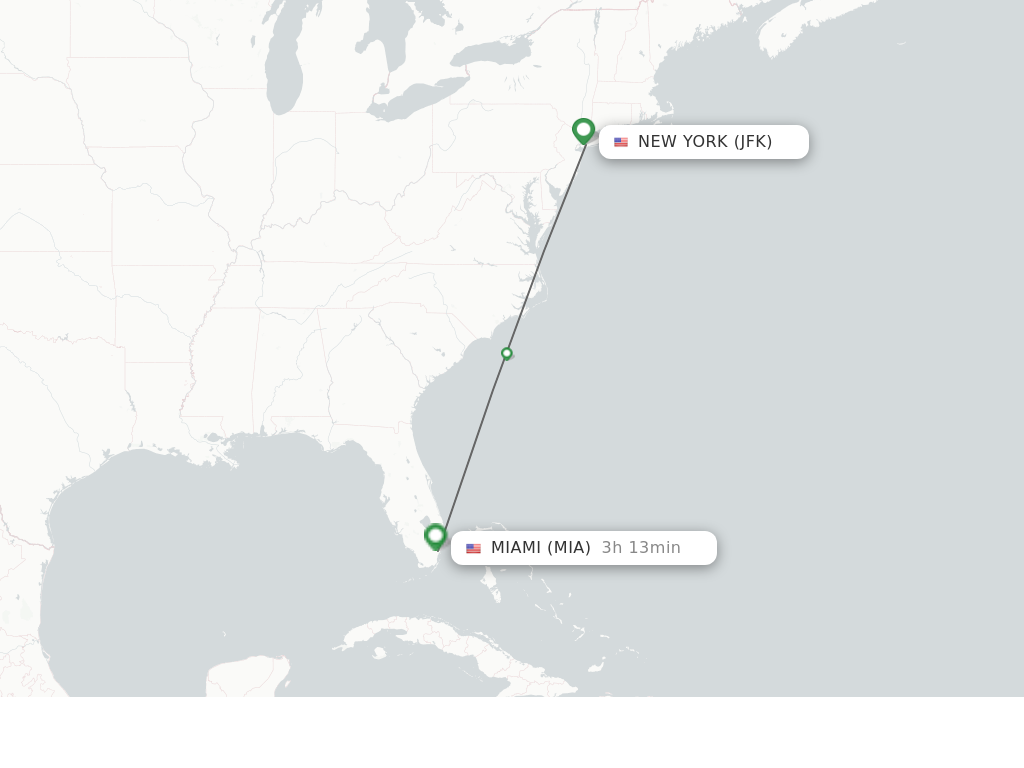
On average, a non-stop flight from New York City to Miami typically ranges from 2 hours and 50 minutes to 3 hours and 30 minutes. This figure represents the most common scenario for direct flights, operated by numerous airlines that ply this busy route daily. These flights usually depart from major New York City airports such as John F. Kennedy International Airport (JFK) or LaGuardia Airport (LGA), and arrive at Miami International Airport (MIA) or Fort Lauderdale–Hollywood International Airport (FLL).
However, it is crucial to recognize that this average is a guideline rather than a definitive promise. Several external and internal factors can cause variations, and travelers are advised to check their specific flight details closer to their departure date. The time in the air is only one component of the total travel experience; one must also account for travel to and from airports, check-in procedures, security screening, and boarding.
Direct vs. Connecting Flights
The distinction between direct and connecting flights is perhaps the most significant determinant of overall travel time.
-
Direct Flights: As mentioned, these flights offer the quickest route. They fly from origin to destination without any stops. The advertised flight time is generally accurate, with minimal buffer for unforeseen delays. For those prioritizing efficiency, direct flights are the clear choice. Many airlines, including American Airlines, Delta Air Lines, JetBlue Airways, and Spirit Airlines, operate frequent direct services on this route.
-
Connecting Flights: Flights with one or more layovers will inherently take longer. The total travel time for a connecting flight can vary dramatically, ranging from 5 hours to over 10 hours, depending on the layover duration and location. While often cheaper, connecting flights demand more patience and planning. Common layover points for this route might include cities like Charlotte, Atlanta, or even Chicago, depending on the airline’s network. Travelers should carefully examine the total journey time when comparing ticket prices.
Factors Influencing Flight Duration
Beyond the fundamental difference between direct and connecting services, several other elements can impact how long your flight from New York City to Miami actually takes.
Aircraft Type and Speed
While less common for passengers to actively consider, the specific aircraft model can have a minor effect on flight time. Modern commercial jets fly at similar cruising speeds, but slight variations exist. Larger, wide-body aircraft might sometimes operate on longer routes, but for a relatively short domestic flight like this, the difference is usually negligible. The primary consideration is the efficiency of the airline’s operations and its adherence to flight schedules.
Wind Conditions and Jet Streams
Meteorological conditions play a significant role in determining airborne speed. Flights traveling southbound from New York City to Miami often benefit from prevailing tailwinds, which can shorten the flight duration. Conversely, headwinds can lengthen it. The most impactful of these are jet streams, powerful air currents found at high altitudes. Flying within a jet stream can significantly increase a plane’s ground speed, while flying against one can slow it down considerably. Pilots constantly monitor weather patterns to optimize flight paths for both speed and fuel efficiency.
Air Traffic Control and Flight Paths
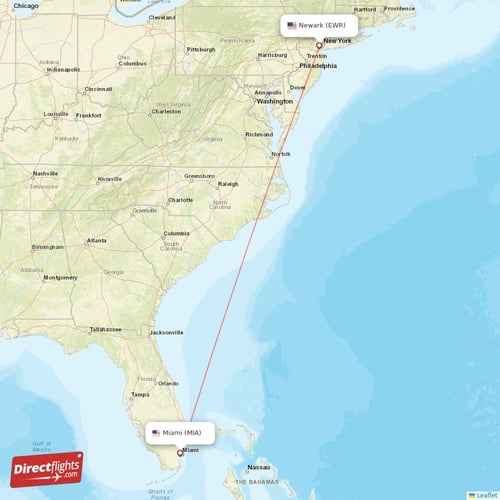
The airspace between New York City and Miami is among the busiest in the world. Air traffic control (ATC) plays a crucial role in managing this complex network of flights safely. Due to high volumes, aircraft may be required to fly slightly longer routes to maintain separation from other planes, or they might experience delays on the ground or in the air as ATC manages congestion. These routing adjustments and potential holds can add minutes, or sometimes even longer, to the overall flight time.
Time of Day and Day of Week
While not directly impacting the physical time spent in the air, the time of day and day of the week can indirectly affect your journey. Flights during peak travel times (early mornings, late afternoons, Fridays, and Sundays) are more likely to encounter heavier air traffic, potentially leading to minor delays in departure or arrival. Conversely, off-peak flights might experience smoother operations. Furthermore, some airlines might schedule slightly longer flight times for certain legs to build in buffer for potential operational issues during busy periods.
Planning Your Trip: Maximizing Efficiency
When planning your trip from New York City to Miami, consider these tips to ensure a smooth and efficient travel experience.
Choosing the Right Airport
Both New York City and Miami have multiple airport options.
-
New York City Airports:
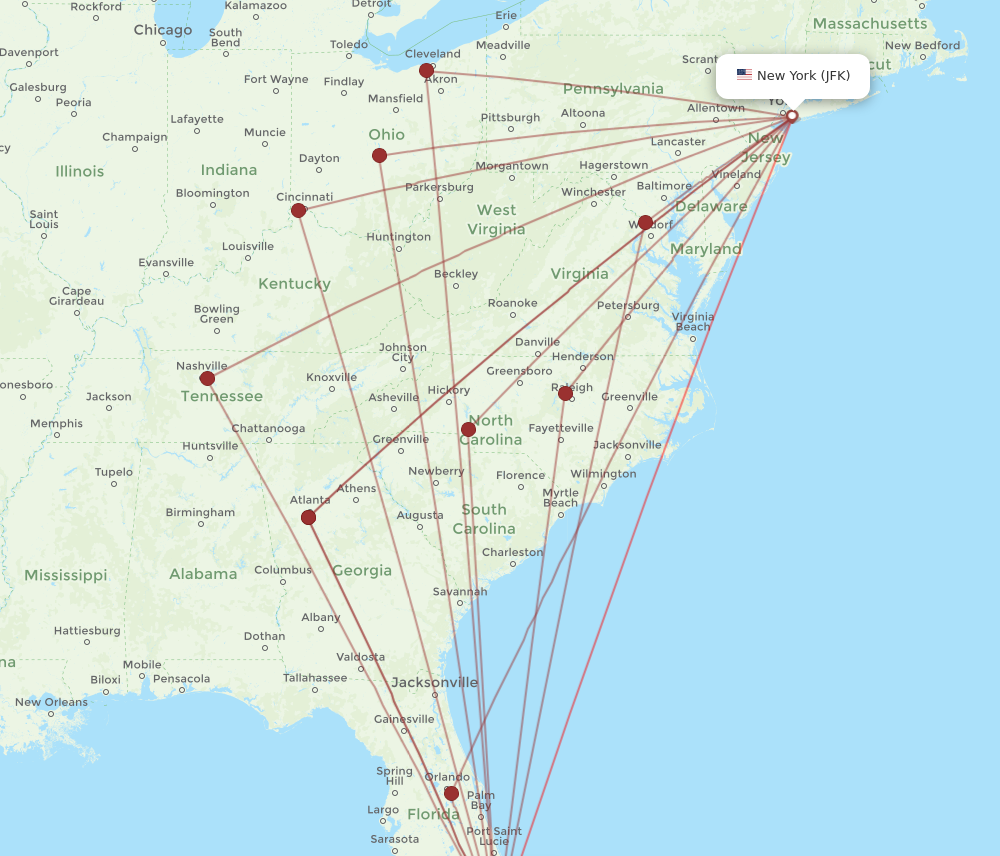
- John F. Kennedy International Airport (JFK): Generally handles international and long-haul domestic flights, but also significant East Coast routes.
- LaGuardia Airport (LGA): Primarily serves domestic flights and is often preferred for shorter, East Coast travel due to its location closer to Manhattan.
- Newark Liberty International Airport (EWR): Located in New Jersey, it’s another major hub serving the New York City metropolitan area.
-
Miami Airports:
- Miami International Airport (MIA): The primary international gateway for South Florida, offering a vast array of domestic and international flights.
- Fort Lauderdale–Hollywood International Airport (FLL): Located about 30 miles north of Miami, FLL is a popular alternative, especially for budget airlines and those visiting areas further north.
Consider which airport is most convenient for your accommodation and activities in both cities to minimize ground travel time.
Booking Strategies
- Book Direct Flights: If time is of the essence, always prioritize booking non-stop flights.
- Flexibility with Dates/Times: Traveling mid-week or during less popular hours can sometimes result in shorter flight times and lower fares.
- Monitor Flight Status: Airlines provide real-time updates on flight status. Checking this regularly before heading to the airport can help you adjust your schedule if delays occur.
Arrival and Departure Considerations
Remember that the flight time is only part of your travel equation. Factor in:
- Airport Arrival: Aim to arrive at the airport at least 2 hours before a domestic flight to allow ample time for check-in, bag drop, and security.
- Security Lines: These can vary significantly. Consider TSA PreCheck or CLEAR if you are a frequent traveler.
- Ground Transportation: Miami has various options for getting from the airport to your final destination, including ride-sharing services, taxis, and public transport. Factor in potential traffic, especially if arriving during rush hour.
By understanding the various elements that contribute to flight duration and employing strategic planning, travelers can confidently navigate their journey from the energetic streets of New York City to the sun-drenched beaches of Miami, ensuring a smooth and enjoyable transition between these distinct and captivating destinations.
LifeOutOfTheBox is a participant in the Amazon Services LLC Associates Program, an affiliate advertising program designed to provide a means for sites to earn advertising fees by advertising and linking to Amazon.com. Amazon, the Amazon logo, AmazonSupply, and the AmazonSupply logo are trademarks of Amazon.com, Inc. or its affiliates. As an Amazon Associate we earn affiliate commissions from qualifying purchases.