
For many culinary explorers, food offers a direct conduit into the soul of a destination. While Boston is renowned for its clam chowder, lobster rolls, and New England seafood bounty, its vibrant food scene is also a melting pot of global influences and creative adaptations. Among the myriad of sushi offerings found in cities across North America, the Boston Roll Sushi stands out as a unique, often delightful, example of how a traditional Japanese culinary art form can be reimagined through a Western lens. For tourists venturing through Boston’s gastronomic landscape, understanding this particular roll provides insight not just into its ingredients, but into the broader phenomenon of fusion cuisine that shapes contemporary dining experiences.

The Culinary Tapestry of Boston’s Sushi Scene
Boston, a city steeped in history and academic excellence, has evolved into a dynamic urban center with a diverse and sophisticated culinary identity. While it may not be the first city that comes to mind when one thinks of sushi’s traditional origins, its proximity to fresh seafood and its population’s adventurous palate have fostered a thriving sushi culture. From upscale establishments in Back Bay to casual eateries near Faneuil Hall Marketplace, sushi has become an integral part of the local dining experience.
However, the sushi enjoyed in Boston, much like in other Western cities, often features rolls that are distinctly different from the traditional nigiri or maki found in Japan. These “Americanized” or “Westernized” rolls typically incorporate ingredients that appeal to local tastes, often introducing cooked proteins, creamy sauces, and more substantial textures. The Boston Roll Sushi is a prime example of this culinary adaptation, reflecting a bridge between authentic Japanese techniques and the innovative spirit of American cuisine. It represents a journey of flavors, designed to be approachable and enjoyable for a wide audience, including those new to the world of sushi.
Deconstructing the Boston Roll: Ingredients and Genesis
At its heart, the Boston Roll is a testament to the art of creating harmonious flavors and textures within a single bite. Understanding its components reveals why it has garnered such widespread appeal.
Core Components
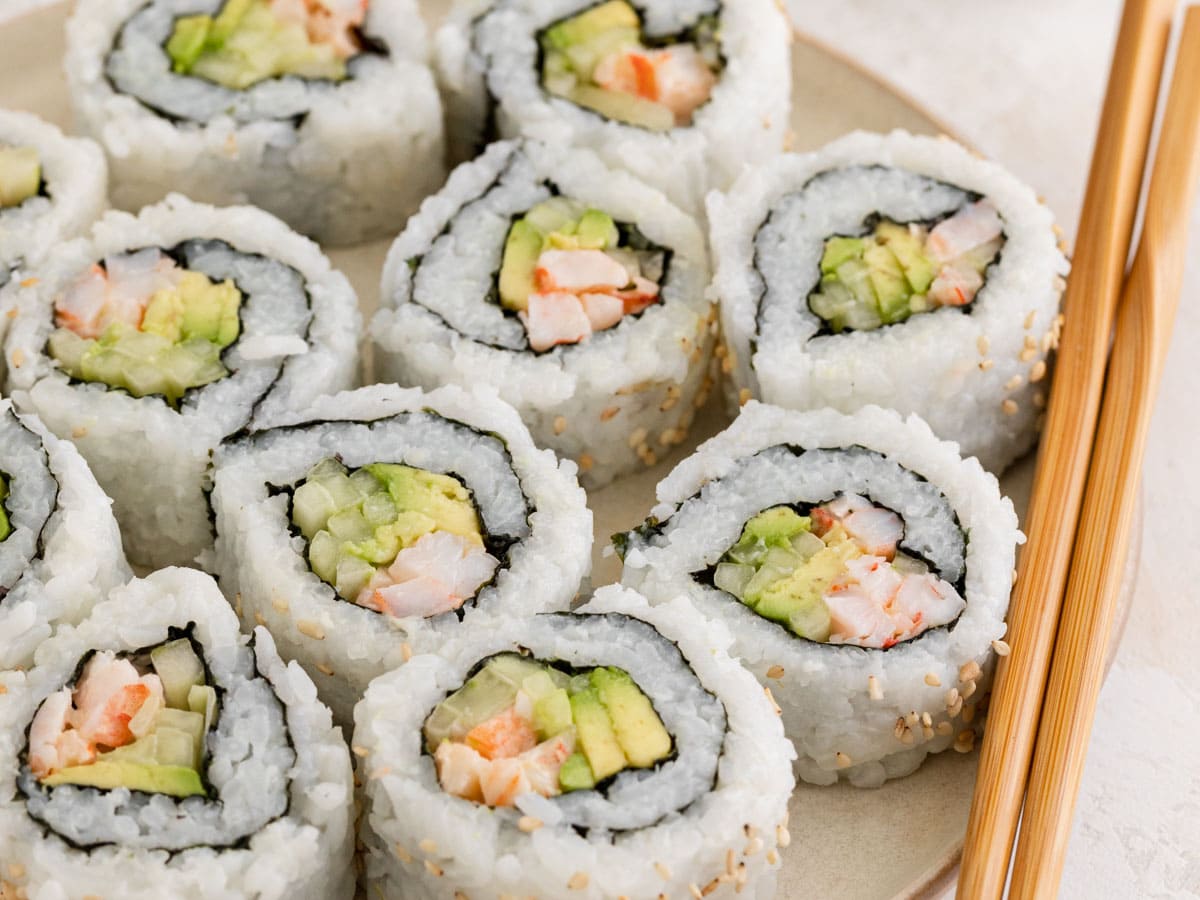
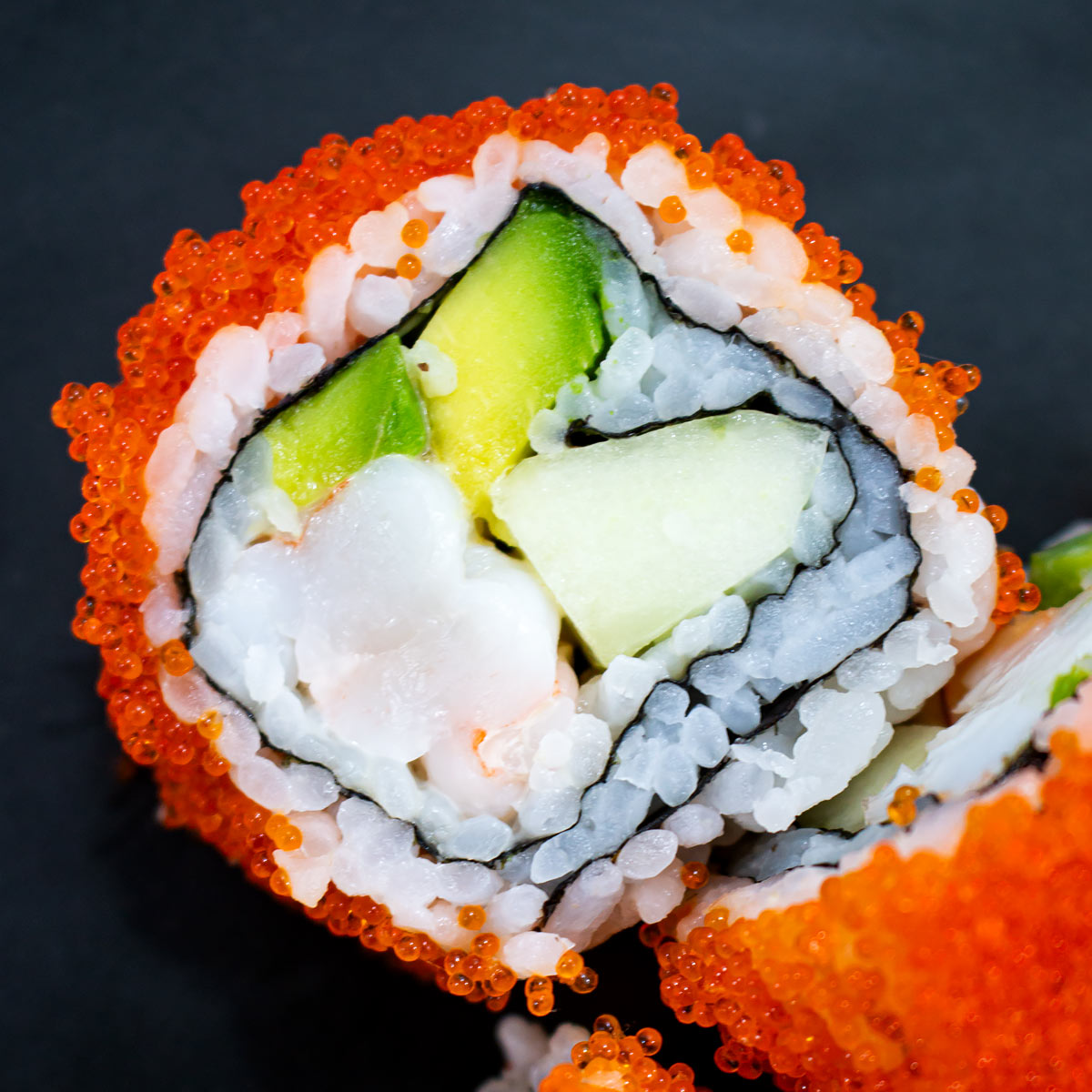
The typical Boston Roll is an inside-out roll, meaning the rice is on the exterior, often dusted with toasted sesame seeds or bright orange masago (capelin roe). Inside, it commonly features:
- Cooked Shrimp: Unlike many traditional sushi rolls that prioritize raw fish, the Boston Roll almost invariably includes cooked shrimp, usually steamed or boiled. This choice contributes to its mild flavor profile and makes it a popular option for those hesitant about consuming raw seafood.
- Avocado: Creamy slices of ripe avocado add a rich, buttery texture and a subtle sweetness that complements the shrimp. Avocado is a staple in many Westernized sushi rolls, enhancing their approachability.
- Cucumber: Crisp, cool cucumber provides a refreshing crunch, balancing the richness of the avocado and the softness of the shrimp. It adds a vital textural contrast that prevents the roll from feeling heavy.
- Mayonnaise or Similar Sauce: Often, a touch of Japanese mayonnaise or a spicy aioli is incorporated, binding the ingredients and adding a creamy, savory note. This is another characteristic common in Western sushi rolls, deviating from the purist approach of traditional Edomae sushi.
Origin Story
While the name strongly suggests a connection to the city of Boston, the precise origin of the Boston Roll Sushi remains somewhat elusive, much like many other regionally named sushi rolls such as the California Roll or Philadelphia Roll. It’s generally understood to be an American invention, likely created in the late 20th century, as sushi gained popularity outside of Japan. It’s plausible that a chef in Boston or a chef inspired by Boston’s local seafood—specifically shrimp, a common local catch—developed the roll to cater to a local clientele. The roll’s inclusion of cooked shrimp is a nod to a preference for non-raw options, and its simple yet satisfying combination of ingredients makes it a perennial favorite. It embodies the spirit of culinary innovation, adapting global flavors to local preferences and resources.
A Mild Palate Pleaser
The intentional choice of cooked shrimp, paired with the creamy avocado and crisp cucumber, makes the Boston Roll an exceptionally mild and palatable option. For tourists or diners who are new to sushi, or those who prefer subtler flavors, it serves as an excellent entry point. It lacks the intense flavors of certain raw fish, the spicy kick of some rolls, or the pungent aroma of fermented ingredients, making it widely approachable. This mildness is a key factor in its enduring popularity, particularly in casual dining settings and all-you-can-eat sushi restaurants.
Boston Roll in the Global Sushi Landscape
The existence and popularity of rolls like the Boston Roll speak volumes about the global evolution of sushi and its journey from a traditional Japanese delicacy to a universally embraced culinary art form.
American Adaptations vs. Traditional Nigiri and Maki
In Japan, traditional sushi often emphasizes the quality of the fish, seasoned rice, and the skill of the chef. Forms like nigiri (a slice of fish over pressed rice) and classic maki (rice and ingredients rolled inside seaweed) typically feature fewer ingredients, focusing on purity and balance. American-style rolls, by contrast, tend to be more elaborate, with multiple fillings, sauces, and often rice on the outside. The Boston Roll fits squarely into this latter category, showcasing a departure from strict tradition in favor of creative freedom and broader appeal. This adaptation is not a diminishment but rather an expansion of the sushi concept, reflecting cultural exchange and culinary innovation.
Popularity and Accessibility
Rolls like the Boston Roll have been instrumental in making sushi accessible to a global audience. By incorporating familiar ingredients and milder flavors, they demystify what might otherwise seem exotic or intimidating. This accessibility has fueled a global sushi boom, allowing restaurants to introduce diverse populations to Japanese cuisine through a palatable and often exciting format. For many, these fusion rolls serve as a gateway to exploring more traditional sushi and other Japanese dishes.
A Tourist’s Culinary Exploration
For tourists visiting Boston, trying a Boston Roll Sushi can be more than just a meal; it’s a cultural observation. It’s an opportunity to understand how a city, known for its deep historical roots, also embraces modern culinary trends and global fusions. It highlights how local preferences shape international cuisines, creating unique dishes that become part of the city’s unofficial culinary identity. This roll serves as a delicious example of Boston’s willingness to innovate and embrace new flavors, much like its long history of innovation in other fields.
Experiencing the Boston Roll as a Tourist
For any visitor to Boston interested in its food scene, the Boston Roll offers a specific, localized culinary experience, even if its origins are somewhat nebulous.
Where to Find It
The Boston Roll Sushi is ubiquitous in almost any Japanese restaurant or sushi bar across Boston and indeed, many parts of the United States. From the bustling food halls of downtown to the more intimate dining spots in the North End or Cambridge, you’re likely to find it on the menu. Casual sushi spots, often family-owned, are particularly reliable places to find this popular roll, usually at an affordable price point. Even some high-end Japanese restaurants might offer a refined version, showcasing premium ingredients.
Pairing and Enjoyment
When enjoying a Boston Roll, traditional accompaniments like soy sauce, wasabi, and gari (pickled ginger) are typically served. While a purist might advise against drenching the roll in soy sauce to appreciate its subtle flavors, personal preference dictates the best way to enjoy it. For beverages, consider pairing it with a crisp Japanese beer, a glass of chilled sake (especially a lighter, fruity sake), or even a local craft beer from one of Boston’s many breweries. For a non-alcoholic option, traditional green tea or a sparkling water would complement the flavors beautifully.
Beyond the Roll
While the Boston Roll Sushi is a delightful discovery, it should be just one stop on a wider culinary tour of Boston. Explore the historic seafood markets, indulge in classic New England fare, or venture into the vibrant ethnic neighborhoods for a truly comprehensive gastronomic experience. The story of the Boston Roll is a microcosm of Boston’s culinary narrative: a blend of tradition, innovation, and an unwavering commitment to delicious food that delights locals and tourists alike. By savoring this distinctive roll, visitors can gain a unique appreciation for the diverse and evolving flavors that define Boston’s dynamic food scene.
LifeOutOfTheBox is a participant in the Amazon Services LLC Associates Program, an affiliate advertising program designed to provide a means for sites to earn advertising fees by advertising and linking to Amazon.com. Amazon, the Amazon logo, AmazonSupply, and the AmazonSupply logo are trademarks of Amazon.com, Inc. or its affiliates. As an Amazon Associate we earn affiliate commissions from qualifying purchases.