
Florida, often lauded as the Sunshine State and a premier global tourism destination, draws millions of visitors annually with its pristine beaches, vibrant cities, and world-class attractions. From the magical theme parks of Orlando to the Art Deco charm of Miami, and the natural wonders of the Everglades, the state offers a diverse tapestry of experiences. For any traveler, ensuring a safe and healthy trip is paramount, and a common question that arises is about the prevailing health landscape, particularly concerning viral activity. While specific viral outbreaks can fluctuate rapidly, understanding the typical patterns and proactive measures can significantly enhance a tourist’s experience, allowing them to focus on enjoyment rather than concern. This guide delves into the public health considerations relevant to tourists in Florida, providing insights into common viral concerns and practical tips for a healthy visit.
Understanding Public Health in the Sunshine State for Tourists
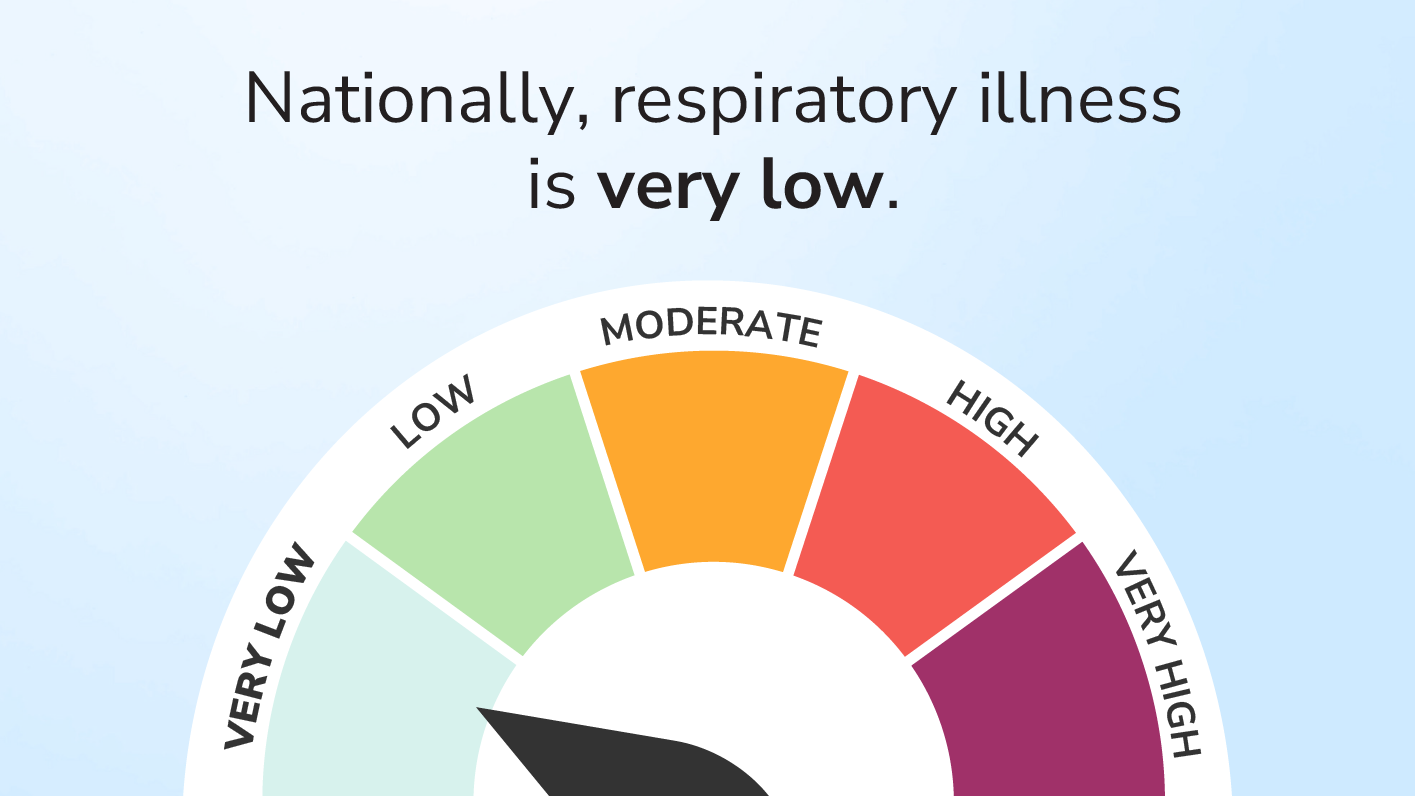
Tourism thrives on confidence, and a key component of that confidence is knowing that a destination prioritizes the health and safety of its visitors. Florida’s public health infrastructure is robust, designed to monitor, track, and respond to various health threats, including infectious diseases. For tourists, this means that reliable information and resources are typically available, enabling informed decision-making before and during their trip.
The Dynamic Nature of Viral Activity
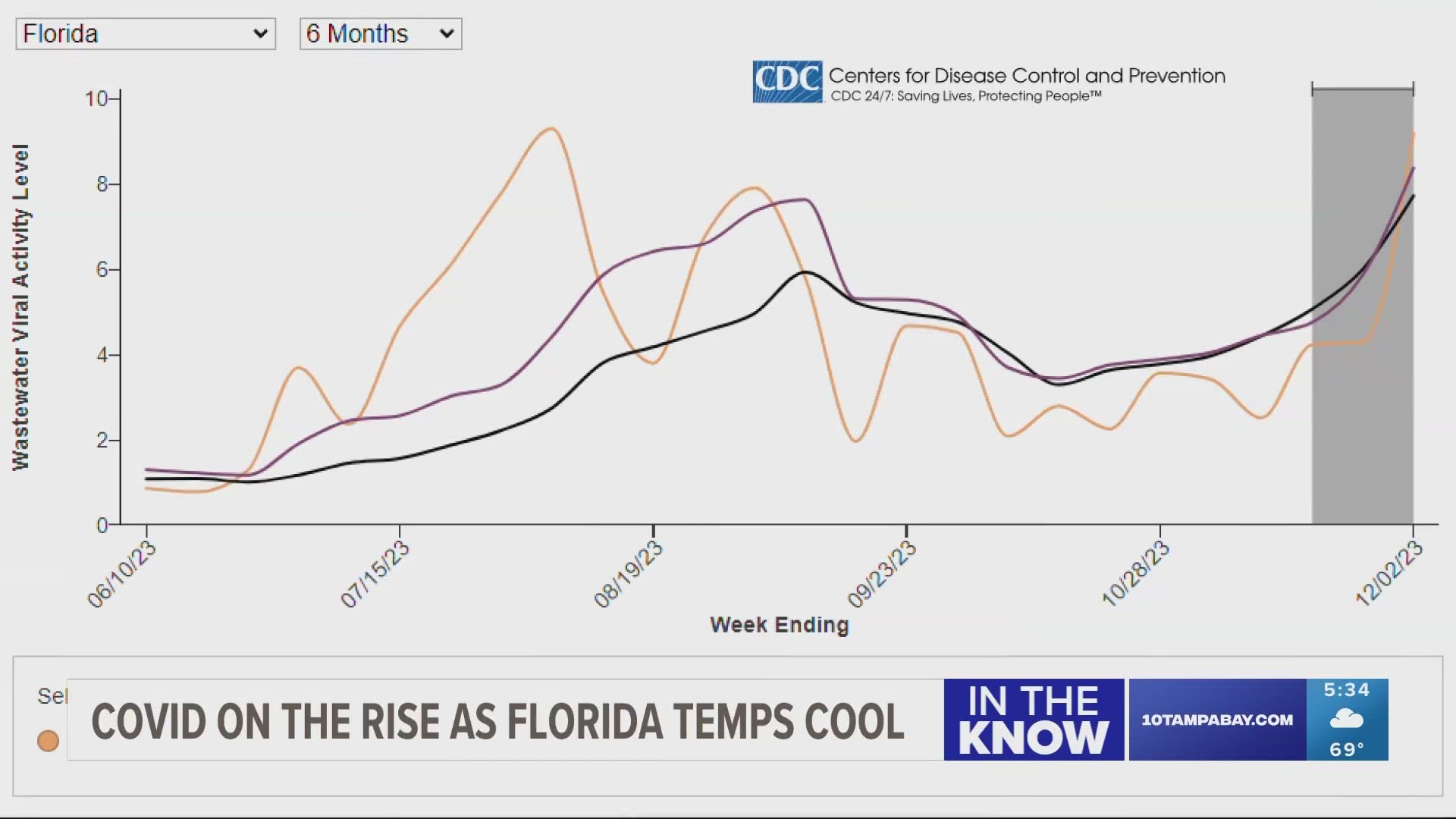
Viral prevalence is not static; it ebbs and flows with seasons, global travel patterns, and population density. In Florida, factors such as its tropical and subtropical climate, high tourist volume, and a large permanent population contribute to a dynamic environment for infectious diseases. Respiratory viruses, for example, tend to peak during cooler, drier months (typically late fall through early spring), while mosquito-borne illnesses are more prevalent during warmer, wetter seasons (summer and early fall). Understanding these seasonal patterns can help tourists anticipate potential risks and plan their preventive strategies accordingly. This dynamic nature underscores the importance of staying informed with the most current information, rather than relying on outdated advisories.
Key Health Resources for Visitors
To empower tourists with up-to-date information, several official sources provide public health data and recommendations. The Florida Department of Health (FDOH) is the primary state agency responsible for monitoring infectious diseases and issuing health advisories. Their website often features dashboards, reports, and guidance specific to current viral threats in various counties across the state. Additionally, the Centers for Disease Control and Prevention (CDC) offers national and international travel health notices that can be relevant to visitors heading to Florida, especially regarding broader public health trends. Prior to and during travel, consulting these reputable sources ensures access to accurate and timely health information.
Common Viral Concerns and How They Impact Florida Tourism
While it is impossible to predict a specific virus’s activity at any given moment, tourists in Florida should be aware of several categories of viral illnesses that can be common, each with its own mode of transmission and preventive measures. These can influence choices ranging from which attractions to visit to how to approach dining.
Respiratory Viruses (Influenza, RSV, Common Cold, COVID-19)
Respiratory viruses are a perennial concern, especially in crowded environments common in tourism. Influenza (the flu), Respiratory Syncytial Virus (RSV), the common cold, and various strains of coronaviruses, including COVID-19, circulate regularly. These viruses typically spread through respiratory droplets when an infected person coughs, sneezes, or talks, making close contact in queues, public transport, or indoor attractions a potential risk.
For tourists visiting popular spots like Walt Disney World Resort, Universal Orlando Resort, or the bustling streets of South Beach, preventive measures are key. These include frequent handwashing, covering coughs and sneezes, and considering mask-wearing in crowded indoor settings, particularly if personal health conditions warrant extra caution. Vaccinations for influenza and COVID-19 are highly recommended for eligible travelers before their trip.
Mosquito-Borne Illnesses (Zika, Dengue, West Nile Virus)
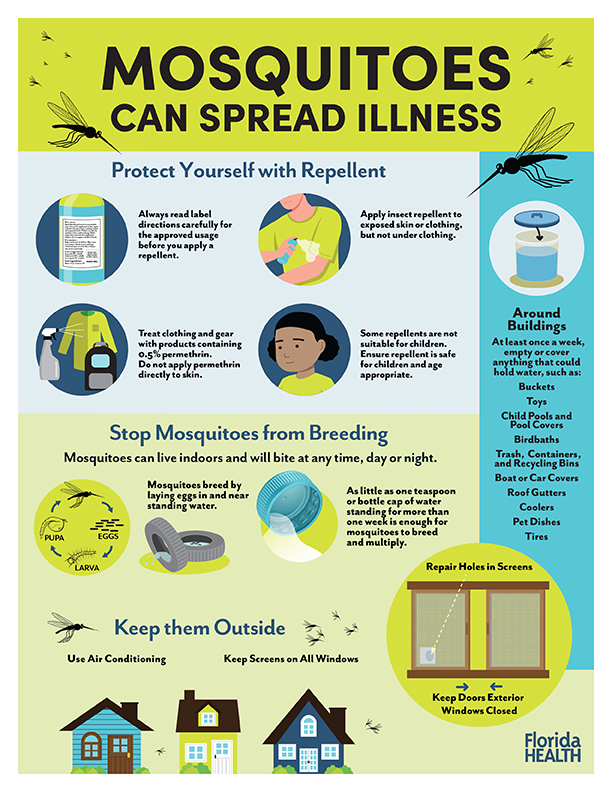
Florida’s warm, humid climate, especially from late spring through early fall, provides an ideal breeding ground for mosquitoes that can transmit viruses. While large outbreaks are rare, sporadic cases of viruses like Dengue, West Nile Virus, and occasionally Zika can occur. These viruses are transmitted through the bite of infected mosquitoes and can pose a risk, particularly in more rural or undeveloped areas such as parts of the Everglades National Park or during outdoor activities in coastal regions like the Florida Keys.
Tourists engaging in outdoor activities, especially at dawn and dusk, should take precautions. Using EPA-registered insect repellents containing DEET, picaridin, or oil of lemon eucalyptus, wearing long sleeves and pants, and ensuring accommodations have intact window screens are effective preventive strategies. Staying informed about local mosquito-borne disease advisories from the Florida Department of Health is also prudent.
Food and Waterborne Illnesses (Norovirus)
While not always a primary concern for “going around” in the air, food and waterborne viruses can certainly affect tourists, particularly those traveling to new environments with different food preparation standards or water sources. Norovirus is a common culprit, known for causing gastroenteritis and spreading rapidly in communal settings like cruise ships, resorts, and restaurants. It is highly contagious and typically spreads through contaminated food or water, or by touching contaminated surfaces and then one’s mouth.
To minimize risk, tourists should practice diligent hand hygiene, especially before eating and after using the restroom. Choosing reputable restaurants and ensuring food is cooked thoroughly can also help. While Florida’s public water systems are generally safe, travelers might opt for bottled water in more remote areas or if they have specific health sensitivities.
Navigating Florida’s Attractions Safely: Practical Tips for Tourists
A proactive approach to health can ensure that viral concerns do not overshadow the joy of a Florida vacation. Integrating simple, effective practices into travel plans can make a significant difference.
Pre-Travel Preparations and Research
Before even packing a suitcase, tourists should conduct a quick health check. Ensure all routine vaccinations are up-to-date. For those visiting during flu season, getting an influenza vaccine is highly recommended. Review travel insurance policies to understand coverage for medical emergencies. Check the Florida Department of Health website for any specific health advisories currently active in the regions you plan to visit, be it Tampa, Jacksonville, or Key West. Packing a small health kit with essentials like hand sanitizer, pain relievers, and any personal medications is also a smart move.
On-Site Health and Hygiene Practices
Once in Florida, consistent hygiene practices are your best defense. Frequent and thorough handwashing with soap and water for at least 20 seconds, especially after using restrooms, before eating, and after touching high-contact surfaces, is critical. When soap and water are unavailable, use an alcohol-based hand sanitizer with at least 60% alcohol. Avoid touching your face, particularly your eyes, nose, and mouth, as this is a common way for viruses to enter the body.
Staying hydrated, especially in Florida’s heat, and getting adequate rest are also important for maintaining a strong immune system. When experiencing symptoms like coughing or sneezing, do so into a tissue or your elbow to prevent spreading germs to others.
When to Seek Medical Attention
Despite best efforts, sometimes illness occurs. Tourists should know when to seek professional medical advice. If symptoms are severe, persistent, or worsening, or if you have underlying health conditions that make you more vulnerable, do not hesitate to consult a doctor. Florida has a comprehensive healthcare system with numerous hospitals, urgent care centers, and pharmacies easily accessible in most tourist areas. Many resorts and hotels can also provide guidance on nearby medical facilities. Early consultation can often lead to faster recovery and prevent more serious complications.
Enjoying Florida Responsibly: A Tourist’s Guide to Prevention and Awareness
Responsible tourism extends beyond environmental considerations; it also encompasses personal and public health. By taking proactive steps and staying informed, tourists contribute to a healthier environment for everyone and ensure their own trips are memorable for all the right reasons.
Staying Informed with Local Health Advisories
Before and during your visit, make it a habit to check official health channels. The Florida Department of Health provides county-specific information that can be invaluable. Subscribing to news alerts or checking local news sources for health updates specific to Florida can also keep you current. This level of awareness allows for flexibility in plans, enabling adjustments if a particular area or activity faces a temporary health advisory.
Supporting Health-Conscious Tourism Initiatives
Many attractions, hotels, and businesses in Florida have implemented enhanced cleaning protocols and health measures. By patronizing establishments that clearly prioritize public health and adhere to guidelines, tourists can support the ongoing efforts to maintain a safe environment. Following any specific health protocols requested by venues, such as using hand sanitizer stations or adhering to capacity limits, is a simple way to contribute to collective well-being and allow for the continued enjoyment of Florida’s unparalleled tourism offerings.
Ultimately, while no destination is entirely free of viral activity, Florida remains a safe and welcoming place for tourists. By being informed, practicing good hygiene, and taking sensible precautions, visitors can fully immerse themselves in the rich experiences the Sunshine State has to offer, confident in their health and safety.
LifeOutOfTheBox is a participant in the Amazon Services LLC Associates Program, an affiliate advertising program designed to provide a means for sites to earn advertising fees by advertising and linking to Amazon.com. Amazon, the Amazon logo, AmazonSupply, and the AmazonSupply logo are trademarks of Amazon.com, Inc. or its affiliates. As an Amazon Associate we earn affiliate commissions from qualifying purchases.