
Understanding the temperature in Boca Raton, Florida is crucial for any traveler planning a visit, whether they’re seeking sun-drenched beaches, cultural exploration, or a relaxing resort getaway. As a prominent city in the Sunshine State, Boca Raton experiences a tropical rainforest climate, characterized by warm to hot temperatures year-round and significant humidity. This climate dictates not only what to pack but also the optimal times for specific activities, from enjoying the pristine shores of South Beach to exploring the vibrant local scene. For those considering a stay, knowing the typical weather patterns can help in selecting the perfect accommodation and crafting an itinerary that maximizes enjoyment and minimizes discomfort.
Understanding Boca Raton’s Tropical Climate
Boca Raton’s coastal location on the Atlantic Ocean significantly influences its climate. The ocean acts as a moderating force, preventing extreme temperature fluctuations that might be experienced inland. This results in a generally pleasant environment for much of the year, though it also means that humidity levels can be consistently high, especially during the summer months. Understanding these nuances is key to appreciating the overall experience of visiting or living in this dynamic South Florida city.
Seasonal Temperature Variations
While Boca Raton enjoys a warm climate throughout the year, there are distinct seasonal shifts that impact the temperature and overall weather conditions. These variations are subtle compared to temperate climates but are significant enough to influence travel plans and daily life.
Summer (June to August)
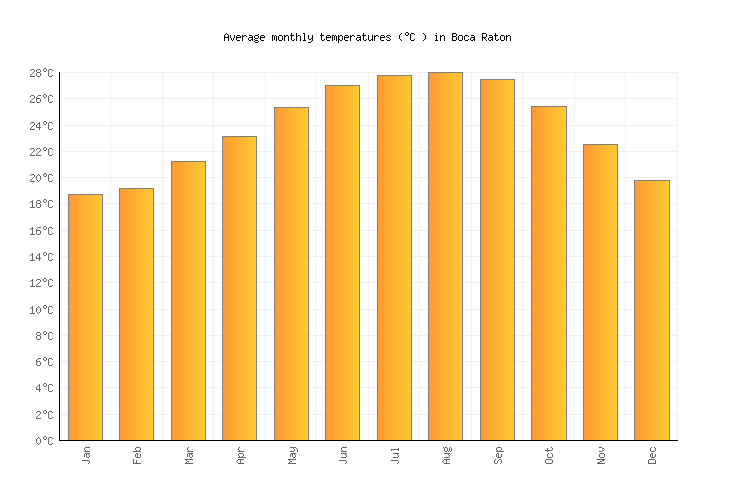
Summers in Boca Raton are hot and humid, with average daily temperatures typically ranging from the high 80s to low 90s Fahrenheit (around 31-33°C). The heat index, which accounts for humidity, can often make it feel considerably hotter, sometimes exceeding 100°F (38°C). Thunderstorms are a frequent occurrence, usually developing in the afternoon and bringing brief, intense downpours. These storms, while cooling, do not significantly lower the overall humidity. Coastal breezes can offer some respite, but outdoor activities are often best enjoyed in the early morning or late evening.
Autumn (September to November)
As the summer heat begins to wane, autumn offers a more comfortable transition. September can still be quite warm and humid, with temperatures in the mid-80s Fahrenheit (around 29-30°C), and it remains within the Atlantic hurricane season, which officially ends on November 30th. By October and November, temperatures become more temperate, with averages settling into the low to mid-70s Fahrenheit (around 22-24°C). Humidity also decreases, making this one of the most pleasant times to visit Boca Raton, ideal for exploring outdoor attractions and enjoying the city’s many offerings.
Winter (December to February)
Boca Raton’s winters are mild and often considered its most comfortable season. Average temperatures typically range from the mid-60s to low 70s Fahrenheit (around 18-23°C). Frost is extremely rare, and freezing temperatures are virtually unheard of. While occasional cool fronts can bring temperatures down into the 50s Fahrenheit (around 10-15°C), these are usually short-lived. This season is perfect for outdoor activities, golf, and enjoying the beaches without the intense heat and humidity of the summer months.
Spring (March to May)
Spring brings a gradual increase in temperature and humidity as the region heads back into its warmer months. March and April often mirror the pleasant conditions of late winter and early spring, with averages in the 70s Fahrenheit (around 21-26°C). May sees a noticeable rise, with temperatures climbing into the high 80s Fahrenheit (around 30-31°C) and humidity increasing. This period is also characterized by sunny skies and fewer rainy days compared to the summer, making it another prime time for visitors.
Humidity and Its Impact
Humidity is a constant factor in Boca Raton’s climate, significantly influencing how the temperature is perceived. During the summer months, relative humidity often hovers between 70% and 80%, and can even reach higher levels. This high moisture content in the air makes the heat feel more oppressive and can also impact comfort levels for outdoor activities. Staying hydrated, seeking air-conditioned environments, and utilizing protective clothing and accessories become essential during these periods. Even in the cooler months, humidity can still be present, contributing to the subtropical feel of the region.
Planning Your Visit: Timing is Everything
The prevailing temperatures in Boca Raton directly influence the best times to visit for different types of travel experiences. Whether you’re a beach enthusiast, a golfer, a culture seeker, or simply looking for a tranquil escape, understanding the seasonal weather can help you plan the perfect trip.
Peak Tourist Seasons and Weather Considerations
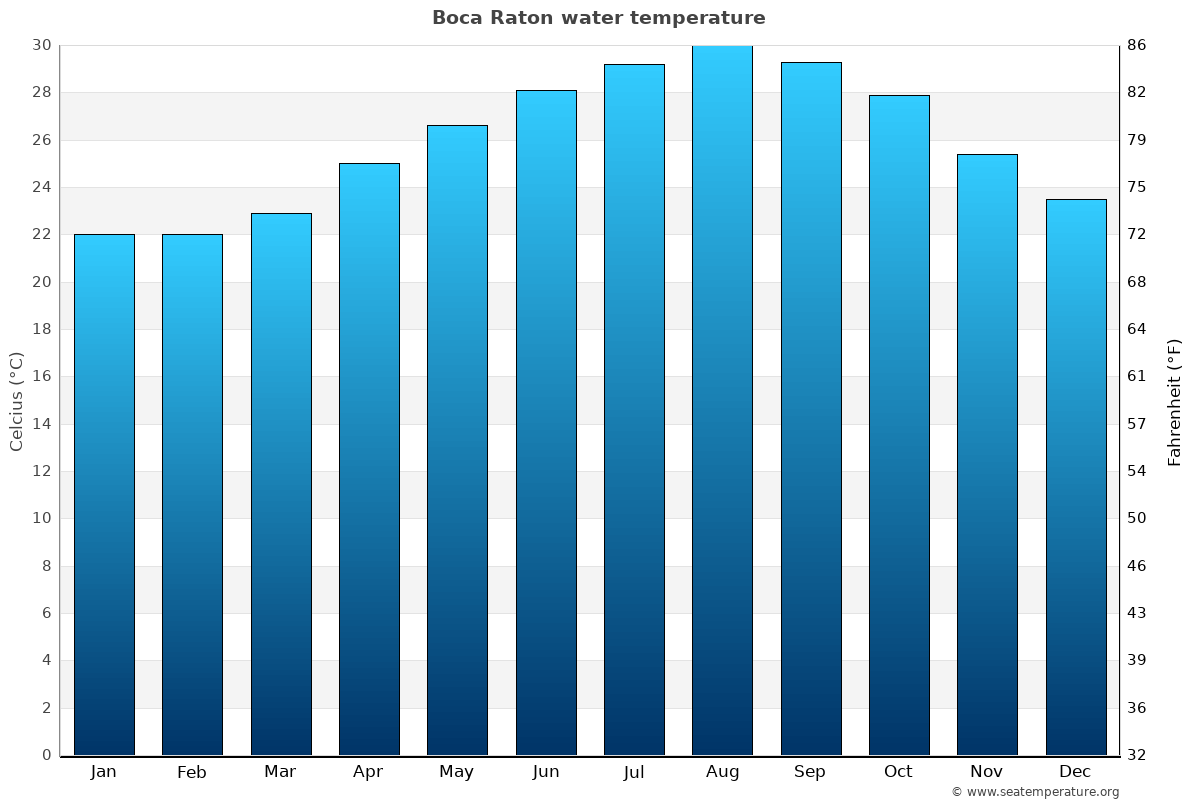
The most popular times to visit Boca Raton often coincide with its most comfortable weather. The winter months (December to February) and the spring shoulder months (March to May) are generally considered peak seasons. During these periods, visitors can expect mild temperatures, lower humidity, and abundant sunshine, making them ideal for exploring attractions like the Boca Raton Museum of Art, strolling through the Mizner Park shops, or enjoying a day at Red Reef Park.
The summer months (June to August) are characterized by high temperatures, intense humidity, and frequent thunderstorms. While this is the low season for many tourists due to the weather, it can be an attractive time for those seeking fewer crowds and potentially lower accommodation prices. However, visitors during this time must be prepared for the heat and plan activities accordingly, perhaps focusing on indoor attractions or water-based recreation.
Off-Season Advantages
Visiting Boca Raton during the off-season, typically from June through November, can offer several advantages. Accommodation rates at resorts and hotels like the Boca Raton Resort and Club often decrease, making it a more budget-friendly option. While the weather is hotter and more humid, and this period includes hurricane season, it also means fewer crowds at popular spots such as Gumbo Limbo Nature Center and the beaches. Visitors during this time should monitor weather forecasts closely and have flexible travel plans.
Packing Essentials Based on Boca Raton’s Temperatures
The temperature and humidity levels in Boca Raton necessitate a specific approach to packing. Being prepared ensures comfort and the ability to fully enjoy all that the city has to offer, from its natural beauty to its sophisticated urban attractions.
Summer Wardrobe
For summer visits, lightweight, breathable fabrics are essential. Think cotton, linen, and moisture-wicking materials. Pack shorts, t-shirts, sundresses, and swimwear. A wide-brimmed hat, sunglasses, and high-SPF sunscreen are non-negotiable for protecting yourself from the strong Florida sun. Comfortable sandals or flip-flops are ideal for casual wear, while water shoes can be useful for beach activities. Given the frequent afternoon thunderstorms, a light, packable rain jacket or umbrella is also advisable.
Winter and Spring Attire
During the cooler winter months and the transitional spring season, packing becomes a bit more layered. While you won’t need heavy winter clothing, bringing a light jacket or sweater is recommended for cooler evenings or for those susceptible to air conditioning. Daytime temperatures are generally warm enough for shorts and t-shirts, but long pants and lighter long-sleeved shirts are also practical. Comfortable walking shoes are a must for exploring the city, and perhaps a slightly dressier outfit for evenings out at one of Boca Raton’s fine dining establishments.
Accessories for Comfort
Regardless of the season, certain accessories can greatly enhance your comfort in Boca Raton. Insect repellent is important, especially during the warmer months, to ward off mosquitoes. A reusable water bottle is also a wise addition; staying hydrated is paramount in the warm climate, and having your own bottle makes it easy to refill throughout the day. For those planning on spending time outdoors, a small, portable fan can provide welcome relief during particularly humid or hot days.
Beyond the Thermometer: Factors Influencing Temperature
While average temperatures provide a good baseline, several other factors can influence the actual temperature and the perceived warmth in Boca Raton, impacting the experience for travelers and locals alike.
The Role of the Atlantic Ocean
As mentioned, the Atlantic Ocean plays a significant role in moderating Boca Raton’s climate. The ocean’s vast thermal mass absorbs heat during the day and releases it at night, leading to less extreme temperature swings than in inland areas. This also contributes to higher humidity levels, as the warm, moist air from the ocean constantly influences the local atmosphere. The prevailing easterly winds, coming off the ocean, often bring a refreshing breeze, which can make even hot days feel more manageable.
Microclimates and Urban Heat Islands
Within Boca Raton itself, minor microclimates can exist. Areas with more dense vegetation, such as parks or nature preserves, may feel slightly cooler than more developed urban areas. Conversely, the “urban heat island” effect can contribute to slightly higher temperatures in the city center due to the concentration of buildings, roads, and other heat-absorbing surfaces. While these effects are not drastic, they can be noticeable when transitioning between different parts of the city. Understanding these subtle variations can help in planning outdoor excursions, especially during the hottest parts of the year.

The Impact of Humidity
The perceived temperature, often referred to as the “feels like” temperature, is heavily influenced by humidity. In Boca Raton, where humidity is often high, the air can feel much hotter than the actual thermometer reading. This is because the human body’s natural cooling mechanism, evaporation of sweat, is less efficient when the air is already saturated with moisture. Therefore, when checking the weather forecast for Boca Raton, it’s always advisable to pay attention to both the air temperature and the humidity levels to get a true sense of the conditions. This knowledge is vital for anyone planning outdoor activities, be it a round of golf at a renowned course or a leisurely walk along A1A.
LifeOutOfTheBox is a participant in the Amazon Services LLC Associates Program, an affiliate advertising program designed to provide a means for sites to earn advertising fees by advertising and linking to Amazon.com. Amazon, the Amazon logo, AmazonSupply, and the AmazonSupply logo are trademarks of Amazon.com, Inc. or its affiliates. As an Amazon Associate we earn affiliate commissions from qualifying purchases.