
Florida, often lauded as the Sunshine State, is a premier global tourism destination, attracting millions with its pristine beaches, vibrant cities, and world-class theme parks. However, its geographical location also places it directly in the path of tropical weather systems. For discerning travelers and industry professionals alike, understanding the state’s resilience and preparedness in the face of such events is paramount. The question of “What was the last hurricane in Florida?” is not merely a historical query but a critical component of informed tourism planning and appreciation for the state’s dynamic landscape.

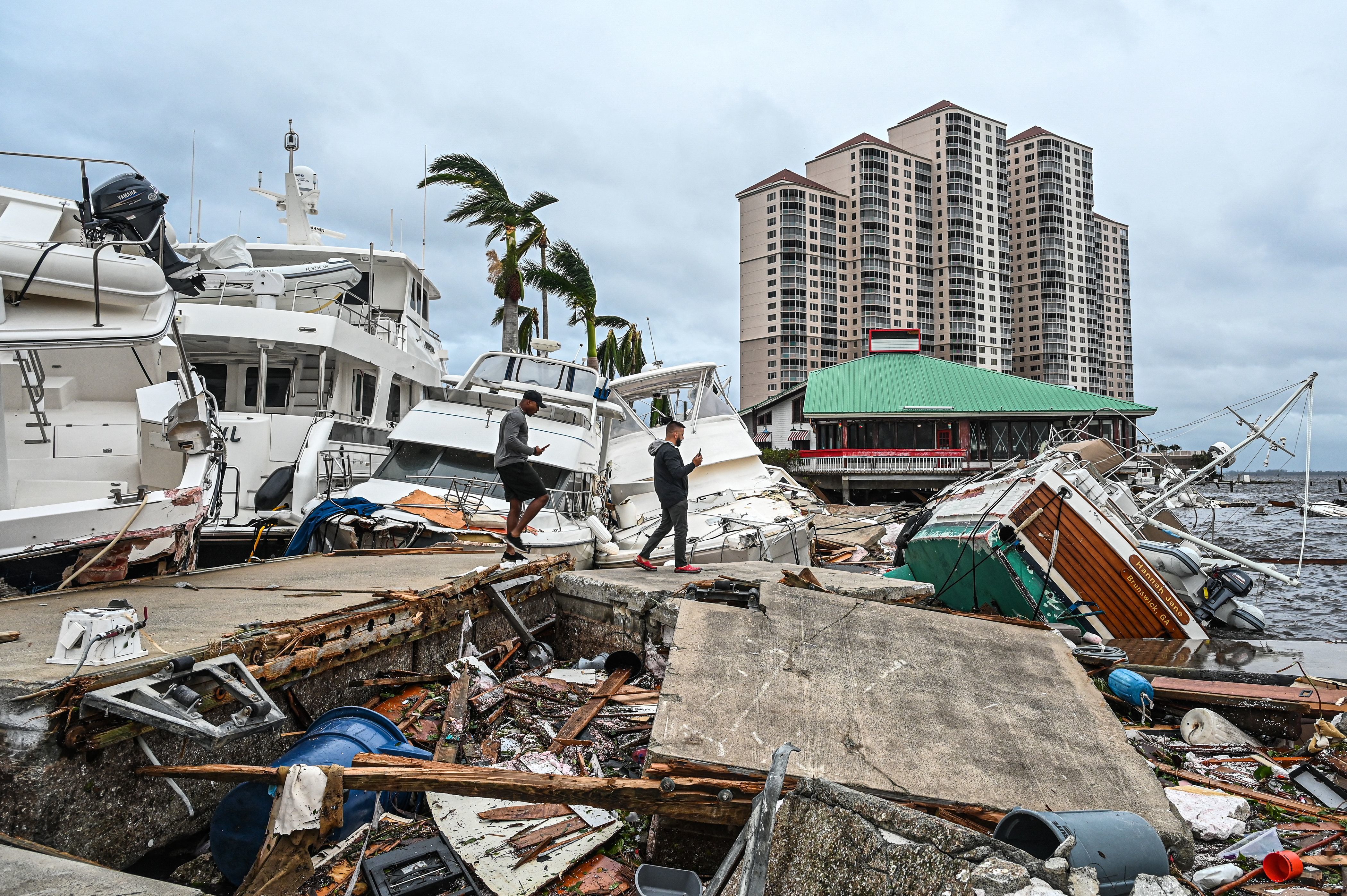
The most recent significant hurricane to make landfall in Florida was Hurricane Idalia, which struck the Big Bend region of Florida’s Gulf Coast as a powerful Category 3 storm on August 30, 2023. Idalia’s rapid intensification in the warm waters of the Gulf of Mexico saw it transition from a tropical storm to a major hurricane in a matter of hours, presenting a severe challenge for coastal communities and the tourism sector. Its impact underscored the continuous need for robust emergency protocols, resilient infrastructure, and clear communication strategies within the state’s travel and tourism industry.
Hurricane Idalia: A Deep Dive into its Tourism Impact
Idalia made landfall near Keaton Beach, Taylor County, unleashing a devastating storm surge that pushed inland for miles, particularly affecting low-lying coastal areas. While not directly hitting major metropolitan tourism hubs like Orlando or Miami, its path across the northern part of the state, through counties such as Dixie, Levy, and Suwannee, resulted in widespread power outages, significant flooding, and considerable damage to smaller, often charming, coastal towns that rely heavily on eco-tourism and recreational fishing.
For travelers, the primary concerns during and immediately after Idalia centered on safety, accessibility, and the operational status of services. Evacuation orders were issued for many coastal areas, impacting travel plans for thousands. Airports, including Tampa International Airport and others along the Gulf Coast, temporarily ceased operations, causing flight cancellations and delays that rippled across the national air travel network. Road closures due to flooding and debris further complicated movement within the state.
Coastal Communities and Natural Attractions
The Big Bend region, while less densely populated than South Florida, is cherished for its unique natural beauty, including extensive salt marshes, pristine springs, and diverse wildlife habitats. Destinations like Cedar Key, a historic fishing village and popular spot for kayaking and birdwatching, experienced severe storm surge inundation. The recovery of these areas is critical for their local economies, which are intrinsically linked to the allure of their unspoiled environment. Tourism in these regions often involves small, family-run businesses – fishing charters, kayak rentals, quaint B&Bs, and seafood restaurants – making them particularly vulnerable to economic disruption. The rebuilding efforts often rely heavily on community support and governmental aid, but also on the return of conscious travelers eager to contribute to local revitalization.
Indirect Impacts on Major Tourism Hubs
Even for areas not directly in Idalia’s path, such as Orlando or the Florida Keys, there were indirect effects. Theme parks like Walt Disney World Resort and Universal Orlando Resort implemented enhanced safety protocols, though they generally remained open. The main impact was on visitor flow, with some travelers cancelling or postponing trips due to general hurricane anxieties, even if their intended destination was well outside the storm’s cone. This highlights how a single weather event can influence broader tourism trends across an entire state, necessitating robust communication from tourism authorities like Visit Florida to reassure potential visitors about unaffected regions.
Resilience and Recovery in the Florida Tourism Sector

Florida’s tourism industry has developed a highly sophisticated system for preparing for and recovering from hurricanes, honed over decades of experience. This system involves a multi-faceted approach encompassing pre-storm planning, emergency response, and post-storm recovery and communication.
Proactive Measures and Emergency Communication
Ahead of Idalia’s landfall, state and local tourism bodies activated emergency operation centers. Visit Florida played a crucial role in disseminating real-time information, often collaborating with the Florida Department of Emergency Management and the National Hurricane Center. This included advising travelers on evacuation routes, shelter locations, and the operational status of airports, roads, and attractions. Hotels and resorts, particularly in coastal areas, implemented their own hurricane preparedness plans, which often involve securing outdoor furniture, boarding windows, ensuring generator power, and assisting guests with evacuation logistics. For many properties, this meant activating “shelter-in-place” protocols for essential staff and pre-booked guests who chose not to evacuate.
The Phased Approach to Recovery
Post-hurricane recovery in the tourism sector typically follows a phased approach:
- Immediate Assessment: First responders and infrastructure crews quickly assess damage to critical tourism infrastructure, including roads, bridges, utilities, and major attractions.
- Clean-up and Restoration: This phase involves extensive debris removal, utility restoration, and initial repairs to damaged properties. For natural attractions like state parks or beaches, this means clearing debris and assessing environmental impact.
- Reopening and Reassurance: Once safety is assured and services are restored, tourism businesses begin to reopen. This is where strategic marketing and public relations become vital, reassuring potential visitors that the destination is safe, accessible, and ready to welcome them. Campaigns often highlight the resilience of local communities and the unique experiences still available.
- Long-Term Rebuilding and Adaptation: For severely impacted areas, recovery can take months or even years, focusing on rebuilding stronger, more resilient infrastructure and implementing lessons learned from the storm. This might involve elevating structures, enhancing coastal protections, and investing in climate-resilient tourism development.
Planning Your Visit: Navigating Florida Post-Hurricane Season
For travelers considering a trip to Florida, understanding the implications of hurricanes is part of responsible and informed travel. While Idalia caused significant regional damage, much of Florida’s vast tourism landscape remained unaffected or recovered swiftly.
Best Practices for Travelers
- Monitor Weather Advisories: The official hurricane season runs from June 1 to November 30. If traveling during this period, stay informed by monitoring reputable sources like the National Hurricane Center and local news outlets.
- Travel Insurance is Key: Comprehensive travel insurance that covers hurricane-related cancellations or interruptions is highly recommended. Understand your policy’s terms regarding natural disasters.
- Flexibility with Plans: Consider booking flexible flights and accommodations, especially if traveling during peak hurricane season.
- Support Local Businesses: In areas that have experienced a hurricane, your tourism dollars are vital for recovery. Seek out local restaurants, shops, and tour operators. Your patronage directly aids community rebuilding efforts.
- Respect Environmental Recovery: Be mindful that natural habitats, especially coastal areas, may be in various stages of recovery. Follow local guidelines regarding beach access, park closures, and wildlife protection.
Florida’s Enduring Appeal
Despite the occasional challenges posed by hurricanes, Florida’s appeal as a tourism destination remains undiminished. The state’s natural beauty, from the coral reefs of the Florida Keys to the wilderness of Everglades National Park, combined with its vibrant cultural scenes and world-famous attractions, continues to draw visitors from across the globe. The resilience of its people and the proactive measures of its tourism industry ensure that the Sunshine State consistently rebuilds, adapts, and continues to offer unforgettable experiences. By understanding the recent history of events like Hurricane Idalia and practicing informed travel, visitors can fully appreciate the dynamic beauty and enduring spirit of Florida.
LifeOutOfTheBox is a participant in the Amazon Services LLC Associates Program, an affiliate advertising program designed to provide a means for sites to earn advertising fees by advertising and linking to Amazon.com. Amazon, the Amazon logo, AmazonSupply, and the AmazonSupply logo are trademarks of Amazon.com, Inc. or its affiliates. As an Amazon Associate we earn affiliate commissions from qualifying purchases.