
Understanding the daily temperature in Orlando, Florida, is paramount for any traveler planning a visit to this world-renowned destination. While a specific daily reading can fluctuate, grasping the overarching climate patterns and how they influence the travel experience is far more valuable. Orlando, often synonymous with theme park adventures and vibrant cultural scenes, operates under a distinct subtropical climate that dictates everything from what to pack to the best times for outdoor activities. This insight helps travelers optimize their itineraries, ensuring comfort and maximum enjoyment during their stay.
Understanding Orlando’s Climate for Your Travel Plans
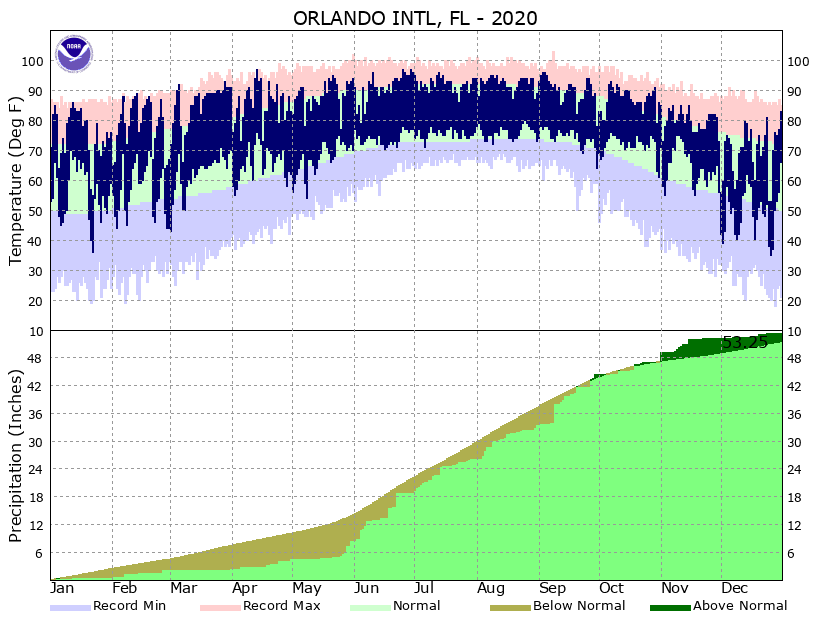
Orlando’s weather is largely defined by its position in the subtropics, characterized by long, hot, and humid summers, and short, mild, and dry winters. The city’s distance from the coast means it doesn’t experience the immediate cooling effects of the Atlantic Ocean or the Gulf of Mexico as directly as coastal cities, leading to generally higher inland temperatures, especially during peak summer months.
The Subtropical Reality of Central Florida
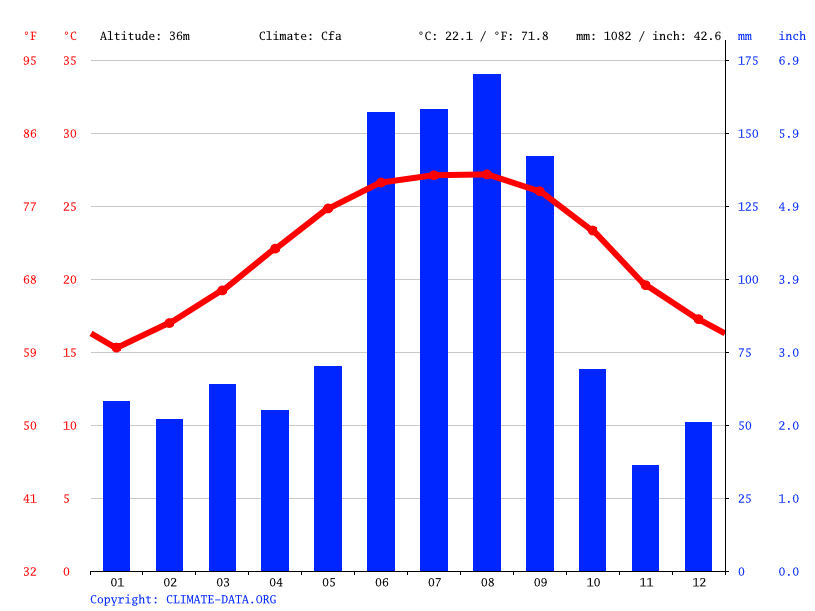
The climate of Orlando is classified as humid subtropical, meaning it experiences significant humidity year-round, which can make even moderate temperatures feel warmer due to the higher heat index. Summers, from June to September, are typically very hot, with daily high temperatures consistently reaching into the low to mid-90s Fahrenheit (32-35°C), often feeling like 100°F (38°C) or more with the humidity. These months are also characterized by frequent afternoon thunderstorms, which provide brief, intense downpours and temporary relief from the heat before humidity quickly returns.
Winters, from December to February, are considerably milder and drier. Daytime temperatures during these months usually range from the low 60s to low 70s Fahrenheit (16-23°C), with cooler evenings dropping into the 40s or 50s (4-15°C). Frost is rare but possible on the coldest nights. Spring (March to May) and autumn (October to November) act as transitional periods, offering some of the most pleasant weather for visitors, with comfortable temperatures and lower humidity before the summer heat or after it has subsided.
Seasonal Temperature Trends
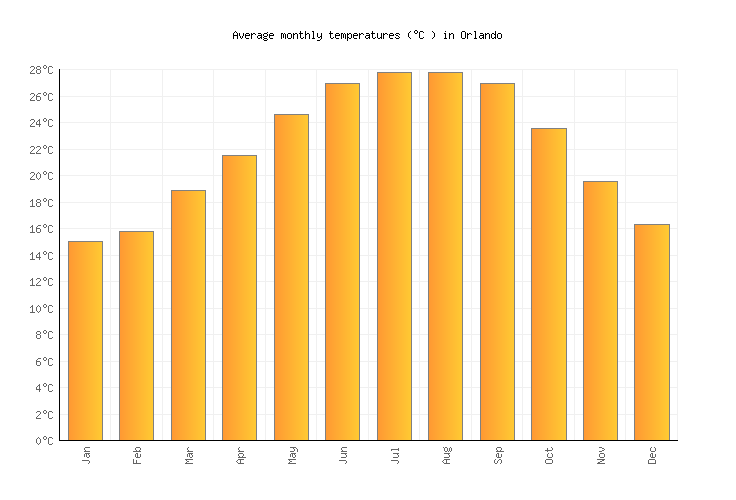
- Summer (June – September): This is the hottest period. Expect daily highs in the low to mid-90s Fahrenheit (32-35°C), with high humidity making it feel much warmer. Afternoon thunderstorms are common. This period coincides with hurricane season, though direct impacts are infrequent.
- Autumn (October – November): A beautiful time to visit as temperatures begin to cool, and humidity drops. Highs typically range from the mid-70s to mid-80s Fahrenheit (24-29°C). Nights are pleasantly mild.
- Winter (December – February): The coolest and driest season. Daytime highs are usually in the 60s and low 70s Fahrenheit (16-23°C). Mornings and evenings can be chilly, sometimes dipping into the 40s (4-9°C).
- Spring (March – May): Another ideal window for travel. Temperatures rise steadily from the low 70s to high 80s Fahrenheit (21-31°C) as the season progresses, with relatively low humidity, especially in early spring.
Navigating Orlando’s Heat: Strategies for a Comfortable Visit
For many visitors, especially those from cooler climates, Orlando’s summer heat can be intense. However, with smart planning and a few strategic adjustments, you can still have an incredibly enjoyable trip, regardless of the thermometer reading.
Hydration and Sun Protection Essentials
Staying hydrated is non-negotiable in Orlando, particularly during the warmer months. Carry a reusable water bottle and take advantage of water fountains and refill stations throughout theme parks and attractions. Electrolyte drinks can also be beneficial. Sun protection is equally vital:
- Sunscreen: Apply broad-spectrum sunscreen with an SPF of 30 or higher liberally and reapply every two hours, or more often if swimming or sweating.
- Hats and Sunglasses: Wide-brimmed hats offer excellent face and neck protection, while UV-protective sunglasses shield your eyes.
- Lightweight Clothing: Opt for light-colored, loose-fitting, breathable fabrics like cotton or moisture-wicking synthetics.
Best Times to Visit for Milder Weather
For those sensitive to heat or looking to avoid peak crowds, visiting during the shoulder seasons or winter offers the most comfortable weather.
- Late Spring (April – May): While crowds start to pick up towards Memorial Day, early May often presents a sweet spot with warm but not oppressive temperatures and generally lower humidity than summer.
- Early Autumn (October – November): This is arguably the best time to visit. The hurricane season risk decreases, temperatures are very pleasant, and the theme parks often host special Halloween and Christmas events.
- Winter (December – February): Except for the two weeks around Christmas and New Year’s, winter generally sees fewer crowds and wonderfully cool, dry weather, perfect for extended park days.
Morning vs. Afternoon Activities
Strategically planning your day around Orlando’s temperature peaks is a smart move, especially in summer.
- Mornings: Arrive at theme parks right when they open (rope drop) to tackle popular rides and attractions before the midday heat and crowds become overwhelming. The first few hours of the day are often the coolest and least crowded.
- Midday/Afternoon: This is an ideal time for indoor activities. Consider returning to your hotel for a swim or a nap, visiting indoor attractions like the Orlando Science Center or SEA LIFE Orlando Aquarium, or enjoying a leisurely indoor meal. Many theme parks offer extensive indoor shows, character greetings, and air-conditioned shops where you can escape the heat.
- Evenings: As the sun sets, temperatures cool slightly, and the parks come alive with parades, fireworks, and illuminated attractions. This is a great time to re-enter the parks or explore Downtown Orlando‘s dining and entertainment scene.
The Impact of Temperature on Orlando’s Iconic Attractions
Orlando’s most famous attractions are designed to be enjoyed year-round, but temperature undeniably plays a significant role in the overall experience. Understanding this can help you tailor your visit to suit the prevailing weather conditions.
Theme Parks: Walt Disney World and Universal Orlando Resort
The major theme parks, Walt Disney World and Universal Orlando Resort, are vast and primarily outdoor experiences.
- Heat Management: During hot periods, focus on attractions with indoor queues or those offering significant shade. Walt Disney World’s Haunted Mansion or Universal Orlando Resort’s Harry Potter and the Forbidden Journey offer air-conditioned relief. Take advantage of water rides like Splash Mountain (at Magic Kingdom) or Dudley Do-Right’s Ripsaw Falls (Universal’s Islands of Adventure) for a refreshing splash.
- Parades and Shows: Check schedules for parades and outdoor shows. During summer, these might be strategically timed for late afternoon or evening when temperatures are slightly cooler, or in shaded areas. Indoor shows are excellent heat escapes.
Water Parks and Outdoor Adventures
Orlando boasts incredible water parks, which become essential havens during warmer months. Discovery Cove, Aquatica Orlando, and Universal’s Volcano Bay are perfect for cooling off. While these parks are highly enjoyable in summer, even in cooler months, many water features are heated, allowing for pleasant visits even when the air temperature is mild.
For outdoor adventures beyond the parks, such as airboat rides through the Everglades or exploring natural springs, spring and autumn offer the most comfortable conditions. The summer sun can be quite intense on open water or trails.
Downtown Orlando and Cultural Experiences
Exploring Downtown Orlando’s diverse offerings, from its lively nightlife to its burgeoning arts scene, is often best done when temperatures are agreeable.
- Cooler Months: Ideal for strolling Lake Eola Park, enjoying outdoor dining, or attending festivals.
- Warmer Months: Focus on indoor attractions like the Dr. Phillips Center for the Performing Arts, the Orlando Museum of Art, or exploring the many air-conditioned shops and restaurants. Evenings offer a pleasant opportunity to enjoy outdoor patios once the sun goes down.
Packing Smart for Orlando’s Forecast
Your packing list for Orlando should always be adaptable, reflecting the city’s variable subtropical climate. Anticipating the daily temperature is key, but so is preparing for humidity and sudden showers.
Lightweight and Breathable Apparel
Regardless of the season, packing lightweight, breathable clothing is advisable.
- Summer: Focus on shorts, t-shirts, tank tops, and light dresses made from cotton, linen, or performance fabrics that wick away moisture.
- Spring/Autumn: Layering is key. Bring long-sleeved shirts, light jackets, or sweaters for cooler mornings and evenings, alongside your lighter daytime attire.
- Winter: You’ll definitely need long pants, long-sleeved shirts, sweaters, and a medium-weight jacket. A scarf or light gloves might be welcome on particularly chilly evenings or early mornings.
Rain Gear Considerations
Afternoon thunderstorms are a hallmark of Orlando’s summer, but rain can occur any time of year.
- Ponchos or Compact Umbrellas: These are invaluable. They’re easy to carry and provide quick protection during sudden downpours. Many visitors purchase ponchos inside the theme parks, but bringing your own can save money.
- Water-Resistant Bag: Keep electronics and valuables safe from unexpected showers.
Footwear for All Conditions
You’ll do a lot of walking in Orlando, especially in the theme parks, so comfortable shoes are paramount.
- Comfortable Walking Shoes: Sneakers or athletic shoes are a must. Ensure they are well broken-in before your trip.
- Sandals or Water Shoes: Essential for water parks or if you anticipate getting wet on rides. In summer, good quality, supportive sandals can also be comfortable for general park exploration.
- Spare Socks: Especially in warmer, wetter months, having extra pairs of socks can prevent blisters and keep your feet feeling fresh.
Beyond the Thermometer: Humidity and Other Weather Factors
While knowing the temperature is crucial, Orlando’s weather story is incomplete without considering humidity and the potential for tropical systems. These factors significantly influence comfort levels and travel planning.
The Role of Humidity in Perceived Temperature
Orlando’s high humidity is perhaps its most defining weather characteristic, especially from May through October. High humidity traps heat, making the air feel much warmer and muggier than the actual air temperature might suggest. This is quantified by the “heat index,” which combines air temperature and relative humidity to determine a perceived temperature. A 90°F (32°C) day with high humidity can easily feel like 100°F (38°C) or more. This makes staying hydrated and seeking air-conditioned environments even more important.
Thunderstorms and Brief Showers
During the summer months, daily afternoon thunderstorms are a near certainty. They typically roll in rapidly, deliver intense rain and lightning for about 30-60 minutes, and then clear out, often leaving behind a slightly cooler, but still humid, atmosphere. These storms are usually localized, meaning it might be pouring at Magic Kingdom while Epcot remains dry. While they can temporarily halt outdoor rides, they rarely last long enough to ruin a whole day. Embrace them as a refreshing break, find an indoor show, or enjoy some shopping.
Tropical Systems: A Minor but Important Consideration
Florida is located in a region prone to tropical storms and hurricanes, with the official season running from June 1st to November 30th. While Orlando is inland and less susceptible to direct coastal impacts, severe weather from these systems can still bring heavy rainfall, strong winds, and travel disruptions. Major resorts and attractions have robust plans in place for such events. If traveling during hurricane season, it’s wise to monitor forecasts, consider travel insurance, and be aware of your airline and hotel’s policies regarding weather-related cancellations. However, it’s important to remember that most days during hurricane season are perfectly sunny and pleasant.
Ultimately, keeping an eye on the forecast for Orlando before and during your trip is always a good practice. However, by understanding the broader climate context, embracing smart planning, and packing appropriately, you can ensure that regardless of the exact temperature in Orlando today, your travel experience will be comfortable, memorable, and filled with magic.
LifeOutOfTheBox is a participant in the Amazon Services LLC Associates Program, an affiliate advertising program designed to provide a means for sites to earn advertising fees by advertising and linking to Amazon.com. Amazon, the Amazon logo, AmazonSupply, and the AmazonSupply logo are trademarks of Amazon.com, Inc. or its affiliates. As an Amazon Associate we earn affiliate commissions from qualifying purchases.