
California, a land celebrated for its sunshine and diverse landscapes, often conjures images of endless clear skies and golden beaches. However, understanding its rainy season is paramount for any traveler planning a visit, as precipitation patterns significantly shape the travel experience, dictating everything from suitable activities to necessary packing essentials. Far from a uniform experience, rain in California is a nuanced phenomenon, varying dramatically across its vast geographical expanse and typically concentrated within a specific window of the year.
California’s Distinct Climate Zones and Rainfall
The immense size and varied topography of California mean that rainfall isn’t a “one-size-fits-all” event. The state is broadly divided into several distinct climate zones, each with its own rhythm of wet and dry periods. Recognizing these regional differences is the first step in decoding California’s rainfall calendar.

Northern California’s Wet Winters
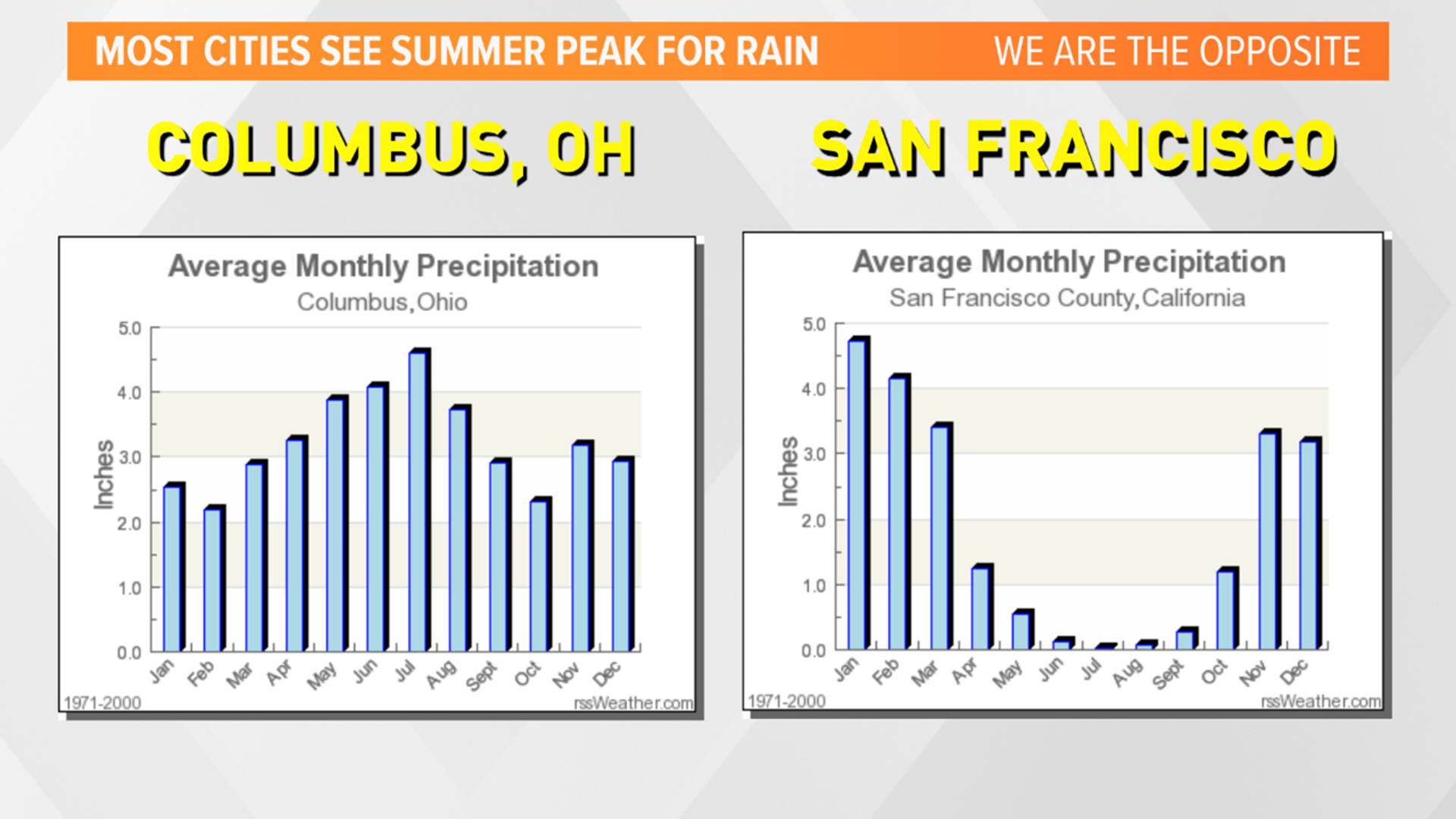
Northern California, characterized by its lush forests, rugged coastline, and iconic cities like San Francisco, experiences a more pronounced rainy season compared to its southern counterpart. Here, the bulk of precipitation arrives between late October and April. Coastal areas, particularly around places like Redwood National Park, can see significant rainfall, often manifesting as persistent drizzle or heavy downpours. The higher elevations of the Sierra Nevada mountains, home to destinations such as Lake Tahoe and Yosemite National Park, transform the rain into substantial snowfall during these months, creating prime conditions for winter sports. Travelers venturing to Napa Valley or Sonoma during this time might encounter misty mornings and wet afternoons, adding a cozy charm to wine-tasting experiences.
Southern California’s Mediterranean Influence
Southern California, encompassing vibrant cities like Los Angeles and San Diego, enjoys a classic Mediterranean climate. This means hot, dry summers and mild, wet winters. The rainy season here typically spans from November to March, but the total annual precipitation is considerably less than in the north. Rain often comes in shorter, more intense bursts rather than prolonged periods. While less frequent, these rain events can still be significant, occasionally leading to localized flooding, especially in areas prone to mudslides after wildfires. For travelers, this means that even during the “rainy season,” many days will still be sunny and pleasant, making it a popular winter escape.
The Desert’s Scarcity and Monsoon Surprises
California’s desert regions, including destinations like Palm Springs and Death Valley National Park, are characterized by extreme aridity. Rain is a rare event, and when it does occur, it can be dramatic. The primary “rainy season” for these areas is generally the same winter period (November to March), but rainfall totals are minimal. However, these regions can also experience what is known as the North American Monsoon, typically from July to September. This phenomenon brings occasional thunderstorms and flash floods, which, while infrequent, can be dangerous and transformative for the landscape, leading to spectacular wildflower blooms in subsequent spring seasons.
The Typical Rainy Season: October to April
While the specifics vary by region, the overarching rainy season for the majority of California generally falls between October and April. This seven-month window accounts for the vast majority of the state’s annual precipitation, shaping travel planning and expectations.
Early Season: October and November
October marks the subtle shift from summer’s relentless dryness. While many parts of the state still enjoy warm, sunny days, particularly Southern California, the first significant storms typically begin to roll into Northern California by late October. November sees an increase in frequency and intensity, especially along the coast and in the northern regions. This period can be beautiful, as the landscape, parched from months of sun, eagerly drinks in the first rains, and the air takes on a crisp, clean quality. Fall foliage in areas like Napa Valley and the Sierra Nevada can be spectacular, often enhanced by misty conditions.
Peak Season: December to March
The heart of California’s rainy season stretches from December through March. This is when the state experiences its most consistent and heaviest rainfall, along with significant snowfall in the mountains. Atmospheric rivers, corridors of concentrated moisture in the atmosphere, can occasionally bring intense, prolonged downpours, leading to concerns about flooding and mudslides, particularly in areas scarred by recent wildfires. For winter sports enthusiasts, this is prime time for skiing and snowboarding in resorts across the Sierra Nevada. However, road closures due to snow or flooding, especially on mountain passes and scenic coastal routes like Highway 1 through Big Sur, are common.
Late Season: April
By April, the frequency of storms begins to wane, and the days grow longer and warmer. While rain showers are still possible, particularly in Northern California and the mountains, they are generally less intense and more interspersed with sunny periods. This transition month is often considered one of the best times to visit California, especially for experiencing the vibrant wildflower blooms that carpet hillsides and valleys, a direct result of the winter rains. Temperatures are mild, and the crowds of summer have not yet arrived.
Impact on Travel Planning and Activities
The timing and nature of California’s rain have a profound impact on travel planning, offering both challenges and unique opportunities for exploration.
Embrace the Green: Winter’s Natural Beauty
Visiting during the rainy season presents a completely different, often more verdant, side of California. The golden hillsides of summer transform into lush green landscapes, perfect for hiking and photography. Waterfalls in places like Yosemite National Park are at their most powerful, fed by melting snow and recent rainfall. The cooler temperatures are ideal for exploring urban areas like San Francisco or Los Angeles without the intense summer heat, and often with fewer tourists.
Ski and Snowboard Escapes
For those whose travel plans revolve around winter sports, the rainy season in lower elevations translates to abundant snowfall in the mountains. Destinations like [Lake Tahoe](https://lifeoutofthebox.com/lake- tahoe) become world-class ski and snowboard havens, with resorts typically opening in November and operating well into spring, sometimes even May or June, depending on snowpack. Planning a trip during these months requires checking snow conditions and road advisories diligently.
Coastal Delights (and Caution)
The California coastline during the rainy season can be dramatically beautiful, with stormy seas and dramatic skies. Whale watching tours can be fantastic as gray whales migrate south. However, some coastal roads, particularly Highway 1 through Big Sur, are susceptible to closures due to mudslides or rockfalls following heavy rains. Always check road conditions before embarking on a scenic drive.
Urban Explorations
Rainy days are ideal for exploring California’s world-class museums, art galleries, and indoor attractions. Cities like San Francisco, Los Angeles, and San Diego offer an abundance of indoor activities, from aquariums and science centers to historic missions and vibrant culinary scenes. Many vineyards in Napa Valley also provide excellent indoor tasting rooms, offering a warm refuge from the weather.
Preparing for California’s Rainy Days
Even with California’s generally mild climate, being prepared for rain during the wet season is crucial for a comfortable and enjoyable trip.
Packing Essentials
Pack layers, as temperatures can fluctuate throughout the day, even during the rainy season. A waterproof and windproof jacket is indispensable, along with waterproof shoes or boots, especially if you plan on exploring nature trails or urban areas on foot. An umbrella is also a practical item for city sightseeing. For mountain visits, proper winter gear, including insulated clothing, gloves, hats, and goggles, is a must.
Driving Safely
Rain can significantly impact driving conditions, particularly on California’s freeways and winding mountain roads. Reduce speed, increase following distance, and be aware of potential hydroplaning. Flash flood warnings, especially in desert areas or burn scar regions, should be taken seriously. If traveling to snow-prone areas, carry tire chains or ensure your vehicle has appropriate snow tires, as chain controls are frequently enforced. Always check road conditions via Caltrans before setting out.

Flexibility is Key
Perhaps the most important tip for traveling in California during the rainy season is to maintain flexibility with your itinerary. Weather forecasts can change rapidly, and heavy rain or snow can lead to unexpected road closures or altered plans. Having alternative indoor activities or different routes planned can help ensure your trip remains enjoyable, regardless of the weather’s whims. Embrace the opportunity to see California in a different light – a vibrant, refreshed, and often less crowded landscape.
LifeOutOfTheBox is a participant in the Amazon Services LLC Associates Program, an affiliate advertising program designed to provide a means for sites to earn advertising fees by advertising and linking to Amazon.com. Amazon, the Amazon logo, AmazonSupply, and the AmazonSupply logo are trademarks of Amazon.com, Inc. or its affiliates. As an Amazon Associate we earn affiliate commissions from qualifying purchases.