
For travelers planning a visit to Miami, Florida, understanding the prevailing climate is paramount to a successful and enjoyable experience. While the exact temperature at any given second is dynamic, Miami’s consistent subtropical weather patterns allow for insightful predictions and preparation. Known globally for its vibrant culture, stunning beaches, and ceaseless energy, Miami’s allure is deeply intertwined with its warm, often humid, climate. This guide delves into what you can generally expect from the Magic City’s thermometer, helping you pack appropriately and plan your activities to make the most of your trip.

Understanding Miami’s Subtropical Climate
Miami is characterized by a tropical monsoon climate, bordering on a tropical savanna climate, which means hot, humid summers and warm, dry winters. This unique position, nestled between the Everglades National Park to the west and the Atlantic Ocean to the east, significantly influences its weather patterns. The Gulf Stream, a powerful ocean current, also plays a role, keeping coastal temperatures milder in winter and preventing extreme heat in summer compared to inland areas.
The city essentially experiences two main seasons: the “dry season” from November to April and the “wet season” from May to October. During the dry season, temperatures are comfortably warm, humidity is lower, and rainfall is minimal. This is considered the peak tourist season due to the idyllic conditions. Conversely, the wet season brings higher temperatures, significant humidity, and frequent, though often brief, afternoon thunderstorms. This period also coincides with hurricane season, typically from June 1st to November 30th, with peak activity between August and October.
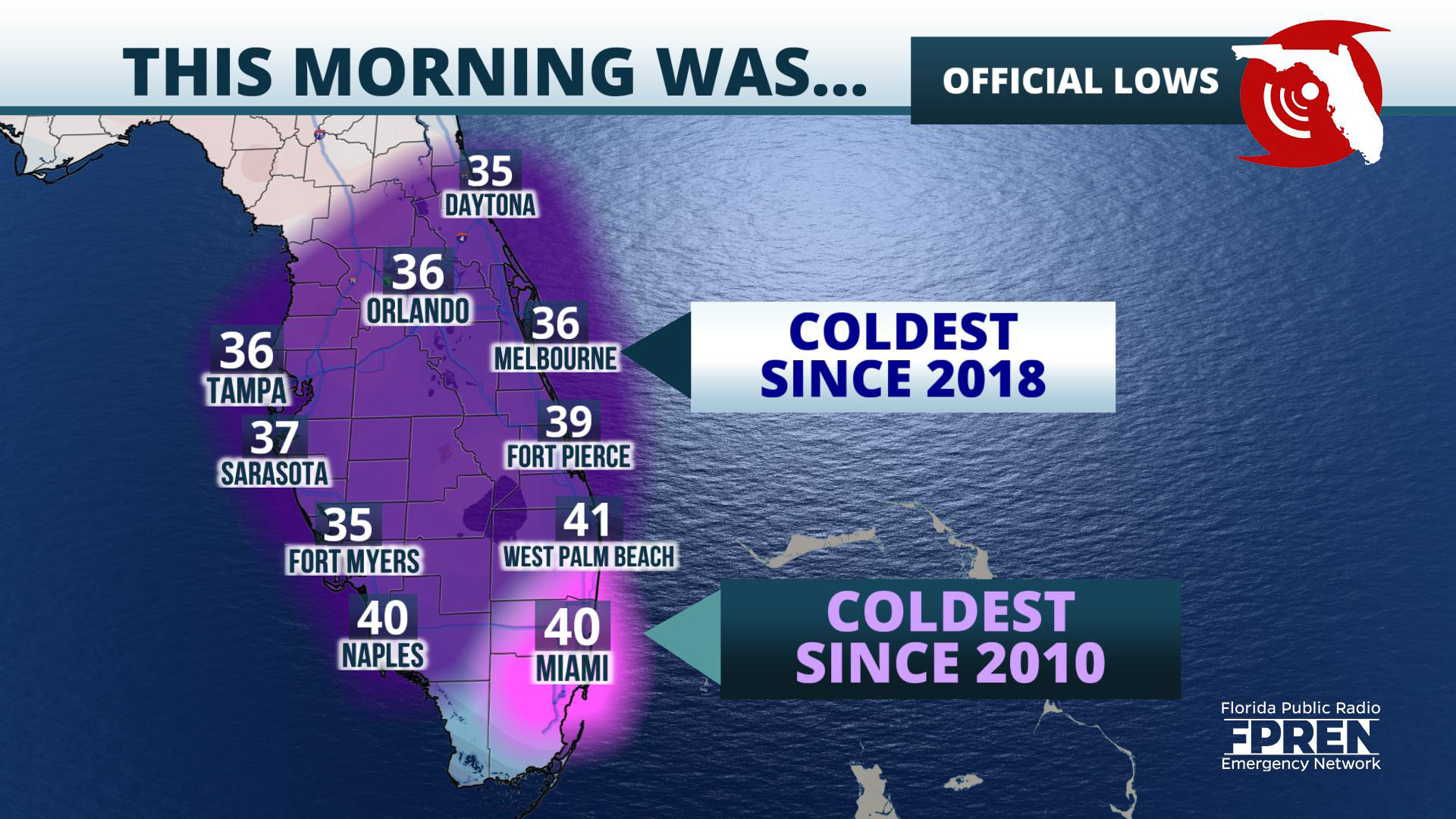
Average temperatures in Miami rarely dip below 60°F (15°C) even in the coldest months, and often soar into the high 80s or low 90s°F (30s°C) during the summer. The constant warmth means that outdoor activities are always on the agenda, but the level of comfort depends heavily on the time of year and your tolerance for humidity.
Seasonal Travel Planning: What to Expect
Understanding Miami’s seasonal shifts is crucial for tailoring your travel plans. Each period offers a distinct experience, dictated largely by temperature and weather.
Winter (December – February): The Peak Season
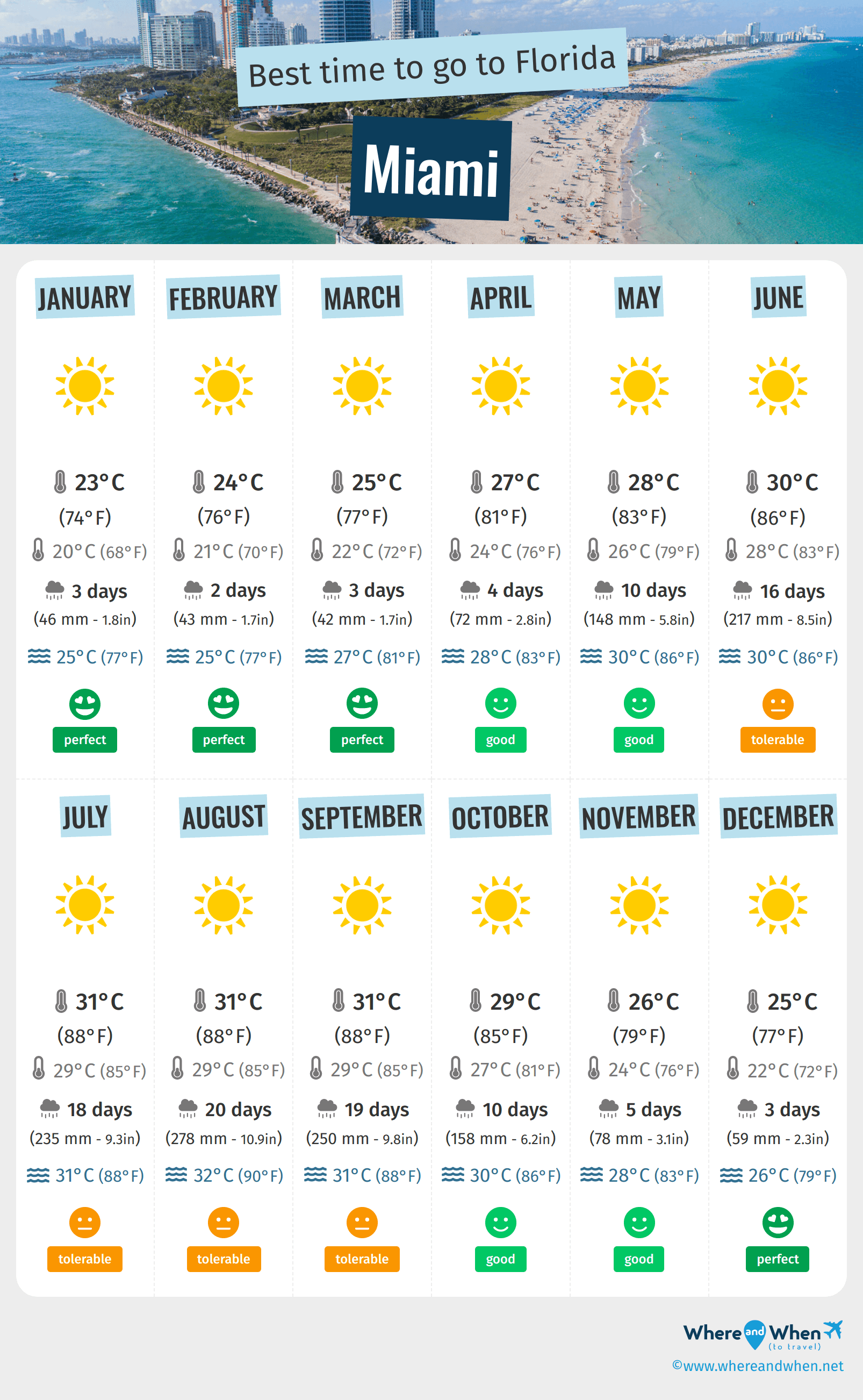
This is arguably the most coveted time to visit Miami, attracting visitors seeking an escape from colder northern climates. Temperatures during these months are typically ideal, ranging from comfortable lows in the mid-60s°F (18-20°C) to pleasant highs in the mid-70s°F (24-26°C). Humidity levels are significantly lower, making outdoor activities incredibly enjoyable. Days are mostly sunny, with very little rain.
This period is perfect for strolling along South Beach, exploring the Art Deco Historic District, dining al fresco, or enjoying a boat tour on Biscayne Bay. Festivals and events, such as Art Basel Miami Beach, are abundant, creating a vibrant atmosphere. Expect higher prices for flights and accommodations, and be sure to book well in advance. Packing light layers for cooler evenings is advisable, but swimwear and light clothing will be your primary attire.
Spring (March – May): Pleasant Transitions
As winter fades, Miami transitions into a delightful spring. Temperatures begin to warm up, averaging from the low 70s°F (21-23°C) to low 80s°F (27-29°C), with humidity gradually increasing but still remaining manageable. Rainfall is still relatively infrequent, making it an excellent time for exploring.
While Spring Break can bring an influx of younger crowds to certain areas in March, the rest of the spring offers a slightly less crowded experience than the peak winter months. This period is ideal for enjoying the city’s outdoor attractions, from the lush gardens of Vizcaya Museum & Gardens to the colorful murals of Wynwood Walls, before the intense summer heat sets in. Light clothing and sun protection remain essential.
Summer (June – August): Heat, Humidity, and Hurricanes
Summer in Miami is characterized by high temperatures and pervasive humidity. Daily highs often hover in the upper 80s to low 90s°F (30-33°C), with the “real feel” index making it feel even hotter due to the high moisture content in the air. This is the wet season, meaning afternoon thunderstorms are common. These showers are often brief but intense, providing a temporary cooldown before the sun reemerges. This period also marks the beginning of hurricane season.
Despite the challenging weather, summer offers unique advantages for travelers. Prices for flights and accommodations tend to be lower, presenting value travel opportunities. Activities shift towards water-based recreation, such as spending time on the beach, by the pool, or engaging in water sports in Biscayne Bay. Indoor attractions like the Pérez Art Museum Miami or the Phillip and Patricia Frost Museum of Science become more appealing for escaping the heat. When packing, focus on lightweight, moisture-wicking fabrics, and always have rain gear on hand.
Autumn (September – November): Cooling Down
Autumn sees Miami slowly transitioning out of the intense summer heat and humidity. Temperatures remain warm, typically in the low to mid-80s°F (27-30°C), but with a gradual decrease in humidity, especially as November approaches. While early autumn is still within hurricane season, the risk diminishes towards the end of the period.
This is a fantastic time to visit if you’re looking for pleasant weather without the peak season crowds and prices. The city’s cultural scene begins to ramp up, and outdoor dining becomes more comfortable. Events like Miami Spice, a restaurant promotion, offer excellent culinary experiences. Packing essentials remain similar to spring, with a focus on comfortable, breathable clothing and sun protection, alongside a light rain jacket.
Beyond the Thermometer: How Temperature Shapes Your Miami Experience
The ambient temperature in Miami does more than just dictate your clothing choices; it fundamentally shapes the rhythm and available experiences of your trip.
During the cooler, drier months, Miami thrives outdoors. Long walks through the Art Deco Historic District, exploring the vibrant streets of Little Havana, or day trips to the Everglades National Park become immensely enjoyable. South Beach is buzzing with activity, and outdoor cafes and rooftop bars are at their prime.
Conversely, the hot and humid summer months encourage a more relaxed, water-centric, or indoor itinerary. Mornings are best for outdoor excursions before the peak heat sets in. Afternoons often involve cooling off by the pool, swimming in the Atlantic Ocean, or ducking into air-conditioned museums, galleries, or shopping centers like Brickell City Centre. Evenings bring a slight respite, perfect for enjoying Miami’s renowned nightlife or waterfront dining. Regardless of the season, adequate hydration and sun protection are non-negotiable for a healthy and pleasant visit.
Essential Packing Tips for Any Miami Visit
Given Miami’s climate, a few universal packing principles apply, regardless of the specific temperature at the moment of your arrival:
- Lightweight, Breathable Fabrics: Cotton, linen, and moisture-wicking synthetics are your best friends. These will keep you comfortable in both heat and humidity.
- Swimwear: A non-negotiable item, even in winter. Miami’s beaches and pools are inviting year-round.
- Sun Protection: A wide-brimmed hat, sunglasses, and high-SPF sunscreen are absolutely essential. The Florida sun is strong, even on cloudy days.
- Comfortable Walking Shoes: Whether you’re exploring neighborhoods or strolling along the beach, comfortable footwear is key. Sandals, flip-flops, and breathable sneakers are ideal.
- Rain Gear (especially May-October): A light, packable rain jacket or umbrella can be a lifesaver during sudden summer downpours.
- Light Jacket or Sweater (Winter & Air Conditioning): While days are warm, evenings in winter can be cool, and air conditioning indoors is often very strong. A light layer is always a good idea.
Ultimately, while the exact “right now” temperature in Miami, Florida fluctuates, the city’s predictable subtropical climate ensures a generally warm and inviting environment for travelers. By understanding the seasonal patterns and packing smartly, you can enjoy all the vibrant experiences Miami has to offer, whatever the thermometer reads.
LifeOutOfTheBox is a participant in the Amazon Services LLC Associates Program, an affiliate advertising program designed to provide a means for sites to earn advertising fees by advertising and linking to Amazon.com. Amazon, the Amazon logo, AmazonSupply, and the AmazonSupply logo are trademarks of Amazon.com, Inc. or its affiliates. As an Amazon Associate we earn affiliate commissions from qualifying purchases.