
Planning a trip to Jacksonville means considering many factors, and the weather is paramount among them. As the largest city by land area in the contiguous United States and nestled along Florida’s northeast coast, Jacksonville offers a diverse range of attractions from pristine beaches to sprawling urban parks and a vibrant downtown core. However, to truly maximize your experience, understanding the day’s forecast and how it integrates with Jacksonville’s unique subtropical climate is essential for any traveler.
Understanding Jacksonville’s Climate for Seamless Travel
Jacksonville is characterized by a humid subtropical climate, which translates to distinct seasons, each presenting its own appeal and challenges for visitors. Summers are typically hot and humid, often accompanied by afternoon thunderstorms, while winters are mild and generally pleasant. Spring and fall act as delightful transitions, offering some of the most comfortable weather for exploration.
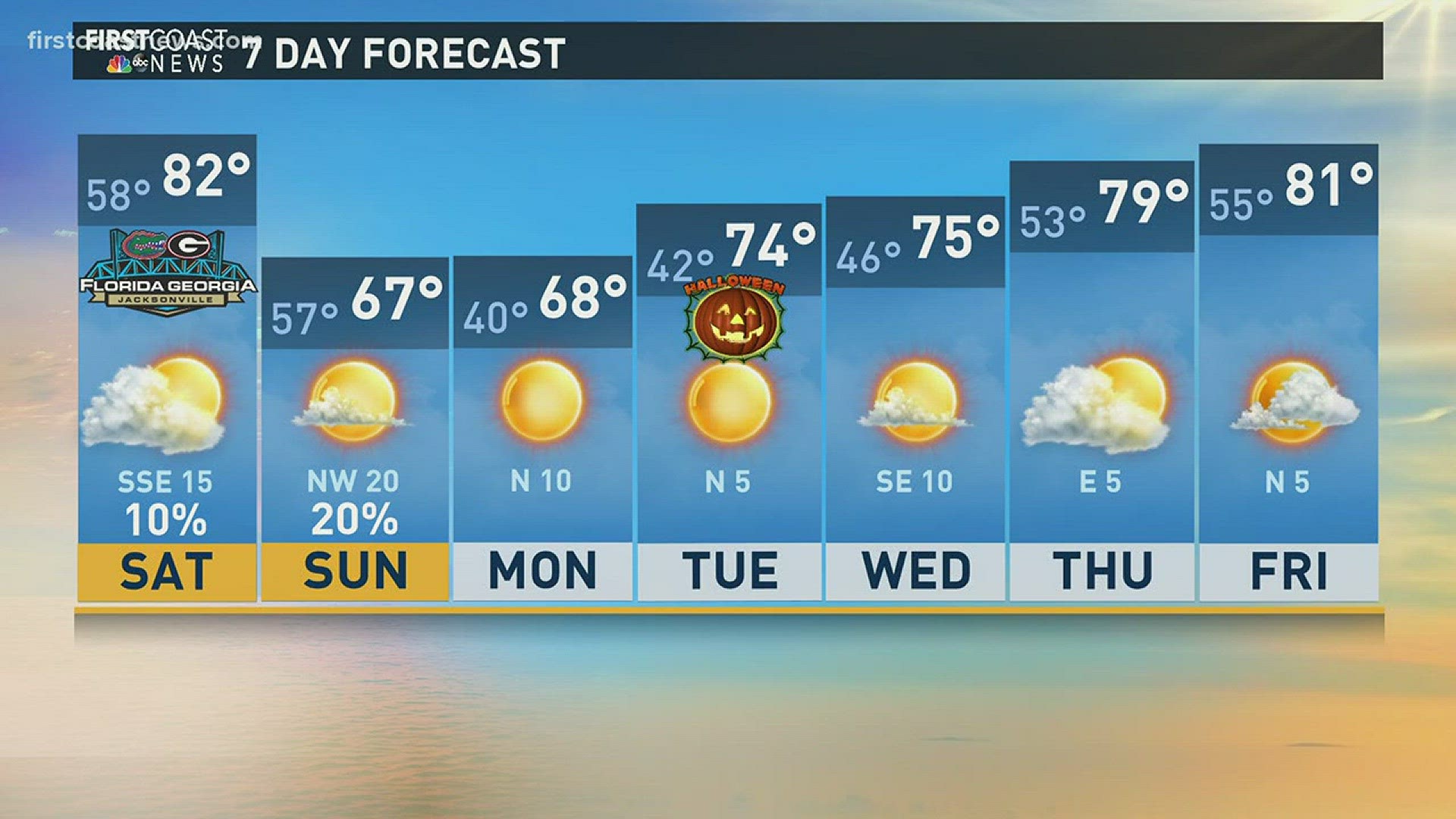
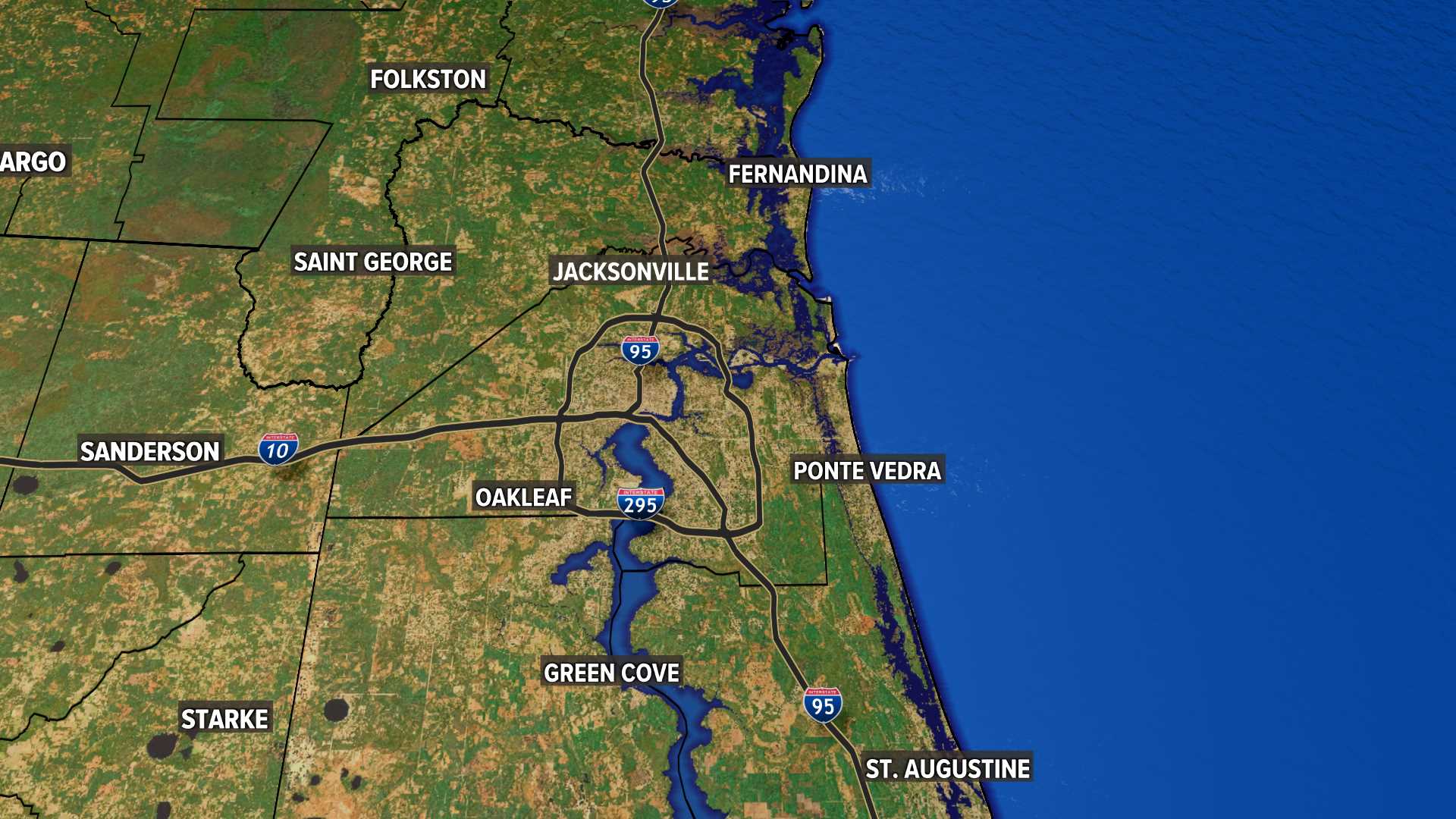
The city’s proximity to the Atlantic Ocean plays a significant role in moderating temperatures, especially along the immediate coastline. This maritime influence can mean slight variations in weather conditions between the beach communities like Jacksonville Beach, Atlantic Beach, and Neptune Beach, and the inland areas near Downtown Jacksonville or the St. Johns River.
For travelers, recognizing these overarching climate patterns is the first step. However, a granular look at the daily forecast is crucial. A sunny day promises ideal conditions for beachcombing or outdoor adventures at a park, while a rainy spell might redirect your plans towards museums or indoor attractions. Humidity levels also vary greatly, impacting comfort for outdoor activities, especially during the warmer months. Always check local forecasts from reliable sources like the National Weather Service or reputable weather apps just before and during your visit to get the most accurate, real-time information.
Today’s Forecast and Its Travel Implications
Let’s imagine for a moment what “today’s” weather in Jacksonville might entail and how it shapes your travel itinerary. Suppose the forecast calls for partly cloudy skies with a high of 78°F (25°C), moderate humidity, and a 30% chance of isolated afternoon showers. This scenario represents a fairly common day outside of peak summer or winter, offering a blend of opportunities and considerations.
Preparing for a Jacksonville Day
Given a forecast of 78°F and moderate humidity, light, breathable clothing would be most appropriate. Think cottons, linens, and moisture-wicking fabrics. Shorts, t-shirts, and comfortable walking shoes are staples. Even with a lower chance of rain, an umbrella or a light waterproof jacket is a wise addition to your daypack, especially if your plans extend into the afternoon. Sun protection is always essential in Florida, regardless of cloud cover, so sunscreen, sunglasses, and a wide-brimmed hat should be non-negotiable items. If you plan to visit air-conditioned indoor venues or dine al fresco in the evening, a light sweater or wrap can provide comfort as temperatures cool slightly.
Adapting Activities to the Weather
A day with a mix of sun and potential showers offers flexibility but requires strategic planning.
- Morning Outdoor Activities: Utilize the cooler, potentially clearer morning hours for major outdoor excursions. Consider a visit to the expansive Jacksonville Zoo and Gardens, where you can explore diverse animal habitats and botanical displays before the heat or potential rain sets in. Alternatively, immerse yourself in nature at the Timucuan Ecological and Historic Preserve, exploring its walking trails and historical sites. For beach lovers, the morning is perfect for a stroll along the shores of Jacksonville Beach or even an early surf lesson.
- Afternoon Flexibility: With a 30% chance of rain, it’s prudent to have indoor options ready for the afternoon. This is an ideal time to delve into Jacksonville’s rich cultural scene. The Cummer Museum of Art & Gardens offers a stunning collection of art and beautiful gardens (which can still be enjoyed if the rain is light, or viewed from indoors). The Museum of Science & History (MOSH) provides interactive exhibits perfect for families or anyone with a curiosity for science and local history. Exploring the unique boutiques and galleries in neighborhoods like Riverside or San Marco offers another sheltered alternative, allowing you to discover local artistry and enjoy a coffee break.
- Evening Plans: Even if showers occur, they are typically brief. Evening plans, such as dining at one of Jacksonville’s acclaimed restaurants or catching a live performance, are usually unaffected. If the evening remains clear, a leisurely walk along the St. Johns River in Downtown Jacksonville or enjoying a sunset view from a waterfront establishment can be a perfect end to your day.
The key is to remain flexible and have both outdoor and indoor alternatives in mind. Jacksonville’s diverse offerings ensure that regardless of the day’s specific weather, there’s always something engaging to experience.
Seasonal Travel Planning for Jacksonville Adventures
While daily forecasts are critical, understanding the broader seasonal weather trends helps in planning the ideal time for your visit and tailoring your expectations and activities.
Spring (March – May): Mild & Pleasant
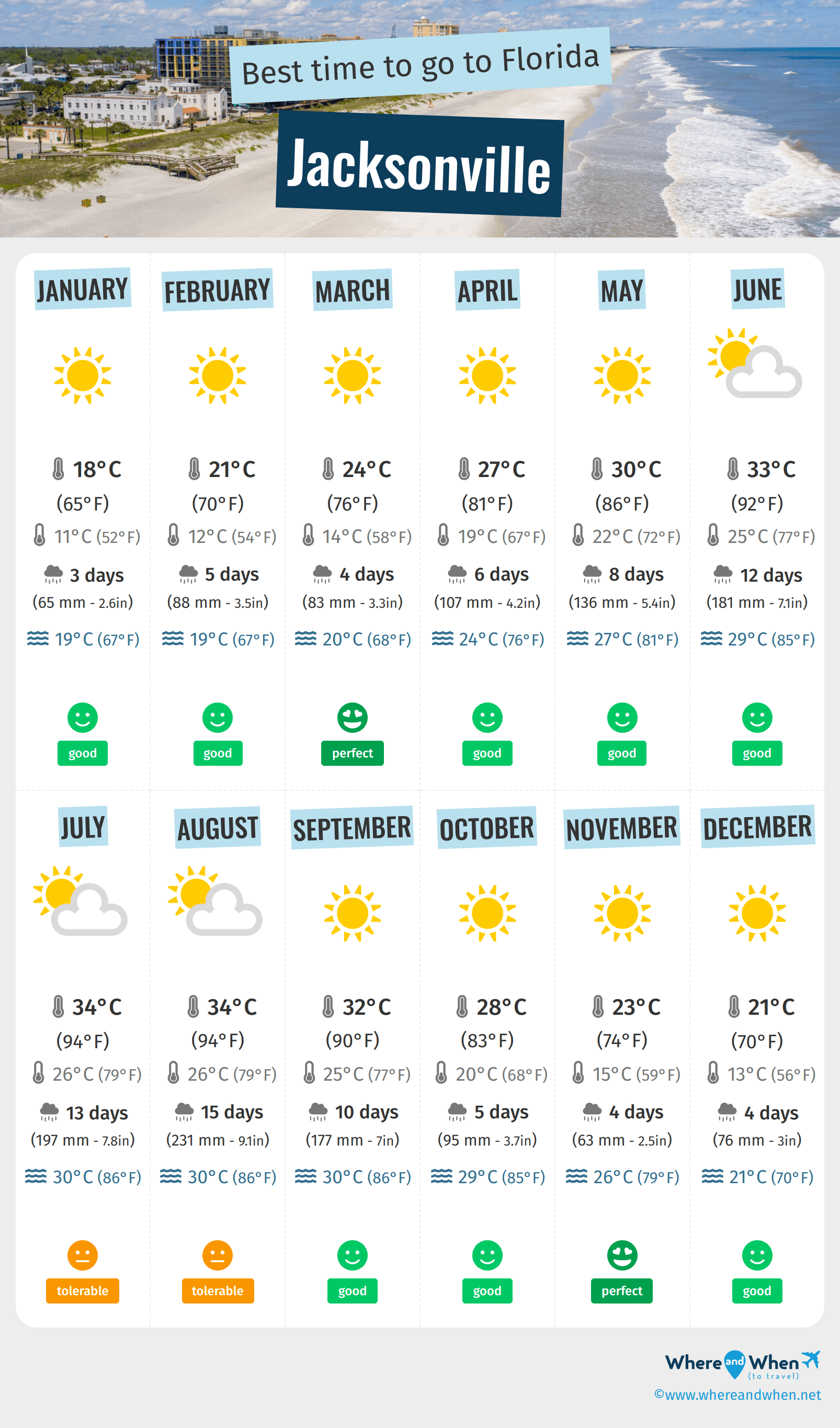
Spring in Jacksonville is arguably one of the best times to visit. Temperatures are pleasantly warm, typically ranging from the 60s to high 70s (°F), with lower humidity than summer. Rainfall is generally moderate.
- Recommended Experiences: This season is perfect for exploring the lush parks and gardens, enjoying outdoor dining, and attending festivals. The Jacksonville Jazz Festival, one of the largest free jazz festivals in the nation, often takes place in late May. Boat tours along the St. Johns River are particularly enjoyable in the spring sunshine.
Summer (June – August): Hot & Humid
Summers are hot and very humid, with daily highs often in the high 80s to low 90s (°F). Afternoon thunderstorms are a common occurrence, often providing a brief, refreshing downpour.
- Recommended Experiences: This is prime time for beach activities at Jacksonville Beach, Atlantic Beach, or [Neptune Beach]. Water sports, swimming, and cooling off at water parks like Adventure Landing are popular. Plan indoor activities or shaded excursions during the hottest parts of the day.
Fall (September – November): Warm & Comfortable
Early fall can still feel like summer, but as the season progresses, temperatures become more comfortable, with averages in the 70s to low 80s (°F) and decreasing humidity. The early part of fall is still within hurricane season, so travelers should monitor tropical weather forecasts.
- Recommended Experiences: Fall offers excellent conditions for outdoor exploration without the intense summer heat. Golfing, hiking at nature preserves, and exploring historical sites like Fort Caroline National Memorial are ideal. A day trip to nearby Amelia Island for its historic charm and pristine beaches is also highly recommended.
Winter (December – February): Cool & Sunny
Jacksonville’s winters are mild compared to much of the United States, with average temperatures ranging from the 40s to 60s (°F). Frost is possible on colder mornings, but days are often sunny and dry.
- Recommended Experiences: This season is perfect for travelers seeking a break from colder climates. It’s ideal for walking tours in historic neighborhoods like Avondale or San Marco, enjoying outdoor markets, or playing a round of golf. Evening events and indoor attractions like the Ritz Theatre and Museum are popular choices.
Essential Weather Resources for Your Jacksonville Trip
To ensure the most enjoyable and smoothly executed trip to Jacksonville, integrating reliable weather forecasting into your planning is non-negotiable.
- Pre-Trip Planning: A few weeks before your departure, begin checking seasonal averages and long-range forecasts to get a general idea of what to expect. This helps with initial packing decisions.
- Near-Term Monitoring: As your travel date approaches, typically within a week, start consulting detailed 5-day or 7-day forecasts. This information becomes more accurate and helps fine-tune your itinerary.
- Daily Checks: Once you arrive in Jacksonville, make a habit of checking the daily forecast each morning. Conditions can change, and being aware of real-time updates—especially regarding sudden showers or temperature shifts—allows you to adapt your plans on the fly. Popular weather apps (like The Weather Channel, AccuWeather, or local news apps) provide hyper-local forecasts often down to the hour.
- Hurricane Season Awareness: If traveling between June and November, be extra vigilant about tropical storm activity. Florida is susceptible to hurricanes, and while Jacksonville is generally less impacted than southern Florida, it is still important to stay informed through official sources like the National Hurricane Center.
By staying informed about “What’S The Weather For Jacksonville Florida Today?” and understanding its implications, travelers can confidently plan their days, pack appropriately, and fully immerse themselves in all the diverse experiences this vibrant city has to offer, making every moment of their Jacksonville adventure memorable.
LifeOutOfTheBox is a participant in the Amazon Services LLC Associates Program, an affiliate advertising program designed to provide a means for sites to earn advertising fees by advertising and linking to Amazon.com. Amazon, the Amazon logo, AmazonSupply, and the AmazonSupply logo are trademarks of Amazon.com, Inc. or its affiliates. As an Amazon Associate we earn affiliate commissions from qualifying purchases.