
Understanding the prevailing weather conditions in a city as dynamic as San Francisco, Ca is crucial for anyone planning a visit or simply wishing to grasp the nuances of its climate. Far from being a uniform meteorological experience, San Francisco boasts a temperate maritime climate, heavily influenced by its proximity to the Pacific Ocean and its unique geographical features. This results in distinct microclimates and a characteristic coolness that often surprises first-time visitors accustomed to warmer Californian locales.
The “temperature in San Francisco, Ca” isn’t a single, static figure, but rather a fascinating interplay of oceanic breezes, topography, and seasonal shifts. This article delves into the typical temperature ranges, explores the factors that shape them, and offers practical insights for dressing and planning activities based on the weather you can expect.
Understanding San Francisco’s Unique Climate
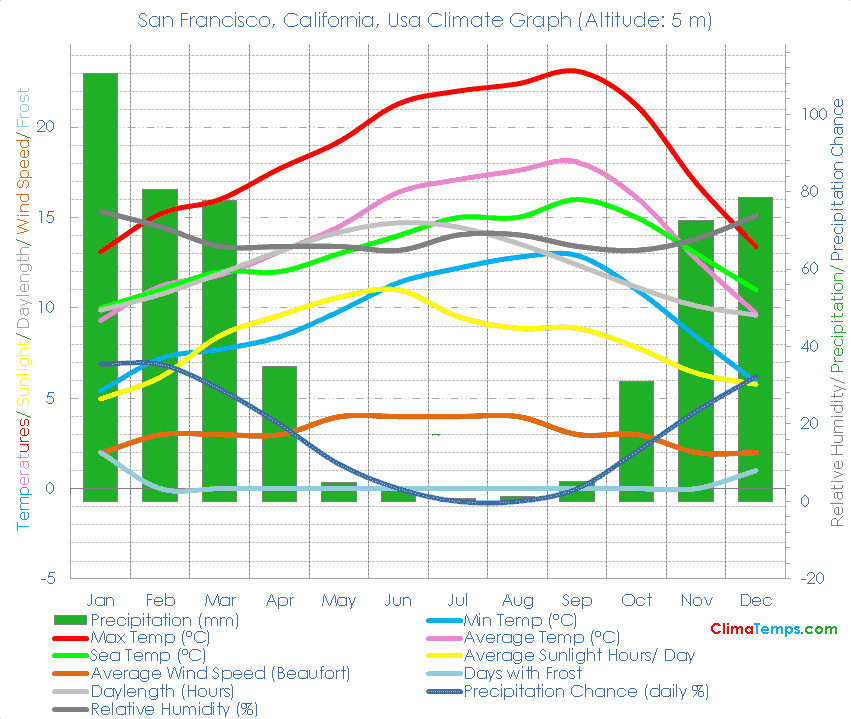
San Francisco’s climate is a classic example of a Mediterranean climate with strong oceanic influences. The dominant feature is the cool, moist air that rolls in from the Pacific Ocean, particularly during the summer months. This oceanic moderation prevents extreme temperature fluctuations, meaning San Francisco rarely experiences scorching heatwaves or severe freezes.
The Pacific Ocean’s Moderating Influence
The vast, cool waters of the Pacific Ocean act as a natural air conditioner for San Francisco. During the day, especially in summer, the land heats up faster than the ocean. This temperature differential creates a pressure gradient, drawing cooler ocean air inland. This phenomenon, known as the “sea breeze,” is a constant presence and is responsible for the city’s characteristic cool summers. Even on the hottest days inland in California, San Francisco often remains comfortably cool, sometimes even chilly.
Topography and Microclimates
San Francisco’s famously hilly terrain contributes significantly to its diverse microclimates. Different neighborhoods can experience noticeably different temperatures and levels of sunshine, even within a few miles of each other. For instance:
- The Sunset District and Ocean Beach, being directly exposed to the ocean winds, are typically the coolest and foggiest areas.
- The Richmond District also experiences significant oceanic influence but can be slightly warmer than the Sunset.
- Inner Sunset and Inner Richmond offer a slight buffer from the immediate coast, leading to marginally warmer temperatures.
- The Haight-Ashbury and The Castro districts, situated further inland and in valleys between hills, tend to be warmer and sunnier than the western neighborhoods.
- Downtown San Francisco and The Financial District, while still benefiting from the general oceanic cooling, can be warmer still, especially in sheltered areas.
- The eastern neighborhoods like The Mission and Potrero Hill are generally the warmest and sunniest, being most protected from the sea breeze.
This intricate web of microclimates means that when checking the temperature in San Francisco, Ca, it’s often beneficial to consider the specific neighborhood you’ll be visiting.
Seasonal Temperature Trends
While San Francisco is known for its mild climate year-round, there are distinct seasonal shifts in temperature.
Summer (June – August)
Summers in San Francisco are famously cool and often foggy, particularly in the mornings and evenings. This is when the sea breeze is most pronounced.
- Average High Temperatures: Typically range from the mid-60s to low 70s Fahrenheit (around 18-22°C).
- Average Low Temperatures: Usually fall into the mid-50s Fahrenheit (around 13-15°C).
- Key Characteristic: Morning fog is a defining feature. It often burns off by midday, revealing sunshine, but can also linger throughout the day, especially near the coast. This is why even in July and August, a jacket is almost always a necessity.
Autumn (September – November)
Many locals consider autumn to be San Francisco’s most pleasant season. The fog often recedes, and the city experiences its warmest and sunniest days, often referred to as “Indian Summer.”
- Average High Temperatures: Tend to be a few degrees warmer than summer, often in the low to mid-70s Fahrenheit (around 21-24°C).
- Average Low Temperatures: Remain mild, typically in the mid-50s Fahrenheit (around 13-15°C).
- Key Characteristic: Clear skies and warmer temperatures, making it ideal for outdoor activities.
Winter (December – February)
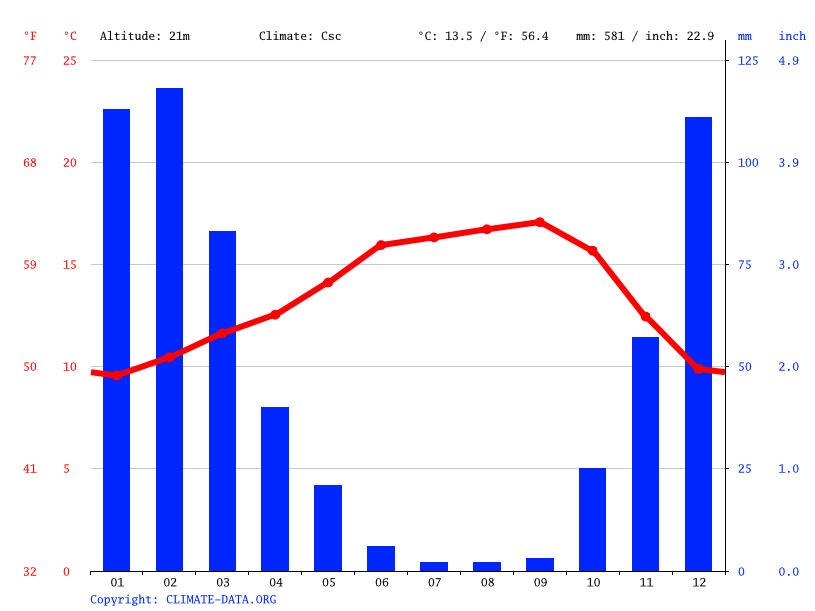
San Francisco’s winters are generally mild and wet, marking the rainy season. However, significant snow is virtually unheard of.
- Average High Temperatures: Hover around the mid-50s Fahrenheit (around 13-15°C).
- Average Low Temperatures: Can drop to the low 40s Fahrenheit (around 5-7°C), occasionally reaching the upper 30s in some areas.
- Key Characteristic: Increased rainfall is common, though prolonged downpours are less frequent than in many other major cities. Temperatures are cool but rarely feel truly cold.
Spring (March – May)

Spring in San Francisco is a transition period. While the rain tapers off, the iconic fog often makes a strong return, especially in April and May.
- Average High Temperatures: Similar to winter, generally in the mid-50s to low 60s Fahrenheit (around 13-17°C).
- Average Low Temperatures: Remain in the mid-40s to low 50s Fahrenheit (around 7-13°C).
- Key Characteristic: A mix of sunshine and fog, with temperatures gradually warming as the season progresses.
Factors Influencing Temperature in San Francisco
Beyond the broad seasonal trends, several specific factors influence the daily temperature in San Francisco, Ca.
Fog Patterns
The infamous San Francisco fog is a direct result of the collision between warm, moist air from the ocean and cooler ocean currents. As this moist air moves over the colder water and then inland, it cools and condenses, forming fog. This fog can significantly lower temperatures, especially in coastal areas, and often acts as a natural blanket, keeping the city cool even during summer. The timing and density of the fog are critical determinants of the day’s temperature.
Wind Direction and Speed
The prevailing wind direction in San Francisco is from the west, coming off the Pacific Ocean. Stronger westerly winds will bring cooler, damper air, while calmer days or easterly winds can lead to warmer conditions, particularly in the eastern parts of the city. The speed of the wind also plays a role; a brisk wind can make even moderately cool temperatures feel quite chilly.
Sunshine and Cloud Cover
The presence or absence of sunshine is a major factor in how warm a particular area feels. On days when the fog burns off early, the direct sunlight can make temperatures feel significantly warmer, especially in neighborhoods that are more sheltered from the direct ocean breeze. Conversely, days with persistent cloud cover will remain cooler.
Elevation and Shelter
As mentioned earlier, the city’s hilly terrain creates variations in temperature based on elevation and whether an area is exposed or sheltered. Higher elevations can sometimes be slightly cooler due to thinner air, but more significantly, areas nestled in valleys or behind larger hills will experience less wind and potentially more direct sunlight, leading to warmer readings.
Practical Temperature Considerations for Visitors
Knowing the “temperature in San Francisco, Ca” is only part of the story; understanding how to dress and plan accordingly is key to enjoying your visit.
Layering is Key
The most important piece of advice for anyone visiting San Francisco is to embrace the art of layering. Temperatures can shift dramatically throughout the day and from one neighborhood to another.
- Base Layer: A light, breathable shirt or t-shirt.
- Mid Layer: A sweater, fleece, or light jacket provides insulation.
- Outer Layer: A windproof and water-resistant jacket is essential. This will protect you from the cool ocean breezes and any unexpected drizzle. Even in summer, a light jacket is a must-have.
Footwear
Comfortable walking shoes are paramount. You’ll likely be doing a lot of exploring on foot, and San Francisco’s hills can be challenging. Waterproof or water-resistant shoes are also a good idea, especially if you’re visiting during the wetter months.
Day-to-Day Weather Checks
While general trends are helpful, it’s always wise to check the local forecast for the specific day and neighborhoods you plan to visit. Websites and apps that provide detailed, hour-by-hour forecasts for different parts of the city can be invaluable. Pay attention not just to the temperature but also to wind speed and the chance of fog.
Activity Planning
- Coastal Exploration: If you’re planning to visit areas like Golden Gate Bridge, Alcatraz Island, or walk along Ocean Beach, expect cooler temperatures and persistent wind. A warm, windproof jacket is a necessity.
- Inland Sightseeing: For areas like Union Square, Chinatown, or the vibrant streets of The Mission, you might experience warmer, sunnier conditions. You may still want a light jacket for the evenings.
- Museums and Indoor Attractions: While not directly temperature-dependent, having the right outer layers for getting to and from indoor attractions like the de Young Museum or the California Academy of Sciences is still important.
In conclusion, the “temperature in San Francisco, Ca” is a multifaceted aspect of its charm. It’s a city that encourages a mindful approach to dressing and planning, rewarding visitors with pleasant conditions and a unique urban experience, no matter the season. Embrace the cool, enjoy the sunshine when it appears, and always be prepared for a refreshing breeze.
LifeOutOfTheBox is a participant in the Amazon Services LLC Associates Program, an affiliate advertising program designed to provide a means for sites to earn advertising fees by advertising and linking to Amazon.com. Amazon, the Amazon logo, AmazonSupply, and the AmazonSupply logo are trademarks of Amazon.com, Inc. or its affiliates. As an Amazon Associate we earn affiliate commissions from qualifying purchases.