
The prospect of a tropical system named Helene approaching Florida immediately raises questions for residents, businesses, and, perhaps most acutely, for travelers. Florida, a premier global destination, experiences a unique intersection of pristine beaches, world-class theme parks, and a vulnerability to weather phenomena during specific times of the year. Understanding when and how a storm like Helene might affect the state is crucial for anyone planning a visit or currently enjoying its myriad attractions. This article delves into the dynamics of tropical weather in Florida and provides essential guidance for travelers navigating such events.

Understanding Tropical Systems and Travel Implications
Florida’s geographical position, flanked by the Atlantic Ocean to the east and the Gulf of Mexico to the west, places it squarely in the path of potential tropical activity. A name like Helene signifies a storm that has developed enough to be categorized and tracked, making it a critical concern for anyone with travel plans.
Florida’s Hurricane Season: A Seasonal Overview
The official Atlantic hurricane season runs annually from June 1st to November 30th. While storms can occur outside this window, this period sees the vast majority of tropical cyclone development. The season typically peaks between mid-August and late October, when ocean waters are warmest and atmospheric conditions are most conducive to storm formation and intensification. Therefore, if discussions about Helene hitting Florida are emerging, it is highly likely within this six-month timeframe. Travelers planning trips during these months should always maintain a heightened awareness of weather forecasts.
Decoding Storm Forecasts and Advisories
Accurate information is paramount when a storm like Helene threatens. The National Hurricane Center (NHC), a division of the National Weather Service, is the primary authority for tracking and forecasting tropical cyclones in the Atlantic basin. They issue regular advisories that include:
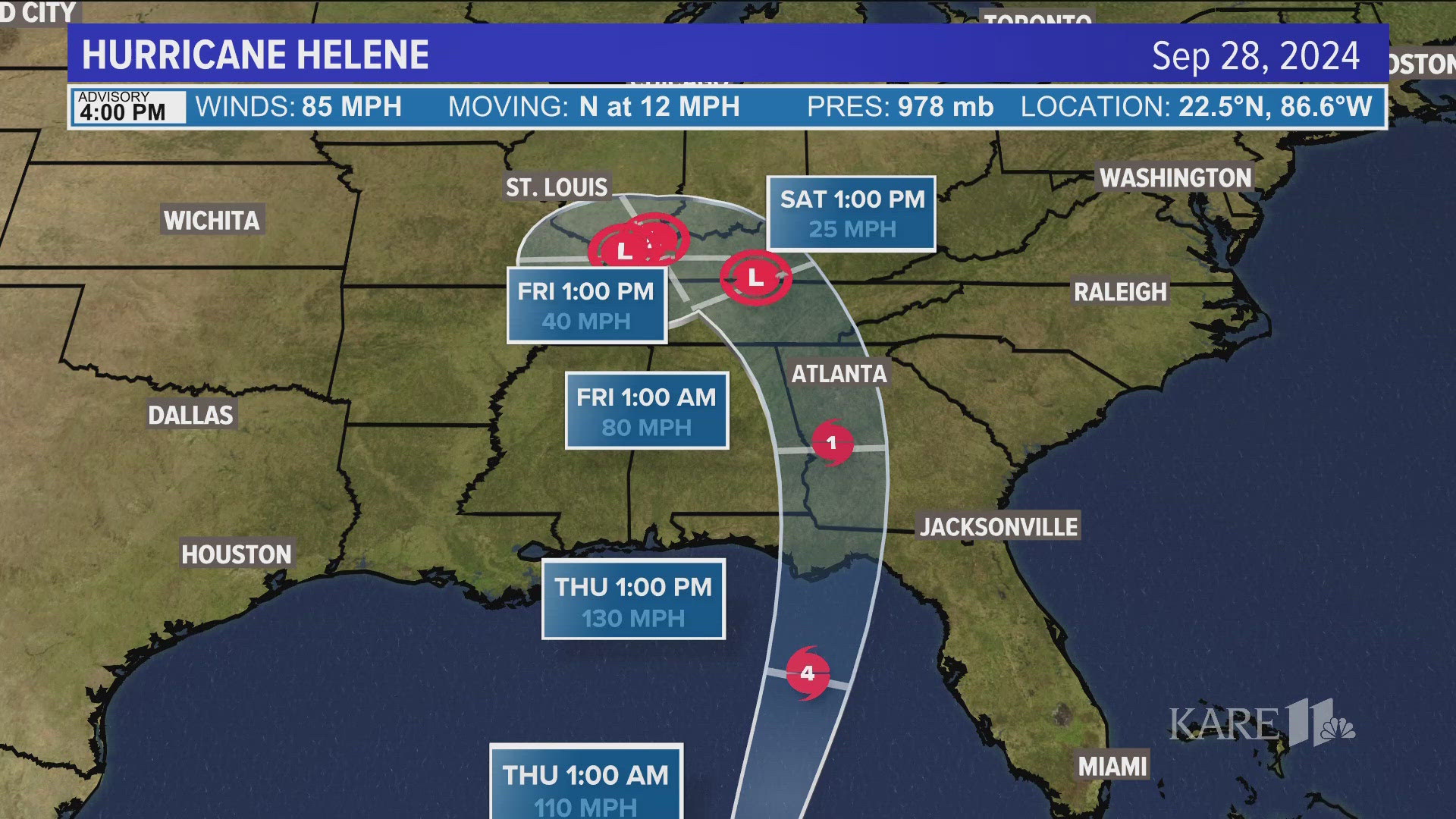
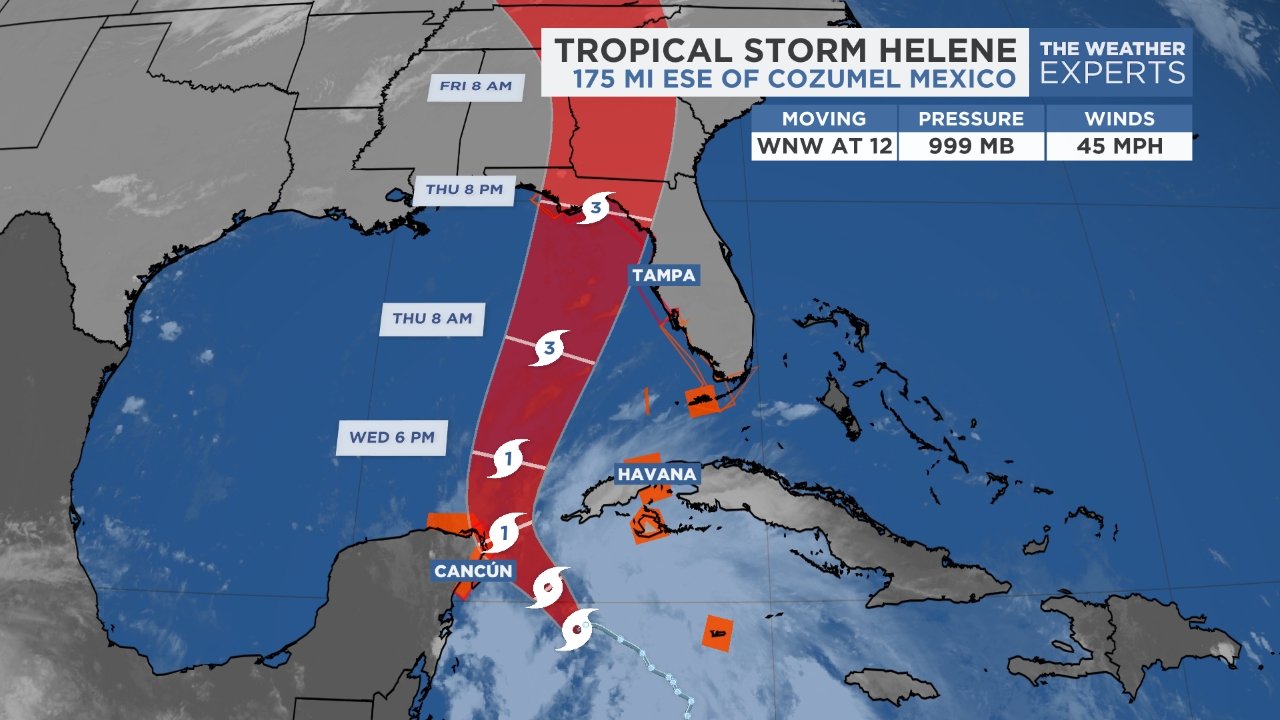
- Cone of Uncertainty: This graphic depicts the probable track of the storm’s center. It’s vital to remember that impacts can extend far beyond this cone, and the exact landfall location can shift.
- Watches: A Hurricane Watch means hurricane conditions are possible within the specified area, usually within 48 hours. A Tropical Storm Watch indicates tropical storm conditions are possible.
- Warnings: A Hurricane Warning means hurricane conditions are expected within the specified area, usually within 36 hours. A Tropical Storm Warning indicates tropical storm conditions are expected.
Travelers must pay close attention to these advisories, using official sources like the NHC website, local news channels, and reputable weather apps. Relying on unofficial social media can lead to misinformation and unnecessary panic or, conversely, a dangerous lack of preparedness.
Navigating Travel Plans During a Storm Threat
When a storm like Helene looms, the stress for travelers can be immense. Proactive measures and clear communication are key to mitigating disruptions and ensuring safety.
Before You Go: Pre-Trip Preparation
If Helene is on the radar before your departure to Florida, consider these steps:
- Travel Insurance: Review your travel insurance policy carefully. Many policies offer coverage for trip cancellations or interruptions due to named tropical storms, but typically only if the storm was named after you purchased the policy and booked your trip. Understand the specific terms and conditions regarding weather-related claims.
- Flexible Bookings: Whenever possible, opt for refundable flights and accommodation bookings. This provides a crucial safety net if travel becomes impossible or unsafe. Contact airlines, hotels, and tour operators directly to inquire about their storm policies, which may include waivers for change fees or full refunds during declared emergencies.
- Packing Essentials: Even if your trip proceeds, prepare for potential inconveniences. Pack a small emergency kit with essential medications, a first-aid kit, a battery bank for charging devices, important documents (IDs, insurance papers), and a change of clothes in a waterproof bag.
During Your Trip: Safety and Contingency Planning
If you are already in Florida when Helene becomes a threat, your immediate priority should be personal safety:
- Heed Local Advisories: Always follow the instructions of local emergency management officials. If evacuation orders are issued for your area, leave promptly and follow designated evacuation routes. Do not wait until conditions deteriorate.
- Communication Plan: Ensure family and friends know your itinerary and have a way to contact you. During a storm, cell service can be intermittent, so pre-arrange check-in times or alternative communication methods.
- Know Your Accommodation’s Storm Plan: Ask your hotel or resort about their emergency procedures. Do they have a designated safe area? What is their plan for power outages or if an evacuation is ordered?
- Evacuation Routes and Shelters: Familiarize yourself with local evacuation routes and the locations of public shelters, even if you don’t anticipate needing them. Having this information readily available can reduce stress if circumstances change rapidly.
Impact on Popular Florida Destinations
The impact of a storm like Helene is rarely uniform across the entire state of Florida. Different regions and types of attractions face varying degrees of risk and disruption.
Coastal vs. Inland Destinations
- Coastal Areas: Cities like Miami, Fort Lauderdale, Tampa, and the various beach communities are most vulnerable to storm surge, high winds, heavy rainfall, and coastal erosion. Beaches will likely be closed, and waterfront properties may face flooding. Recreational activities such as boating, fishing, and watersports will cease.
- Inland Attractions: While less susceptible to storm surge, inland destinations like Orlando, home to Walt Disney World Resort and Universal Orlando Resort, are still significantly impacted by heavy rains and high winds. Theme parks, attractions, and resorts have detailed hurricane plans that often involve temporary closures, especially for outdoor rides and events. Roads can flood, and power outages are possible. Travelers heading to these areas should check the operational status of specific parks and resorts directly.
Transportation and Infrastructure
A significant tropical storm can cripple transportation networks, making travel into or out of affected areas challenging, if not impossible.
- Airport Closures: Major airports such as Orlando International Airport (MCO) and Miami International Airport (MIA) may close entirely or experience extensive delays and cancellations. It’s essential to check flight statuses directly with your airline.
- Road Conditions: Heavy rainfall can lead to widespread flooding, making many roads impassable. High winds can bring down trees and power lines, obstructing routes. Real-time traffic apps and local news can provide updates on road closures and hazards.
- Cruise Port Delays/Cancellations: Cruise operations from ports like PortMiami and Port Canaveral are often significantly altered or canceled during a storm threat. Cruise lines prioritize passenger safety and will reroute ships or delay departures/arrivals. Passengers should contact their cruise line for the latest information.
Post-Storm Travel: Recovery and Resilience
Even after Helene has passed, its effects can linger, influencing travel for days or even weeks. Understanding the recovery phase is essential for responsible and safe post-storm travel.
Assessing the Aftermath
Immediately after a storm, affected areas may experience power outages, communication disruptions, and limited access to essential services like gas, food, and water. Infrastructure damage can range from minor debris to significant structural issues. Travelers should not attempt to enter areas that have just been hit until official “all clear” signals are given and authorities confirm it is safe.
When is it Safe to Return or Visit?
The decision to travel to a storm-affected region should always be guided by official guidance. Local emergency management agencies and tourism boards will provide updates on the recovery status of different areas. It’s crucial to respect these directives, as resources will be focused on residents and immediate recovery efforts. Returning too soon can strain local resources and put travelers themselves at risk.
Florida’s Enduring Appeal
Despite the occasional challenges posed by tropical systems, Florida’s tourism industry is remarkably resilient. The state has a robust system for storm preparedness and recovery, and its communities often rebound with impressive speed. The allure of its sunshine, beaches, and attractions ensures that travelers continue to visit year after year. For those planning future trips, remaining informed about the hurricane season and adopting a flexible approach to travel planning are the best ways to enjoy all that Florida has to offer, come what may.
LifeOutOfTheBox is a participant in the Amazon Services LLC Associates Program, an affiliate advertising program designed to provide a means for sites to earn advertising fees by advertising and linking to Amazon.com. Amazon, the Amazon logo, AmazonSupply, and the AmazonSupply logo are trademarks of Amazon.com, Inc. or its affiliates. As an Amazon Associate we earn affiliate commissions from qualifying purchases.