
Embarking on a journey to the illustrious mountain town of Aspen in Colorado involves more than just packing your bags and booking accommodations. For the discerning traveler, understanding the local time is a fundamental cornerstone of a seamless and enriching experience. Beyond merely knowing the current hour, grasping Aspen’s position within the global timekeeping system and how it influences everything from flight schedules to dining reservations and outdoor adventures is paramount. This guide delves into the nuances of time in Aspen, ensuring you are perfectly synchronized with the rhythm of this vibrant destination.
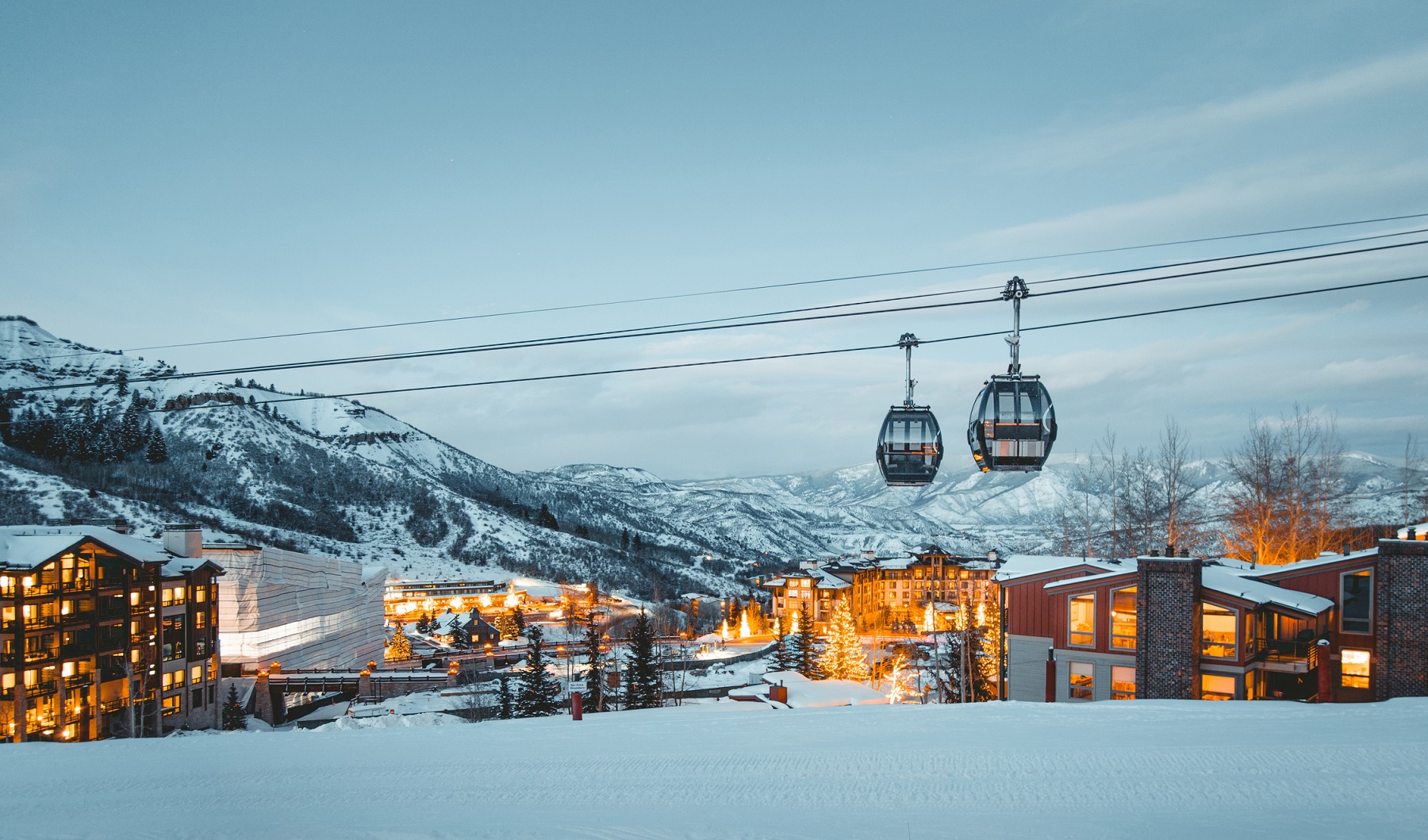
Understanding Time Zones: Aspen’s Place on the Map
Aspen, nestled high in the Rocky Mountains of Colorado, operates within the Mountain Time Zone. Like much of the United States, Colorado observes Daylight Saving Time. This means the actual time designation in Aspen shifts throughout the year, a critical detail for planning your visit.
During the warmer months, typically from the second Sunday in March until the first Sunday in November, Aspen adheres to Mountain Daylight Time (MDT). This puts Aspen six hours behind Coordinated Universal Time (UTC), often expressed as UTC-6. As the seasons turn colder, from November through March, the clocks fall back, and Aspen switches to Mountain Standard Time (MST), which is seven hours behind UTC or UTC-7.
This seemingly small detail has significant implications for travelers. For instance, if you’re flying into Aspen/Pitkin County Airport (ASE) from the East Coast of the United States (which observes Eastern Time), you’ll be gaining two hours upon arrival. Conversely, those traveling from the West Coast (Pacific Time) will lose an hour. International visitors, particularly those from Europe or Asia, will experience a much more substantial time shift, necessitating careful planning for jet lag recovery. Checking current local time and understanding the specific time zone offset for your travel dates is the first step in a well-organized Aspen adventure.
Navigating Time Differences: Planning Your Aspen Itinerary
Understanding Aspen’s time zone is not merely academic; it forms the backbone of a successful travel plan. From mitigating jet lag to strategically scheduling your activities, every aspect of your trip will be influenced by the clock.
Adjusting to the Altitude and Time
One of the unique challenges of visiting Aspen is its high altitude. Situated at around 8,000 feet (2,438 meters) above sea level, adjusting to the elevation is crucial. When combined with a significant time zone change, the body can experience what’s known as “altitude jet lag.” Symptoms might include fatigue, headaches, and difficulty sleeping. To counteract this, a strategic approach to your first few days is recommended.
Prioritize hydration by drinking plenty of water, avoid excessive alcohol, and get adequate rest. Consider a more relaxed schedule on your arrival day, allowing your body to acclimate. For instance, if arriving from a significantly different time zone, plan for a quiet evening rather than a late dinner or an early morning ski session. Gradual acclimatization is key, especially if you intend to engage in strenuous activities like skiing, hiking, or mountain biking, where peak physical performance relies on a well-adjusted body. Your internal clock, synced with Aspen’s time, is crucial for both enjoyment and safety in the mountains.
Maximizing Your Aspen Day
Aspen offers a plethora of activities, each best enjoyed at specific times of the day. Savvy travelers plan their schedule around daylight hours, peak operational times, and local rhythms.
Mornings in Aspen are often characterized by crisp air and a sense of invigorating potential. During winter, this is prime time for hitting the slopes. Lifts at Aspen Mountain, Snowmass, Buttermilk, and Aspen Highlands typically open around 9:00 AM, offering fresh corduroy and fewer crowds. In summer, early mornings are ideal for iconic hikes to spots like Maroon Bells or the Ute Trail, beating both the heat and the crowds. Many outdoor guiding services also schedule their adventures, from fly fishing to rafting, to begin in the morning to capitalize on optimal conditions.
Afternoons transition into a more relaxed pace. Post-ski lunches at on-mountain restaurants, or exploring the town’s vibrant shopping district, are popular choices. The Aspen Art Museum offers cultural enrichment, typically open until 5:00 PM or 6:00 PM. Spa treatments at resorts like The Little Nell or Hotel Jerome are perfect for mid-afternoon rejuvenation.
As evenings descend, Aspen’s culinary scene comes alive. Dinner reservations, especially at popular establishments like Matsuhisa or Bosq, are often essential and must be secured well in advance, adhering strictly to Aspen time. Cultural events at the historic Wheeler Opera House or live music venues typically start in the early evening.
The length of daylight hours varies significantly with the seasons. Summer boasts long, languid days perfect for extended outdoor activities, while winter brings shorter days, making early starts and efficient planning crucial for maximizing time on the slopes. Being aware of these natural rhythms, alongside man-made schedules, allows for a more fulfilling and less rushed experience.
Aspen by the Clock: Seasonal Considerations and Event Planning
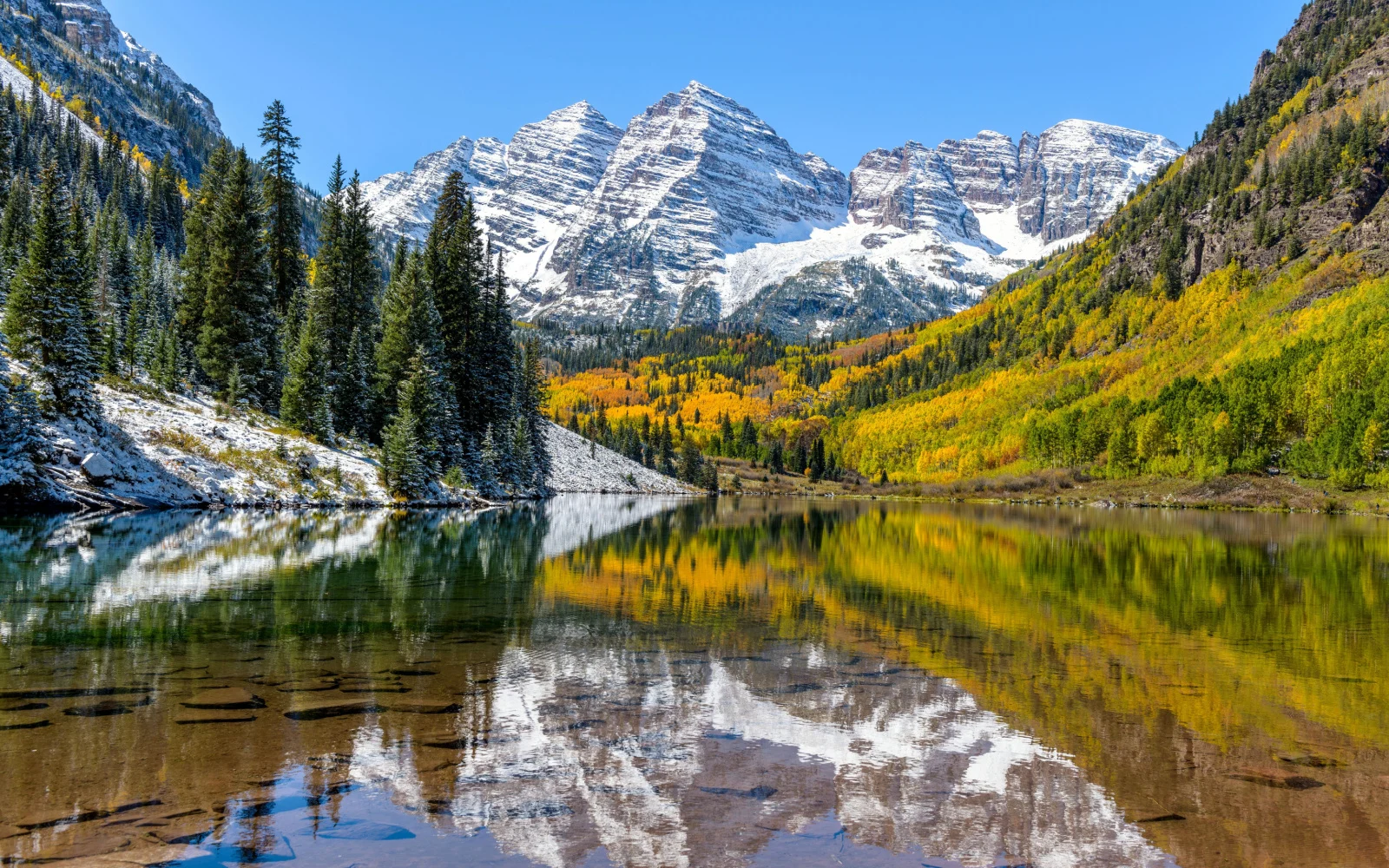
Aspen is a year-round destination, but the specific activities and events that define each season are highly time-dependent. Knowing the local time is not just for your personal schedule but for engaging with the heartbeat of the community.
Winter Wonderland Timelines
Winter in Aspen is synonymous with world-class skiing and snowboarding. The ski season typically commences around Thanksgiving, with various mountains opening on different dates, and usually concludes in mid-April. Lift operating hours are fixed, generally running from 9:00 AM to 3:30 PM or 4:00 PM. This window dictates the flow of your ski day, from morning lessons at the Ski & Snowboard School to afternoon runs.
Après-ski, a cherished Aspen tradition, typically kicks off as the lifts close, transforming mountain base areas and town bars into lively hubs. Events like the X Games Aspen in January have precise schedules for competitions and concerts. During major holidays such as Christmas and New Year’s Eve, the town is bustling, and everything from restaurant bookings to taxi services requires meticulous time management and advance reservations, often months ahead. Be mindful of these peak periods when every minute, and every booking, counts.
Summer Adventure Schedules
When the snow melts, Aspen transforms into a verdant playground, and summer activities also follow specific timelines. Guided hiking tours to scenic spots like Crater Lake or Independence Pass often depart early to make the most of cooler temperatures. White-water rafting trips on the Roaring Fork River or Arkansas River are scheduled according to river conditions and typical tour durations.
Aspen’s cultural calendar truly shines in summer. The renowned Aspen Music Festival and School hosts concerts throughout the day, from morning rehearsals to evening performances at the Benedict Music Tent. Jazz Aspen Snowmass (JAS) events also draw crowds with specific concert times. Weekly farmers’ markets, outdoor movie nights, and free concerts in Wagner Park all adhere to set schedules, providing a framework for your summer itinerary. Planning around these events, all operating on Aspen’s local time, is essential for experiencing the full breadth of the town’s offerings.
Fall Foliage and Spring Thaw Logistics
The shoulder seasons of fall and spring offer quieter visits with unique attractions. Fall, with its spectacular golden aspen trees, sees specific tour times for scenic drives or gondola rides up Aspen Mountain before operations cease for the inter-season. Spring, post-ski season and pre-summer, often brings reduced operating hours for some businesses and attractions as they prepare for the next rush. Always verify opening times for restaurants, shops, and attractions during these transitional periods, as schedules can be more fluid.
Practical Timekeeping for the Aspen Traveler
Beyond just knowing what time it is, integrating time-aware practices into your travel routine can significantly enhance your Aspen experience.
Communication Across Time Zones
Staying connected with family, friends, or business associates in different time zones requires foresight. A two-hour difference from the East Coast means an 8:00 AM call in Aspen is 10:00 AM in New York City, while a 5:00 PM call in Aspen might be too late for someone in London. Utilize world clock functions on your smartphone or smartwatch to keep track of multiple time zones simultaneously. This is especially vital for business travelers needing to schedule remote meetings or attend virtual conferences without disrupting their Aspen activities or family time.
Booking and Reservations
Every booking, from your flight’s arrival time at Aspen/Pitkin County Airport (ASE) to your dinner reservation at 8:00 PM, is tied to Aspen local time. When making reservations from your home time zone, especially if it’s a significant difference, always double-check that you are confirming times in Aspen’s Mountain Time Zone. A common mistake is to overlook this detail, leading to missed flights, late check-ins, or forfeited dinner reservations. Confirming all details in the local time not only prevents costly errors but also ensures a smooth flow to your itinerary.

Emergency Preparedness and Local Services
While emergencies don’t adhere to schedules, knowing local time is still beneficial for accessing services. Pharmacies, urgent care clinics, and grocery stores in Aspen operate on fixed hours. Familiarizing yourself with these schedules, particularly for any specific needs you might have, will ensure you can access them when necessary. Emergency services, of course, are available 24/7, but knowing the local time context helps in communicating effectively should the need arise.
In conclusion, “What is the time in Aspen, Colorado?” is a question with far-reaching implications for any traveler. It’s not just a numerical answer but a gateway to a well-planned, enjoyable, and fully immersive Aspen experience. By understanding its time zone, adapting to time differences, and leveraging the local clock for seasonal activities and practical planning, you can ensure your visit to this magnificent mountain destination is perfectly timed.
LifeOutOfTheBox is a participant in the Amazon Services LLC Associates Program, an affiliate advertising program designed to provide a means for sites to earn advertising fees by advertising and linking to Amazon.com. Amazon, the Amazon logo, AmazonSupply, and the AmazonSupply logo are trademarks of Amazon.com, Inc. or its affiliates. As an Amazon Associate we earn affiliate commissions from qualifying purchases.