
For travelers eyeing the sunny beaches and vibrant cities of Florida, the prospect of a tropical storm or hurricane like Helene can introduce a significant layer of uncertainty. Understanding the timeline and potential impact of such weather events is paramount for ensuring both safety and a smooth travel experience. While predicting the exact path and intensity of a tropical system far in advance is challenging, a proactive approach to monitoring official forecasts, understanding travel policies, and making informed decisions can mitigate risks and prepare you for any eventuality. This guide is designed to equip travelers with the knowledge needed to navigate the complexities of storm season in Florida, ensuring that your travel plans remain as resilient as possible.

Understanding Tropical Weather and Travel Preparedness
Florida’s unique geographical position makes it susceptible to tropical weather systems, particularly from June through November. The key to mitigating travel disruptions lies in early and continuous preparedness, which starts long before a storm like Helene is even a named entity. For travelers, this means being aware of the broader hurricane season and understanding the resources available for real-time information.
Monitoring Official Sources
The most crucial step for any traveler during hurricane season is to rely exclusively on official, credible sources for weather updates. The National Hurricane Center (NHC) is the primary authority for tracking and forecasting tropical systems in the Atlantic basin. Their advisories provide essential information on storm location, intensity, projected path, and potential impact areas. Similarly, the Federal Emergency Management Agency (FEMA) offers guidance on preparedness and safety, while local emergency management agencies in Florida provide specific information for their respective counties, including evacuation orders and shelter locations.
Before and during your trip, regularly check these sources. Pay close attention to tropical weather outlooks even if no storm is immediately threatening. If a system like Helene is forming or tracking towards Florida, the NHC will issue watches (conditions possible within 48 hours) and warnings (conditions expected within 36 hours). These alerts are critical indicators for making decisions about travel adjustments, such as rescheduling flights, altering itineraries, or initiating evacuation plans if necessary. Never rely on social media rumors or unofficial forecasts, as misinformation can lead to dangerous situations.
Travel Insurance Essentials
Investing in comprehensive travel insurance is perhaps the single most important travel preparedness step for those visiting Florida during hurricane season. Standard travel insurance policies often cover unforeseen events, but specifically look for policies that include “cancel for any reason” (CFAR) clauses or explicit coverage for weather-related disruptions, including hurricanes.
A good policy should cover:
- Trip Cancellation/Interruption: Reimburses non-refundable expenses if your trip is canceled or cut short due to a storm.
- Trip Delay: Covers additional expenses (like hotel stays or meals) if your travel is delayed due to weather.
- Medical Emergencies: Essential for any health issues that might arise, especially if emergency services are strained during a storm.
- Emergency Evacuation: Crucial for coverage of transportation expenses if you need to be evacuated from an affected area.
It is vital to purchase travel insurance well in advance of a named storm forming. Most policies will not cover events that are already “foreseeable” or “named” at the time of purchase. Review the policy’s terms and conditions carefully, especially regarding natural disasters and weather events, to understand what is covered and what isn’t. Document all communications with airlines, hotels, and tour operators, as this will be necessary if you need to file a claim.
Navigating Potential Travel Disruptions
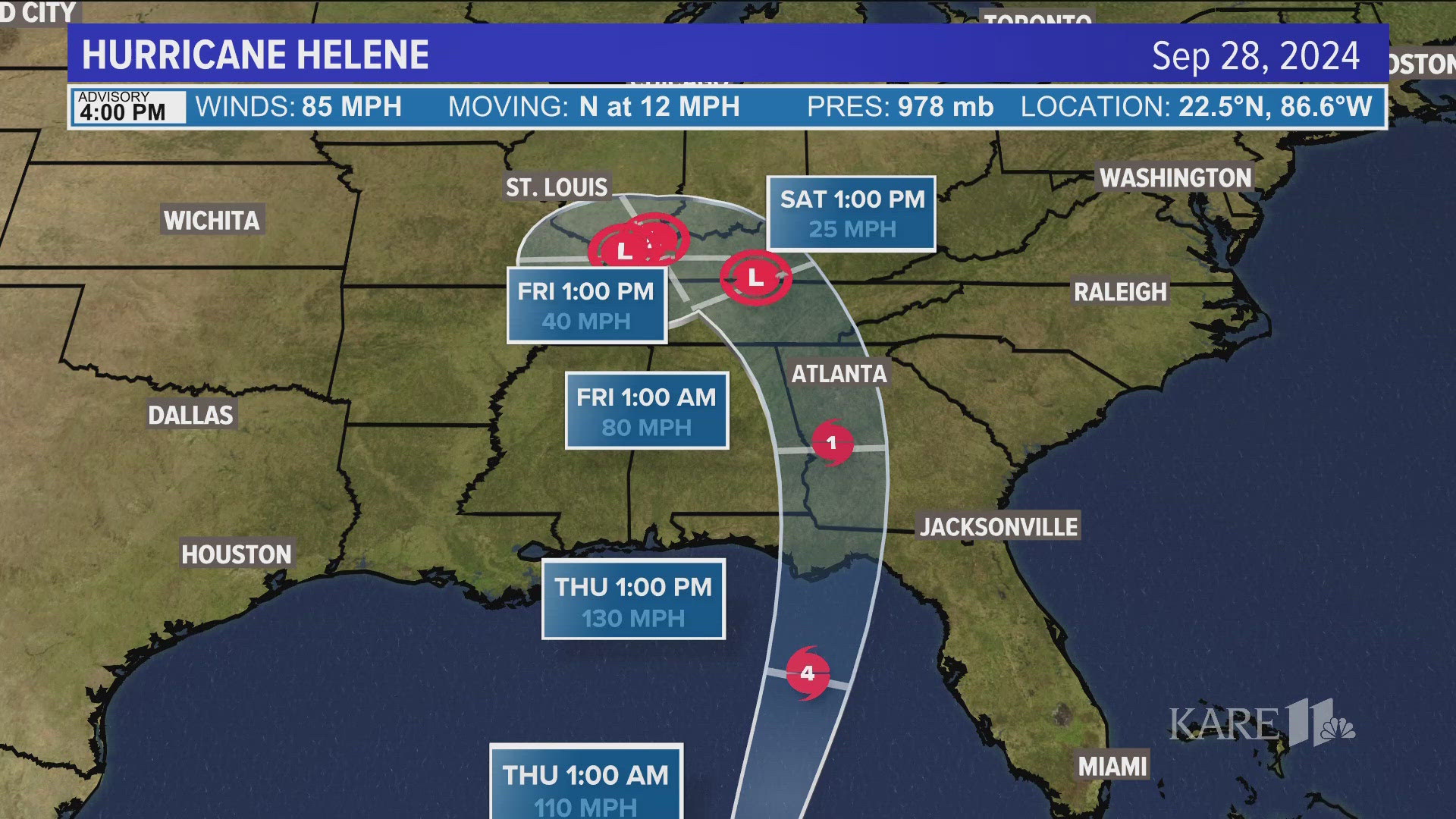
When a storm like Helene threatens Florida, widespread travel disruptions are almost inevitable. Airlines, cruise lines, and ground transportation networks activate contingency plans, often leading to cancellations, delays, and altered routes. Knowing how to react to these changes can save significant stress and expense.
Air Travel Adjustments
Aviation is highly sensitive to severe weather. If Helene is forecast to impact major Florida airports like Orlando International Airport (MCO), Miami International Airport (MIA), or Tampa International Airport (TPA), airlines will often issue travel waivers. These waivers allow passengers to change their flight dates or destinations without incurring change fees.
- Check Airline Websites: Regularly monitor your airline’s website for specific advisories related to your flight and destination.
- Flexibility is Key: If possible, be prepared to adjust your travel dates or consider flying into an alternative, less affected airport in a nearby state, then proceeding to your destination by ground if safe.
- Communicate with the Airline: If you anticipate changes, contact the airline directly. Be patient, as call volumes can be extremely high during weather events.
- Understand Refund Policies: If a flight is canceled, you are typically entitled to a refund, even on non-refundable tickets. However, if you choose to cancel your trip and the airline is still operating, refund policies will depend on your ticket type or travel insurance.
Road Travel and Evacuation Routes
For those planning to drive to or within Florida, or residents who need to evacuate, understanding road conditions and official evacuation routes is vital. The Florida Department of Transportation (FDOT) provides real-time traffic information and alerts regarding road closures and evacuation orders.
- Stay Informed about Evacuations: If your travel destination or current location is under a mandatory evacuation order, comply immediately. These orders are issued for public safety and should not be ignored.
- Know Your Routes: Familiarize yourself with primary and secondary evacuation routes. Expect heavy traffic if an evacuation is underway.
- Fuel Up: Keep your vehicle’s fuel tank at least half full, as gas stations may become scarce or run out of fuel during an emergency.
- Emergency Kit: Have an emergency kit in your car with water, snacks, first-aid supplies, chargers for electronic devices, and important documents.
Cruise Line Policies
Cruise travel from Florida ports like PortMiami or Port Canaveral is also highly susceptible to tropical weather. Cruise lines prioritize passenger safety and will often alter itineraries, delay departures, or even cancel cruises to avoid storms.
- Monitor Cruise Line Communications: Cruise lines will communicate directly with booked passengers via email, text, or their mobile apps regarding any changes.
- Itinerary Changes: Be prepared for your cruise itinerary to change, potentially swapping ports of call or spending more days at sea.
- Cancellations: In rare cases of severe threat, cruises may be canceled outright. Understand the cruise line’s compensation policy for such events, which often includes future cruise credits or refunds.
- Travel Insurance for Cruises: Ensure your travel insurance specifically covers cruise-related disruptions due to weather, as standard policies might have different terms for cruise travel.
Safeguarding Your Florida Vacation
Beyond knowing when Helene might hit, proactive measures can significantly enhance your safety and peace of mind during your Florida vacation, especially during storm season.
Pre-Trip Checklist for Storm Season
- Flexible Bookings: Whenever possible, book accommodations and flights that offer flexibility for changes or cancellations without punitive fees.
- Emergency Contacts: Compile a list of important phone numbers: family, friends, your airline, hotel, travel insurance provider, and local emergency services in Florida.
- Digital Copies of Documents: Store digital copies of your passport, ID, insurance policies, and booking confirmations on a cloud service or encrypted USB drive.
- Cash Reserves: Have some cash on hand. ATMs may be inoperable during power outages, and electronic transactions might not be possible.
- Medication: If you have prescription medications, ensure you have an adequate supply for several extra days in case of delays.
On-Ground Safety Measures
If you find yourself in Florida when a storm like Helene approaches:
- Stay Informed Locally: Follow local news, radio, and official government alerts for your specific area.
- Follow Official Guidance: Adhere strictly to any evacuation orders or safety directives issued by local authorities. Do not attempt to “ride out” a major storm in an evacuation zone.
- Communicate Your Location: Let family and friends know your whereabouts and your plans.
- Prepare an Emergency Kit: If staying, gather essentials: water, non-perishable food, flashlights, batteries, a first-aid kit, and any necessary medications.
- Secure Belongings: If staying in an accommodation, secure loose items on balconies or patios.
Post-Storm Travel Considerations
After a storm has passed, the immediate aftermath can still present significant challenges for travelers. Rushing back into a recently impacted area can strain local resources and potentially put you at risk.
Assessing Destination Readiness
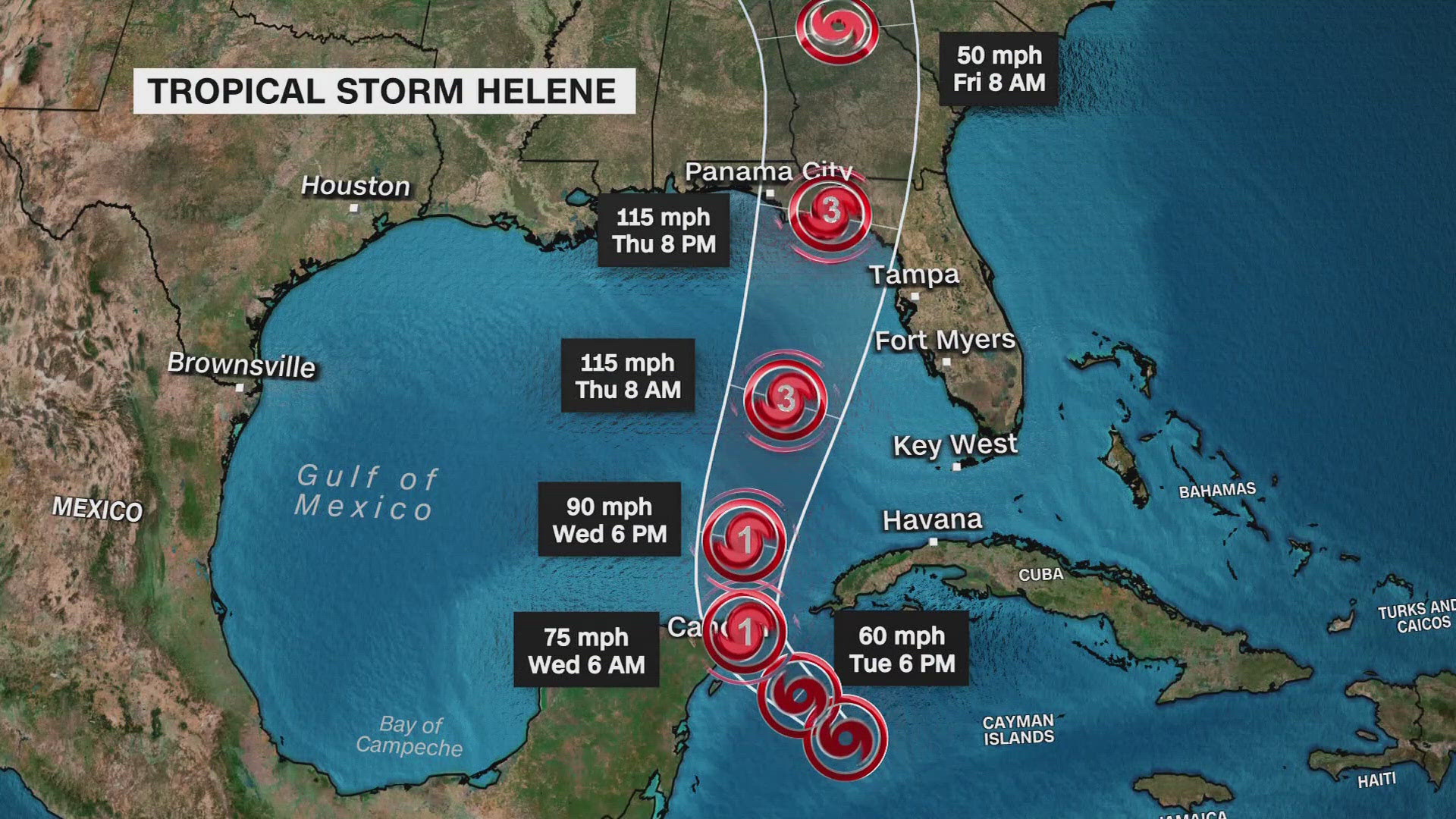
Even after a storm has moved on, the affected areas may not be immediately ready for tourists. Infrastructure, including roads, power, and water services, might be damaged or offline. Hotels and attractions may be closed for repairs, and local communities will be focused on recovery.
- Contact Your Accommodation: Before attempting to return or proceed to your destination, contact your hotel or resort to confirm they are open and fully operational.
- Check Local Infrastructure: Verify that major roads are clear, airports are operational, and essential services like gas stations and grocery stores are open.
- Consider the Impact on Attractions: Many popular attractions, especially those outdoors like beaches or national parks, might be closed for cleanup or assessment.
Supporting Local Recovery Through Responsible Travel
Once an area is deemed safe and ready for visitors, traveling there can be a vital part of the recovery effort, bringing much-needed economic support. However, it’s essential to travel responsibly.
- Be Patient and Understanding: Local communities will be recovering. Services may be slower, and some amenities might still be limited.
- Support Local Businesses: Spend your money at local restaurants, shops, and tour operators to help the community rebuild.
- Respect the Environment: Adhere to any warnings regarding damaged natural areas, especially beaches and waterways.
- Volunteer (if appropriate): If you have specific skills or time, consider linking up with reputable disaster relief organizations, but generally, the best way to help is to return as a responsible tourist once the area is open.
While a storm like Helene might cast a shadow on Florida travel plans, being well-prepared, informed, and flexible ensures that you can navigate these challenges effectively. By prioritizing safety and relying on official guidance, travelers can minimize disruptions and look forward to enjoying Florida’s allure when the skies are clear.
LifeOutOfTheBox is a participant in the Amazon Services LLC Associates Program, an affiliate advertising program designed to provide a means for sites to earn advertising fees by advertising and linking to Amazon.com. Amazon, the Amazon logo, AmazonSupply, and the AmazonSupply logo are trademarks of Amazon.com, Inc. or its affiliates. As an Amazon Associate we earn affiliate commissions from qualifying purchases.