
Navigating the process of securing Florida’s valuable homestead exemption can be a significant step towards reducing your property tax burden. This esteemed protection, enshrined in the Florida Constitution, not only shields your primary residence from property tax assessment limitations but also offers a vital safeguard against creditors. For homeowners in the Sunshine State, understanding the documentation required to qualify for this benefit is paramount. This guide will demystify the application process, outlining the essential documents you’ll need to present to your local county property appraiser’s office.
Understanding Florida Homestead Exemption
Florida’s homestead exemption is a cornerstone of property ownership in the state, offering substantial financial relief and legal protection. At its core, it allows eligible homeowners to exempt a portion of their home’s assessed value from taxation. For properties valued up to $25,000, the exemption applies to the entire assessed value. For properties valued between $25,000 and $50,000, an additional exemption of $25,000 is applied, effectively reducing taxable value. Beyond this, there’s a further exemption of 25% of the property’s assessed value, capped at $25,000, for homestead properties valued over $50,000. This tiered system ensures that the exemption provides meaningful savings for a wide range of homeowners.
However, the homestead exemption is not merely about tax savings; it’s also a powerful tool for asset protection. Florida law provides significant protection for homestead property against forced sale by most creditors. This means that if you were to face financial difficulties, your primary residence is generally shielded from being seized and sold to satisfy debts, with specific exceptions such as mortgages, taxes, and assessments for the property itself.
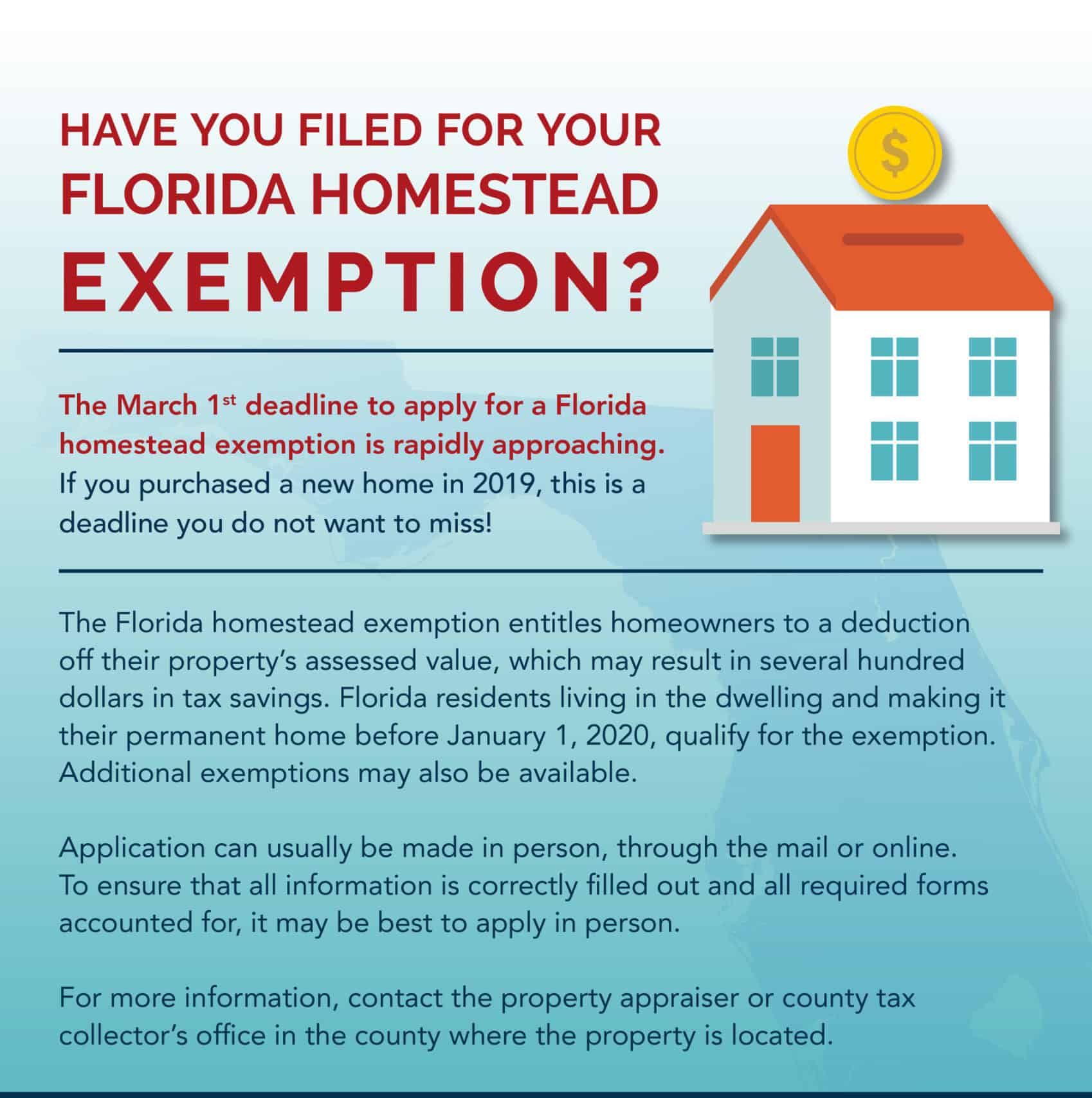
To qualify for this invaluable benefit, your property must meet specific criteria. Firstly, it must be your permanent residence, meaning you intend to live there indefinitely. You can only claim homestead exemption on one property at a time. The application must be filed with the county property appraiser by March 1st of the year you wish to receive the exemption, though initial applications can be made anytime. Subsequent renewals are generally automatic unless there’s a change in ownership or your primary residence status.
Essential Documentation for Homestead Exemption
The application for homestead exemption requires proof of ownership, residency, and a clear declaration of your intent to make the property your permanent home. While specific requirements may vary slightly by county, certain core documents are universally needed.
Proof of Ownership and Residency
The most critical aspect of your homestead application is demonstrating that you legally own the property and that it is indeed your principal residence.
-
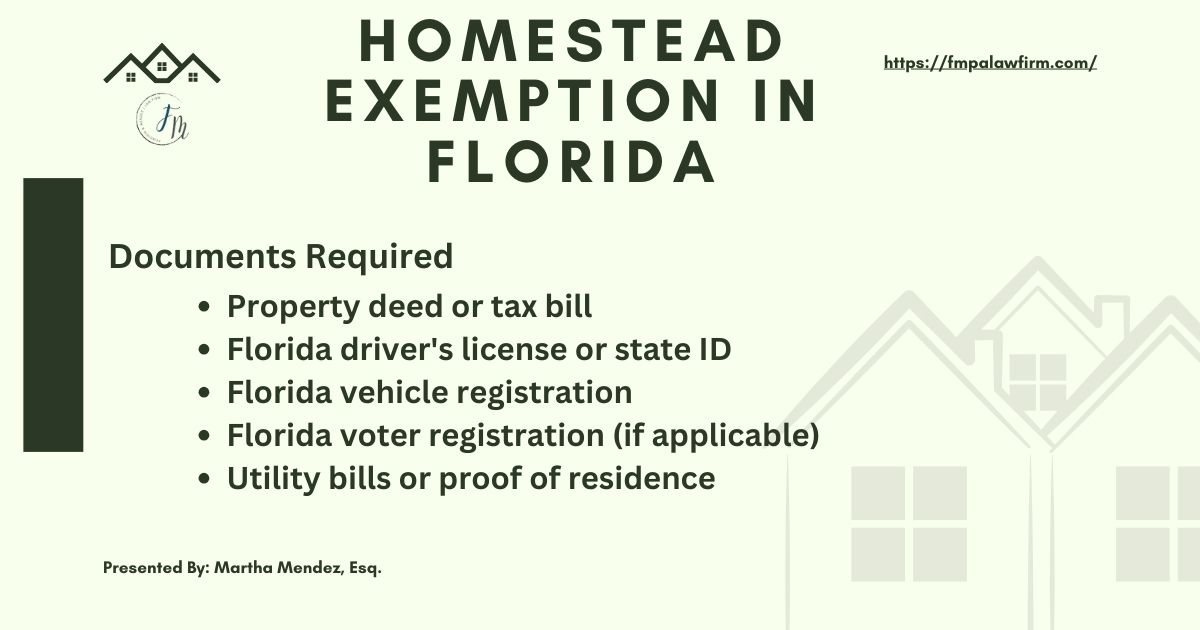
Deed or Title: You will need a copy of your recorded deed or title to the property. This document serves as undeniable proof of your ownership. If you recently purchased the property, the closing documents will usually include this. Ensure the deed is in your name and clearly identifies the property in question. If the property is held in a trust or by a business entity, additional documentation may be required to establish your beneficial ownership and right to claim homestead.
-
Florida Driver’s License or State-Issued ID: A valid Florida driver’s license or state-issued identification card bearing the property’s address is strong evidence of your residency. This document establishes your connection to the state and the specific location of your homestead.
-
Voter Registration Card: If you are registered to vote in Florida, a copy of your voter registration card, showing the property’s address, further supports your claim of residency. This indicates your intent to participate in the state’s civic life, a common indicator of permanent residency.
-
Vehicle Registration: Having your vehicle registered in Florida at the homestead address also serves as a corroborating document for your residency. This ties your personal property and daily life to the property you are claiming as your homestead.
Declarations of Intent and Other Supporting Documents
Beyond proving ownership and residency, you may need to provide further declarations and documentation to solidify your application.
-
Application Form: You will need to complete the official homestead exemption application form provided by your county’s property appraiser’s office. This form is where you will formally declare your intent to claim the property as your permanent residence and provide all necessary information. These forms are typically available online on the county’s property appraiser website or in person at their office.
-
Social Security Number: You will likely be asked to provide your Social Security number. This is used for identification and verification purposes, ensuring that you are not attempting to claim homestead exemption on multiple properties.
-
Proof of Withdrawal from Prior Homestead (if applicable): If you previously claimed homestead exemption in another state or on a different property in Florida, you must provide proof that you have officially withdrawn that exemption. This prevents individuals from claiming homestead status on more than one property. The exact documentation required for this will depend on the previous state or county.
-
Proof of Residency for Multiple Occupants (if applicable): In cases where multiple individuals may have an interest in the property, such as a married couple or co-owners, additional documentation might be necessary to confirm that the applicant is the primary occupant and intends to reside there permanently. This could include affidavits or declarations from other parties.
-
Proof of Residency for Mobile Homes or Manufactured Homes: If your homestead is a mobile home or manufactured home, you will need to provide documentation that proves you own both the home and the land it sits on, or that you have a long-term lease for the land. This might include titles for the mobile home and a lease agreement or deed for the land.
-
Proof of Occupancy Date: While not always explicitly requested, having documentation that indicates the date you began occupying the property as your primary residence can be helpful. This could include utility bills in your name at the address, dated lease agreements, or moving company receipts.
The Application Process and Important Considerations
Submitting your homestead exemption application is a straightforward but time-sensitive process. Understanding the deadlines and potential pitfalls can ensure a smooth experience.
Filing Deadlines and Renewal
The most crucial deadline for homestead exemption in Florida is March 1st. Any application filed after March 1st will generally not be considered for the current tax year. If you purchase a property and wish to claim homestead for that year, ensure your application is submitted before this deadline.
Initial applications can be made at any time during the year, but they will only apply to the tax year in which the March 1st deadline has already passed. For example, if you apply on March 2nd, 2024, your homestead exemption will begin in the 2025 tax year.
Renewals for homestead exemption are typically automatic. Once granted, your homestead exemption will continue year after year as long as you continue to own and reside in the property as your primary residence, and there are no changes in ownership or use. However, it is always prudent to verify with your county property appraiser’s office annually, or if you have any reason to believe your status might have changed.
Navigating Potential Challenges
While the process is designed to be accessible, there are common issues that applicants may encounter.
-
Incorrect Address on Documents: Ensure that the address on all your supporting documents precisely matches the address of the property for which you are claiming homestead exemption. Minor discrepancies can lead to delays or rejection.
-
Claiming on Multiple Properties: Florida law strictly prohibits claiming homestead exemption on more than one property. Attempting to do so can result in penalties, including back taxes and interest.
-
Second Homes or Investment Properties: Homestead exemption is exclusively for your primary residence. Properties that are used as vacation homes, rental properties, or investment properties do not qualify.
-
Incomplete Applications: Missing signatures, unreadable copies, or incomplete information on the application form can halt the process. Always double-check your application before submission.
-
Changes in Circumstances: If you move, sell the property, or change its use, you are obligated to notify the property appraiser’s office. Failure to do so could lead to incorrect tax assessments.

Where to Find Assistance
Your primary point of contact for homestead exemption is your county property appraiser’s office. These offices are dedicated to assisting homeowners with property tax matters, including homestead exemptions. Their websites are an invaluable resource, typically offering:
- Downloadable application forms.
- Detailed lists of required documents.
- Explanations of eligibility requirements.
- Information on deadlines and renewal processes.
- Contact information for staff who can answer specific questions.
Many property appraisers also offer online application portals, allowing you to submit your documents electronically. This can be a convenient and efficient way to complete the process.
By meticulously gathering the necessary documents and understanding the application procedures, you can successfully secure Florida’s beneficial homestead exemption, enjoying both significant tax savings and the peace of mind that comes with protected primary residence.
LifeOutOfTheBox is a participant in the Amazon Services LLC Associates Program, an affiliate advertising program designed to provide a means for sites to earn advertising fees by advertising and linking to Amazon.com. Amazon, the Amazon logo, AmazonSupply, and the AmazonSupply logo are trademarks of Amazon.com, Inc. or its affiliates. As an Amazon Associate we earn affiliate commissions from qualifying purchases.