
Planning a trip to the Sunshine State often involves dreams of pristine beaches, vibrant cities, and world-class attractions. However, for those eyeing a visit between early summer and late autumn, understanding Florida’s hurricane season is paramount for a seamless and safe travel experience. While the prospect of a hurricane can be daunting, informed planning can significantly mitigate risks and allow travelers to still enjoy all that Florida has to offer.
Understanding Florida’s Hurricane Season
Florida is situated in a region prone to tropical storm activity, and as such, it experiences a well-defined hurricane season each year. This period officially runs from June 1st through November 30th. During these months, the warm waters of the Atlantic Ocean, Caribbean Sea, and Gulf of Mexico provide the ideal conditions for the formation and strengthening of tropical depressions, tropical storms, and hurricanes.
Peak Times and Historical Trends
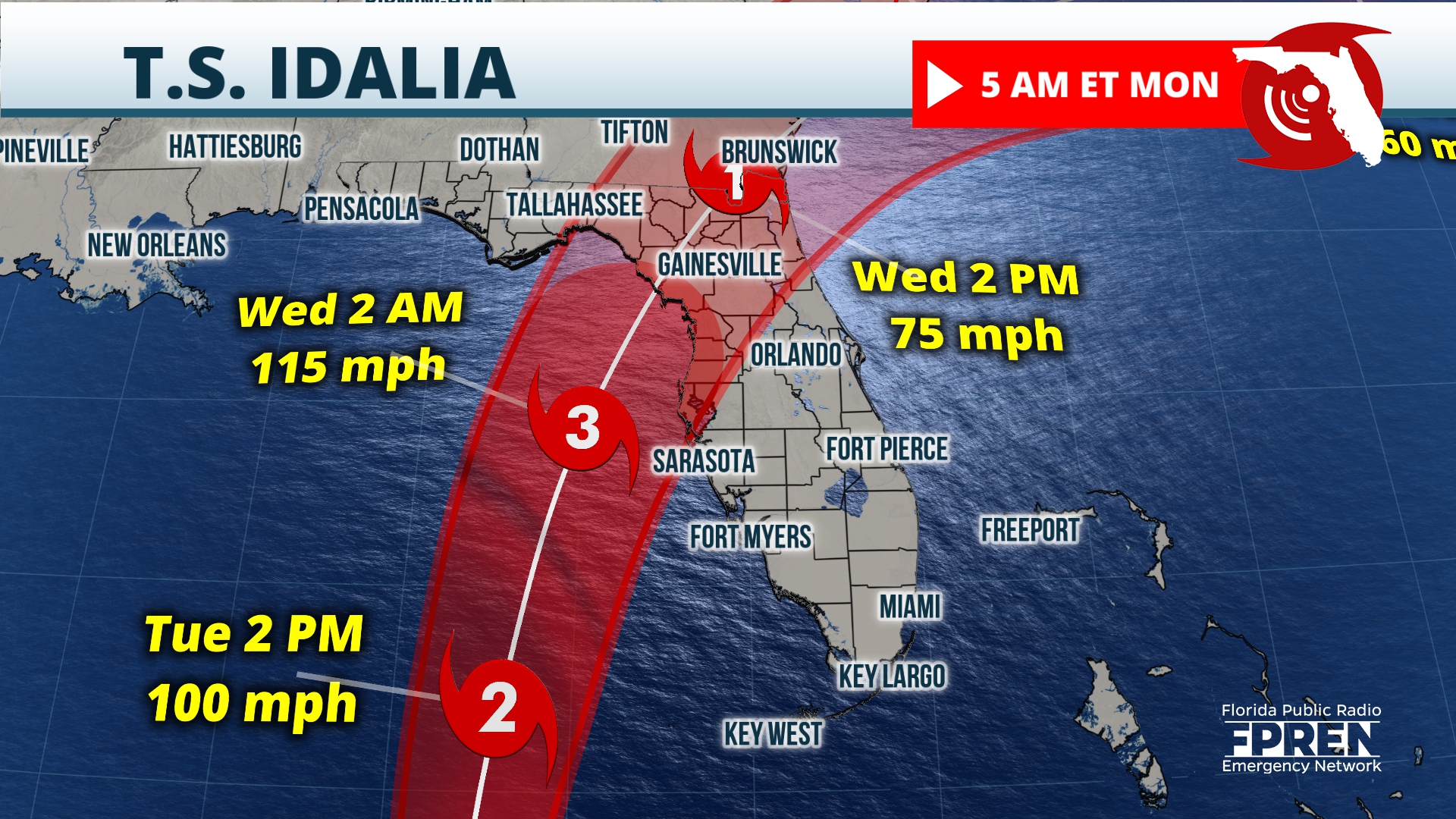
While the season spans six months, not all periods carry the same level of risk. Historically, the peak of hurricane season in Florida falls between mid-August and late September. This roughly six-week window accounts for a significant percentage of hurricane landfalls and intense storm activity. During these peak months, sea surface temperatures are at their highest, and atmospheric conditions are often most conducive to cyclogenesis.
It’s important to note that while some years see multiple landfalls or near-misses, others pass with relatively little impact. Predicting the exact timing and path of individual storms far in advance is impossible, but understanding these general trends can help travelers assess the overall risk profile of their chosen travel dates. For example, a trip in early June or late November statistically carries a lower risk than one in early September. However, vigilance is always recommended, as outlier storms can occur at any point during the designated season.
Defining Hurricane Categories and Their Impact on Travel
Hurricanes are classified into five categories based on the Saffir-Simpson Hurricane Wind Scale, which measures sustained wind speeds. Each category presents different levels of potential damage and, consequently, different implications for travelers:
- Category 1 (74-95 mph): Can cause minor damage to homes, trees, and power lines. Travel disruptions may include flight delays, port closures, and temporary road closures due to flooding or debris.
- Category 2 (96-110 mph): Expected to cause extensive damage to homes and infrastructure. More significant travel impacts are likely, including widespread power outages, longer airport and port closures, and mandatory evacuations for vulnerable coastal areas.
- Category 3 (111-129 mph): Considered a major hurricane, capable of devastating damage. Travel is severely impacted, with widespread evacuations, prolonged airport and port closures, and extensive damage to roadways. Visiting during or immediately after such a storm would be highly impractical and unsafe.
- Category 4 (130-156 mph): Catastrophic damage is expected. Regions hit by a Category 4 storm will experience long-term power outages, severe structural damage, and widespread debris. Travel to affected areas would be impossible and recovery efforts would be ongoing for weeks or months.
- Category 5 (157 mph or higher): The highest category, resulting in catastrophic and unsurvivable damage. Communities can be rendered uninhabitable for extended periods. All travel to or from affected areas would cease.
For travelers, understanding these categories helps in assessing the severity of a potential threat and making informed decisions about whether to proceed with or alter travel plans. The goal is always to avoid being in the path of a significant storm.
Planning Your Florida Travel During Hurricane Season
While the hurricane season carries inherent risks, many travelers successfully visit Florida during these months. The key lies in meticulous planning, flexibility, and a proactive approach to safety.
Advantages of Off-Peak Travel
Traveling to Florida during the hurricane season, particularly outside the peak weeks, can offer several benefits:
- Lower Prices: Airfares, accommodation rates, and even some attraction tickets often see a dip during these months compared to the peak winter and spring break seasons. This can lead to substantial savings for budget-conscious travelers.
- Fewer Crowds: Popular destinations like Orlando’s theme parks, Miami’s beaches, and the Florida Keys typically experience fewer visitors, leading to shorter lines, easier reservations, and a more relaxed atmosphere.
- Warm Water Temperatures: The ocean and gulf waters are at their warmest, perfect for swimming, snorkeling, and other water sports.
These advantages can make a hurricane season trip appealing, provided travelers are well-prepared for potential disruptions.
Essential Preparedness Steps
For those choosing to travel to Florida during hurricane season, preparedness is not just advisable, it’s essential:
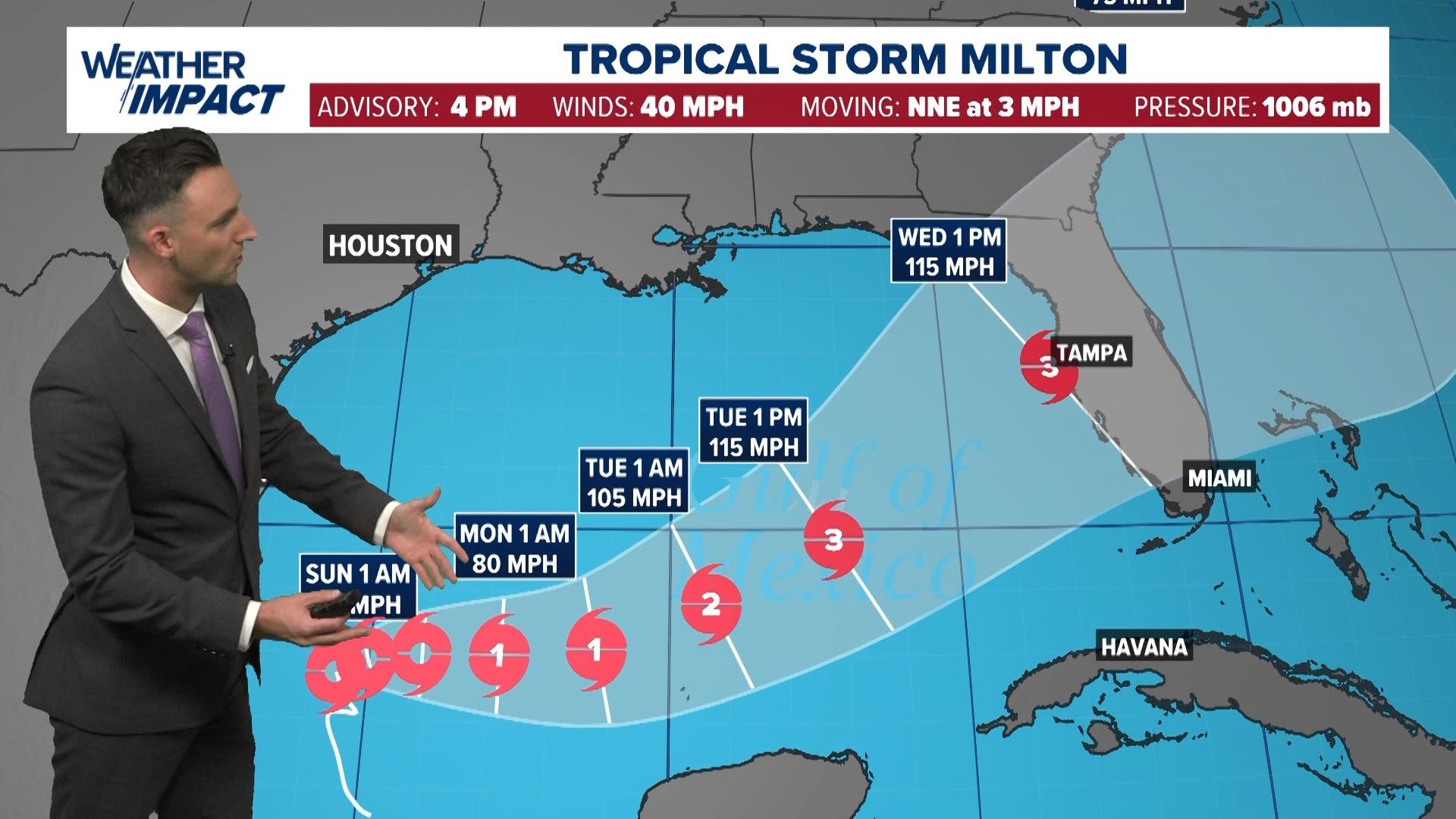
- Monitor Weather Forecasts Daily: Begin monitoring tropical weather outlooks from reliable sources like the National Hurricane Center (NHC) well before your departure and throughout your trip. The NHC provides advisories, watches, and warnings that are crucial for understanding developing situations.
- Flexible Bookings: Whenever possible, choose airlines and accommodations that offer flexible cancellation or rebooking policies. This provides a safety net if a storm threatens your travel dates.
- Emergency Contact Information: Keep a list of emergency contacts, including your airline, hotel, rental car company, and travel insurance provider, readily accessible.
- Pack an Emergency Kit (Light): While you won’t need a full survival kit, consider packing essentials like a portable phone charger, copies of important documents (digital and physical), and any necessary medications.
- Local Emergency Plans: Familiarize yourself with the emergency plans for your specific destination. Know the evacuation routes, local shelters, and how to receive local alerts.
Travel Insurance Considerations
Travel insurance is perhaps the most critical component of hurricane season travel planning. Not all policies are created equal, so careful review is necessary:
- “Cancel For Any Reason” (CFAR) Policies: These are the most comprehensive, allowing you to cancel your trip for virtually any reason, including fear of a hurricane, typically recouping 50-75% of non-refundable costs. However, they are more expensive and often have specific purchase deadlines relative to your trip booking or the storm’s naming.
- Standard Travel Insurance: Many standard policies cover cancellations or interruptions due to hurricanes, but usually only if the storm is a named event after you purchase the policy and if it directly impacts your destination (e.g., mandatory evacuation, airport closure). They typically do not cover cancellations due to a “pre-existing” storm or simply because you’re worried about a potential storm.
- Review Policy Details: Pay close attention to the fine print regarding “Acts of God,” weather-related clauses, and the conditions under which claims are paid. Understand deadlines for purchasing coverage relative to named storms.
Investing in the right travel insurance can provide peace of mind and financial protection against unforeseen hurricane-related disruptions.
Florida Destinations and Hurricane Resilience
Not all parts of Florida are equally vulnerable to hurricane impacts. Understanding geographical nuances can inform your destination choice.
Coastal Areas vs. Inland Regions
Coastal communities, by their very nature, are more susceptible to the direct impacts of hurricanes, including storm surge, high winds, and heavy rainfall. Destinations like the Florida Panhandle, the Tampa Bay area, South Florida (including Miami and Fort Lauderdale), and the Florida Keys face higher risks. These areas often experience mandatory evacuations when a strong storm threatens.
Inland regions, such as Central Florida (home to Orlando’s theme parks), are generally less exposed to storm surge but can still experience significant wind damage, extensive flooding from heavy rains, and widespread power outages. While these areas are relatively safer, they are by no means immune to a hurricane’s reach.
Case Studies: Miami, Orlando, and the Florida Keys
- Miami: As a major coastal metropolitan area, Miami is frequently in the cone of uncertainty during hurricane season. Its extensive infrastructure is built to withstand strong winds, but storm surge and flooding are significant concerns, especially in low-lying areas like Miami Beach. Travelers to Miami during hurricane season should be prepared for potential evacuations and temporary business closures.
- Orlando: Located inland, Orlando is often seen as a safer bet. While it avoids direct storm surge, it can experience heavy rainfall, strong winds, and widespread power outages. Theme parks have sophisticated emergency plans and typically close only for severe weather, prioritizing guest safety. Disruptions here are more likely to be inconvenience rather than direct danger, but extended power outages can still impact a vacation.
- Florida Keys: This island chain is highly vulnerable to hurricanes due to its low elevation and exposed position. Mandatory evacuations are common for even moderately strong storms, and recovery can be protracted. Travel to the Florida Keys during the peak hurricane season carries the highest risk of disruption, making robust travel insurance and extreme flexibility essential.
Real-time Information and Resources
Staying informed is your best defense against hurricane-related travel disruptions. Modern technology offers numerous ways to monitor conditions.
Staying Informed
- Official Weather Sources: Rely on authoritative sources like the National Hurricane Center (NHC) and the National Weather Service (NWS). Their websites and mobile apps provide accurate forecasts, storm tracks, and advisories.
- Local News and Emergency Alerts: Tune into local Florida news channels, radio stations, and sign up for county-specific emergency alert systems (e.g., AlertFlorida, county alert systems) for real-time updates relevant to your specific location.
- Airline and Hotel Communications: Monitor communications from your airline, cruise line, and accommodation provider. They will typically issue advisories regarding schedule changes, closures, or evacuation orders.
- Social Media: Follow official accounts of emergency management agencies, local governments, and reputable news outlets on platforms like X (formerly Twitter) for rapid updates.
Emergency Protocols for Travelers
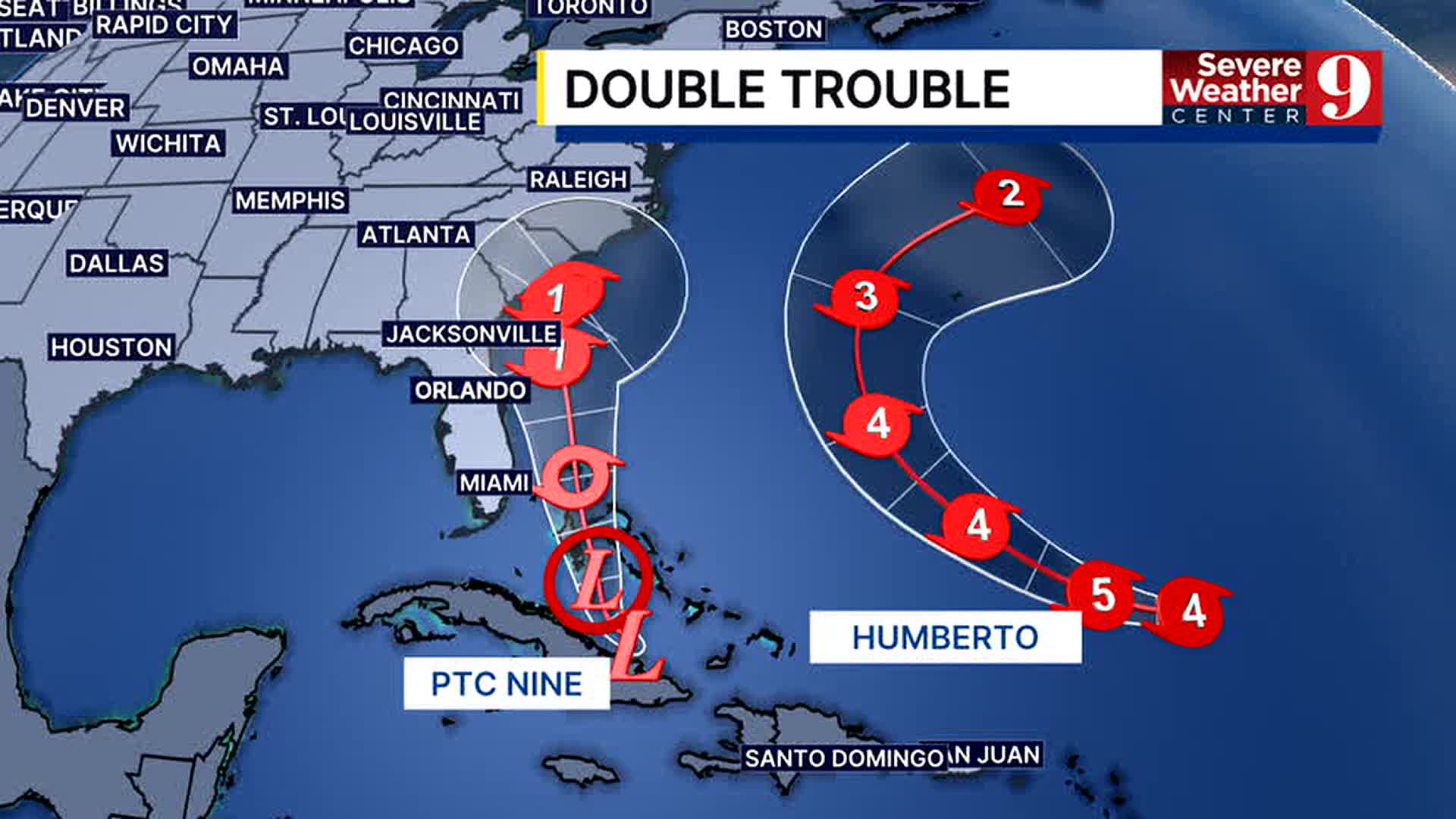
Should a hurricane threaten your travel plans or occur during your visit, follow these protocols:
- Heed Evacuation Orders: If local authorities issue a mandatory evacuation order for your area, leave immediately. Do not delay, as roads can become congested, and emergency services may be limited once conditions deteriorate.
- Communicate Your Plans: Inform family and friends of your travel plans and any changes due to weather.
- Secure Documents and Valuables: Keep important documents (passport, ID, insurance info) and valuables in a waterproof, accessible bag.
- Follow Hotel Instructions: If sheltering in place at a hotel, follow all instructions from staff regarding safety procedures, power outages, and food/water distribution.
- Avoid Storm Chasing: Under no circumstances should travelers attempt to witness a hurricane up close. The dangers from wind, flying debris, and flooding are extreme and life-threatening.
While hurricanes present a unique challenge for Florida travelers, proactive planning, robust travel insurance, and diligent monitoring of official information can help ensure a safe and enjoyable journey. By understanding the season’s patterns and preparing for contingencies, visitors can still experience the magic of Florida, even during the stormier months.
LifeOutOfTheBox is a participant in the Amazon Services LLC Associates Program, an affiliate advertising program designed to provide a means for sites to earn advertising fees by advertising and linking to Amazon.com. Amazon, the Amazon logo, AmazonSupply, and the AmazonSupply logo are trademarks of Amazon.com, Inc. or its affiliates. As an Amazon Associate we earn affiliate commissions from qualifying purchases.