
Pinpointing Detroit: A Midwest Gem
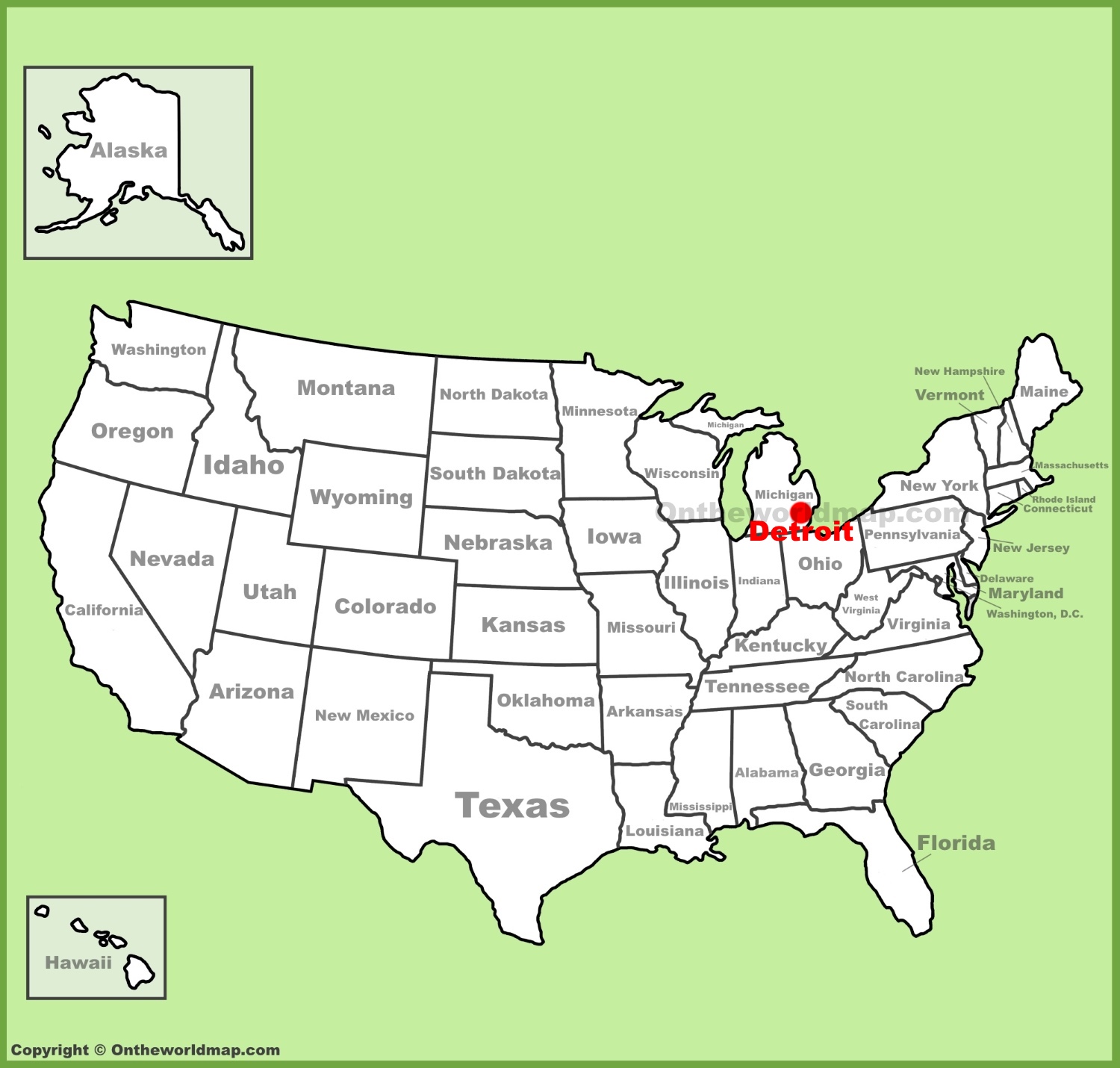
Detroit, often recognized globally for its profound influence on automotive history and music, holds a distinct position on the map of the United States. It is the most populous city in the state of Michigan and the largest city on the United States–Canada border. Understanding its geographical placement is the first step in appreciating its strategic importance and unique character as a travel destination within the Midwest.
Geographical Coordinates and Surrounding States
Situated at approximately 42.33 degrees North latitude and 83.05 degrees West longitude, Detroit is nestled in the southeastern part of Michigan. It lies directly across the Detroit River from Windsor, Ontario, Canada, making it a significant international port of entry. The state of Michigan itself is bordered by Ohio and Indiana to the south, while the vast expanse of Lake Michigan separates it from Illinois and Wisconsin to the west. This central location within the Great Lakes region places Detroit within a day’s drive of major metropolitan areas like Chicago, Cleveland, and Toronto.

The Significance of its Great Lakes Proximity
Detroit’s proximity to the Great Lakes, specifically its location on the Detroit River connecting Lake Huron and Lake Erie, has profoundly shaped its history, economy, and culture. This natural waterway served as a vital transportation route for trade, industry, and early settlement. For travelers, this means access to stunning waterfront views, recreational opportunities on the water, and a climate influenced by these immense freshwater seas. The international border with Canada, accessible via the Ambassador Bridge and the Detroit-Windsor Tunnel, adds another layer of intrigue, allowing for easy cross-border exploration for those with the appropriate documentation.
Why Travel to Detroit? A City Reimagined
Beyond its location on a map, Detroit beckons travelers with a compelling narrative of resilience, innovation, and cultural rebirth. Often referred to as “Motor City” or “Motown,” its identity is deeply rooted in its industrial past, yet its present and future are vibrant with art, cuisine, and entrepreneurial spirit.
A Hub of Innovation and History
Detroit’s legacy as the birthplace of the modern automobile industry, spearheaded by figures like Henry Ford and the Ford Motor Company, is a powerful draw. Travelers can delve into this history at attractions like The Henry Ford, a sprawling complex in nearby Dearborn that includes the Henry Ford Museum of American Innovation and Greenfield Village. These sites offer immersive experiences, showcasing America’s industrial might and ingenuity. The city’s history is not just about cars; it’s also a testament to American progress and the labor movements that shaped the nation.
Cultural Richness and Artistic Vibrancy
Detroit’s cultural impact extends far beyond manufacturing. It is the cradle of Motown music, a genre that defined a generation and influenced countless artists worldwide. The Motown Museum, housed in the original Hitsville U.S.A. building, offers an intimate look at the legends who recorded there. The city’s art scene is equally impressive, with institutions like the Detroit Institute of Arts, home to an outstanding collection including Diego Rivera’s Detroit Industry Murals. Public art flourishes in neighborhoods and downtown spaces, reflecting a dynamic creative spirit that has permeated the city’s revitalization. From jazz clubs to techno music venues, Detroit’s musical heritage continues to evolve and thrive, offering diverse entertainment options for visitors.
Navigating Detroit: Getting There and Around
Planning a trip to Detroit involves understanding its transportation infrastructure, which has been continually updated to accommodate modern travelers.
Major Transportation Hubs
The primary gateway for air travelers is Detroit Metropolitan Wayne County Airport (DTW), a major international hub serving flights from across the United States and beyond. From DTW, various ground transportation options, including taxis, ride-sharing services, and rental cars, are available to reach downtown Detroit and surrounding areas. For those driving, Detroit is well-connected by a network of interstates, including I-75, I-94, and I-96, making road trips from neighboring states and Canada convenient.
Exploring the City’s Districts
Once in Detroit, navigating the city’s diverse districts is relatively straightforward. The downtown core is quite walkable, especially around popular areas like Campus Martius Park and the riverfront. Public transportation options include the QLine, a modern streetcar system that runs along Woodward Avenue connecting Downtown to New Center through Midtown. The Detroit People Mover is an elevated light rail system offering quick access to key points within the downtown loop. For exploring further afield to neighborhoods like historic Corktown, vibrant Eastern Market, or the Belle Isle Park oasis, ride-sharing services, taxis, or personal vehicles are recommended. The city’s layout, with its grid system and main arteries, makes driving relatively easy compared to some older East Coast cities.
Must-See Attractions and Experiences for Travelers
Detroit offers a rich tapestry of attractions catering to diverse interests, from history buffs and art aficionados to foodies and sports enthusiasts.
Iconic Landmarks and Museums
No visit to Detroit is complete without exploring its cornerstone institutions. The aforementioned Motown Museum and The Henry Ford are essential. The Detroit Institute of Arts is consistently ranked among the top art museums in the United States. History lovers will also appreciate the Charles H. Wright Museum of African American History, one of the world’s largest institutions dedicated to the African American experience. Architecturally, structures like the Guardian Building, an Art Deco masterpiece, and the majestic Detroit Public Library are worth admiring. For sports fans, catching a game at Comerica Park (baseball), Little Caesars Arena (hockey and basketball), or Ford Field (football) is a quintessential Detroit experience.
Culinary Delights and Entertainment
Detroit’s food scene is a delightful blend of classic American comfort food, ethnic specialties, and innovative new establishments. Iconic dishes include Detroit-style pizza, a rectangular, deep-dish pie with a crispy, cheesy crust, and chili dogs from historic spots like Lafayette Coney Island. The Eastern Market district, one of the oldest and largest public markets in the United States, is a must-visit for fresh produce, artisanal goods, and a vibrant community atmosphere, especially on Saturdays. Ethnic enclaves like Greektown and Mexican Town offer authentic culinary journeys. For entertainment, historic venues like the Fox Theatre host major concerts and Broadway shows, while smaller clubs showcase local music talent. The city also hosts numerous festivals throughout the year, including the Detroit International Jazz Festival and the Movement Electronic Music Festival.
Planning Your Detroit Adventure
A successful trip to Detroit requires some thoughtful planning to make the most of its diverse offerings.
Best Times to Visit
The shoulder seasons—spring (April to May) and fall (September to October)—often provide the most pleasant weather for exploring Detroit. Temperatures are mild, and the city is abuzz with events, fewer crowds, and beautiful foliage in the fall. Summer (June to August) is lively, with numerous outdoor festivals, concerts, and opportunities to enjoy the riverfront and parks, though temperatures can be warm and humidity high. Winters (November to March) are cold and snowy, which can deter some travelers, but offer unique experiences like ice skating at Campus Martius Park and cozy indoor attractions.

Travel Tips for First-Timers
When visiting Detroit, consider purchasing a Detroit CityPASS if you plan to visit multiple major attractions, as it can offer significant savings. While many areas are walkable or accessible by public transit, renting a car can provide flexibility, especially for exploring attractions outside the downtown core. Engage with locals; Detroiters are often passionate about their city and eager to share recommendations. Research neighborhood events or festivals happening during your visit to immerse yourself in the local culture. Finally, embrace the city’s unique narrative. Detroit is a destination with a powerful story, from its industrial might to its musical soul and ongoing revitalization, making it a truly insightful and engaging travel experience.
LifeOutOfTheBox is a participant in the Amazon Services LLC Associates Program, an affiliate advertising program designed to provide a means for sites to earn advertising fees by advertising and linking to Amazon.com. Amazon, the Amazon logo, AmazonSupply, and the AmazonSupply logo are trademarks of Amazon.com, Inc. or its affiliates. As an Amazon Associate we earn affiliate commissions from qualifying purchases.