
Planning a trip to the Sunshine State often involves envisioning pristine beaches, thrilling theme parks, and vibrant cities. However, a crucial aspect of responsible travel planning, particularly for a destination like Florida, is understanding its unique weather patterns, including the less-frequent but potentially impactful phenomenon of tornadoes. While Florida is more widely known for hurricanes, tornadoes also occur and understanding their seasonality is key to ensuring a safe and enjoyable travel experience.
Understanding Florida’s Climatic Patterns and Tornado Activity
Florida’s subtropical to tropical climate contributes to its year-round appeal but also dictates its weather patterns. Unlike the distinct four seasons experienced in many parts of the United States, Florida essentially has two primary seasons: a warm, wet season (typically May through October) and a cooler, drier season (November through April). Both seasons, however, present different conditions that can lead to tornado development.
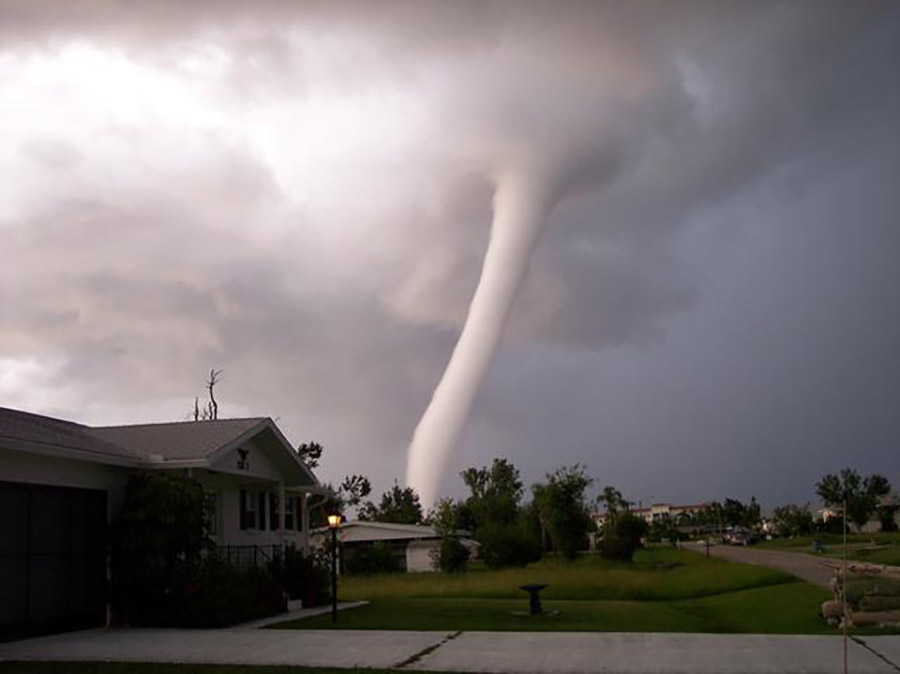
The Two Primary Seasons and Their Tornado Potential
Cooler, Drier Season (November to April): This period, often considered prime tourist season due to more comfortable temperatures and lower humidity, paradoxically sees the highest frequency of significant tornado events in Florida. Cold fronts sweeping across the Gulf of Mexico can collide with the warm, moist air over the state, creating conditions ripe for severe thunderstorms and tornadoes. These tornadoes are often faster-moving and can occur at any time of day or night, sometimes without extensive warning, posing a unique challenge for travelers unfamiliar with the local weather dynamics.
Warm, Wet Season (May to October): This is Florida’s hurricane season, and while the focus is often on tropical cyclones, these large storm systems are also significant tornado producers. Tornadoes spawned by hurricanes are typically weaker and shorter-lived (EF0-EF1 on the Enhanced Fujita scale) but can still cause considerable localized damage. They often occur in the outer rain bands of a hurricane or tropical storm, sometimes hundreds of miles from the storm’s center. Additionally, daily afternoon thunderstorms, a staple of Florida’s summer, can occasionally produce weak, short-lived tornadoes, often waterspouts that move onshore.
Regional Variations Across the State
Tornado activity isn’t uniform across Florida. The Panhandle and northern parts of the state, being closer to the tracks of winter cold fronts, tend to experience more tornadoes during the cooler months. Cities like Tallahassee and Jacksonville are more susceptible during this timeframe. Central Florida, including popular tourist hubs like Orlando and Tampa, also experiences significant tornado events during the winter and early spring, often associated with strong squall lines. Southern Florida, including Miami and the Florida Keys, sees fewer tornadoes overall, but is particularly vulnerable to those associated with tropical cyclones during the summer and fall. Understanding these regional nuances can help travelers assess risk based on their chosen destination within Florida.
Peak Tornado Activity and Traveler Safety
While tornadoes can occur at any time in Florida, historical data points to specific periods that travelers should be particularly aware of. This knowledge empowers visitors to make informed decisions about their travel dates and enhances their safety preparedness.
Identifying High-Risk Months
Statistically, February, March, and April are considered the peak months for tornado activity in Florida, especially for the stronger, more destructive events. This aligns with the cooler, drier season when powerful cold fronts interact with the warm, moist air characteristic of the peninsula. A secondary peak can occur during the hurricane season, particularly August, September, and October, due to tornadoes generated by tropical systems. Travelers planning visits during these periods, regardless of their specific destination in Florida, should maintain heightened awareness of weather forecasts.
Safety Protocols for Visitors
Traveler safety during potential severe weather events hinges on awareness and preparation. If you’re visiting Florida during a high-risk period, consider the following:
- Monitor Local Weather: Utilize local news channels, weather apps, and the National Weather Service for real-time updates. Many hotels and resorts offer weather alert systems or information channels.
- Know Your Shelter: Upon arrival at your accommodation, identify the designated tornado shelter area, which is typically an interior room on the lowest floor, a basement, or a specifically reinforced safe room. If staying in an RV or tent, know the location of the nearest sturdy building.
- Stay Informed about Warnings: A “Tornado Watch” means conditions are favorable for tornadoes to develop in the area. A “Tornado Warning” means a tornado has been sighted or indicated by radar and poses an imminent threat to your location. Take immediate shelter during a Tornado Warning.
- Heed Evacuation Orders: If you are in an area advised to evacuate due to a tropical storm or hurricane, which can bring tornado threats, follow all official instructions promptly.
Staying Informed While Traveling
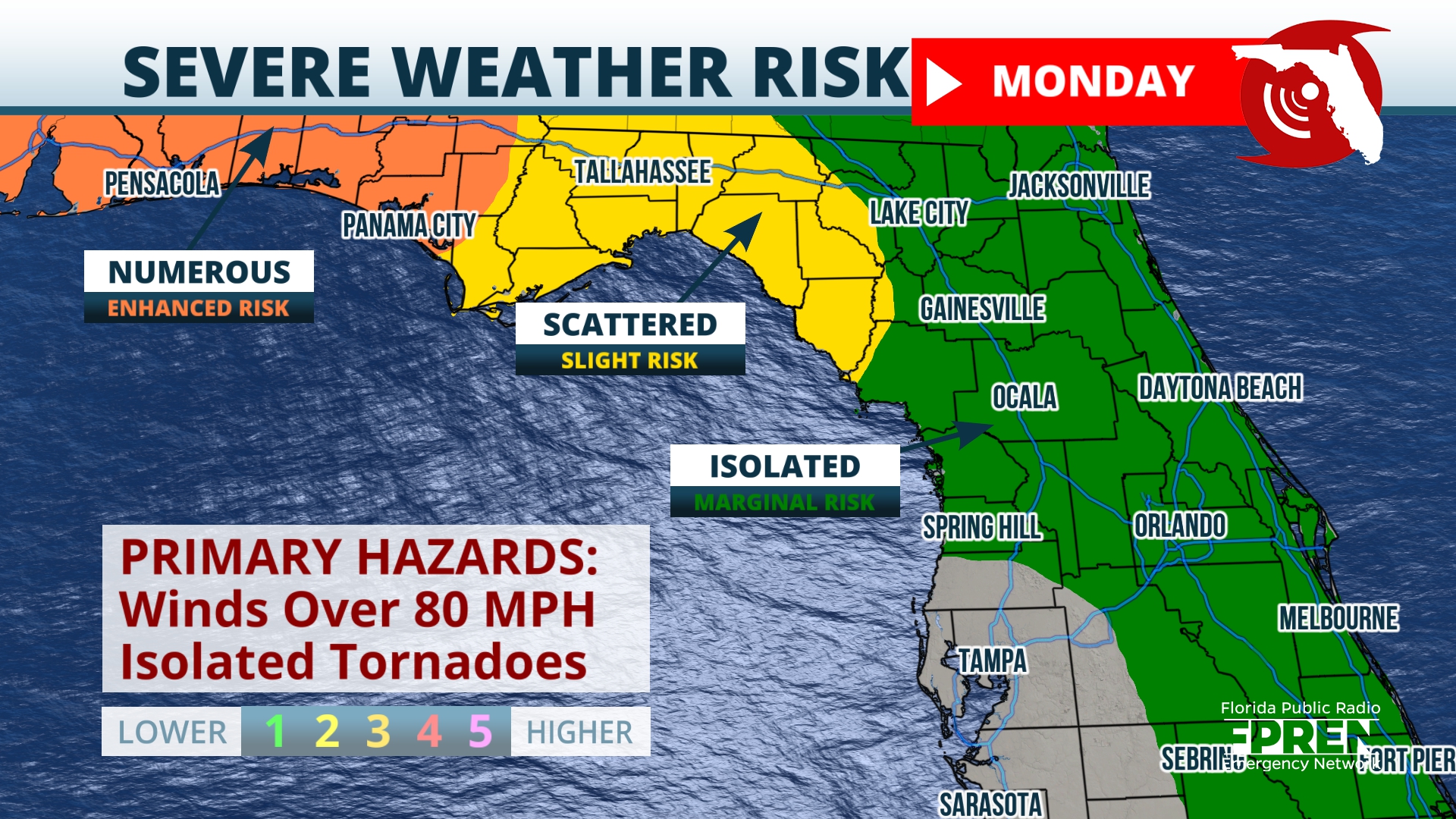
Many modern amenities make it easier than ever for travelers to stay safe. Turn on weather alerts on your smartphone, tune into NOAA Weather Radio, or simply ask hotel staff about their emergency procedures. Major attractions like Walt Disney World Resort and Universal Studios Florida have sophisticated weather monitoring systems and protocols in place to ensure guest safety during severe weather, including designated shelter areas within their parks and resorts. If you plan to visit natural areas like Everglades National Park, be especially diligent, as open spaces offer little shelter.
Planning Your Florida Trip Around Weather Concerns
Integrating an understanding of Florida’s tornado season into your travel plans doesn’t mean avoiding the state entirely, but rather making informed choices to optimize your experience.
Best Times for a Worry-Free Vacation
For travelers seeking to minimize exposure to severe weather risks, the sweet spots are often late April to early May and late October to early November. These transitional periods offer generally pleasant weather, lower humidity, and fall outside the peak tornado months and the most intense part of hurricane season. You’ll also often find fewer crowds and potentially better deals on flights and accommodation. However, even during these times, occasional severe weather can occur, so remaining vigilant is always advisable.
Travel Insurance and Contingency Plans
Regardless of when you travel, comprehensive travel insurance is a wise investment for any trip to Florida. Policies that cover weather-related disruptions, such as trip cancellation or interruption due to severe weather warnings or evacuations, can provide peace of mind. Familiarize yourself with your policy’s terms regarding natural disasters. Additionally, have a contingency plan: research alternative indoor activities in your chosen destination in case outdoor plans are affected by inclement weather. This might include museums, aquariums, indoor entertainment complexes, or shopping centers.
Alternative Indoor Attractions
Florida boasts an abundance of world-class indoor attractions that can serve as excellent alternatives if outdoor activities are curtailed by weather. In Orlando, beyond the theme parks’ indoor rides, consider places like the Kennedy Space Center Visitor Complex (which has many indoor exhibits), the Orlando Science Center, or various shopping malls. Tampa offers the Florida Aquarium and the Museum of Science & Industry (MOSI). In Miami, explore the Phillip and Patricia Frost Museum of Science or the Pérez Art Museum Miami (PAMM). These options ensure that a brief period of severe weather doesn’t derail your entire vacation experience.
Common Misconceptions and Preparedness Tips
Addressing common myths and reinforcing practical tips can further empower travelers to navigate Florida’s weather with confidence.
Dispelling Myths About Tornadoes
One common misconception is that tornadoes only strike mobile home parks. While mobile homes are particularly vulnerable due to their construction, tornadoes can and do strike any type of structure, including homes, businesses, and resorts. Another myth is that seeking shelter under an overpass is safe; in reality, this is extremely dangerous due to the wind tunnel effect. Always seek sturdy, interior shelter. Lastly, some believe tornadoes won’t cross water, but waterspouts (tornadoes over water) can move onshore and become landspouts. Awareness of these facts helps travelers make better safety decisions.

Essential Preparedness for Tourists
Beyond understanding the seasonal risks, a few simple preparedness tips can make a significant difference:
- Emergency Kit: Consider a small emergency kit with a flashlight, portable phone charger, basic first-aid supplies, and any necessary medications.
- Communication Plan: Discuss with your travel companions how you will communicate if separated or if cell service is temporarily unavailable.
- Review Evacuation Routes: If renting a car, familiarize yourself with potential evacuation routes out of your area, especially if staying near the coast during hurricane season.
- Trust Official Sources: Rely only on official weather alerts and emergency instructions from local authorities, rather than social media rumors.
By understanding when tornado season occurs in Florida and integrating this knowledge into your travel planning, you can ensure your trip is not only exciting but also safe and well-prepared for any weather the Sunshine State might bring.
LifeOutOfTheBox is a participant in the Amazon Services LLC Associates Program, an affiliate advertising program designed to provide a means for sites to earn advertising fees by advertising and linking to Amazon.com. Amazon, the Amazon logo, AmazonSupply, and the AmazonSupply logo are trademarks of Amazon.com, Inc. or its affiliates. As an Amazon Associate we earn affiliate commissions from qualifying purchases.