
Planning a trip that seamlessly combines the spiritual allure of Sedona, Arizona with the awe-inspiring grandeur of the Grand Canyon National Park is a dream for many travelers. These two iconic Arizona destinations, while distinct in their offerings, are surprisingly accessible to each other, making a dual-adventure itinerary not only feasible but highly recommended. Understanding the distances, travel times, and the most efficient routes will be key to maximizing your experience and minimizing any travel stress.
The Core Question: Sedona to Grand Canyon Distance and Travel Time
The most direct and commonly traveled route between Sedona and the Grand Canyon South Rim is approximately 110 to 120 miles. This distance translates to an average driving time of about 2 to 2.5 hours, assuming standard driving conditions and no significant traffic delays. This relatively short distance makes it possible to visit the Grand Canyon as a day trip from Sedona, or more comfortably, to spend a night or two near the park and explore its vastness without feeling rushed.
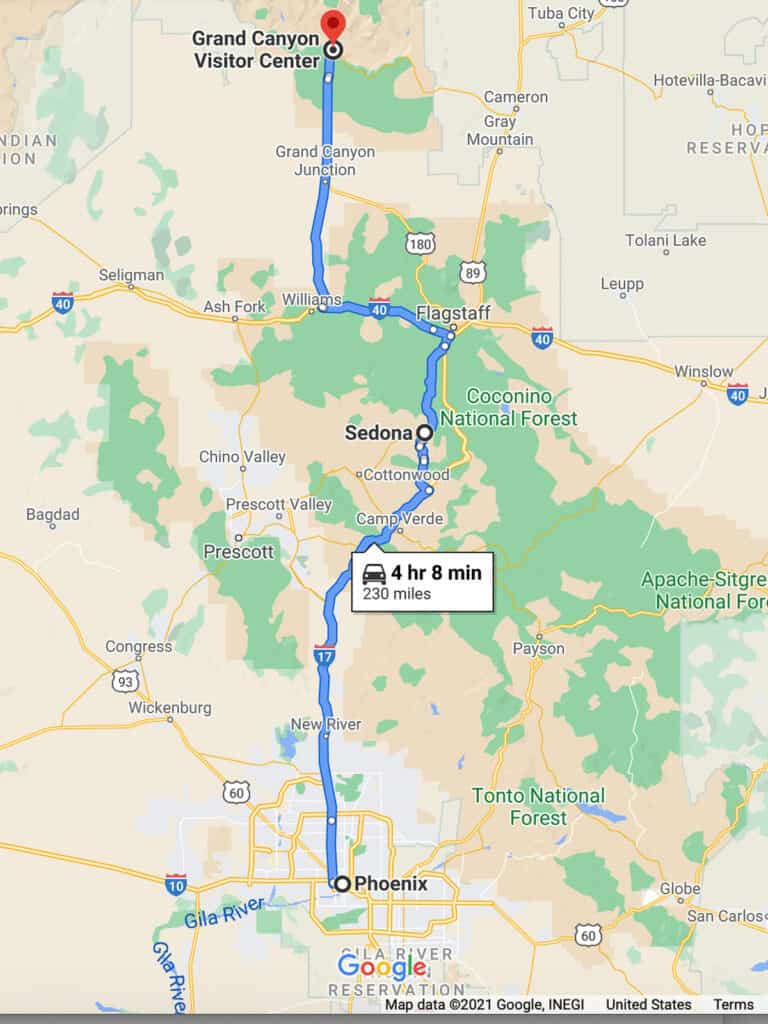
Several factors can influence the actual travel time. The specific starting point within Sedona and the chosen entrance to the Grand Canyon National Park will naturally affect the mileage. Additionally, road construction, seasonal weather patterns (especially during winter months when snow can impact higher elevations), and the volume of tourist traffic, particularly during peak seasons like spring break, summer, and fall foliage, can all add to the journey’s duration. It is always advisable to check real-time traffic conditions before departing.
Route Variations and Considerations
While the most direct route is favored for its efficiency, travelers might opt for slightly different paths depending on their interests or the need to avoid certain stretches of road.
The Standard Scenic Route
The primary route typically involves heading north from Sedona on State Route 89A. This highway is renowned for its breathtaking scenery as it winds its way through Oak Creek Canyon, a picturesque drive often compared to a miniature version of the Grand Canyon itself, with towering red rock formations and lush greenery. After descending Oak Creek Canyon, you’ll reach the town of Flagstaff, Arizona.
From Flagstaff, you will then take US Highway 180 West, which leads directly towards the Grand Canyon National Park. This segment of the journey is characterized by wide-open spaces and rolling hills, offering a different kind of Southwestern landscape. The final approach to the South Entrance of the park is well-signed, guiding you into the heart of this natural wonder.
Alternative Routes and Detours
For those seeking a more extended scenic experience or wishing to explore additional attractions along the way, alternative routes are available. One such option involves continuing on State Route 89A north past Flagstaff towards US Highway 89 North. This path takes you through more remote areas and can offer glimpses of different landscapes. You would then connect with State Route 64 West, which leads directly to the East Entrance of the Grand Canyon National Park. This route is slightly longer but can be rewarding for its fewer crowds and the opportunity to see the canyon from a different perspective as you approach from the east.
Another consideration, though adding significant time, is the possibility of visiting Williams, Arizona, often referred to as the “Gateway to the Grand Canyon.” From Sedona, you would drive to Flagstaff and then take I-40 West to Williams. From Williams, you can board the historic Grand Canyon Railway for a unique and nostalgic journey into the park. This option is ideal for those who appreciate a more leisurely and vintage travel experience.
Preparing for Your Journey: Travel Logistics and Tips
Embarking on the trip from Sedona to the Grand Canyon requires some practical planning to ensure a smooth and enjoyable experience. Understanding the logistics involved, from vehicle choice to park entry, will make a significant difference.
Vehicle and Driving Considerations
The most common and recommended method of travel between these two destinations is by car. The roads are generally well-maintained and suitable for most standard passenger vehicles. If you are renting a car, ensure it is comfortable for the duration of your trip and has adequate cargo space for any luggage or gear.
For those planning to drive during the winter months, it’s crucial to be aware of potential weather conditions. While Sedona generally experiences mild winters, higher elevations around Flagstaff and within the Grand Canyon National Park can receive significant snowfall. Ensure your vehicle is equipped for winter driving, or consider alternative transportation if weather forecasts are unfavorable. All-wheel drive or four-wheel drive can offer added confidence in such conditions.
Park Entry and Fees
Grand Canyon National Park charges an entrance fee per vehicle. This fee is typically valid for seven days, allowing you ample time to explore the various viewpoints and trails. You can purchase your pass online in advance to save time at the entrance station, or pay upon arrival. For frequent visitors to national parks, an “America the Beautiful” annual pass might be a more cost-effective option.
Best Times to Travel
The shoulder seasons, spring (April-May) and fall (September-October), often offer the most pleasant weather for visiting both Sedona and the Grand Canyon. Temperatures are generally mild, and the crowds are usually smaller than during the peak summer months. Summer (June-August) can be quite hot, especially at the Grand Canyon, so early morning or late afternoon visits are recommended. Winter (November-March) offers a different kind of beauty with fewer crowds and the potential for snow-dusted landscapes, but be prepared for colder temperatures and possible road closures.
Experiencing the Journey: Stops and Attractions En Route
The drive between Sedona and the Grand Canyon National Park is not merely a transit between two points; it’s an integral part of the overall travel experience. The landscape transforms dramatically, offering a visual journey through diverse Southwestern ecosystems and opportunities to discover charming towns and natural wonders.
Oak Creek Canyon Scenic Drive
As mentioned earlier, the State Route 89A drive through Oak Creek Canyon is a highlight in itself. This scenic byway is a winding, two-lane road that ascends from the Red Rock Country of Sedona into the pine forests of the Coconino National Forest. Pull-offs are strategically placed to allow drivers to safely stop and admire the towering red rock formations, clear waters of Oak Creek, and abundant wildlife. Several hiking trails, including the popular West Fork Trail, are accessible from the highway, offering a chance to immerse yourself in the canyon’s beauty. Be mindful of the steep grades and sharp curves on this road, especially when driving larger vehicles.
Flagstaff: A Mountain City Stopover
Flagstaff, Arizona, nestled at an elevation of over 7,000 feet, serves as a natural midpoint and a convenient place for a break. This vibrant mountain city offers a welcome respite with its cooler temperatures, diverse dining options, and various attractions. Visitors can explore historic downtown Flagstaff with its charming shops and restaurants, visit the Lowell Observatory where Pluto was discovered, or delve into the region’s rich history at the Museum of Northern Arizona. It’s also a hub for outdoor activities, with opportunities for hiking and exploring nearby wilderness areas.
Williams: The Old West Charm
If you choose the route through Williams, Arizona, you’ll experience a town steeped in Route 66 nostalgia and a more relaxed, old-west atmosphere. Williams is the sole remaining gateway community to the Grand Canyon with a direct train service into the park. The town boasts numerous vintage motels, diners, and souvenir shops that evoke the golden age of American road travel. Even if you’re not taking the train, a stroll down Williams’ main street offers a delightful step back in time.
Maximizing Your Visit: Integrating Sedona and the Grand Canyon
The proximity of Sedona and the Grand Canyon National Park allows for a comprehensive Southwestern adventure that caters to a wide range of interests, from spiritual seekers and outdoor enthusiasts to history buffs and families. Carefully planning how these two iconic destinations fit into your itinerary can lead to an unforgettable journey.
A Dual-Destination Itinerary
A common and highly recommended approach is to split your time between Sedona and the Grand Canyon. You might choose to base yourself in Sedona for a few days, immersing yourself in its vortex sites, art galleries, and hiking trails, and then drive to the Grand Canyon for one or two nights. Staying near the South Rim within the park or in the gateway town of Tusayan, Arizona allows for early morning access to viewpoints, avoiding the midday crowds and experiencing the magic of sunrise or sunset over the canyon.
Alternatively, you could start at the Grand Canyon, perhaps staying a night or two to fully appreciate its vastness, and then drive to Sedona to unwind amidst its tranquil red rocks and rejuvenate. This approach allows you to experience the raw power and scale of the canyon first, followed by the serene and introspective atmosphere of Sedona.
Accommodation Options Near the Grand Canyon
When visiting the Grand Canyon National Park, accommodation options range from historic lodges within the park to hotels and motels in the nearby town of Tusayan. Lodges such as the El Tovar Hotel or the Bright Angel Lodge offer unparalleled access and historic charm, though they book up well in advance. Tusayan, just a few miles south of the park entrance, provides a wider array of modern hotel chains and amenities. For those seeking a more budget-friendly or unique experience, camping within the park or staying in gateway towns further afield like Williams or even returning to Flagstaff are also possibilities, though these would increase daily travel time to the canyon itself.
By understanding the distance and planning your route, stops, and accommodation, you can transform the journey between Sedona and the Grand Canyon into an enriching part of your Southwestern exploration, a seamless transition between two of Arizona’s most profound natural and cultural treasures.
LifeOutOfTheBox is a participant in the Amazon Services LLC Associates Program, an affiliate advertising program designed to provide a means for sites to earn advertising fees by advertising and linking to Amazon.com. Amazon, the Amazon logo, AmazonSupply, and the AmazonSupply logo are trademarks of Amazon.com, Inc. or its affiliates. As an Amazon Associate we earn affiliate commissions from qualifying purchases.