
Traveling to Florida, the Sunshine State, during hurricane season requires diligence and proactive planning. While the prospect of a tropical storm like Hurricane Sara can be daunting, understanding the typical patterns and knowing how to prepare can significantly mitigate risks and anxiety for travelers. The key to navigating such a scenario is staying informed, acting decisively, and prioritizing safety above all else. This guide provides essential insights for anyone planning or currently undertaking travel to Florida when a hurricane threat looms.
Understanding Hurricane Season and Its Impact on Florida Travel
Florida is renowned for its beautiful beaches, vibrant cities like Miami and Orlando, and world-class attractions. However, its geographical location also places it directly in the path of the Atlantic Hurricane Season, which officially runs from June 1st to November 30th each year. Peak activity typically occurs from mid-August through October. During this period, the warmer waters of the Atlantic Ocean and the Gulf of Mexico provide the ideal conditions for tropical disturbances to form and strengthen into tropical storms or hurricanes.
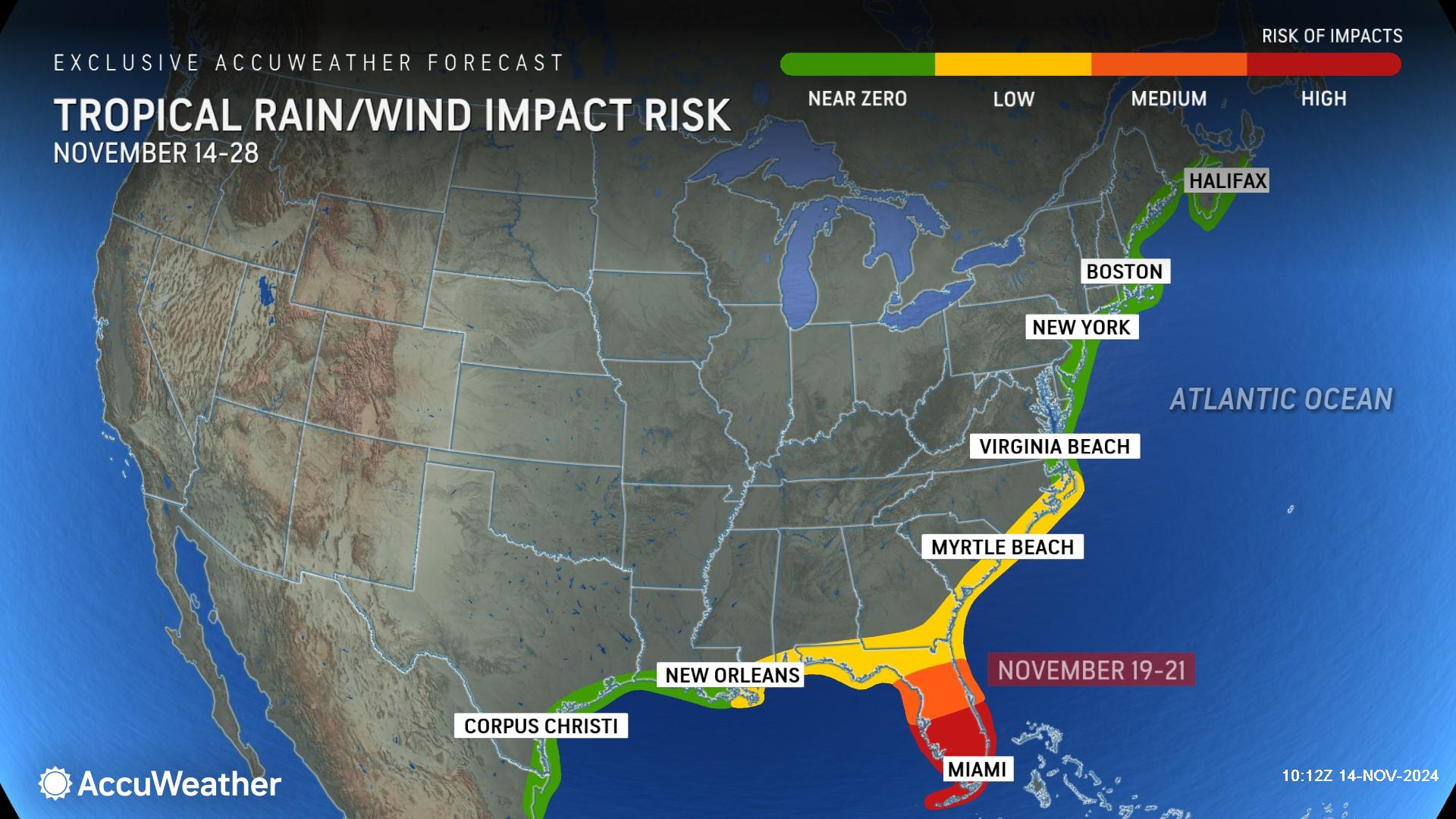
For travelers, this means understanding that a trip to Florida during these months carries an inherent risk of encountering adverse weather. While many trips proceed without incident, the possibility of a hurricane developing, impacting travel plans, or even necessitating evacuation is real. This isn’t intended to deter travel but rather to inform it, emphasizing the importance of preparation and flexibility. A hurricane’s impact extends beyond just the immediate landfall area; widespread disruptions can affect airports, roadways, and services across vast regions of the state. Therefore, being aware of the general outlook for the season and monitoring specific storm developments is paramount for any traveler.
Typical Hurricane Threat Levels and Travel Disruptions
Hurricanes are categorized by wind speed on the Saffir-Simpson Hurricane Wind Scale, ranging from Category 1 (74-95 mph winds) to Category 5 (157 mph or higher). Each category presents escalating risks and potential for damage, directly influencing travel advisories and mandates. Even a tropical depression or tropical storm, below hurricane strength, can bring significant rainfall, flooding, and strong winds, leading to flight delays, road closures, and the suspension of outdoor activities.
Travel disruptions are manifold. Airlines may issue waivers for flight changes or cancellations, affecting major hubs like Miami International Airport or Orlando International Airport. Cruise lines, operating from ports such as PortMiami or Port Canaveral, often alter itineraries, delay departures, or reroute vessels to safer waters. Hotels and resorts may close, evacuate guests, or operate with limited services. Roadways, especially coastal routes and bridges, can become impassable due to flooding or storm surge. These cascading effects mean that even if your specific destination avoids a direct hit, your journey to or from Florida could still be severely impacted.
Monitoring Hurricane Sara’s Trajectory and Official Advisories
When a named storm like Hurricane Sara emerges, the most critical action for travelers is continuous, reliable monitoring of its path and intensity. Speculation and unofficial reports can cause unnecessary panic; therefore, relying on official sources is non-negotiable. These governmental and meteorological agencies provide the most accurate, up-to-date information, including projected tracks, expected landfall times, and potential impacts.
The primary source for all Atlantic storm activity is the National Hurricane Center (NHC), a division of the National Oceanic and Atmospheric Administration (NOAA). Their website provides detailed hurricane advisories, forecast cones, discussion updates, and graphics that illustrate the storm’s current position and predicted movement. Travelers should bookmark the NHC website and check it frequently, especially as a storm approaches Florida. Local news outlets and weather channels in Florida also provide crucial information, often tailored to specific regions, including watches and warnings issued by local emergency management.
Interpreting Watches, Warnings, and Evacuation Orders
Understanding the terminology used by emergency services is vital for traveler safety. A hurricane watch is issued when hurricane conditions (sustained winds of 74 mph or higher) are possible in a specified area within 48 hours. This is the time for travelers to finalize their plans, secure accommodations, and prepare for potential disruptions. A hurricane warning means hurricane conditions are expected in a specified area within 36 hours. This signifies that preparations should be rushed to completion, and evacuation orders may be imminent or already issued.
Evacuation orders are typically issued by local or state authorities, such as county emergency management or the Governor of Florida. These orders are not suggestions; they are mandates intended to save lives. Travelers in an area under an evacuation order must comply immediately. Ignoring an evacuation order can put not only your life at risk but also the lives of first responders who may have to rescue you during dangerous conditions. Always know your evacuation zone, if applicable, and have a clear understanding of your route and destination should an evacuation become necessary. Many counties in Florida, particularly coastal ones like Pinellas County or Lee County, have designated evacuation zones based on surge risk. Familiarizing yourself with these details for your intended destination is a critical part of pre-travel planning.
Adapting Your Travel Plans: Before and During a Storm
Flexibility is a traveler’s best asset when a hurricane threat like Hurricane Sara materializes. Proactive communication with airlines, hotels, and tour operators is essential, as is a thorough review of your travel insurance policy. The objective is to minimize financial loss and ensure personal safety, which may involve altering your itinerary significantly or canceling it altogether.
Before your departure, if a storm is forming or tracking towards Florida, contact your airline directly to inquire about their weather waiver policies. Major carriers like American Airlines, Delta Air Lines, and Southwest Airlines often issue these, allowing passengers to change flights without penalty. Similarly, reach out to your hotel or resort to understand their cancellation and refund policies related to hurricanes. Many establishments offer special provisions during declared emergencies. If you’ve booked a cruise, monitor updates from lines like Carnival Cruise Line or Royal Caribbean International, as itineraries frequently shift to avoid storms.
Essential Travel Documents and Supplies
Should you proceed with your travel plans despite a distant hurricane threat, or if you are already in Florida when a storm develops, having essential documents and an emergency kit readily accessible is crucial. Keep copies of passports, visas, flight tickets, hotel reservations, and travel insurance policies in a waterproof bag. Consider digitizing these documents and storing them in a cloud service for remote access.
An emergency kit for travelers should include:
- Cash: ATMs may not function during power outages.
- Medications: A sufficient supply of prescription and over-the-counter drugs.
- First-aid supplies: Bandages, antiseptic wipes, pain relievers.
- Non-perishable snacks and water: Enough for at least 72 hours.
- Portable power bank: To charge cell phones and other devices.
- Flashlight with extra batteries.
- Battery-powered radio: To receive emergency broadcasts.
- Personal hygiene items.
If an evacuation is ordered, having these items pre-packed will expedite your departure. Always keep your vehicle fueled if driving, as gas stations may become scarce or inaccessible.
Travel Insurance: A Critical Component of Hurricane Preparedness
For any traveler heading to Florida during hurricane season, investing in comprehensive travel insurance is not merely an option but a critical component of responsible planning. A well-chosen policy can protect you from significant financial losses due to trip cancellations, interruptions, medical emergencies, and even evacuation costs in the event of a storm like Hurricane Sara.
It’s imperative to understand the nuances of your policy, particularly regarding natural disasters. Most standard travel insurance policies include coverage for trip cancellation or interruption if a hurricane directly impacts your destination, rendering it inaccessible or uninhabitable, or if your common carrier (airline, cruise line) cancels services due to the storm. However, there’s a crucial caveat: coverage typically applies only if the hurricane is named after you purchase the policy. If a storm has already been named and is a foreseeable event when you buy the insurance, it might be considered a “known event” and excluded from coverage. Therefore, purchasing travel insurance early in your planning process is advisable.
Understanding “Cancel for Any Reason” Policies
While standard policies offer valuable protection, travelers seeking the ultimate flexibility during hurricane season might consider a “Cancel for Any Reason” (CFAR) add-on. As the name suggests, CFAR allows you to cancel your trip for virtually any reason, including simply changing your mind about traveling due to a hurricane threat, even if no official travel warning or evacuation order has been issued. However, CFAR policies are generally more expensive, typically reimburse only a percentage of non-refundable trip costs (e.g., 50-75%), and must be purchased within a specific timeframe after your initial trip deposit, usually within 10-21 days. For peace of mind during a potentially volatile season, the added cost might be a worthwhile investment. Always read the fine print of any insurance policy to fully grasp its coverage, exclusions, and claims process.

Post-Storm Travel Considerations and Community Support
Even after Hurricane Sara has passed, its effects on travel to Florida can linger for days, weeks, or even months, depending on the storm’s intensity and the areas affected. Travelers should not assume that a clear sky immediately signals a return to normalcy. Infrastructure, including roads, power grids, and communication networks, might still be recovering. Hotels may be operating on limited capacity, and many tourist attractions might remain closed for clean-up or repairs.
It’s important to defer travel to severely impacted areas immediately following a hurricane. Not only might you encounter unsafe conditions, but your presence could also strain local resources needed for recovery efforts. Always check with official state and local tourism boards, emergency management agencies, and your specific travel providers for updates on the recovery status of your intended destination. Websites like Visit Florida will often provide region-specific advisories.
When considering travel to Florida after a hurricane, remember that supporting local businesses can be a vital part of the recovery process. However, ensure that your visit is welcome and that the community has sufficiently recovered to host tourists without diverting essential resources. Look for opportunities to engage responsibly, respecting the local community’s needs and current circumstances. By staying informed, being prepared, and exercising good judgment, travelers can safely navigate the complexities of hurricane season in Florida, whether it involves altering plans due to Hurricane Sara or contributing to the state’s eventual recovery.
LifeOutOfTheBox is a participant in the Amazon Services LLC Associates Program, an affiliate advertising program designed to provide a means for sites to earn advertising fees by advertising and linking to Amazon.com. Amazon, the Amazon logo, AmazonSupply, and the AmazonSupply logo are trademarks of Amazon.com, Inc. or its affiliates. As an Amazon Associate we earn affiliate commissions from qualifying purchases.