
For legions of fans, the allure of the Twilight saga extends far beyond the dramatic love story between Bella Swan and Edward Cullen. It’s intrinsically tied to the atmospheric, rain-soaked landscapes of the Pacific Northwest, a setting that lent an almost gothic romance to the supernatural tale. While the fictional town of Forks, Washington, served as the story’s primary backdrop, a significant portion of the cinematic journey unfolded across the border in the verdant state of Oregon. This exploration delves into the specific locations in Oregon that were transformed into the captivating world of Forks, offering a unique opportunity for fans to retrace the steps of their beloved characters and experience the region’s inherent charm.

The choice of Oregon for filming was not arbitrary. Its misty forests, dramatic coastlines, and quaint small towns perfectly mirrored the desired aesthetic of the Twilight universe. The state’s natural beauty provided an authentic and immersive environment that resonated deeply with the book’s evocative descriptions. From dense woodlands to rugged shorelines, the Oregon landscape became a silent, yet pivotal, character in the film adaptations, contributing immeasurably to their distinctive mood and visual appeal. This guide aims to illuminate these filming locations, transforming a cinematic fantasy into a tangible travel experience.
The Enchanting Forests: Unveiling the Woodland Settings
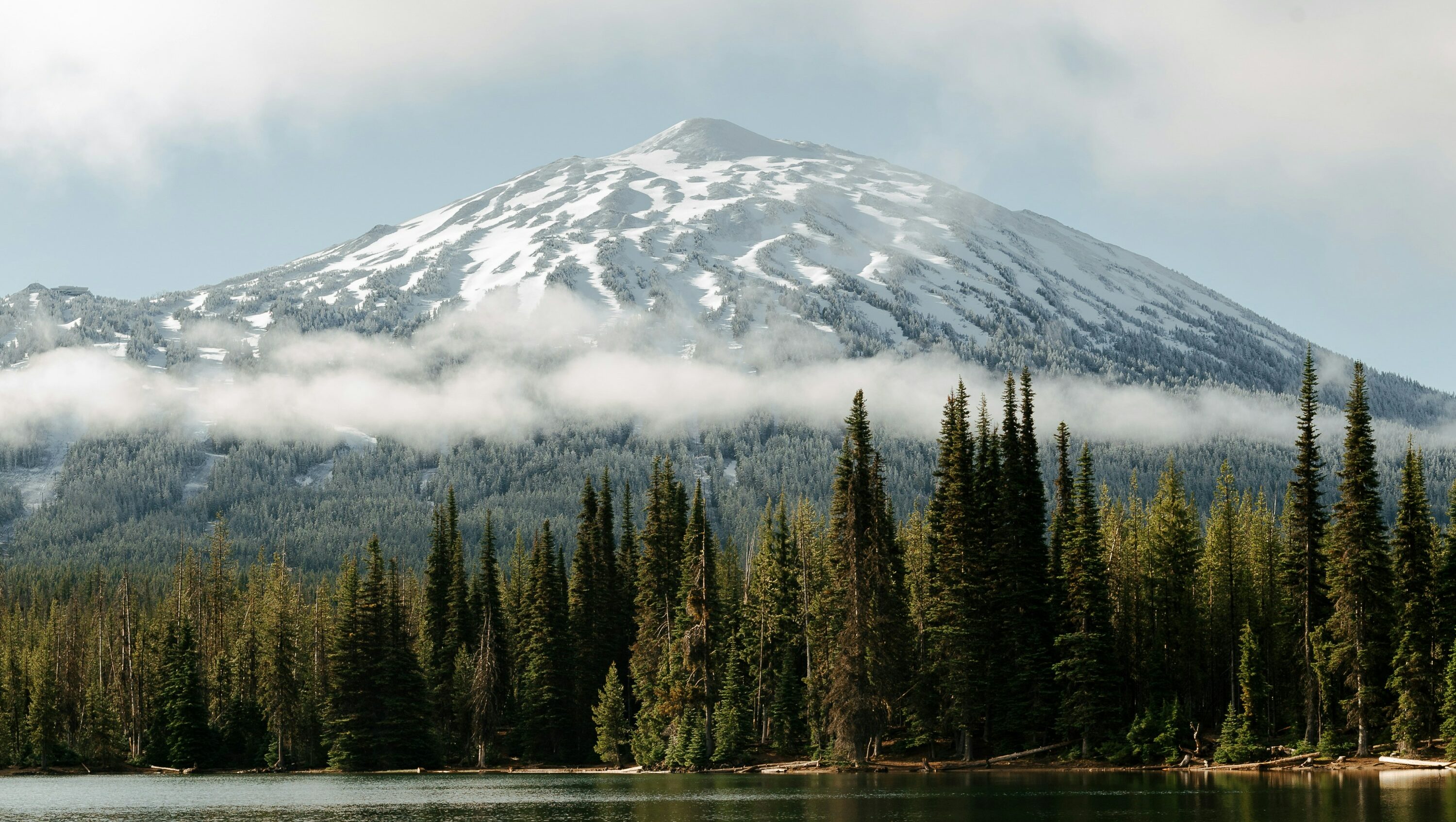
The dense, evergreen forests are perhaps the most iconic visual element of the Twilight saga, evoking a sense of mystery and isolation that is central to the narrative. Oregon boasts an abundance of such breathtaking woodland, and several of its forests were chosen to stand in for the fictional environs of Forks. These locations provided the perfect backdrop for clandestine meetings, dramatic chases, and the ever-present sense of an ancient, mystical world hidden just beyond the veil of human perception.
St. Helens: A Quaint Town Transformed
The city of St. Helens, located in Columbia County, Oregon, served as a crucial filming location for several key scenes in the first Twilight movie. Its charming downtown area, with its historic architecture and tree-lined streets, was transformed to visually represent the town of Forks. This allowed filmmakers to capture the essence of a small, close-knit community that serves as the seemingly ordinary world from which Bella Swan is drawn into the extraordinary.
One of the most memorable locations in St. Helens used for filming was the st. helens high school. The school’s exterior and grounds were utilized, becoming the familiar setting where Bella navigates her new life, meets her vampire crush, and witnesses the subtle yet significant dynamics of the supernatural world. For fans, visiting St. Helens offers a chance to walk past the very school that served as a silent witness to Bella and Edward’s burgeoning romance, imagining the hushed hallways and the dramatic encounters that transpired within its fictional walls.
Beyond the high school, other parts of St. Helens‘ downtown area were also used to create the impression of Forks. Streets were dressed to appear as they would in the Pacific Northwest logging town, complete with period-appropriate signage and storefronts. While the specific businesses may have changed over the years, the underlying architectural character that made St. Helens a suitable stand-in remains. Exploring the town center provides a tangible connection to the film’s visual identity, allowing visitors to immerse themselves in the atmosphere that was so carefully curated for the movie.
Vernonia: The Rustic Charm of a Logging Town
The small city of Vernonia, also situated in Columbia County, Oregon, provided another significant backdrop for the Twilight films, particularly for its depiction of the rugged, forested landscape surrounding Forks. Vernonia’s identity as a historic logging town meant it possessed an inherent rustic charm and an abundance of surrounding wilderness that perfectly matched the film’s aesthetic requirements.
The Vernonia school district was a key location, with certain areas within it being utilized for filming. While not the primary high school, these locations contributed to the overall depiction of the students’ lives and the educational environment within the Twilight narrative. The surrounding forests of Vernonia were instrumental in capturing the wild, untamed beauty that characterizes the setting. These woodlands provided the perfect canvas for scenes requiring dense foliage, towering trees, and the sense of being deep within nature’s embrace.
The overall feel of Vernonia, with its close proximity to extensive forests and its working-class roots, lent an authentic Pacific Northwest vibe to the production. It allowed filmmakers to capture the feeling of a community nestled amidst nature, where the boundaries between the wild and civilization are often blurred. For travelers, Vernonia offers a glimpse into a genuine logging town that played a part in bringing a fantastical story to life, inviting them to explore its natural surroundings and imagine the scenes that were filmed there.
The Dramatic Coastline: Capturing the Ocean’s Edge
While the forests are prominent, the Oregon coast also played a vital role in shaping the visual narrative of Twilight. The dramatic cliffs, crashing waves, and misty beaches provided a stark yet beautiful contrast to the dense forests, adding another layer of atmospheric depth to the film. These coastal locations were instrumental in conveying the isolation and raw power of nature, which are recurring themes in the saga.
Cannon Beach and its Iconic Haystack Rock
Perhaps one of the most recognizable natural landmarks in Oregon, Cannon Beach and its famous Haystack Rock were subtly incorporated into the Twilight films, adding a touch of iconic Pacific Northwest scenery. While not a primary filming location for extensive scenes, the grandeur of Cannon Beach’s coastline, with its imposing sea stacks and expansive sandy shores, served as inspiration and a visual reference for the film’s coastal elements.
The rugged beauty of Cannon Beach embodies the untamed spirit of the region, a characteristic that aligns perfectly with the supernatural undertones of the Twilight story. The dramatic vistas and the powerful presence of the ocean contribute to the sense of awe and wonder that permeates the films. Although specific scenes may not have been shot directly on the sands of Cannon Beach, its quintessential Oregonian coastal landscape undoubtedly influenced the visual palette and the overall atmosphere of the movie’s depiction of the coastal areas. For travelers, a visit to Cannon Beach allows them to experience the very essence of the Pacific Northwest coastline that contributed to the film’s immersive quality.
Cape Disappointment State Park (Washington, but relevant to the Oregon coast feel)
While technically located in Washington, Cape Disappointment State Park is situated at the mouth of the Columbia River, bordering Oregon. Its dramatic bluffs, lighthouse, and powerful ocean views offer a quintessential Pacific Northwest coastal experience that is very much in sync with the Oregon coast’s character. It is highly probable that the park’s evocative scenery served as inspiration or was even used for establishing shots that contribute to the overall coastal atmosphere of the films, even if specific scenes were not filmed there.
The park’s rugged terrain and the confluence of the Columbia River and the Pacific Ocean create a dramatic and atmospheric setting. This kind of raw natural beauty is precisely what the Twilight filmmakers sought to capture. The sense of isolation, the powerful forces of nature, and the dramatic interplay of land and sea are all elements that resonate with the narrative themes of Twilight. Visiting Cape Disappointment State Park offers a chance to immerse oneself in the very kind of landscape that defines the Pacific Northwest, a landscape that played such a crucial role in the visual storytelling of the saga.
Beyond the Screen: Experiencing the Twilight Filming Locations
For fans of the Twilight saga, a journey to Oregon offers more than just a picturesque vacation; it’s an opportunity to step into the world of Bella, Edward, and the enigmatic town of Forks. The locations chosen for filming were selected for their ability to evoke the specific atmosphere and mood of the story, and experiencing them firsthand provides a unique connection to the cinematic universe.
A Journey Through St. Helens
A visit to St. Helens allows fans to directly engage with the on-screen representation of Forks. Walking through its downtown streets, one can easily imagine the bustling (or perhaps, quiet) life of the town as depicted in the films. The St. Helens High School stands as a tangible link to Bella’s new academic life and the early encounters that shaped her destiny. While the town has evolved since filming, its core charm and architectural character remain, offering a delightful glimpse into the setting that doubled for Forks. Local businesses and community events in St. Helens often embrace their connection to the Twilight films, further enhancing the visitor experience with a touch of fandom.
Exploring Vernonia’s Natural Beauty
Vernonia invites visitors to explore the very forests that provided the wild, untamed backdrop for many of the film’s pivotal moments. Hiking or driving through the surrounding woodlands allows one to appreciate the dense canopy, the towering trees, and the quiet solitude that characterized the supernatural world. The rustic appeal of Vernonia itself offers a glimpse into the kind of community that would be situated at the edge of such vast wilderness, reinforcing the immersive quality of the Twilight experience.
Coastal Excursions to Iconic Oregon Scenery
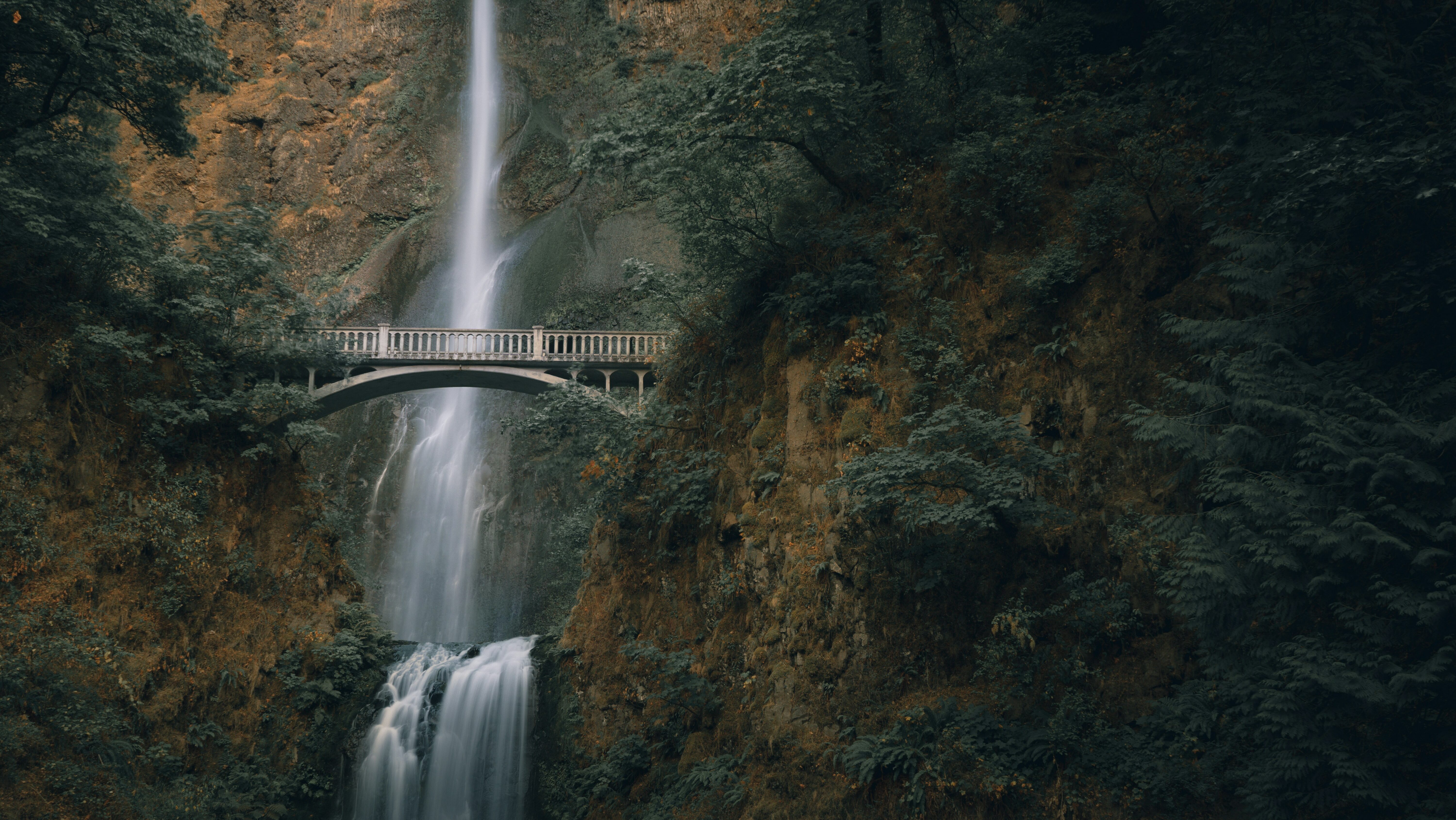
While direct filming might have been more concentrated inland, a trip to the Oregon coast, including Cannon Beach, is essential for understanding the full visual scope of the film. The dramatic coastline, with its distinctive sea stacks and windswept beaches, is intrinsically linked to the Pacific Northwest aesthetic that the Twilight films so expertly captured. Experiencing these natural wonders firsthand allows fans to appreciate the vast, untamed beauty that served as a silent, yet powerful, co-star to the human and supernatural characters.
The filming locations in Oregon offer a compelling reason to explore this beautiful state. They provide a tangible connection to a beloved story and an opportunity to discover the real-world charm and natural splendor that made the cinematic adaptation of Twilight so visually captivating. Whether you are a devoted fan or simply an admirer of the Pacific Northwest, these locations promise an unforgettable travel experience.
LifeOutOfTheBox is a participant in the Amazon Services LLC Associates Program, an affiliate advertising program designed to provide a means for sites to earn advertising fees by advertising and linking to Amazon.com. Amazon, the Amazon logo, AmazonSupply, and the AmazonSupply logo are trademarks of Amazon.com, Inc. or its affiliates. As an Amazon Associate we earn affiliate commissions from qualifying purchases.