
Florida, often lauded as the Sunshine State, is a premier global travel destination, alluring millions with its pristine beaches, vibrant cities, and world-class attractions. However, its geographical position in the Gulf of Mexico and along the Atlantic Ocean means it also lies within a region susceptible to hurricane activity. When a hurricane makes landfall, the immediate question for many potential travelers is, “Where did it hit, and what does this mean for my trip?” Understanding the typical impact zones, the state’s remarkable resilience, and how communities rebuild offers invaluable insight for planning your next Florida adventure.
Navigating Florida’s Hurricane Season: Key Impact Zones and Travel Considerations
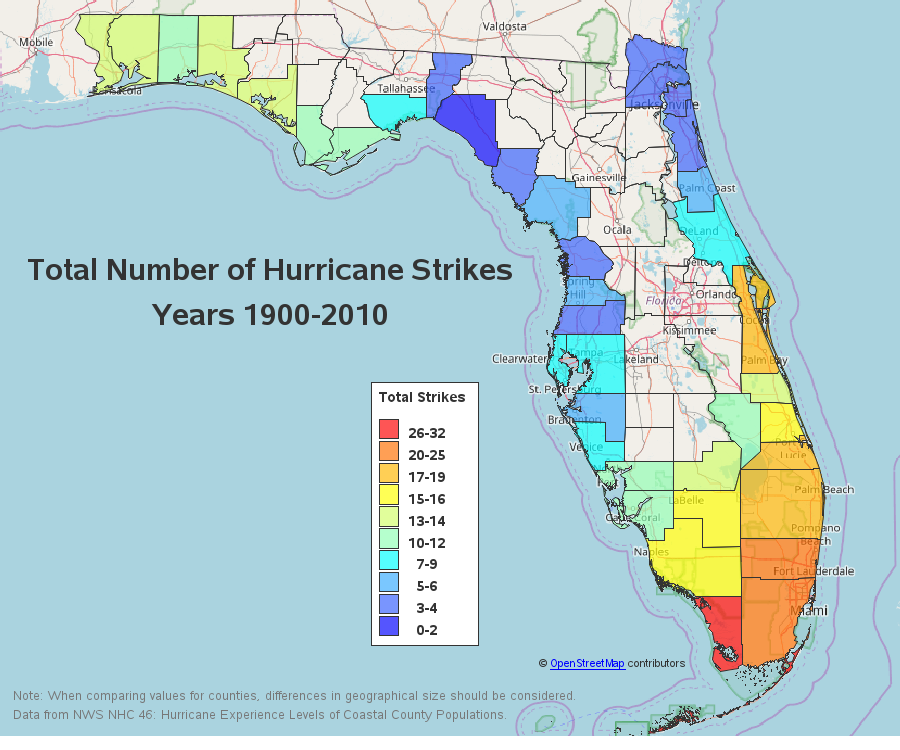
Florida’s hurricane season officially runs from June 1st to November 30th, with peak activity typically from August through October. While no part of the state is entirely immune, historical data reveals certain regions are more frequently in the direct path of powerful storms. The Florida Panhandle, Southwest Florida, and parts of the Southeast coast are often identified as areas with a higher likelihood of direct impacts. However, even inland areas can experience significant effects from heavy rainfall, flooding, and wind damage.
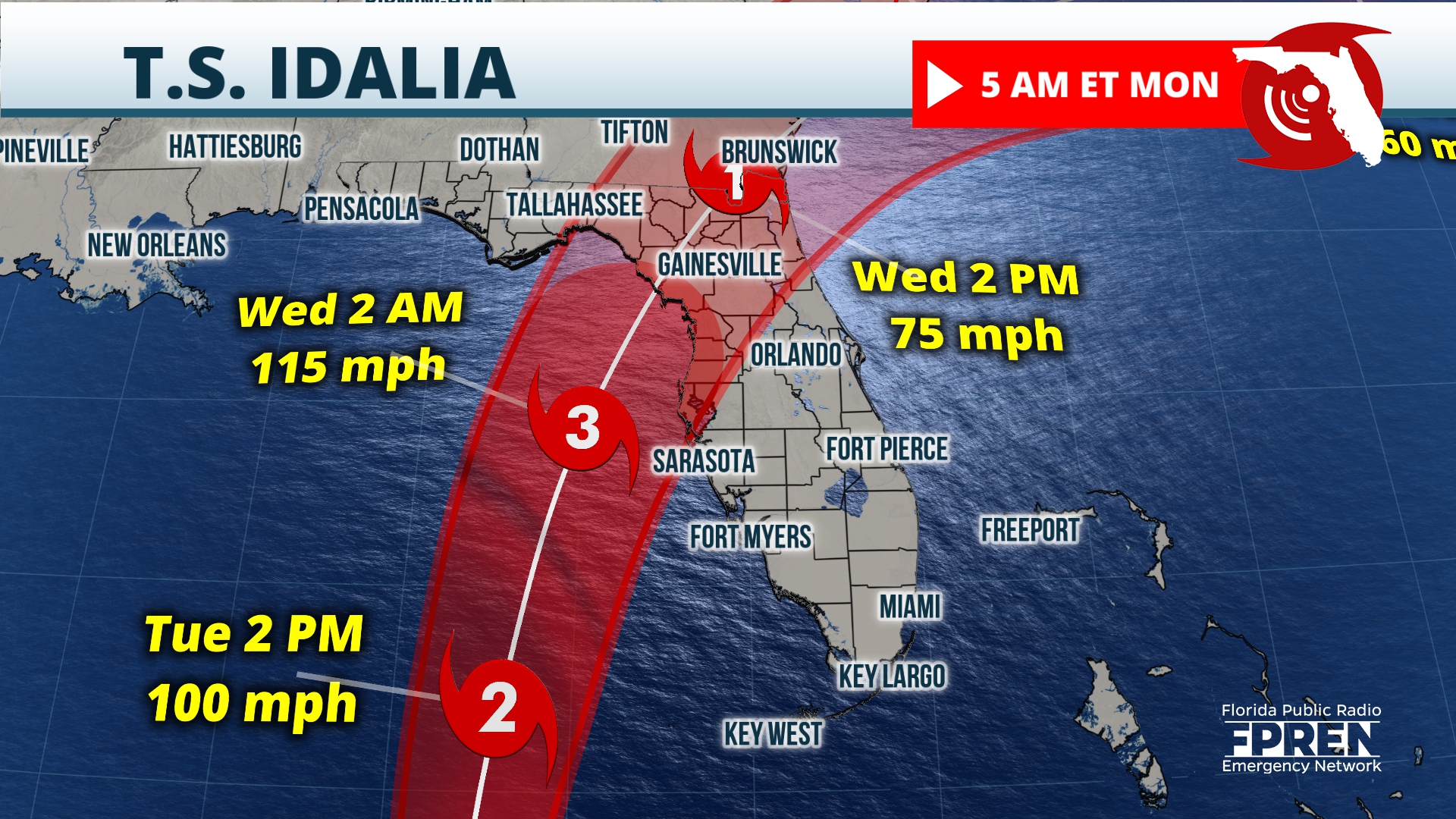
For travelers, the key is not to avoid Florida entirely during these months, but rather to travel informed and prepared. Many storms pass without direct impacts, and even when they do, Florida’s robust emergency management systems and community spirit ensure swift recovery efforts. Understanding which regions have been most affected in recent significant events, such as Hurricane Ian in 2022 or Hurricane Michael in 2018, provides a useful framework for appreciating the state’s ongoing journey of restoration and continued appeal.
Southwest Florida’s Resilience: A Focus on Recovery and Reopening
The Southwest Florida coast, stretching from Sarasota down to Naples, is renowned for its tranquil beaches, stunning sunsets, and abundant wildlife. However, this region has also faced some of Florida’s most challenging hurricane impacts. The extensive damage caused by Hurricane Ian to areas like Lee County provided a stark reminder of nature’s power, but also showcased the extraordinary resolve of its communities.
Reimagining Coastal Charms: Sanibel and Captiva’s Journey
Sanibel Island and Captiva, iconic for their shelling beaches and pristine natural beauty, experienced catastrophic damage. Access was initially severed, and much of the infrastructure was decimated. Yet, the story unfolding on these barrier islands is one of inspiring recovery. The Sanibel Causeway was swiftly repaired, reopening a vital lifeline. While some areas are still rebuilding, many accommodations, restaurants, and attractions have reopened their doors, eager to welcome visitors. Travelers can once again explore the J.N. “Ding” Darling National Wildlife Refuge, enjoy fishing charters, or simply stroll along the re-nourished shores. Visiting these islands now means witnessing a vibrant community spirit and supporting their ongoing revitalization, offering a unique travel experience rooted in resilience.
Fort Myers and Naples: Gateways to Gulf Coast Adventures
Further inland and along the coast, Fort Myers and Naples serve as crucial hubs for the Southwest Florida experience. While both cities sustained damage, their more robust infrastructure allowed for quicker overall recovery in many sectors. Fort Myers continues to be a vibrant center for arts and culture, with the Historic Downtown Fort Myers River District and the Edison and Ford Winter Estates welcoming guests. Naples, known for its upscale shopping, dining, and beautiful beaches, also demonstrated its capacity for rapid restoration. Many of its luxury resorts, golf courses, and the Naples Pier are fully operational, offering the quintessential high-end Florida experience. These cities not only stand as destinations in themselves but also as convenient bases for exploring the wider Southwest Florida region, including the recovering barrier islands.
The Panhandle’s Enduring Spirit: Northern Florida’s Coastal Gems
The Florida Panhandle, with its sugar-white sands and emerald waters, offers a distinct Florida experience, often described as more laid-back and family-oriented. This region, particularly areas like Mexico Beach and Panama City Beach, faced the devastating force of Hurricane Michael in 2018. The aftermath spurred massive rebuilding efforts, transforming landscapes and communities.
From Panama City Beach to Destin: White Sands and Blue Waters Revitalized
Panama City Beach, a long-standing favorite for spring breakers and families alike, has made an incredible comeback. Its iconic beaches have been restored, and new attractions, restaurants, and accommodations have emerged, contributing to a refreshed, vibrant atmosphere. Travelers can enjoy water sports, visit St. Andrews State Park, or explore the piers. Further west, Destin, often called the “World’s Luckiest Fishing Village,” continues to thrive, with its charter fishing fleet, stunning Henderson Beach State Park, and various family-friendly resorts operating robustly. The entire stretch of Highway 30A, encompassing charming beach towns like Seaside and Rosemary Beach, has largely recovered, offering its unique blend of boutique shops, gourmet dining, and picturesque coastal scenery. The resilience of these communities means the natural beauty and array of activities that draw visitors to the Panhandle are fully accessible.
Mexico Beach’s Remarkable Comeback Story
Perhaps one of the most poignant recovery stories in the Panhandle is that of Mexico Beach. Nearly obliterated by Hurricane Michael’s direct hit, the small, quiet town has embarked on an inspiring, community-driven rebuilding process. While the scale of reconstruction is immense and ongoing, Mexico Beach is slowly but surely re-emerging, committed to retaining its laid-back charm. New homes and businesses are rising, and the town’s famous fishing pier has been rebuilt. Travelers seeking a quieter, authentic Florida experience, and those wishing to support a community’s incredible journey of recovery, will find a welcoming spirit and slowly regenerating infrastructure here. It serves as a powerful testament to the enduring human spirit and a destination for mindful travelers.
Central and Southeast Florida: A Different Perspective on Preparedness
While the direct coastal impacts of hurricanes often garner the most attention, central and southeast Florida also navigate the challenges posed by these powerful storms. Areas like Orlando, the theme park capital, typically experience indirect effects such as heavy rain, wind, and potential flooding, rather than direct storm surge. Miami, Fort Lauderdale, and the wider Gold Coast, while coastal, often benefit from robust infrastructure and rapid response systems due to their metropolitan nature.
Orlando’s Theme Parks: Weathering the Storm for Uninterrupted Magic
Orlando is home to some of the world’s most visited attractions, including Walt Disney World Resort, Universal Orlando Resort, and SeaWorld Orlando. These major theme parks have highly sophisticated hurricane preparedness plans, prioritizing guest and employee safety. Closures are rare and typically short-lived, with facilities designed to withstand significant weather events. When storms do approach, the parks provide timely updates to guests, often allowing for rebooking or refunds. Travelers to Orlando during hurricane season should monitor forecasts, but can generally be confident in the resilience and operational continuity of the major attractions. The primary travel consideration usually revolves around flight disruptions rather than long-term park closures.
Miami and the Gold Coast: Rapid Recovery and Continued Vibrancy
The vibrant cities of Miami, Fort Lauderdale, and West Palm Beach are dynamic hubs of culture, commerce, and tourism. When a hurricane threatens or impacts these areas, recovery is often swift. Their highly developed infrastructure, extensive resources, and experience in storm response mean that damage, while sometimes significant, is typically addressed quickly. Beaches are re-opened, power is restored, and businesses resume operations with remarkable speed. Travelers can continue to enjoy Miami Beach’s art deco glamour, Fort Lauderdale’s Venice of America canals, and West Palm Beach’s upscale offerings, often experiencing minimal long-term disruption even after a storm has passed. These destinations remain resilient, continuously adapting to ensure an uninterrupted, world-class travel experience.

Empowering Your Florida Travel: Resources and Mindset
Traveling to Florida during hurricane season is entirely feasible and enjoyable, provided you approach it with awareness and preparedness. The key lies in being informed and flexible.
Before and during your trip, make it a habit to:
- Consult Official Sources: Bookmark websites for the Florida Division of Emergency Management and the National Hurricane Center (NOAA). These provide the most accurate and up-to-date information on storm paths and local conditions.
- Monitor Local News: Stay tuned to local Florida news channels and weather apps for real-time updates specific to your destination.
- Consider Travel Insurance: Comprehensive travel insurance that covers [hurricane]-related cancellations, delays, and interruptions can offer peace of mind and financial protection.
- Confirm with Providers: Always check directly with your airline, hotel, and tour operators for any specific advisories or changes to their services.
- Support Local Businesses: In areas recovering from a storm, your tourism dollars are vital. Choosing to visit and support local restaurants, shops, and attractions directly contributes to the community’s economic recovery and vitality.
Florida’s spirit of resilience is palpable in every community that has faced a hurricane. The determination to rebuild, restore, and welcome visitors back is a testament to the state’s enduring appeal. By staying informed and supporting these incredible destinations, you not only enjoy the best of the Sunshine State but also become part of its ongoing story of strength and renewal.
LifeOutOfTheBox is a participant in the Amazon Services LLC Associates Program, an affiliate advertising program designed to provide a means for sites to earn advertising fees by advertising and linking to Amazon.com. Amazon, the Amazon logo, AmazonSupply, and the AmazonSupply logo are trademarks of Amazon.com, Inc. or its affiliates. As an Amazon Associate we earn affiliate commissions from qualifying purchases.