
As a traveler exploring the sprawling metropolis of Los Angeles, one of the most fundamental questions that arises, often overshadowed by the glitz of Hollywood or the allure of the Pacific Ocean, is about the very basic necessity of hydration: can you drink the tap water? For many visitors, accustomed to different water standards or relying on bottled water for peace of mind, this is a crucial piece of information. Fortunately, for those navigating California, the answer is a resounding yes, with a few nuances to understand.
The Los Angeles Department of Water and Power (LADWP) is responsible for providing safe and reliable drinking water to millions of residents and visitors. Their commitment to water quality is stringent, adhering to and often exceeding federal and state regulations set by the Environmental Protection Agency (EPA) and the California State Water Resources Control Board. This means that the water flowing from your faucet in your hotel room at the Beverly Wilshire, A Four Seasons Hotel or your rental apartment in Downtown Los Angeles has undergone rigorous testing and treatment processes.

The Source and Quality of Los Angeles Tap Water
Understanding where your water comes from and how it’s treated offers valuable insight into its safety. The LADWP sources its water from a diverse and complex system, ensuring resilience and quality.
Diverse Water Sources
The primary sources for Los Angeles tap water are:
- Local Aqueducts: The most significant portion of the water supply comes from the Owens Valley via the Los Angeles Aqueduct, a marvel of engineering that has served the city for over a century.
- Colorado River Aqueduct: A substantial amount of water is also imported from the Colorado River through the Metropolitan Water District of Southern California.
- State Water Project: Water is also conveyed from Northern California through the State Water Project.
- Recycled Water and Stormwater Capture: LADWP is increasingly investing in local water recycling and stormwater capture projects to reduce reliance on imported water and enhance local supply sustainability.
This multi-pronged approach to water sourcing is crucial for maintaining a consistent and high-quality supply, especially in a region prone to drought.
Rigorous Treatment and Testing
Upon arrival, water from these sources undergoes sophisticated treatment at LADWP’s water treatment plants. These plants are equipped with advanced technologies to remove impurities, disinfect the water, and ensure it meets all safety standards. The treatment process typically involves:
- Coagulation and Flocculation: Chemicals are added to make small suspended particles clump together.
- Sedimentation: The larger clumps settle to the bottom of tanks.
- Filtration: Water passes through filters to remove remaining particles.
- Disinfection: Chlorine or other disinfectants are used to kill any remaining bacteria or viruses.
- pH Adjustment: The acidity or alkalinity of the water is adjusted to prevent corrosion of pipes.
Beyond treatment, the LADWP conducts extensive testing. Water quality is monitored daily at various points in the distribution system, from treatment plants to customer taps. They analyze for a wide range of contaminants, including bacteria, viruses, heavy metals, pesticides, and disinfection byproducts. The results of these tests are publicly available, typically in an annual Water Quality Report, allowing consumers to stay informed about the water they are drinking.
Potential Concerns and Traveler Tips
While generally safe and high-quality, a few considerations might influence a traveler’s decision or comfort level.
Taste and Mineral Content
One of the most common subjective experiences with tap water is its taste. The taste of tap water can vary significantly based on its source, treatment methods, and the mineral content of the local geology. Los Angeles tap water, depending on the specific source and treatment at the time, might have a slightly different taste compared to what you’re used to at home. Some people describe it as having a faint chlorine taste due to the disinfection process, while others might detect mineral notes.
This variation in taste is perfectly normal and does not indicate a lack of safety. If the taste is a significant concern, travelers have several options:
- Refrigeration: Chilling the water can often mellow any perceived taste differences, especially the chlorine notes.
- Water Filters: Many hotels and apartments may offer filtered water pitchers, or you can purchase a personal water filter bottle.
- Lemon or Cucumber: Adding a slice of lemon or cucumber can significantly improve the taste and make the water more refreshing.
Plumbing and Infrastructure
In some older buildings, the internal plumbing might be a source of concern for taste or potential leaching of metals like lead or copper. While the water entering these buildings is pure, the pipes it travels through to reach your tap could be a factor. However, the LADWP actively works to minimize these risks through corrosion control measures. Most modern accommodations in Los Angeles have updated plumbing, but if you are staying in a very old building and are particularly sensitive, this is a point to be aware of.
Bottled Water vs. Tap Water: Environmental Impact
Choosing to drink tap water in Los Angeles is not only safe but also an environmentally conscious decision. The production and transportation of bottled water consume significant energy and resources, and plastic bottles contribute to landfill waste and pollution. By opting for tap water, travelers can reduce their ecological footprint, contributing to the sustainability efforts of a city increasingly focused on environmental stewardship.
Staying Hydrated Safely While Exploring
Beyond the tap, staying hydrated is key to enjoying your visit to Los Angeles, whether you’re hiking in Griffith Park, exploring the Getty Center, or enjoying the nightlife on the Sunset Strip.
Public Water Fountains
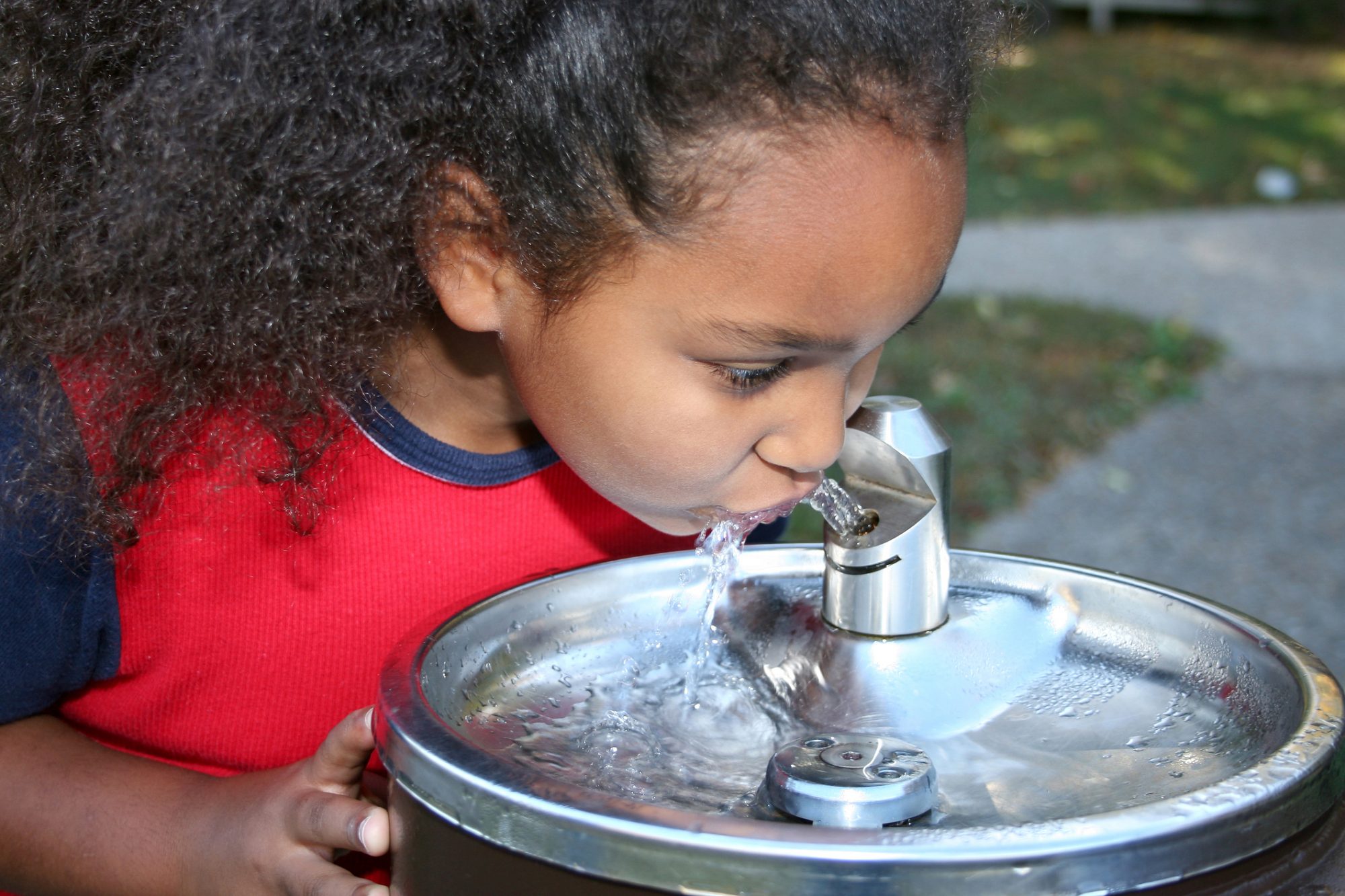
Many public spaces in Los Angeles, including parks, beaches, and some public buildings, are equipped with water fountains. These fountains dispense the same tap water that comes into homes and businesses, making them a convenient and free way to refill reusable water bottles. It’s always a good idea to carry a reusable bottle, which is not only economical but also aligns with the city’s push for waste reduction.
Restaurants and Cafes
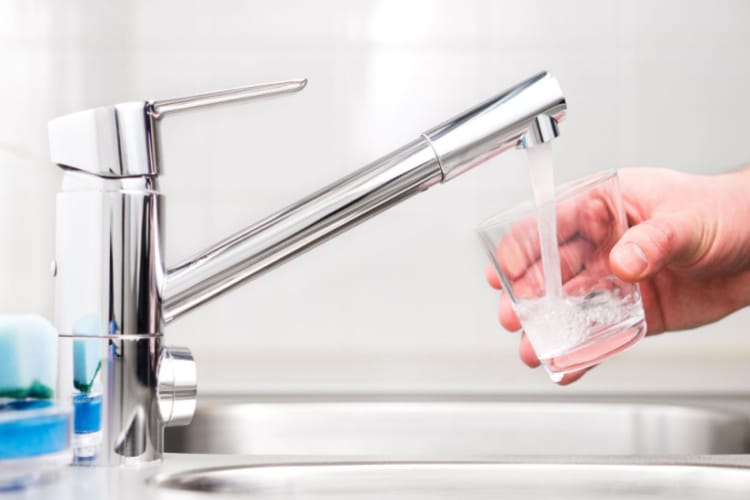
When dining out at the myriad of restaurants across Los Angeles, from casual eateries in Santa Monica to fine dining establishments in Beverly Hills, you can confidently order “tap water” or ask for a “water carafe.” Most establishments are accustomed to this request. If you have specific concerns about the water served in a particular restaurant, you can always ask, but generally, it will be the same safe tap water.
Safety Assurance
The LADWP’s commitment to transparency and quality means that travelers can generally trust the tap water. They regularly publish water quality reports, and any significant issues would be widely communicated. For the most up-to-date information, visitors can consult the LADWP website, which provides detailed reports and FAQs regarding water quality.
In conclusion, the tap water in Los Angeles is a safe, reliable, and environmentally friendly choice for hydration. By understanding its sources, treatment, and adhering to a few simple tips, travelers can stay refreshed and focused on experiencing all that this vibrant city has to offer, from the iconic Hollywood Sign to the charming streets of Pasadena.
LifeOutOfTheBox is a participant in the Amazon Services LLC Associates Program, an affiliate advertising program designed to provide a means for sites to earn advertising fees by advertising and linking to Amazon.com. Amazon, the Amazon logo, AmazonSupply, and the AmazonSupply logo are trademarks of Amazon.com, Inc. or its affiliates. As an Amazon Associate we earn affiliate commissions from qualifying purchases.