
Planning a vacation to the Sunshine State often involves visions of pristine white sands and emerald waters. However, for many travelers, a recurring question shadows their itinerary: where is red tide in Florida currently? Red tide, a naturally occurring phenomenon caused by the overgrowth of the microscopic algae Karenia brevis, can significantly alter a coastal holiday. Understanding its location, its impact on local tourism, and how to navigate around it is essential for any visitor looking to enjoy the Gulf of Mexico or the Atlantic Ocean without interruption.
Understanding Red Tide and Its Geographic Patterns
To effectively plan a trip, one must first understand that red tide is not a permanent fixture but a transient visitor. While it can occur anywhere along the coast, it is most frequently documented along the southwestern shores of the United States. This section of the Florida coastline is particularly susceptible due to currents, water temperature, and nutrient levels.

The Gulf Coast Hotspots
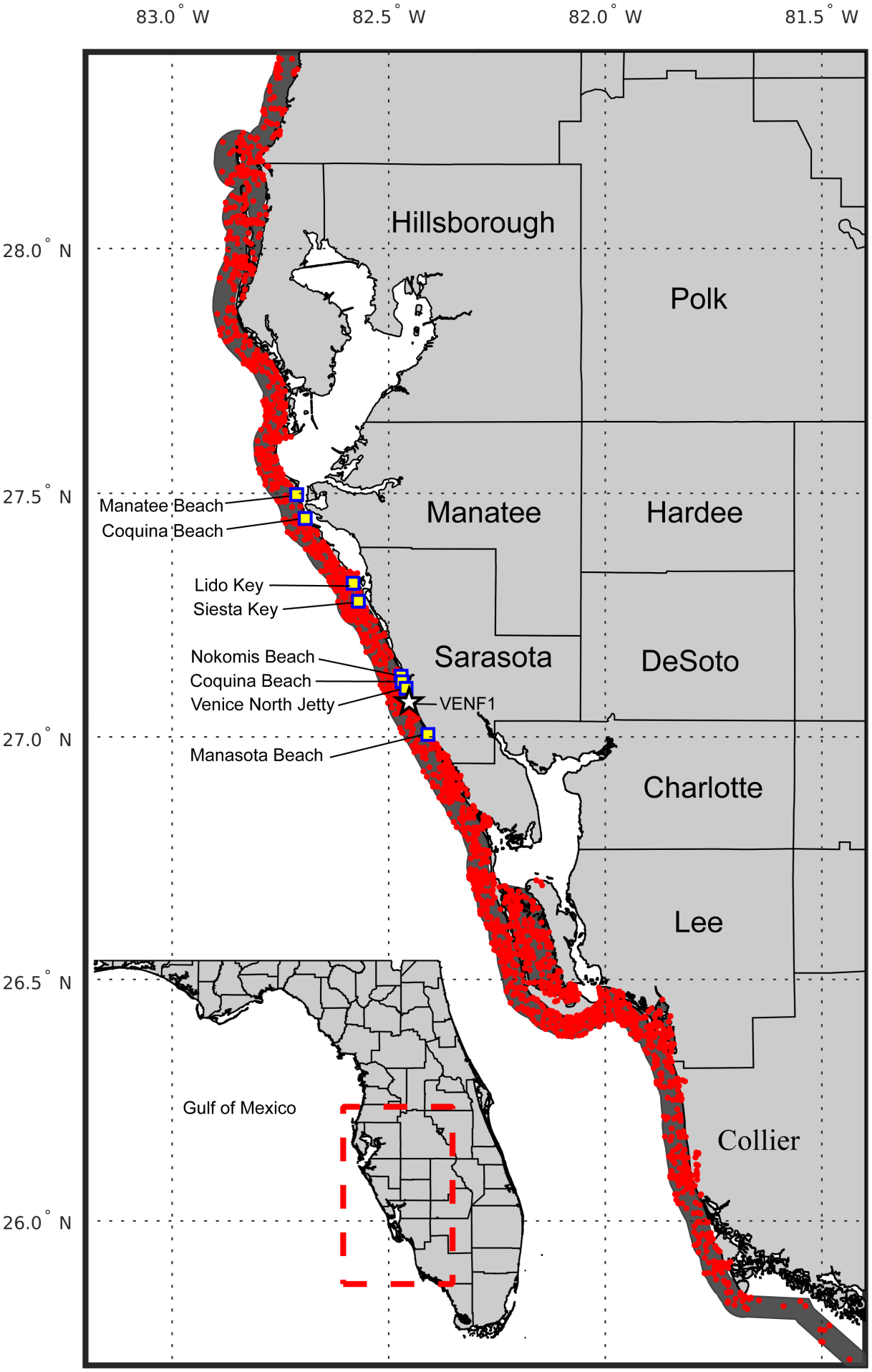
The Gulf Coast is the primary region where red tide blooms are monitored. Cities such as Sarasota, Fort Myers, and Naples often find themselves at the center of reporting. In these areas, the blooms can linger for weeks or even months, depending on wind patterns and offshore currents. Popular tourist destinations like Siesta Key and Anna Maria Island are vigilant about water quality testing to ensure that visitors are informed before they step onto the sand.
Further north, the Tampa Bay area, including St. Petersburg and Clearwater Beach, also experiences periodic blooms. Because these are major tourism hubs, the local infrastructure for monitoring is robust, providing daily updates that help travelers decide which beach to visit. When a bloom is present in Pinellas County, it might not affect Hillsborough County in the same way, highlighting the importance of localized data.
The Atlantic Coast and the Panhandle
While less common, red tide can occasionally migrate to the Atlantic Coast. This usually happens when the bloom is caught in the Loop Current and transported around the Florida Keys into the Gulf Stream. Consequently, beaches in Miami Beach, Fort Lauderdale, and even as far north as Palm Beach can see temporary impacts.
Conversely, the Panhandle region, home to Destin and Pensacola, is often a safe haven when the southern peninsula is experiencing a bloom. The different current systems in the northern Gulf of Mexico provide a natural buffer, making Emerald Coast destinations a reliable alternative for those fleeing red tide in the south.
Navigating Your Itinerary: How to Track Red Tide Locations
For a tourist, the key to a successful trip is real-time information. Because red tide is moved by wind and tide, a beach that is affected in the morning might be clear by the afternoon. Professional travelers and locals alike rely on a few specific tools to stay updated.
Essential Resources for Real-Time Updates
The Florida Fish and Wildlife Conservation Commission (FWC) is the gold standard for tracking. They provide an interactive map that is updated frequently with water sample results. This map allows you to see exactly where Karenia brevis concentrations are high, medium, or low.
Another invaluable resource is the Mote Marine Laboratory in Sarasota. Their Beach Conditions Reporting System provides “boots on the ground” reports from lifeguards and park rangers. These reports include details that a water sample might miss, such as the presence of dead fish on the shore or the level of respiratory irritation (coughing or sneezing) felt by beachgoers. For someone visiting Sanibel Island or Captiva Island, checking these reports before leaving the hotel can save a long drive to an impacted beach.
Reading the Beach Conditions
When reviewing reports, it is important to distinguish between “low” and “high” concentrations. A low concentration might mean the water looks slightly darker than usual but is otherwise safe for swimming and carries no respiratory risk. A “high” concentration typically results in significant discoloration, a noticeable odor, and respiratory discomfort for those with sensitive lungs. Understanding these nuances helps in deciding whether to pivot to a different activity or simply move a few miles down the coast to a beach like Venice or Marco Island that might be upwind of the bloom.
Tourism Activities Safe from Red Tide
If you find that your chosen coastal destination is currently experiencing a bloom, there is no need to cancel your trip to Florida. The state offers an incredible diversity of activities that are completely unaffected by coastal algae.
Inland Wonders and Theme Parks
The most obvious alternative is to head inland. Orlando remains the premier destination for those seeking excitement away from the coast. From the magic of Walt Disney World to the cinematic thrills of Universal Studios, the inland attractions offer a guaranteed experience regardless of ocean conditions.
For those who prefer nature, the Everglades National Park provides a vastly different aquatic experience. Airboat tours through the “River of Grass” allow visitors to see alligators, manatees, and exotic birds in a freshwater environment where red tide cannot survive. Similarly, Ocala National Forest and the surrounding areas are famous for their crystal-clear freshwater springs, such as Silver Springs State Park. These natural swimming holes stay a constant 72 degrees year-round and offer world-class snorkeling and kayaking.
Cultural Hubs and Urban Exploration
Florida is home to rich cultural and historical sites that are perfect for a “dry” day. In St. Augustine, the oldest city in the United States, visitors can explore the Castillo de San Marcos or walk the cobblestone streets of the historic district.
In the Tampa area, if the beaches are affected, one can spend the day at The Florida Aquarium or explore the historic Ybor City neighborhood, known for its cigar-making history and vibrant food scene. On the east coast, the Kennedy Space Center at Cape Canaveral offers a deep dive into space exploration that is entirely independent of local water conditions.
Essential Tips for Travelers During an Outbreak
If you decide to stay in a coastal area while red tide is present, there are several ways to manage your experience and ensure your health and enjoyment remain the priority.
Health and Safety Precautions
For most people, red tide is merely an annoyance, causing a slight “red tide cough” or itchy throat. However, for those with chronic respiratory conditions like asthma or COPD, it can be more serious. When a bloom is present, it is often better to stay in air-conditioned spaces or visit beaches where the wind is blowing from the land toward the ocean, as this pushes the irritating aerosols away from the shore.
Swimming in red tide is generally not recommended if the water is visibly discolored or if dead fish are present. While the toxins primarily affect the respiratory system, some individuals experience skin irritation or rashes after contact with the water. Always rinse off thoroughly with fresh water after any dip in the Gulf of Mexico.
Dining and Seafood Safety
One of the highlights of Florida tourism is the local seafood. During a red tide event, travelers often worry about the safety of their meals. It is important to know that commercially harvested seafood sold in restaurants and markets in Florida is safe. These products are strictly monitored and often sourced from areas unaffected by the bloom.
The primary concern is for those who engage in recreational harvesting of shellfish. During a red tide, the Florida Department of Agriculture and Consumer Services will close specific areas to the harvesting of oysters, clams, and mussels. If you are planning a fishing trip in Charlotte Harbor or Pine Island Sound, consult your local charter captain, as they are experts at finding clean water where the fish are biting and safe to catch.

Strategic Travel Planning
When booking a trip, consider the flexibility of your accommodations. Staying in a hub like Tampa or Miami allows you to easily shift your focus from the beach to the city or the interior. If you are dead-set on a beach vacation, have a “Plan B” destination in mind. If Fort Myers Beach is experiencing an outbreak, perhaps Key Largo or Jacksonville Beach is clear.
Furthermore, engaging with local tourism boards, such as Visit Florida, can provide you with the most current travel advisories. These organizations are dedicated to ensuring visitors have a positive experience and can direct you toward events, festivals, and attractions that are currently thriving. Whether it is a visit to the Dalí Museum in St. Petersburg or a boat tour in Winter Park, the state’s tourism infrastructure is built to provide alternatives that make any trip worthwhile.
By staying informed and remaining flexible, red tide becomes just another factor to consider—much like the weather—rather than a reason to avoid the beautiful and diverse state of Florida.
LifeOutOfTheBox is a participant in the Amazon Services LLC Associates Program, an affiliate advertising program designed to provide a means for sites to earn advertising fees by advertising and linking to Amazon.com. Amazon, the Amazon logo, AmazonSupply, and the AmazonSupply logo are trademarks of Amazon.com, Inc. or its affiliates. As an Amazon Associate we earn affiliate commissions from qualifying purchases.