
California, often celebrated as the Golden State, beckons travelers and new residents alike with its sprawling landscapes, vibrant cities, and unparalleled natural beauty. From the sun-drenched beaches of San Diego to the majestic redwoods of the north, and the bustling streets of Los Angeles to the iconic hills of San Francisco, the state offers an endless array of experiences. While public transportation options exist in urban centers, truly immersing oneself in the diverse tapestry of California often necessitates the freedom of personal transportation. For many, this means acquiring a California driver’s license, a crucial step for long-term visitors, new residents, or anyone planning extensive road trips through the state. Understanding the process, particularly the structure of the written knowledge test, is an invaluable tip for navigating this exciting chapter.
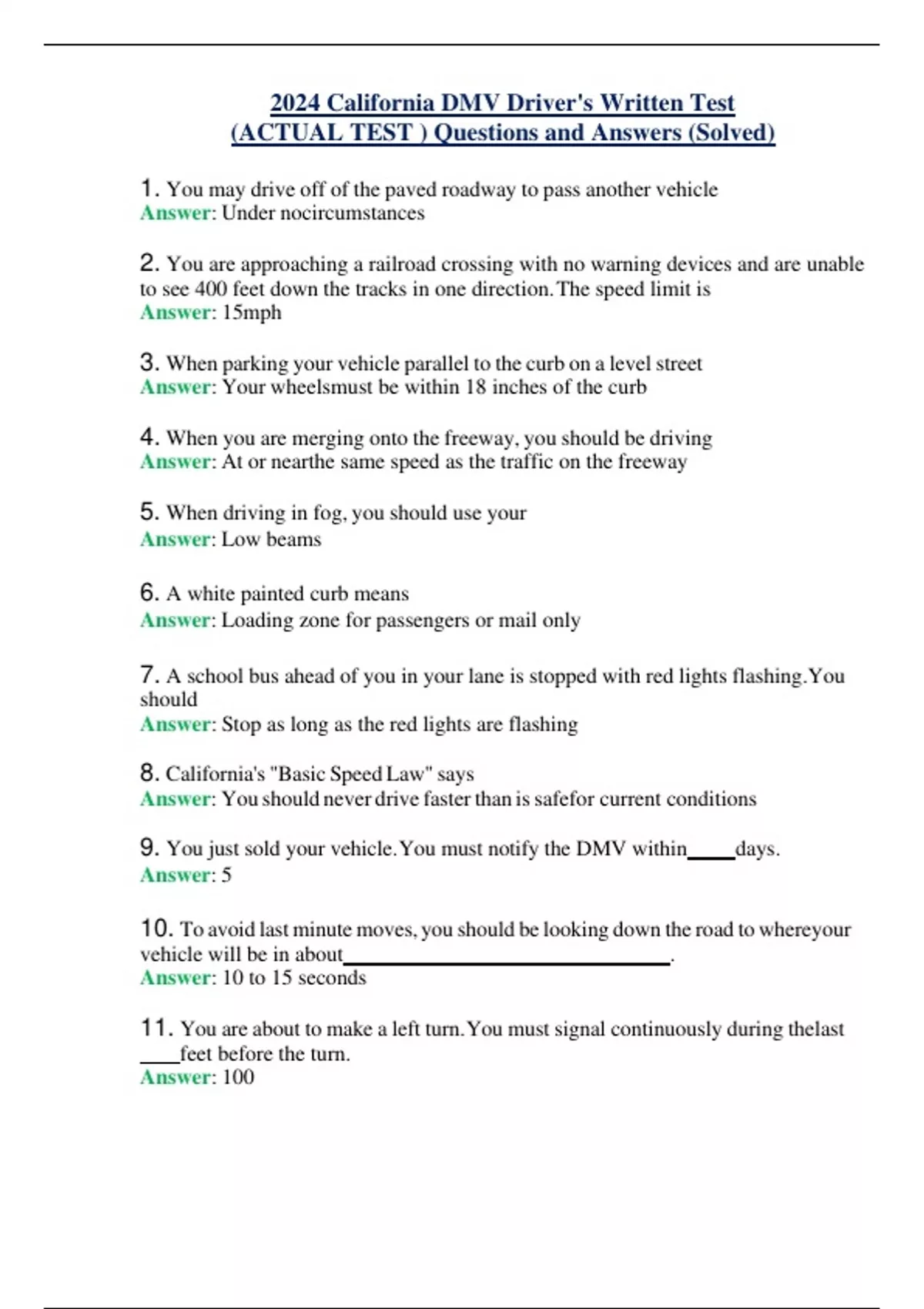
Navigating the California Driver’s Test: A Key to Independent Exploration
For travelers considering an extended stay in California or new residents eager to make the most of their time in the Golden State, obtaining a local driver’s license is more than just a bureaucratic necessity; it’s an enabler of unparalleled exploration. While international driver’s permits or out-of-state licenses may suffice for short visits, the California Department of Motor Vehicles (DMV) mandates that new residents obtain a California license within 10 days of establishing residency. Even for long-term tourists, understanding local driving laws and having a valid California license can simplify car rentals, insurance, and interactions with local authorities, making your journey smoother and more enjoyable.
The journey to a California driver’s license begins with the written knowledge test. This exam is designed to ensure that all drivers understand the state’s traffic laws, road signs, and safe driving practices, all of which are critical for navigating the state’s diverse road conditions, from congested urban freeways to winding mountain passes. A comprehensive grasp of these rules not only aids in passing the test but also significantly enhances safety for both the driver and other road users, contributing to a more pleasant and secure travel experience for everyone.
Deconstructing the DMV Written Exam: The Numbers You Need to Know
The central question for many aspiring California drivers revolves around the format and difficulty of the initial written exam. Knowing exactly what to expect can significantly reduce test-day anxiety and allow for more focused preparation. The California DMV tailors the knowledge test slightly depending on the applicant’s age and the type of license sought.
For Standard Class C Licenses (Applicants 18 and Older)
For adults aged 18 and over seeking a standard Class C driver’s license, the written knowledge test consists of 36 multiple-choice questions. To pass, applicants must correctly answer at least 30 of these questions, which equates to a passing score of approximately 83.3%. The questions cover a broad range of topics drawn directly from the official California Driver Handbook. These include, but are not limited to, rules of the road, traffic signs, right-of-way rules, safe driving practices, and the consequences of driving under the influence. Understanding these regulations is paramount for anyone planning to navigate the unique driving environment of California, whether it’s managing multi-lane highways or understanding local parking restrictions in tourist hotspots.
Learner’s Permits and Minor Applicants (Under 18)
For individuals under the age of 18 applying for a provisional instruction permit, the test is slightly longer and has a different passing threshold. Minor applicants face 46 multiple-choice questions. To secure their permit, they must correctly answer at least 38 of these questions, requiring a passing score of approximately 82.6%. The additional questions often delve into specific topics relevant to new, young drivers, such as passenger restrictions and curfew laws, which are crucial for promoting safety among this demographic. This distinction is vital for families moving to California or those with teenage children planning to drive.
Key Topics Covered
Regardless of age, the core curriculum of the DMV written test remains focused on critical driving knowledge. Expect questions on:
- Traffic Laws: Speed limits, turning rules, lane usage, passing regulations, and specific laws regarding school zones or construction areas.
- Road Signs: Identification and understanding of various regulatory, warning, and informational signs. This includes recognizing shapes, colors, and symbols associated with different instructions or hazards.
- Safe Driving Practices: Defensive driving techniques, handling emergencies, sharing the road with pedestrians and cyclists, and environmental factors like driving in rain or fog, which can be particularly relevant in California’s diverse climates.
- Alcohol and Drug Laws: The serious implications of driving under the influence, including BAC limits and penalties.
A thorough understanding of these areas not only helps pass the test but equips drivers with the knowledge to safely and confidently explore every corner of the Golden State, from the busy urban centers to the serene routes leading to national parks.
Mastering the California Driver’s Handbook: Your Essential Study Guide
Successfully navigating the California DMV written test hinges entirely on diligent preparation, and the most authoritative resource available is the official California Driver Handbook. This comprehensive guide is more than just a manual for passing a test; it’s a deep dive into the state’s unique driving culture and regulatory framework, making it an invaluable “local tip” for anyone venturing onto California’s roads.
Why the Handbook is Indispensable
The California Driver Handbook is the primary source material from which all test questions are derived. It is freely available online on the DMV website and at any DMV office. For tourists, new residents, or anyone unaccustomed to driving in the United States or specifically California, reading this handbook cover-to-cover is paramount. It elucidates local nuances that might differ from driving laws in other states or countries, such as specific rules for turns, freeway exits, or interaction with emergency vehicles. Embracing this resource ensures that you are not just memorizing answers but truly understanding the philosophy behind California’s commitment to road safety.

Effective Study Strategies for Travelers and Newcomers
Preparing for the California knowledge test requires a strategic approach, especially if you are adapting to new driving regulations. Here are some effective study strategies:
- Read Systematically: Don’t just skim. Read each section of the handbook carefully, paying close attention to bolded text, diagrams, and specific numbers (e.g., speed limits, stopping distances).
- Focus on Key Sections: While all sections are important, dedicate extra time to chapters on traffic laws, road signs (often depicted with examples), right-of-way rules, and impaired driving laws, as these frequently appear on the test.
- Utilize Practice Tests: Many online resources offer free California DMV practice tests. These are excellent for gauging your understanding and familiarizing yourself with the question format. Take multiple practice tests until you consistently achieve a passing score. This also helps in identifying areas where further study is needed.
- Understand Regional Driving Nuances: While the handbook covers general rules, be mindful of how these apply in different parts of California. For instance, driving in heavy Los Angeles traffic presents different challenges than navigating the winding roads around Yosemite National Park or the scenic Pacific Coast Highway. The handbook provides the foundational knowledge to adapt to these varying conditions.
- Form Study Groups: If you know others also preparing for the test, forming a study group can be beneficial. Discussing rules and quizzing each other can reinforce learning.
By employing these study techniques, you not only prepare for the written test but also develop a deeper understanding of responsible driving in California, which is vital for safe and enjoyable exploration of the state’s iconic routes and destinations.
Beyond the Written Test: Completing Your Golden State Driving Journey
Passing the California DMV written knowledge test is a significant first hurdle, but it’s just one step in the broader process of obtaining your driver’s license. For travelers and new residents, understanding the subsequent stages is crucial for efficient planning and a seamless transition to driving independently in the Golden State.
The Driving Test: Practical Application of California Road Rules
Once you’ve passed the written exam and obtained your instruction permit (or learner’s permit for minors), the next critical step is the behind-the-wheel driving test. This practical exam evaluates your ability to safely operate a vehicle and apply the knowledge you gained from the handbook in real-world driving scenarios. An examiner will accompany you, assessing various skills including:
- Vehicle Control: Proper use of signals, mirrors, brakes, and accelerator.
- Lane Management: Staying in your lane, changing lanes safely, and adhering to lane markings.
- Turns: Executing safe and correct left and right turns.
- Intersections: Following traffic signals, stop signs, and right-of-way rules.
- Parking: Performing maneuvers like parallel parking, backing up, and parking on hills.
- Observation: Checking blind spots, scanning the road, and demonstrating awareness of other vehicles, pedestrians, and cyclists.
The driving test is not merely about mechanical skill; it’s about demonstrating confident, safe, and lawful driving behaviors. For tourists and newcomers, this is where adapting to California’s specific traffic patterns and road etiquette becomes tangible. Practicing extensively in varying conditions (city streets, residential areas, and, if permitted, freeways) is highly recommended.
Essential Documentation and Appointments
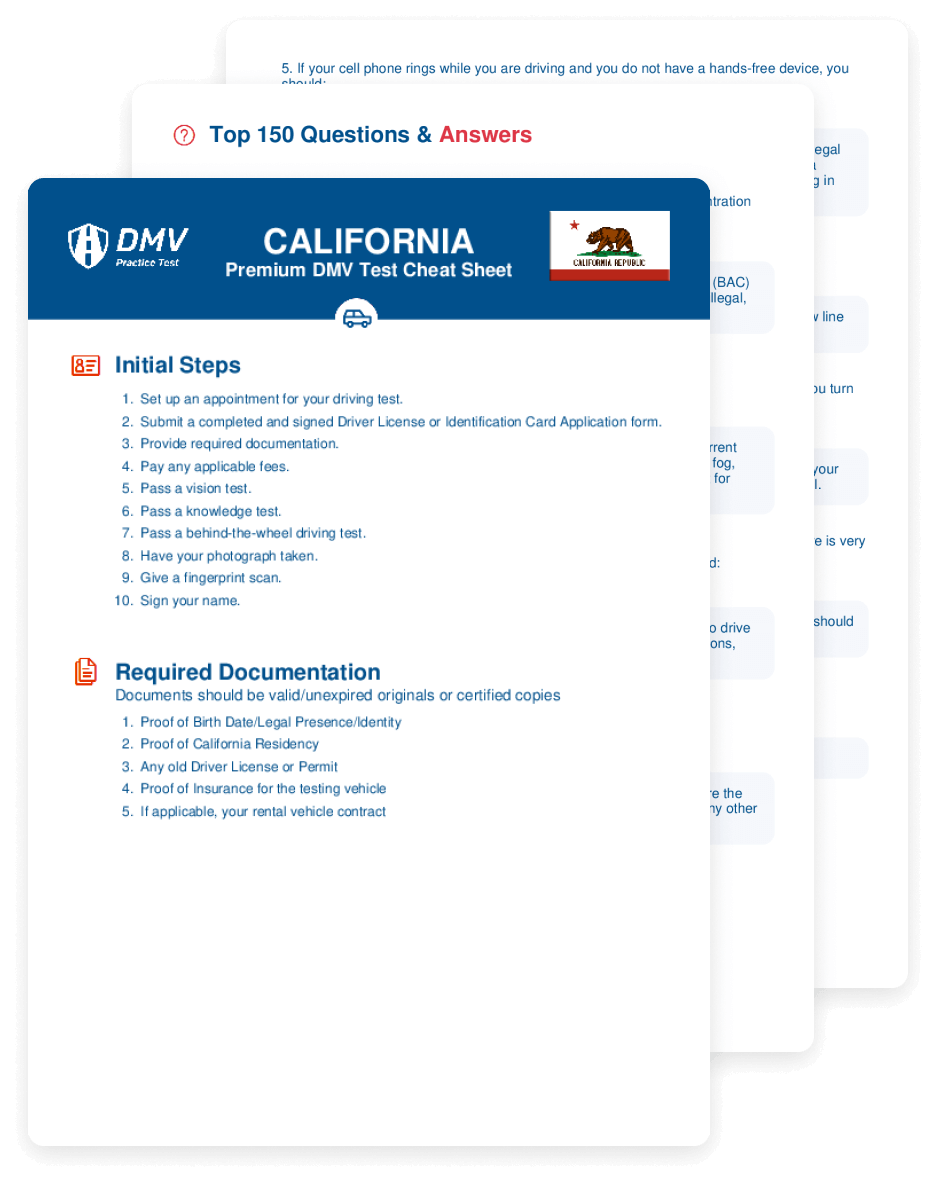
Before embarking on your California driver’s license journey, ensure you have all necessary documentation. This typically includes:
- Proof of identity (e.g., United States birth certificate, valid passport).
- Proof of residency in California (e.g., utility bill, rental agreement).
- Proof of Social Security number.
- Application for a Driver License or Identification Card (DL 44).
- The required application fee.
It’s highly advisable to schedule appointments for both the written test and the driving test in advance through the DMV website. California DMV offices can be very busy, and walk-in availability is often limited, especially for driving tests. Planning ahead will save considerable time and minimize stress, allowing you to focus on the exciting adventures that await you in California.
The Freedom of the Open Road: Unlocking California’s Iconic Destinations
Having successfully navigated the California driver’s test and secured your license, a world of unparalleled travel and tourism opportunities opens before you. The Golden State is renowned for its diverse landscapes, and there’s no better way to experience them than from behind the wheel. A California driver’s license isn’t just a permit; it’s a passport to authentic California experiences, offering the flexibility and freedom to create your own itinerary, explore hidden gems, and embrace the spirit of the open road.
Imagine cruising down the legendary Pacific Coast Highway (Highway 1), with the vast Pacific Ocean on one side and dramatic cliffs on the other, stopping at charming coastal towns like Carmel-by-the-Sea or Big Sur at your leisure. Your license makes spontaneous detours possible, allowing you to discover picturesque overlooks, secluded beaches, and local eateries that might be inaccessible by public transport.
With your California license, you can easily embark on an unforgettable journey to Yosemite National Park, a UNESCO World Heritage site known for its towering sequoias, granite cliffs, and waterfalls. Or perhaps you’ll venture eastward to Death Valley National Park, a land of extremes, or south to the otherworldly beauty of Joshua Tree National Park. These natural wonders, while offering tour options, are best experienced with the freedom to explore at your own pace, stopping for hikes, photography, or simply to soak in the scenery.
Cities like Los Angeles, San Francisco, and San Diego, while having robust public transport, often reveal their true character through neighborhood exploration, which is far more convenient with a car. From driving through the iconic streets of Hollywood in Los Angeles to traversing the hilly terrain of San Francisco en route to the Golden Gate Bridge, having your own vehicle enhances the urban adventure.
Beyond the famous routes, your license enables you to dive deeper into California’s diverse culture – exploring wine regions in Napa Valley, tracing the historic path of Route 66, or discovering the vibrant art scenes in smaller cities. Each journey becomes a personal narrative, shaped by your choices and discoveries. The California driver’s license is thus much more than a document; it’s an invitation to experience the Golden State on your own terms, transforming every trip into an unforgettable adventure.
LifeOutOfTheBox is a participant in the Amazon Services LLC Associates Program, an affiliate advertising program designed to provide a means for sites to earn advertising fees by advertising and linking to Amazon.com. Amazon, the Amazon logo, AmazonSupply, and the AmazonSupply logo are trademarks of Amazon.com, Inc. or its affiliates. As an Amazon Associate we earn affiliate commissions from qualifying purchases.