
The sight of the United States flag and the state flag flying at half-staff is a powerful visual signal that resonates deeply with residents and visitors alike. In Florida, a state rich with history and punctuated by significant cultural landmarks, this gesture is never accidental. It is a solemn act of remembrance, a tribute to a fallen hero, or a mark of respect for a national tragedy. When you look up at the towering flagpoles of the Florida State Capitol or the historic grounds of St. Augustine and see the colors lowered, it invites a moment of reflection on the events and individuals that have shaped the Sunshine State.
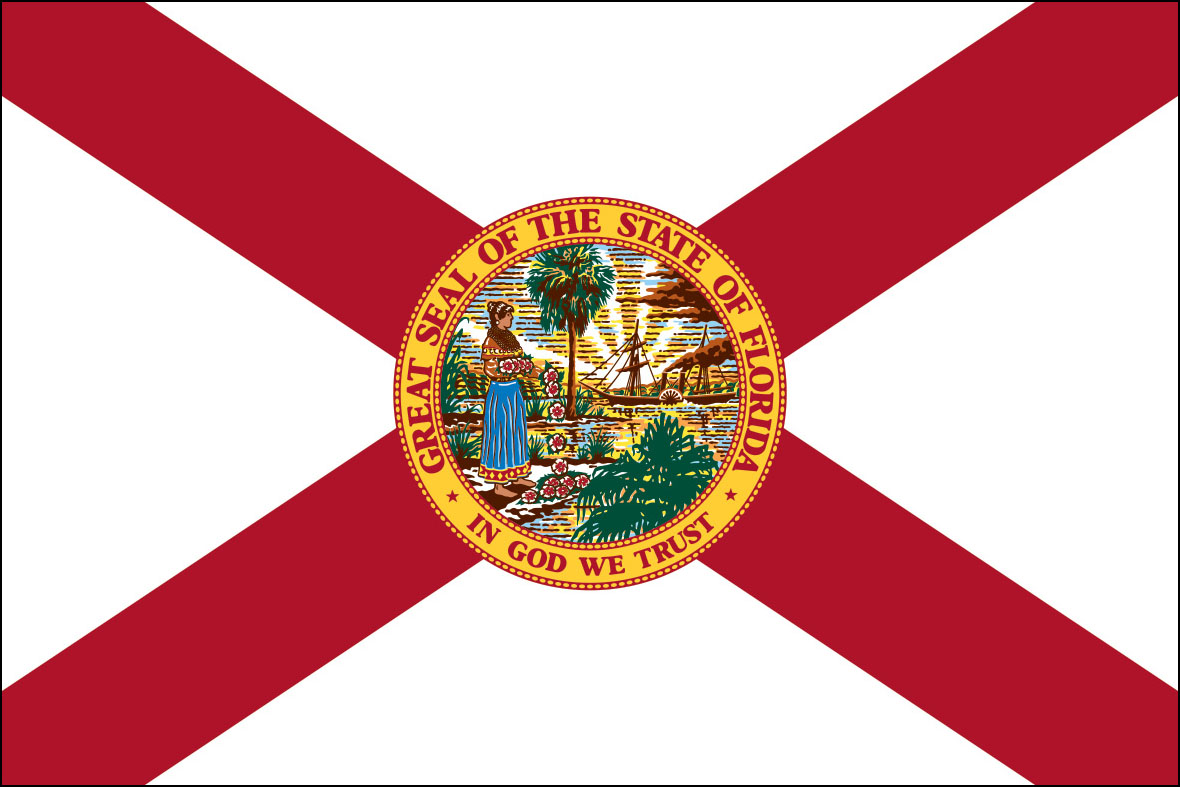
Understanding the Protocol of Memorialization at Florida Landmarks
The tradition of lowering the flag is governed by a strict set of protocols that combine federal law with state-level mandates. For travelers exploring the architectural wonders of Tallahassee or the coastal beauty of Miami, understanding these rules provides a deeper context for the local atmosphere. The United States Flag Code outlines the specific instances when the national ensign should be flown at half-staff, but individual states have the authority to lower flags for localized reasons.
The Governor’s Proclamation Power
In Florida, the authority to lower the flags at state buildings and grounds rests primarily with the Governor. Whether it is Ron DeSantis or a future successor, the sitting executive issues a formal proclamation directing that the flags be lowered. These orders are usually disseminated to all state-run facilities, including universities, correctional institutions, and regional administrative centers.
The proclamation typically specifies the duration—ranging from a single day to a full month—and the reason for the honor. For those visiting landmark sites like the Florida Supreme Court, these proclamations are often posted publicly or mentioned in local news, linking the physical site to the current state of mourning.
National vs. State Mandates
While the President of the United States can order flags at half-staff nationwide for the death of prominent federal officials or during national tragedies like September 11, Florida often lowers its flags for matters specific to its own borders. This might include the passing of a former member of the Florida Legislature, a local law enforcement officer killed in the line of duty, or a distinguished citizen who contributed significantly to the state’s heritage. This distinction ensures that the flags at landmarks from Jacksonville to Key West reflect the specific heartbeat of the community.
Significant Historical Figures and Events Honored
The reasons for a half-staff flag in Florida are as diverse as the state’s landscape. The practice serves as a living history lesson, highlighting the service and sacrifice of individuals who might otherwise be forgotten by the casual tourist.
Honoring Fallen Heroes and First Responders
One of the most frequent reasons for lowering the flag at landmarks such as the City Hall in Orlando or the Tampa civic center is to honor first responders. When a member of the Florida Highway Patrol or a local firefighter makes the ultimate sacrifice, the flag is lowered as a sign of collective grief. These moments are deeply felt in the communities they served, and the visual of the lowered flag at local landmarks becomes a focal point for public mourning and support.
Remembrance of National and Regional Tragedies
Florida has also seen its share of collective hardship. Flags were lowered across the state following the tragic events at Pulse Nightclub in Orlando and the Surfside building collapse near Miami Beach. In these instances, the flags at landmarks like the Lake Eola Park or the Miami-Dade County Courthouse serve as symbols of solidarity. Furthermore, on annual dates like Pearl Harbor Remembrance Day or Peace Officers Memorial Day, the flags are lowered at federal and state landmarks to honor those who served the United States and its citizens.
Celebrating the Lives of State Leaders
When a former Governor of Florida or a member of the United States Congress from the state passes away, the flag protocol is strictly observed. These figures often have deep ties to specific landmarks. For instance, the flag at the Historic Capitol in Tallahassee might be lowered to honor a legislator who spent decades within its walls. This practice connects the current political landscape with the architectural history of the state, reminding visitors that these buildings are not just monuments but workplaces of the people’s representatives.

Iconic Landmarks and Their Ceremonial Roles
The act of lowering the flag takes on a unique character depending on where it occurs. Florida is home to several landmarks where the flag is more than just a decoration; it is an integral part of the site’s historical narrative.
The Florida State Capitol in Tallahassee
In the heart of the capital city, the Florida State Capitol stands as the primary site for all state-ordered flag protocols. The complex, which includes both the modern 22-story tower and the restored 1845 Historic Capitol, serves as the epicenter of Florida governance. When the flags here are at half-staff, it signals a period of mourning for the entire state. The stark contrast between the white architecture of the capitol and the lowered colors creates a somber atmosphere that permeates the surrounding Capitol Square.
Castillo de San Marcos in St. Augustine
In St. Augustine, the oldest city in the United States, the Castillo de San Marcos offers a different perspective on flag traditions. As a national monument managed by the National Park Service, this stone fortress follows federal guidelines. However, seeing the flag at half-staff against the backdrop of coquina walls and the Matanzas River is a striking reminder of the centuries of military history that have occurred on this ground. It connects modern loss with the long timeline of Florida history.
Kennedy Space Center and the Space Mirror Memorial
At the Kennedy Space Center on Cape Canaveral, flag protocols often coincide with the remembrance of astronauts lost in the line of duty. The Space Mirror Memorial stands as a landmark dedicated to the explorers of the Challenger and Columbia missions. When the flag is lowered here, it serves as a tribute to the spirit of exploration and the risks inherent in pushing the boundaries of human knowledge. It is a landmark where science, history, and national identity intersect through the simple movement of the flag.
Pensacola and the National Naval Aviation Museum
In the Panhandle, the city of Pensacola is known as the “Cradle of Naval Aviation.” The National Naval Aviation Museum and the Pensacola Naval Air Station are central landmarks where flag protocols are observed with military precision. For visitors to these sites, the flag at half-staff is often a direct tribute to naval aviators and personnel, reinforcing the deep military roots that define the culture of Northwest Florida.
The Intersection of Tradition and Public Space
The presence of the flag at half-staff at landmarks like Bok Tower Gardens or the Southernmost Point Buoy in Key West changes the way the public interacts with these spaces. It transforms a site from a mere tourist attraction into a place of shared national or state consciousness.
Impact on the Visitor Experience
For the traveler, encountering a lowered flag at a landmark like the Everglades National Park visitor center or the Vizcaya Museum and Gardens can be a prompt for inquiry. It encourages tourists to look beyond the scenery and engage with the local news and current events of Florida. This awareness fosters a deeper connection to the destination, as visitors realize they are witnessing a moment of significance in the lives of the local population.
Architecture and Symbolism
Florida architecture often emphasizes light, air, and grand vistas, but the flag provides a vertical element that draws the eye upward. At landmarks like the Freedom Tower in Miami, which served as the “Ellis Island of the South,” the flag is a central part of the building’s aesthetic. When it is lowered, the silhouette of the building itself seems to change, reflecting a weightier tone. This interplay between the permanent structure of the landmark and the temporary state of the flag illustrates the dynamic nature of history.
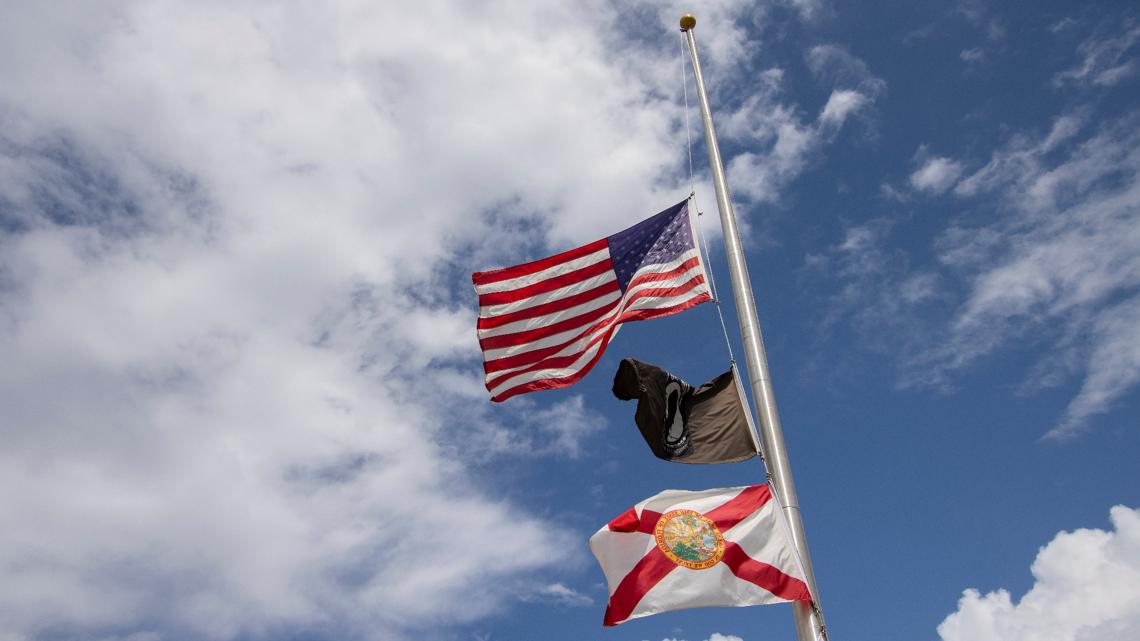
The Educational Value of Flag Observance
Many of Florida historical sites and landmarks use flag protocol as an educational tool. At places like Fort Zachary Taylor Historic State Park, rangers often explain the significance of the flags to visitors. This turns a simple observation into a lesson on civics and the importance of honoring those who have served the United States and the State of Florida. It ensures that the reasons behind the half-staff status—be it the loss of a civil rights leader or the commemoration of Memorial Day—are understood and respected by the thousands who walk through these gates.
In conclusion, the next time you see the flag at half-staff in Florida, know that it is a purposeful choice made to honor the past and present. From the shores of Fort Walton Beach to the urban landscape of Jacksonville, these flags at our most cherished landmarks tell a story of sacrifice, service, and a community coming together in a moment of shared respect. Whether you are visiting the Dalí Museum or hiking through the Ocala National Forest, the lowered flag is a reminder that the history of the Sunshine State is always being written, one tribute at a time.
LifeOutOfTheBox is a participant in the Amazon Services LLC Associates Program, an affiliate advertising program designed to provide a means for sites to earn advertising fees by advertising and linking to Amazon.com. Amazon, the Amazon logo, AmazonSupply, and the AmazonSupply logo are trademarks of Amazon.com, Inc. or its affiliates. As an Amazon Associate we earn affiliate commissions from qualifying purchases.