
When planning a visit to or understanding the administrative landscape of Austin, Texas, it’s crucial to delineate its geographical and political boundaries. While the city of Austin itself is a vibrant urban center, its reach extends into surrounding counties, each contributing to the region’s unique character, economic activity, and cultural tapestry. Understanding which counties encompass Austin is fundamental for navigating local governance, planning travel routes, and appreciating the full scope of the Central Texas experience. This exploration delves into the primary counties associated with Austin, offering insights into their significance and the broader metropolitan area they collectively form.
The Core Counties of Austin
The identity of Austin as a major metropolitan area is intrinsically tied to its presence within a few key counties. These counties not only house the majority of the city’s population and economic hubs but also shape its political and cultural orientation.
Travis County: The Heart of the Capital City
Travis County is unequivocally the core of Austin. Established in 1840, it was named in honor of William Barret Travis, a key figure in the Texas Revolution. Austin serves as the county seat, and the vast majority of its municipal boundaries, population, and its most famous landmarks lie within Travis County.
- Geographic Significance: Travis County is characterized by its rolling hills, the scenic Colorado River (which forms Lady Bird Lake and Lake Travis within its borders), and a diverse topography that contributes to its natural beauty. The city of Austin itself boasts numerous parks and green spaces, many of which are located within the county.
- Economic Engine: As the state capital, Austin drives significant economic activity within Travis County. The county is a hub for technology, education, government, and a burgeoning live music scene, attracting a skilled workforce and numerous businesses. Major employers include the State of Texas, Dell Technologies, and the University of Texas at Austin.
- Cultural Hub: Travis County is the epicenter of Austin’s renowned cultural offerings. From the vibrant South Congress Avenue with its unique boutiques and eateries to the world-famous Sixth Street entertainment district and the numerous music venues, the county is a focal point for artistic expression and entertainment. The Austin City Limits Music Festival and South by Southwest (SXSW) festivals, both held in Travis County, draw international attention.
- Population and Demographics: Travis County is the most populous county in the Austin metropolitan area. Its residents reflect a diverse and dynamic demographic profile, contributing to the city’s progressive and eclectic atmosphere.
Williamson County: Northern Expansion and Growth
To the north of Travis County, Williamson County represents a significant portion of the Austin metropolitan area’s growth and development. Established in 1848 and named after Richard Rowland Williamson, an associate justice of the Texas Supreme Court, it has transformed from a largely rural agricultural region into a prosperous suburban and exurban landscape.
- Economic Diversity: While Travis County leads in technology and government, Williamson County has carved out its own economic identity, particularly in advanced manufacturing, technology, and retail. Cities like Round Rock and Georgetown have become major employment centers. Dell Technologies has a significant presence in Round Rock, and the county is home to numerous other tech companies, contributing to its status as a key economic driver for the region.
- Residential Development: Williamson County has experienced rapid residential growth, attracting families and individuals seeking a blend of suburban amenities and access to Austin’s job market and cultural attractions. Its well-regarded school districts are a significant draw for families.
- Cultural and Recreational Assets: Beyond its economic prowess, Williamson County offers a wealth of recreational opportunities. The San Gabriel River flows through the county, providing beautiful natural settings. Historic downtowns in cities like Georgetown offer charming shopping and dining experiences, while numerous parks and nature preserves cater to outdoor enthusiasts. The county also hosts local festivals and community events that contribute to its distinct regional identity.
Hays County: Southern Charm and Expansion
South of Austin and Travis County, Hays County plays a vital role in the southern expanse of the metropolitan area. Founded in 1848 and named for John Coffee Hays, a ranger and soldier, it blends a rich history with rapid modern development.
- Growth Corridor: Hays County is a significant growth corridor, with cities like San Marcos and Kyle experiencing substantial population increases. Its strategic location along I-35 makes it an attractive area for businesses and residents looking for proximity to Austin and San Antonio.
- Educational and Natural Resources: Hays County is home to Texas State University in San Marcos, a major educational institution that significantly influences the county’s economy and culture. The county is also blessed with abundant natural beauty, including the San Marcos River, known for its crystal-clear waters and popular for tubing and swimming. The Hill Country region also extends into parts of Hays County, offering picturesque landscapes and opportunities for outdoor recreation.
- Emerging Economic Hub: While still characterized by its natural beauty and growing residential communities, Hays County is increasingly becoming an economic hub in its own right. Various industries are establishing a presence, leveraging the area’s skilled workforce and accessible location.
Adjacent Counties and Their Influence
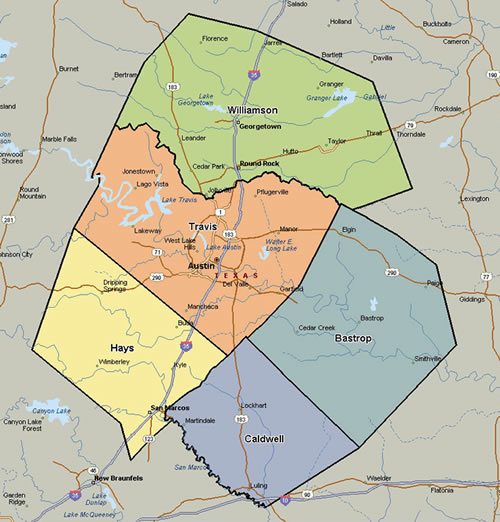
While Travis, Williamson, and Hays counties form the core of the Austin metropolitan area, other nearby counties also contribute to the region’s economic and cultural landscape, often through commuting patterns and shared resources.
Bastrop County: Eastern Charm and Natural Beauty
Located to the east of Travis County, Bastrop County is known for its scenic beauty and historic towns. Established in 1836, it is one of the oldest counties in Texas.
- Outdoor Recreation: Bastrop County is home to the famous Bastrop State Park, known for its “Lost Pines” forest, a unique ecosystem of loblolly pines in Central Texas. The Colorado River also meanders through the county, offering opportunities for fishing, boating, and other water activities.
- Developing Edge: While not as densely populated as the core counties, Bastrop County is experiencing growth as people are drawn to its more rural charm and natural appeal, often commuting to Austin for work. Its charming town of Bastrop offers a historic downtown area and a slower pace of life.
Caldwell County: Southeastern Development
Southeastern of Austin, Caldwell County, established in 1848, is another area experiencing gradual development and serving as a bedroom community for the larger metropolitan area.
- Agricultural Roots and Modern Growth: Historically an agricultural region, Caldwell County is seeing increasing residential development, particularly in its northern parts, as it benefits from proximity to Austin. Cities like Lockhart, famous for its barbecue, are becoming popular destinations.
- Strategic Location: Its position along major transportation corridors provides access to the economic opportunities of the Austin area while retaining a more tranquil, rural atmosphere.
Understanding the Metropolitan Area
The counties discussed above collectively form the Austin–Round Rock metropolitan area, often referred to simply as the Austin metropolitan area. This designation is important for understanding regional planning, economic statistics, and the interconnectedness of the communities within this dynamic part of Central Texas.
The Importance of County Boundaries for Visitors and Residents
For visitors, understanding county lines can be helpful for navigation, identifying which local services might apply (e.g., different property taxes or specific county parks), and appreciating the diverse character of the region. For instance, the driving experience and scenery can shift noticeably as one moves from the urban core of Travis County into the rolling hills of Hays County or the piney woods of Bastrop County.
For residents, county governance plays a significant role in local services, including law enforcement, road maintenance, public health, and emergency services. Property taxes are also often county-specific, impacting the cost of homeownership. Understanding which county you reside in or are visiting provides a foundational understanding of the administrative and service framework.
A Dynamic and Evolving Region
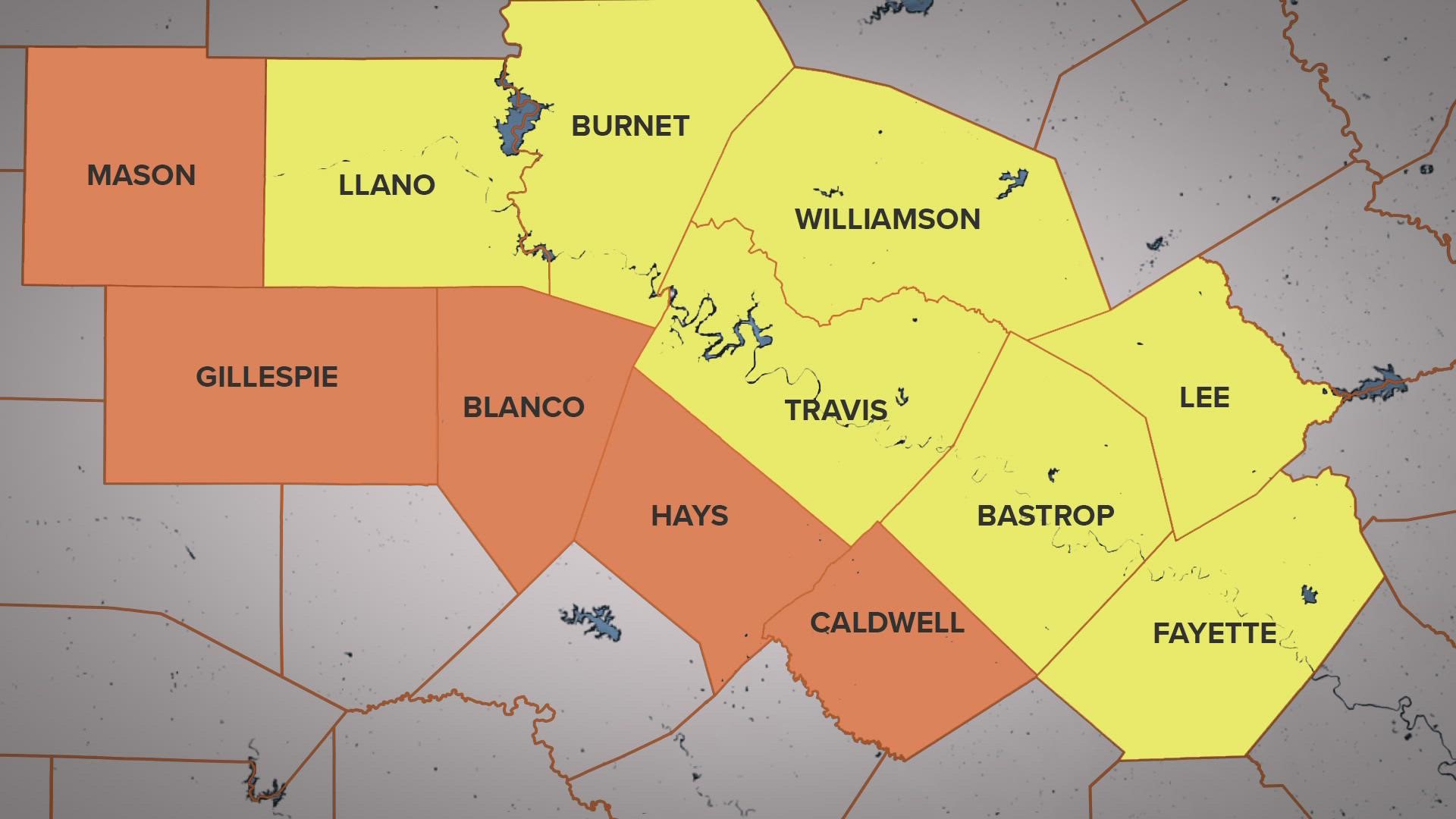
The Austin metropolitan area is characterized by its continuous growth and evolution. As populations expand, so too do the economic and cultural influences of each county. While Travis County remains the undisputed heart, the growth and development in Williamson County and Hays County are increasingly shaping the overall identity and trajectory of the region. The adjacent counties, while perhaps less directly associated with the urban core, are integral to the broader tapestry, offering distinct environments and contributing to the rich diversity that defines Central Texas. Recognizing the contributions and boundaries of these counties provides a comprehensive perspective on the multifaceted region that is Austin and its surroundings.
LifeOutOfTheBox is a participant in the Amazon Services LLC Associates Program, an affiliate advertising program designed to provide a means for sites to earn advertising fees by advertising and linking to Amazon.com. Amazon, the Amazon logo, AmazonSupply, and the AmazonSupply logo are trademarks of Amazon.com, Inc. or its affiliates. As an Amazon Associate we earn affiliate commissions from qualifying purchases.