
The question of whether Hurricane Milton has made landfall in Florida is one that has occupied the minds of travelers, residents, and tourism operators alike. As one of the most significant meteorological events in recent years, the trajectory and impact of this storm have reshaped travel itineraries across the Sunshine State. For those planning a visit to the Gulf of Mexico or the central regions of the United States’ premier vacation destination, understanding the timeline and the aftermath of the storm is essential for safe and responsible travel.
The Timeline of Milton’s Arrival
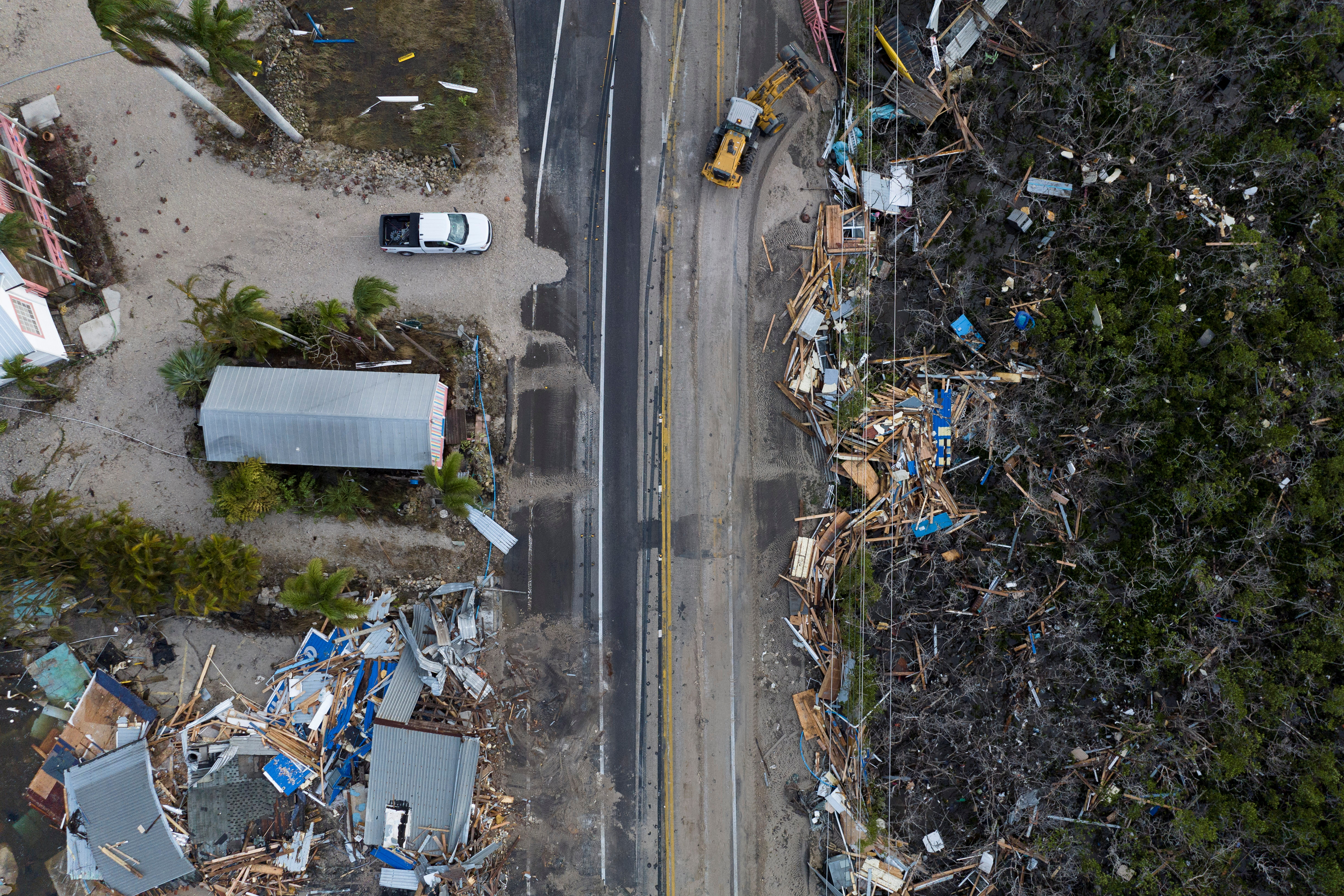
The landfall of Hurricane Milton occurred along the west-central coast of Florida near Siesta Key. For travelers, this meant immediate disruptions to some of the most popular beach destinations in the country. The storm moved across the peninsula, bringing significant wind and rain to inland areas before exiting into the Atlantic Ocean. The impact was felt most acutely in the Tampa Bay area, which is home to a high concentration of resorts, cultural landmarks, and international transit hubs.
Navigating Florida in the wake of such an event requires a deep dive into which regions are ready for visitors and which require a period of recovery. While the immediate answer to “Did Milton hit?” is a definitive yes, the follow-up question for any tourist is: “What does this mean for my upcoming trip?”

Navigating Florida’s West Coast Destinations Post-Milton
The west coast of Florida is renowned for its crystalline waters and white-sand beaches. Destinations like Clearwater Beach and St Petersburg are global favorites. When Hurricane Milton made its presence known, these areas were at the forefront of the atmospheric surge.
The Status of the Tampa Bay Area
Tampa serves as a major gateway for international travelers. The city’s famous Riverwalk and the historic Ybor City district are the heart of the region’s urban tourism. Following the storm, the focus has been on assessing the structural integrity of these waterfront attractions. For those planning to visit Busch Gardens Tampa Bay, it is important to check for operational updates, as these large-scale attractions often implement rigorous safety inspections before reopening to the public.
South of Tampa, the city of Sarasota faced the brunt of the landfall near Siesta Key. Sarasota is a cultural hub, home to the Ringling Museum of Art and the Mote Marine Laboratory. While the resiliency of these institutions is high, the natural beauty of the surrounding keys—including Lido Key and Longboat Key—may take time to return to their pristine state.
Recovery in Southwest Florida
Further south, Fort Myers and Naples continue to demonstrate incredible resilience. These areas, which have historically dealt with significant weather events, are well-versed in the “rebirth” of tourism. Travelers looking to visit Sanibel Island or Captiva Island should remain in close contact with local tourism boards. The allure of shelling and sunset viewing on these islands remains, but the infrastructure—such as the Sanibel Causeway—is always the first priority for local authorities during recovery.
Theme Park Operations and Central Florida Tourism
Orlando is often considered the theme park capital of the world, and its inland location provides a different set of challenges compared to the coastal regions. When a storm like Hurricane Milton crosses the state, Central Florida usually experiences significant rainfall and wind gusts that necessitate temporary closures.
Major Parks: Disney and Universal
For many, a trip to Florida is synonymous with Walt Disney World Resort. The resort, which includes Magic Kingdom, EPCOT, Disney’s Hollywood Studios, and Disney’s Animal Kingdom, has a comprehensive hurricane policy. During the height of Hurricane Milton, the parks traditionally prioritize guest safety, which can involve early closures or multi-day shutdowns.
Similarly, Universal Orlando Resort, featuring Universal Studios Florida and Islands of Adventure, closely monitors the National Hurricane Center updates. If you are a traveler holding tickets during a storm window, the good news is that these major entities are highly efficient at communicating via their official apps and websites. Most “lost” days due to weather can often be rescheduled, ensuring the magic of the vacation isn’t entirely lost.
Regional Attractions Beyond the Parks
Inland tourism in Florida extends beyond the mouse and the movies. The Space Coast, located to the east of Orlando, is home to the Kennedy Space Center Visitor Complex in Merritt Island. Because this facility is located near the coast, it is subject to the same wind and surge risks as the western beaches. Travelers interested in the history of the Apollo missions or the future of SpaceX should check the status of Cape Canaveral following any major storm.
Transportation Hubs and Logistic Challenges

The logistical reality of Hurricane Milton hitting Florida is most visible at the airports and cruise ports. For many travelers, the “hit” happens not when the wind blows, but when the flight is canceled.
Major Airport Closures
Orlando International Airport and Tampa International Airport are the primary entry points for millions of tourists. When a major hurricane is imminent, these airports often suspend commercial operations to secure ground equipment and allow staff to seek safety. Smaller hubs, such as Sarasota Bradenton International Airport and St Pete Clearwater International Airport, are often the first to close and the last to reopen due to their proximity to the coast.
If your travel plans coincide with a storm, the most critical piece of advice is to download your airline’s mobile app. Major carriers like Delta Air Lines, American Airlines, and Southwest Airlines typically issue travel waivers that allow for fee-free changes when a state of emergency is declared in Florida.
The Cruise Industry Impact
Florida is the cruise capital of the world, with major ports in Miami, Port Canaveral, and Port Tampa Bay. A storm in the Gulf of Mexico can significantly alter cruise itineraries. Ships may stay at sea longer to avoid a storm’s path or skip certain ports of call, such as Key West or Nassau in the Bahamas. Travelers booked on Royal Caribbean or Carnival Cruise Line should stay alert to “itinerary deviations,” which are common when Florida is under threat.
Essential Safety Tips for Florida Travelers During Hurricane Season
Hurricane season in Florida runs from June 1st through November 30th. While storms like Hurricane Milton can be daunting, the state is arguably the best-prepared region in the world for such events. For tourists, the key is preparation and awareness.
Staying Informed
The National Oceanic and Atmospheric Administration, or NOAA, provides the most accurate tracking data. When visiting Florida during the peak months of August, September, and October, travelers should monitor the weather daily. Local news stations in Miami, Jacksonville, and Tallahassee are also excellent resources for hyper-local updates regarding evacuation zones and shelter locations.
Travel Insurance and Documentation
One of the most important aspects of traveling to Florida during the summer and fall is the purchase of comprehensive travel insurance. Ensure your policy includes coverage for “weather-related cancellations” and “trip interruptions.” Having digital copies of your passport, hotel bookings, and insurance documents saved on a cloud service like Google Drive or iCloud is a vital safety measure.
Knowing Your Zone
If you are staying at a beachfront hotel in Daytona Beach or a rental in Destin, you must know your evacuation zone. Florida uses a lettered system (Zone A, Zone B, etc.). If an evacuation is ordered for your zone, it is mandatory. Hotels will typically facilitate the process, but having your own transportation plan—whether a rental car from Hertz or a ride-share via Uber—is recommended.
Responsible Tourism: Supporting Florida Post-Storm
When Hurricane Milton hits, the immediate reaction for many is to cancel their trip. However, the Florida economy relies heavily on tourism. Once the “all clear” is given by local officials, returning to the state is one of the best ways to support the recovery of local communities.
Visiting Non-Impacted Areas
Florida is a vast state. If the Gulf Coast is recovering, consider shifting your plans to the Atlantic Coast. Destinations like St Augustine, the oldest city in the United States, or the vibrant Art Deco district of South Beach in Miami may be completely unaffected. Exploring the Florida Panhandle or the natural springs in North Florida, such as Ginnie Springs, can provide a wonderful alternative while the southern or central regions rebuild.
The Beauty of the Florida Keys
The Florida Keys, stretching from Key Largo to Key West, are a world unto themselves. Often, these islands escape the direct path of storms that target the mainland. Driving the Overseas Highway remains one of the ultimate American road trips. By visiting the local shops on Duval Street or taking a snorkeling tour at John Pennekamp Coral Reef State Park, you are directly contributing to the state’s economic resilience.
Sustainable Travel in the Everglades
The Everglades National Park is a massive ecosystem that often absorbs the impact of heavy rains and wind. Visiting the Everglades post-storm can be a unique experience for nature lovers. The water levels may be higher, and wildlife—such as the American Alligator or the Florida Panther—can be more active. Using eco-friendly tour operators for airboat rides ensures that your travel dollars go toward the conservation of this UNESCO World Heritage Site.
While the arrival of Hurricane Milton marks a challenging chapter for Florida, the spirit of the state remains unbroken. For the savvy traveler, being informed and adaptable is the key to enjoying everything the Sunshine State has to offer, even in the face of nature’s power. Whether you are seeking the thrills of Orlando, the history of Pensacola, or the relaxation of Cocoa Beach, Florida continues to be a world-class destination ready to welcome the world.
LifeOutOfTheBox is a participant in the Amazon Services LLC Associates Program, an affiliate advertising program designed to provide a means for sites to earn advertising fees by advertising and linking to Amazon.com. Amazon, the Amazon logo, AmazonSupply, and the AmazonSupply logo are trademarks of Amazon.com, Inc. or its affiliates. As an Amazon Associate we earn affiliate commissions from qualifying purchases.