
The “Boston Butt,” a culinary term that often conjures images of slow-cooked pulled pork, can also be transformed into remarkably tender and flavorful steaks. While not a traditional steak cut like a ribeye or New York strip, Boston butt, derived from the upper shoulder of the pig, possesses a rich marbling and connective tissue that, when treated correctly, yields a deeply satisfying steak experience. This guide will explore how to prepare exceptional Boston butt steaks, focusing on techniques that unlock its potential for grilling, pan-searing, and even sous vide preparation, making it an accessible and impressive option for home cooks looking to explore beyond conventional beef cuts.
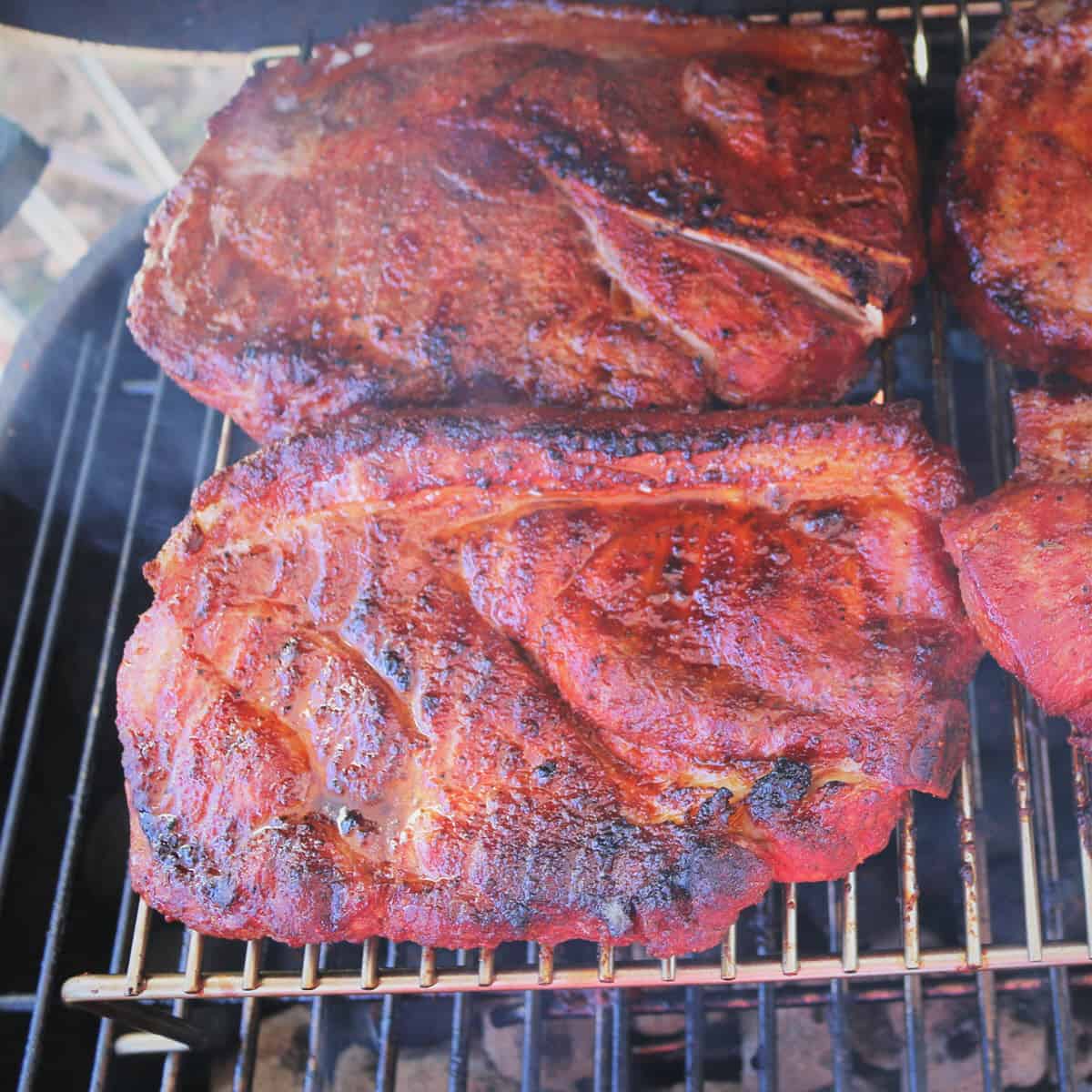
Understanding the Boston Butt
Before diving into cooking methods, it’s crucial to understand the characteristics of a Boston butt. Also known as pork shoulder or pork butt, this cut comes from the primal shoulder of the hog. It’s characterized by its high fat content and abundant connective tissue. This is precisely what makes it ideal for low and slow cooking, as the fat renders and the collagen breaks down, resulting in moist and tender meat. When cut into steaks, however, these same qualities require a different approach to prevent them from becoming tough or dry.
The Anatomy of Flavor
The marbling – the intramuscular fat – is key to the flavor and moisture of Boston butt steaks. Unlike lean beef cuts, pork shoulder boasts a generous distribution of this fat, which melts during cooking, basting the meat from within. This inherent richness means that Boston butt steaks don’t necessarily require heavy marinades or complex rubs to taste delicious; the quality of the pork itself is a significant contributor.
Choosing the Right Cut
When purchasing a Boston butt for steaks, look for a piece that is well-marbled and has a good amount of fat cap. You can either cut steaks from a larger roast yourself or ask your butcher to do it. Aim for steaks that are at least 1 to 1.5 inches thick. Thicker steaks are more forgiving and less prone to overcooking, allowing the internal temperature to rise gradually while the exterior develops a desirable crust.
Prepping Your Boston Butt Steaks
Proper preparation is paramount to achieving tender and flavorful Boston butt steaks. This involves seasoning and, for certain methods, a brief resting period.
Seasoning Strategies
The beauty of Boston butt lies in its natural pork flavor, so simple seasoning is often best. A good quality coarse salt and freshly ground black pepper are foundational.
The Classic Rub
A classic dry rub can enhance the pork’s natural flavors without overpowering them. Consider a blend of:
- Salt: Kosher salt or sea salt.
- Black Pepper: Freshly ground.
- Garlic Powder: For aromatic depth.
- Onion Powder: Adds a savory note.
- Paprika: Sweet or smoked paprika for color and subtle flavor.
- Brown Sugar (Optional): A small amount can aid in caramelization, but use sparingly to avoid burning.
Generously coat the steaks on all sides with your chosen rub. For optimal results, apply the rub at least 30 minutes before cooking, or ideally, several hours in advance and refrigerate them, uncovered. This allows the salt to penetrate the meat, tenderizing it and drawing out moisture which then reabsorbs, seasoning the steak from within.
Marinades for an Extra Boost
While not strictly necessary, a marinade can add another layer of complexity and moisture. Pork shoulder benefits from marinades containing acidic components (like vinegar, citrus juice, or buttermilk) to help tenderize the meat, along with savory elements.
- Acidic Base: Apple cider vinegar, lemon juice, or buttermilk.
- Savory Elements: Soy sauce, Worcestershire sauce, garlic, herbs (rosemary, thyme), and spices.
Marinate Boston butt steaks for at least 4 hours, but no more than 12 hours, as excessive marinating can start to break down the meat too much, resulting in a mushy texture. Always marinate in the refrigerator.
Resting Before Cooking
Allowing the seasoned steaks to come to room temperature for about 30-60 minutes before cooking is a critical step. This ensures more even cooking, preventing the outside from overcooking before the inside reaches the desired temperature.
Cooking Methods for Boston Butt Steaks
The versatility of Boston butt steaks shines through in the variety of cooking methods that can produce excellent results. Each technique offers a unique approach to achieving tenderness and flavor.
Grilling to Perfection
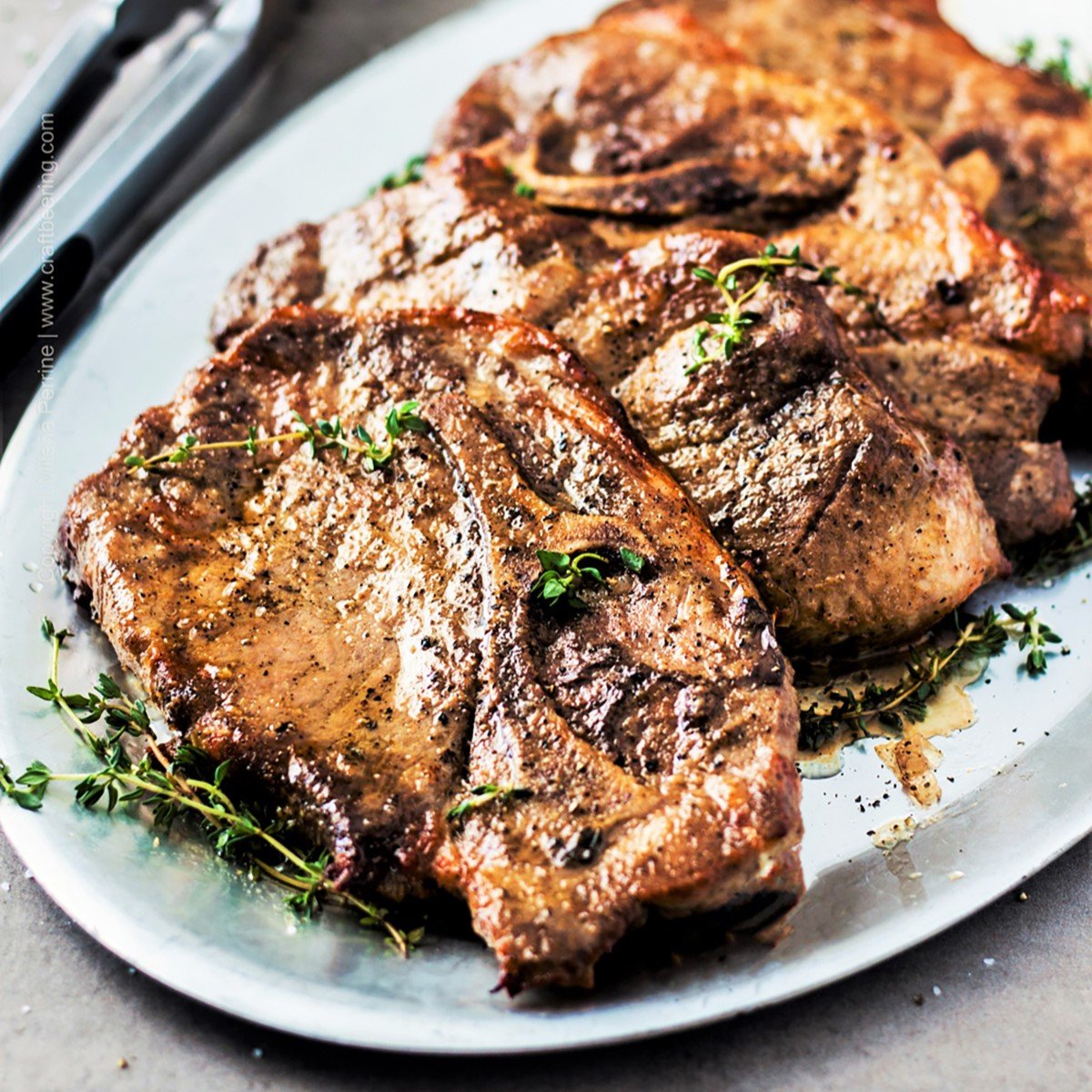
Grilling imparts a smoky flavor and a desirable char that complements the richness of pork shoulder.
Two-Zone Grilling
For thicker Boston butt steaks, a two-zone grilling method is highly recommended. This involves setting up your grill with a hot zone and a cooler zone.
- Preheat: Preheat your grill to medium-high heat.
- Sear: Sear the steaks over the hot zone for 2-3 minutes per side to develop a beautiful crust.
- Indirect Heat: Move the steaks to the cooler zone to finish cooking indirectly until they reach your desired internal temperature. This prevents the exterior from burning before the interior is cooked through.
- Target Temperature: Aim for an internal temperature of 140-145°F (60-63°C) for a juicy, slightly pink steak, or 150-155°F (65-68°C) for a more well-done, but still tender, result. Use a reliable meat thermometer.
Managing Flare-Ups
The fat content of Boston butt can lead to flare-ups. Keep a spray bottle of water handy to douse flames or simply move the steaks to a cooler part of the grill temporarily.
Pan-Searing for a Sizzling Crust
Pan-searing is an excellent method for creating a restaurant-quality crust and a juicy interior, especially for thinner steaks or when grilling isn’t an option.
Cast Iron Mastery
A well-seasoned cast iron skillet is ideal for pan-searing. It retains heat exceptionally well, ensuring a consistent sear.
- Heat the Skillet: Heat a tablespoon or two of high-smoke-point oil (like canola, grapeseed, or avocado oil) in the cast iron skillet over medium-high heat until it shimmers.
- Sear: Carefully place the seasoned steaks in the hot skillet. Sear for 3-4 minutes per side, undisturbed, until a deep brown crust forms.
- Basting: For added flavor and moisture, consider basting the steaks with butter, garlic cloves, and fresh herbs (like thyme or rosemary) during the last minute or two of cooking. Tilt the pan and spoon the melted butter over the steaks repeatedly.
- Finish: Once seared and basted, remove the steaks from the skillet and let them rest.
Achieving Even Doneness
For thicker steaks, you can finish them in a preheated oven (around 350°F / 175°C) after searing in the skillet to ensure even cooking. Transfer the skillet (if oven-safe) or the steaks to a baking sheet and finish in the oven until they reach the desired internal temperature.
Sous Vide for Ultimate Tenderness
For the most consistently tender Boston butt steaks, sous vide cooking is an unparalleled method. This technique involves vacuum-sealing the steaks and cooking them in a precisely temperature-controlled water bath, followed by a quick sear.
The Sous Vide Process
- Season and Seal: Season your Boston butt steaks and vacuum-seal them in individual bags. If using a marinade, ensure it’s not overly acidic, as prolonged exposure can be detrimental.
- Water Bath: Set your sous vide circulator to your desired final temperature. For Boston butt steaks, a temperature between 135°F (57°C) and 145°F (63°C) is recommended, depending on your preference for doneness and texture. Cook for a minimum of 2 hours and up to 4 hours. Longer cooking times will result in a more tender, almost falling-apart texture.
- Sear: Once the sous vide bath is complete, remove the steaks from the bag, pat them thoroughly dry with paper towels (this is crucial for a good sear), and sear them quickly in a very hot skillet or on a grill for about 60-90 seconds per side to develop a crust.
The sous vide method ensures that the connective tissues break down beautifully, resulting in an incredibly tender steak that retains its moisture.
Resting and Serving
Regardless of the cooking method, resting the Boston butt steaks is a non-negotiable step.
The Importance of Resting
Allowing the steaks to rest for 5-10 minutes after cooking permits the juices to redistribute throughout the meat. If you cut into a steak immediately after cooking, the juices will run out onto the plate, leaving the meat dry. Tent the steaks loosely with foil during this resting period to keep them warm.

Serving Suggestions
Boston butt steaks are versatile and can be served in a variety of ways:
- Classic Steak Presentation: Serve whole steaks with your favorite side dishes, such as roasted vegetables, mashed potatoes, or a fresh salad.
- Sliced for Tacos or Sandwiches: Slice the rested steaks thinly against the grain and use them as a flavorful filling for tacos, fajitas, or gourmet sandwiches.
- With Sauces: A simple pan sauce made with the drippings, a red wine reduction, or a tangy BBQ sauce can elevate the flavor profile.
By understanding the unique characteristics of the Boston butt and employing the right cooking techniques, you can transform this often-overlooked cut into a truly remarkable steak that rivals its beef counterparts in flavor and tenderness. Experiment with different seasonings and cooking methods to discover your favorite way to enjoy this culinary gem.
LifeOutOfTheBox is a participant in the Amazon Services LLC Associates Program, an affiliate advertising program designed to provide a means for sites to earn advertising fees by advertising and linking to Amazon.com. Amazon, the Amazon logo, AmazonSupply, and the AmazonSupply logo are trademarks of Amazon.com, Inc. or its affiliates. As an Amazon Associate we earn affiliate commissions from qualifying purchases.