
Exploring the tropical landscapes of Guam is a bucket-list item for many travelers seeking a blend of pristine beaches, rich indigenous culture, and significant historical sites. However, because this island is situated in the Western Pacific, thousands of miles from the mainland United States, the logistical questions often begin before the suitcase is even packed. The most common query is whether a passport is required for entry. While Guam is a territory of the United States, the answer depends heavily on your citizenship and your point of departure.
Understanding Entry Requirements for U.S. Citizens
For citizens of the United States, traveling to Guam is technically a domestic flight. Because the island is an unincorporated territory, it falls under the same general umbrella as a flight from New York to California. However, its geographical isolation and specific customs regulations create a unique set of circumstances that travelers should be aware of before arriving at the airport.

Traveling from the United States Mainland or Hawaii
If you are flying directly from the United States or from Hawaii without stopping in a foreign country, a passport is not strictly mandatory for U.S. citizens. You are essentially moving within the same national borders. However, you must provide proof of citizenship and identity. Valid government-issued photo identification is required for all passengers.
In the absence of a passport, travelers can often use a combination of a government-issued photo ID and a certified birth certificate. That said, the ease of travel significantly increases when a passport is present, as it serves as the ultimate proof of both identity and citizenship in a single document.
The Real ID Act and Domestic Travel
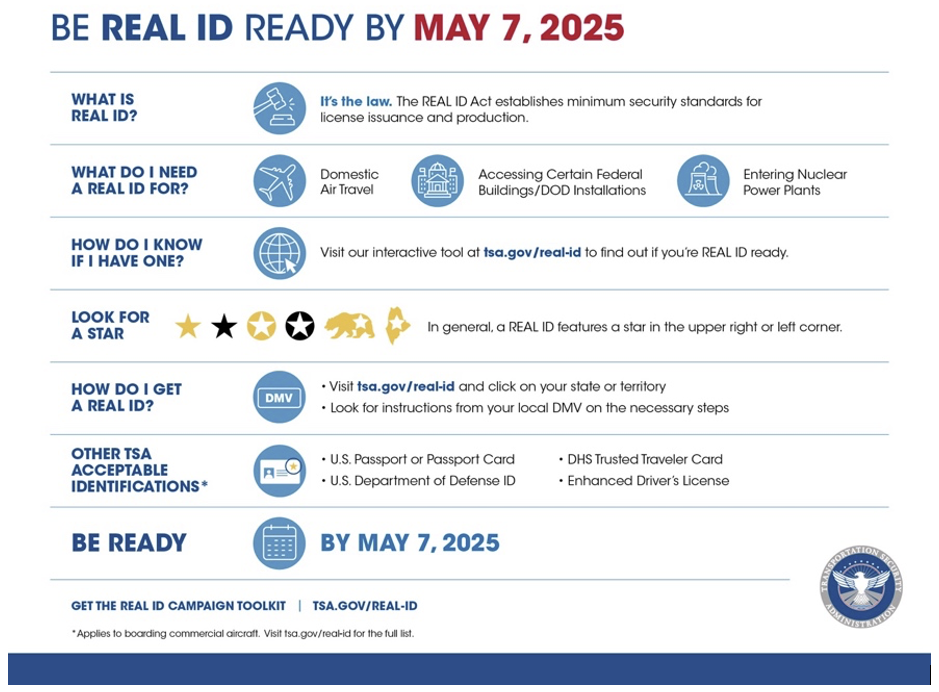
With the implementation of the Real ID Act, travelers must ensure that their state-issued driver’s license or identification card is Real ID-compliant if they intend to use it for boarding domestic flights, including those headed to Guam. If your license does not have the Real ID star symbol, you will be required to present an alternative form of acceptable identification, such as a U.S. passport or a permanent resident card.
Why Carrying a Passport is Still Recommended
Even though it may not be a legal requirement for direct domestic flights, most travel experts strongly recommend that U.S. citizens carry a passport when visiting Guam. One primary reason is the possibility of an unscheduled flight diversion. If your flight is rerouted to a foreign country like Japan, the Philippines, or South Korea due to weather or mechanical issues, you will need a passport to clear immigration or even to stay in a hotel during the delay.
Furthermore, upon returning to the mainland United States from Guam, you will be required to pass through a customs inspection. While this is largely for agricultural purposes, having a passport speeds up the process of verifying your status with federal authorities.
Entry Rules for International Travelers
For those who are not citizens of the United States, the requirements are more traditional. Guam follows federal immigration laws, meaning international visitors must meet the same criteria they would for entering any other part of the United States.
The Guam-CNMI Visa Waiver Program
One of the unique aspects of traveling to this region is the Guam-CNMI Visa Waiver Program. This program allows citizens from specific countries to visit Guam and the Northern Mariana Islands, including Saipan, for up to 45 days without a U.S. visa for business or pleasure. Countries often included in this program are Australia, Japan, South Korea, and the United Kingdom.
To utilize this waiver, travelers must have a machine-readable passport, a non-refundable return ticket, and must complete the necessary I-736 form. It is important to note that entry under this program does not allow the traveler to then fly to the mainland United States or Hawaii without a standard visa or ESTA.
Standard Visa Requirements and ESTA
Travelers from countries that participate in the global Visa Waiver Program (VWP), such as Canada, can enter Guam using an approved Electronic System for Travel Authorization (ESTA). For citizens of countries not covered by the ESTA or the specific Guam-CNMI waiver, a traditional B1/B2 tourist visa obtained from a U.S. Embassy or Consulate is mandatory.
Navigating Customs and Immigration in Guam
Arriving in Guam is a unique experience. While you may still be in the United States, the island maintains its own customs and quarantine regulations to protect its delicate Pacific ecosystem.
Arrival at Antonio B. Won Pat International Airport
Most travelers arrive via the Antonio B. Won Pat International Airport in Hagåtña. Upon landing, all passengers, regardless of where they are flying from, must fill out a Guam Electronic Declaration Form. This digital form simplifies the customs process and helps local authorities track potential biological hazards.
For U.S. citizens arriving from the mainland, the immigration line is usually bypassed, but you will still need to collect your luggage and pass through a customs check. For international arrivals, the process involves standard biometric scanning and questioning by U.S. Customs and Border Protection officers.
Agriculture and Quarantine Regulations
Because of its isolation, Guam is extremely protective of its flora and fauna. It is strictly prohibited to bring certain fruits, vegetables, and animal products onto the island. These regulations are in place to prevent the introduction of invasive species or diseases that could devastate the local environment. Even if you are a U.S. citizen flying from California, your bags may be inspected for restricted organic materials.
Essential Travel Tips for Your Guam Vacation
Once the paperwork is settled, the real adventure begins. Guam is a destination that offers much more than just a logistical waypoint; it is a vibrant center of the Chamorro culture and a hub for outdoor enthusiasts.
The Best Time to Visit
Guam enjoys a tropical marine climate, meaning it is warm and humid year-round. However, there are two distinct seasons. The dry season runs from January to June and is generally considered the best time for tourism. During these months, the weather is ideal for visiting Tumon Bay or hiking through the lush jungles. The rainy season, from July to December, can bring tropical storms, though they often pass quickly, leaving behind brilliant sunshine.
Transportation Around the Island
While there are bus services primarily focused on the tourist district of Tumon Bay, renting a car is the most efficient way to see the island. Having your own vehicle allows you to drive from the urban center of Hagåtña to the remote beauty of Ritidian Point at your own pace. U.S. driver’s licenses are valid for use in Guam, making the transition easy for domestic visitors.
Exploring the Jewels of the Western Pacific
The travel experience in Guam is defined by its stunning natural landmarks and its resilient history. From the depths of the ocean to the heights of the cliffs, the island provides endless opportunities for exploration.
Iconic Landmarks and Beaches
No trip to the island is complete without a visit to Two Lovers Point. This towering cliffside offers panoramic views of the Philippine Sea and is steeped in local folklore. For those interested in World War II history, the War in the Pacific National Historical Park is a must-visit. Locations like the Asan Bay Overlook provide a somber yet beautiful reflection on the island’s role in the conflict.
The beaches are, of course, the primary draw. Ypao Beach Park is perfect for families and snorkelers, while the Inarajan Pools offer a unique natural bathing experience in volcanic rock basins. For a more adventurous day trip, Talofofo Falls Resort Park features cascading waterfalls and a look into the cave where a Japanese soldier remained in hiding for decades after the war ended.

Cultural Heritage and Urban Life
To truly understand Guam, one must spend time in Hagåtña, the capital city. Here, you can visit the Guam Museum to learn about the 4,000-year history of the Chamorro people. The nearby Dulce Nombre de Maria Cathedral-Basilica stands on the site of the first Catholic church on the island, representing the deep Spanish influence in the region.
If you enjoy architecture, a stop at Fort Apugan provides a look at 19th-century Spanish fortifications and a spectacular view of the city below. For modern comforts and luxury shopping, the Micronesia Mall offers a vast array of international brands and local boutiques.
The accommodation scene in Guam is world-class, with many resorts lining the shores of Tumon Bay. Staying at the Dusit Thani Guam Resort or The Westin Resort Guam ensures that you are in the heart of the action, close to both the water and the vibrant nightlife. Other excellent options include the Hilton Guam Resort & Spa, which offers expansive grounds and multiple swimming pools for a relaxing retreat.
Whether you are diving into the crystal-clear waters of the Piti Bomb Holes Preserve or enjoying a sunset dinner overlooking the ocean, Guam provides a travel experience that is both exotic and familiar. By ensuring you have the correct documentation—whether it is a U.S. passport for convenience or a visa for international entry—your journey to this Pacific paradise will be as seamless as the island breeze.
LifeOutOfTheBox is a participant in the Amazon Services LLC Associates Program, an affiliate advertising program designed to provide a means for sites to earn advertising fees by advertising and linking to Amazon.com. Amazon, the Amazon logo, AmazonSupply, and the AmazonSupply logo are trademarks of Amazon.com, Inc. or its affiliates. As an Amazon Associate we earn affiliate commissions from qualifying purchases.