
For many travelers planning a trip to the United States, the quality of basic amenities is often taken for granted. However, when the destination is a chain of volcanic islands in the middle of the Pacific Ocean, questions about infrastructure and safety naturally arise. One of the most frequent inquiries from visitors arriving at Honolulu or Kahului Airport is simple: “Can you drink the tap water in Hawaii?”
The short answer is a definitive yes. In fact, the tap water in the Aloha State is frequently ranked among the highest quality in the nation. This is not merely a matter of industrial filtration, but a result of the unique geological makeup of the islands. Understanding the nuances of the water supply is essential for any responsible traveler looking to engage in sustainable tourism while staying healthy and hydrated during their tropical adventures.

The Purity of the Source: Hawaii’s Volcanic Filtration
The secret to the exceptional quality of water in Hawaii lies beneath the surface of the earth. Unlike many regions on the Mainland United States that rely on surface water from lakes or rivers—which are susceptible to runoff and contamination—the islands draw their water from underground aquifers.
The Natural Basalt Filter
The journey of a single drop of Hawaiian tap water begins as rainfall in the lush, mountainous interiors of islands like Oahu or Kauai. As the rain falls, it slowly percolates through layers of porous volcanic rock, specifically basalt. This basalt acts as a massive, natural sponge and filtration system.
It takes approximately 25 years for rainwater to seep through these volcanic layers and reach the basal aquifers. During this quarter-century journey, the rock naturally scrubs the water of impurities and enriches it with essential minerals like calcium, magnesium, and potassium. By the time it is pumped to the surface by the Board of Water Supply, the water is remarkably pure and requires very little chemical treatment compared to other urban centers.
Protecting the Aquifers
Maintaining this purity is a central pillar of local governance. The Department of Health and various municipal agencies work tirelessly to ensure that the watersheds are protected from development and pollution. For tourists visiting sites like the Iao Valley on Maui or the forested ridges of Mount Waialeale, it is important to realize that these are not just scenic vistas; they are the primary collection points for the state’s drinking water. Staying on marked trails and respecting “No Trespassing” signs in watershed areas is a vital part of being a respectful visitor.
Regulations and Safety Standards
While the natural filtration process is impressive, the water system in Hawaii is also strictly regulated to meet modern safety standards. Every municipal water system in the islands must adhere to the federal Safe Drinking Water Act, which is overseen by the Environmental Protection Agency.
Oversight and Testing
The water quality is tested thousands of times per year for over 100 different types of contaminants. In Honolulu, the Board of Water Supply publishes an annual Water Quality Report (also known as a Consumer Confidence Report) that details exactly what is in the water. For the vast majority of residents and visitors, the levels of any detected substances are well below the safety thresholds established by the World Health Organization.
Navigating Local Anomalies
While the municipal water is safe, visitors should be aware of localized issues. In some older areas of Waikiki or historic towns like Lahaina, the internal plumbing of older buildings can occasionally affect the taste or clarity of the water. If you are staying in a vintage boutique hotel or an older vacation rental, you might notice a slight metallic taste, which is usually due to the building’s pipes rather than the water source itself. In such cases, using a simple pitcher filter is often enough to resolve the issue.
It is also worth mentioning the Red Hill incident near Pearl Harbor, which made national headlines. A fuel leak in a naval storage facility affected a specific water system serving military housing areas. However, this was a localized event and did not impact the broader municipal water supply used by the general public or the major tourism hubs. The state remains vigilant in monitoring these sites to ensure the continued safety of the Oahu aquifer.
Cultural Significance: Water as “Wai” in Hawaiian Tradition
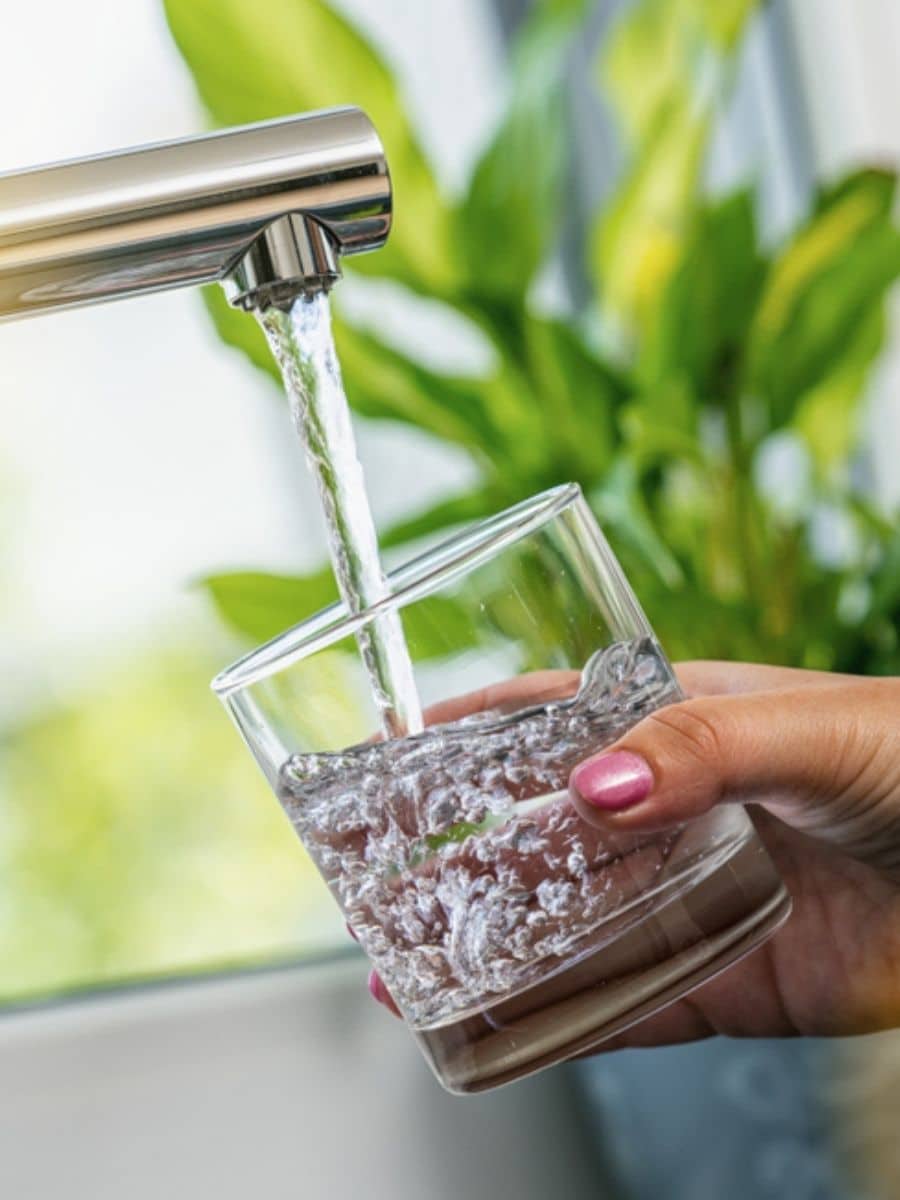
To truly understand the importance of water in Hawaii, one must look at it through the lens of local culture. In the Hawaiian language, the word for fresh water is “wai.” Its significance is so profound that it is embedded in the very concept of wealth.
The Meaning of Waiwai
The Hawaiian word for wealth or prosperity is “waiwai.” Literally translated, it means “water-water.” This reflects a traditional worldview where true abundance was not measured by gold or currency, but by the availability of fresh water to sustain the community and the Lo’i Kalo (taro patches). When a tourist drinks from a tap in Hawaii, they are consuming a resource that has been spiritually and physically vital to the islands for centuries.
Malama I Ka Wai
The concept of “Malama I Ka Wai”—to care for the water—is an invitation to visitors to participate in the local culture of stewardship. Unlike some tourist destinations where bottled water is a necessity due to poor infrastructure, Hawaii offers the luxury of clean, free water. Choosing to drink tap water is an act of respect for the local environment and the ancient systems that have protected these resources. By trusting the tap, travelers align themselves with the local ethos of sustainability and conservation.
Sustainable Tourism: Reducing the Plastic Footprint
One of the most impactful choices a visitor can make is to forego the purchase of single-use plastic water bottles. Hawaii is currently facing a significant challenge regarding waste management and the protection of its marine ecosystems.
Reusable Bottles and Refill Stations
Most major tourist attractions, from Haleakala National Park on Maui to the Polynesian Cultural Center on Oahu, now provide high-tech water refill stations. These stations are designed to encourage visitors to bring their own reusable flasks. Many hotels and resorts have also transitioned away from providing plastic bottles in rooms, instead offering branded reusable bottles and filtered water dispensers in the lobby or on guest floors.
Impact on Marine Life
Plastic pollution is a dire threat to the Pacific Ocean surrounding the islands. Plastic bottles often end up in the ocean, where they break down into microplastics that harm sea turtles, monk seals, and the coral reefs of the Hanauma Bay Nature Preserve. By drinking tap water, tourists directly contribute to the reduction of plastic waste on the islands of Lanai, Molokai, and beyond.
Regional Considerations and Practical Tips
While the general rule is that tap water is safe, there are some regional variations and specific situations that travelers should keep in mind as they explore different parts of the archipelago.
Urban vs. Rural Systems
On the Big Island (the Island of Hawaii), the geography is vast and varied. In major hubs like Kona and Hilo, the municipal water is excellent. However, if you are staying in a remote “off-the-grid” rental in the Puna District or near the Ocean View area, the property may rely on a catchment system.
Catchment systems collect rainwater from the roof into a large tank. While many of these systems are equipped with sophisticated UV filters and sediment blocks, they are not regulated by the state in the same way as municipal lines. If you are staying in a rural area, it is always best to ask your host if the water is potable or if it is intended only for showering and washing dishes.
Hydration for Outdoor Activities
Hawaii is a playground for outdoor enthusiasts, but the tropical humidity can lead to rapid dehydration. Whether you are hiking the grueling trails of Waimea Canyon or walking the sun-drenched length of Diamond Head, you will need more water than you typically consume at home.
A professional tip for travelers: Fill your reusable bottle with ice and tap water before leaving your accommodation. The tap water in Hawaii is naturally cool, but for long excursions to the North Shore or the Road to Hana, an insulated bottle is your best friend.

Tasting the Difference
Many visitors are surprised to find that Hawaiian tap water actually tastes better than the bottled variety. Because of the mineral content derived from the volcanic rock, the water has a “soft” and refreshing mouthfeel. It lacks the heavy chlorine scent found in many cities in the United States. When dining at local restaurants in Kapolei or Lihue, don’t hesitate to ask for a glass of tap water rather than ordering expensive imported sparkling or still water.
In conclusion, drinking tap water in Hawaii is not only safe but is a recommended practice for any mindful traveler. It allows you to experience a unique geological gift of the islands, connects you to the local culture of “wai,” and helps protect the delicate island ecosystem from the scourge of plastic pollution. So, as you pack your bags for the Garden Isle or the Valley Isle, make sure a high-quality reusable water bottle is at the top of your list. Enjoy the pure, volcanic-filtered refreshment that makes Hawaii truly exceptional.
LifeOutOfTheBox is a participant in the Amazon Services LLC Associates Program, an affiliate advertising program designed to provide a means for sites to earn advertising fees by advertising and linking to Amazon.com. Amazon, the Amazon logo, AmazonSupply, and the AmazonSupply logo are trademarks of Amazon.com, Inc. or its affiliates. As an Amazon Associate we earn affiliate commissions from qualifying purchases.