
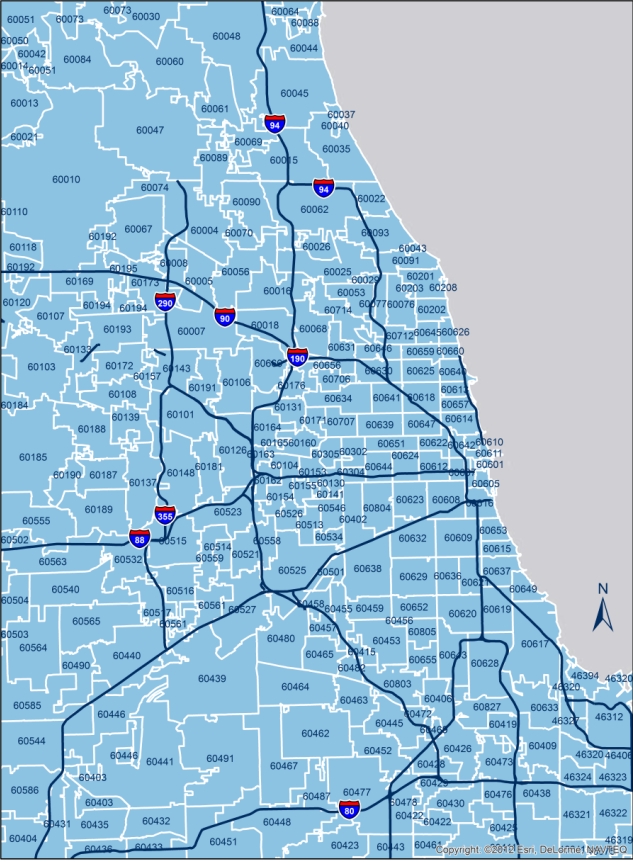
The direct answer to “What is the zip code in Chicago, Il?” is not a singular one, but rather a mosaic of postal codes that delineate the city’s vast and diverse landscape. As a major metropolitan hub, Chicago is segmented into numerous zip codes, each representing a distinct neighborhood or area. For tourists, understanding this intricate system is far more than a logistical detail; it’s a key to unlocking the city’s unique local culture, navigating its attractions, and crafting an authentic experience tailored to specific interests. These numerical identifiers are powerful tools for uncovering Chicago’s multifaceted personality, from its bustling downtown core to its charming residential enclaves.
The Nuance of Chicago’s Zip Codes for Tourists
Unlike smaller towns, sprawling cities like Chicago are divided into many postal zones, each with its own zip code. These codes are not arbitrary; they reflect geographical boundaries, historical development, and often, the distinct character of the communities they encompass. For a tourist, grasping this concept transforms a simple address into a descriptor of the local vibe, the type of dining scene, and the proximity to specific cultural attractions or activities. Knowing the zip code of a potential hotel, restaurant, or landmark offers immediate insight into what one can expect from that particular corner of the city, allowing for more informed planning and exploration. It helps differentiate between the high-rise glamour of The Loop and the historic brownstones of Lincoln Park, or the artistic vibrancy of Pilsen and the trendy boutiques of Wicker Park.
Navigating Chicago by Zip Code: A Tourist’s Guide
For those visiting Chicago, using zip codes as a navigational tool can significantly enhance the travel experience. Each code often corresponds to a specific neighborhood or a cluster of neighborhoods, providing a quick reference point for what to see, where to eat, and how to immerse oneself in the local culture.
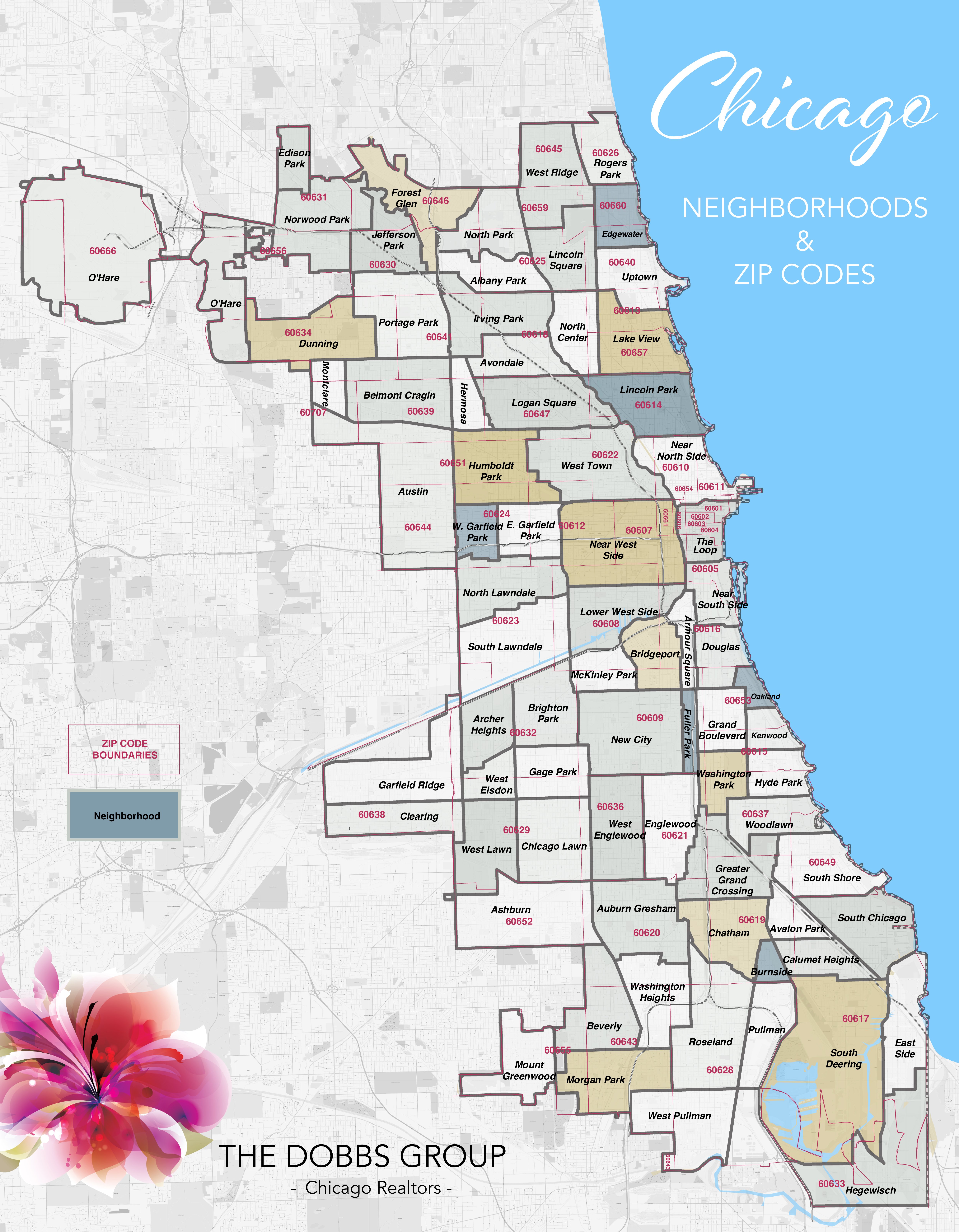
Downtown and The Loop: 60601, 60602, 60603, 60604, 60606, 60607, 60661
These zip codes are the heart of Chicago’s central business district and a prime area for first-time visitors. Here, tourists will find iconic landmarks such as Millennium Park with its famous “Bean” sculpture (Cloud Gate), the renowned Art Institute of Chicago, and the soaring heights of the Willis Tower (formerly Sears Tower). This area is bustling with activity, offering world-class dining, impressive architecture, and easy access to public transportation for exploring other parts of the city.
Magnificent Mile and Streeterville: 60611
North of The Loop, this zip code is synonymous with luxury shopping, upscale dining, and vibrant entertainment. The Magnificent Mile stretches along North Michigan Avenue, home to flagship stores, historic hotels, and the Museum of Contemporary Art Chicago. Just east, Streeterville offers attractions like Navy Pier, with its Ferris wheel, gardens, and family-friendly activities, along with numerous restaurants offering stunning lake views.
Lincoln Park and Old Town: 60614
Further north, 60614 encapsulates some of Chicago’s most picturesque and affluent neighborhoods. Lincoln Park is famous for its expansive parkland, the free Lincoln Park Zoo, and a charming selection of boutiques and cafes. Old Town retains a historic village feel with its beautiful Victorian-era homes and is home to the legendary Second City comedy club. This zip code is ideal for those seeking a mix of green spaces, cultural experiences, and a vibrant dining scene in a more relaxed setting.
Wicker Park and Bucktown: 60622
To the northwest, 60622 defines the trendy and bohemian neighborhoods of Wicker Park and Bucktown. These areas are known for their independent boutiques, vintage shops, lively music venues, and an eclectic array of restaurants and bars. Tourists looking for a vibrant nightlife, unique shopping experiences, and a taste of Chicago’s artistic edge will find themselves at home in this zip code.
Hyde Park: 60615
On the South Side, 60615 is home to the historic neighborhood of Hyde Park. This area is rich in history and culture, featuring the world-class Museum of Science and Industry, the prestigious University of Chicago, and the future site of the Obama Presidential Center. Hyde Park offers a distinct intellectual and historical ambiance, with beautiful architecture and lakeside parks.

Fulton Market District and West Loop: 60607, 60661 (overlap with The Loop)
These areas, particularly the western edge of 60607 and 60661, have transformed into Chicago’s premier foodie destinations. The Fulton Market District, once a meatpacking hub, now boasts an incredible concentration of critically acclaimed restaurants, innovative bars, and trendy hotels. The West Loop offers a similar vibrant energy, making it an essential stop for culinary enthusiasts exploring Chicago’s gastronomic scene.
Beyond the Numbers: How Zip Codes Reflect Chicago’s Diverse Local Culture
Chicago’s zip codes are more than just postal markers; they are geographical indicators of the city’s incredible cultural tapestry. Each zone often harbors distinct communities, celebrated for their unique heritage, artistic expressions, and culinary contributions. Understanding these cultural pockets through their zip codes allows tourists to delve deeper into the authentic local experience, moving beyond mainstream attractions to discover hidden gems.
Culinary Journeys by Zip Code
For food-loving tourists, zip codes can serve as a delicious roadmap. For example, 60608, primarily encompassing Pilsen, is renowned for its vibrant Mexican-American culture and features some of the best authentic Mexican cuisine in the city, from taquerias to upscale eateries. Further north, 60640, covering parts of Uptown and Argyle Street, is a destination for Vietnamese and other Southeast Asian culinary delights. Meanwhile, the aforementioned 60607 and 60661 in the West Loop are synonymous with Michelin-starred restaurants and innovative American cuisine. Exploring these distinct food landscapes through their corresponding zip codes offers an unparalleled gastronomic adventure.
Arts and Entertainment Districts
Zip codes also highlight Chicago’s diverse arts and entertainment scenes. Logan Square, found within 60647, has emerged as a hub for independent music venues, craft cocktail bars, and street art, reflecting a youthful, creative energy. In contrast, parts of The Loop (e.g., 60602, 60603) constitute Chicago’s Theatre District, hosting Broadway in Chicago productions and historic performance venues. For art enthusiasts, 60607 is home to numerous art galleries, particularly in the West Loop and Fulton Market areas, showcasing contemporary works. By noting these zip codes, tourists can effortlessly pinpoint districts aligned with their artistic preferences.
Practical Tips for Tourists Using Zip Codes
Leveraging Chicago’s zip code system is a smart strategy for any visitor aiming for an efficient and enriched travel experience. It simplifies logistical planning and opens doors to a deeper understanding of the city’s unique rhythms.
Accommodation Selection
When booking accommodation, understanding the zip code of a hotel or rental property is crucial. A hotel in 60611 means proximity to the Magnificent Mile and Navy Pier for shopping and family fun, while one in 60601 places you squarely in The Loop with easy access to major attractions and business centers. If your goal is to experience Chicago’s vibrant nightlife and culinary innovation, looking for lodging within 60607 (West Loop) would be a wise choice. Using zip codes in your accommodation search ensures you stay in an area that perfectly matches your travel agenda and desired atmosphere.
Public Transportation and Accessibility
Chicago’s extensive public transportation system, managed by the CTA (Chicago Transit Authority), connects virtually all of its neighborhoods. Knowing the zip code of your destination allows you to quickly identify the nearest ‘L’ train station or bus routes. Many online mapping tools and public transport apps allow you to search by zip code or cross-reference addresses, helping you plan your journeys efficiently. For instance, if you’re exploring the cultural sites in 60615 (Hyde Park), you’ll likely rely on express buses or the Metra Electric Line from The Loop, whereas navigating within 60614 (Lincoln Park) might involve more local buses or walking.
Discovering Local Gems
Beyond major attractions, zip codes are excellent for unearthing local gems. Searching online for “restaurants 60622” will yield results for unique dining experiences in Wicker Park and Bucktown that cater to a local crowd rather than just tourists. Similarly, looking for “events 60647” could lead you to a farmers market in Logan Square or a live music performance in a cozy venue. This method allows tourists to step off the beaten path, discover authentic neighborhood experiences, and truly feel like a part of Chicago’s vibrant community. Embracing the diversity of Chicago’s zip codes is not just about finding an address; it’s about finding an experience.
LifeOutOfTheBox is a participant in the Amazon Services LLC Associates Program, an affiliate advertising program designed to provide a means for sites to earn advertising fees by advertising and linking to Amazon.com. Amazon, the Amazon logo, AmazonSupply, and the AmazonSupply logo are trademarks of Amazon.com, Inc. or its affiliates. As an Amazon Associate we earn affiliate commissions from qualifying purchases.