
Planning a journey to the middle of the Pacific Ocean often brings up essential logistical questions, particularly regarding documentation. Because Hawaii is located so far from the mainland North America, many first-time travelers are uncertain about whether they are crossing an international border. However, as the 50th state of the United States, the entry requirements are straightforward but vary significantly depending on your point of origin and citizenship status. Understanding these nuances is the first step toward a seamless vacation in this tropical paradise.
Entry Requirements for Domestic and International Travelers
The short answer to whether you need a passport for Hawaii depends entirely on where you are coming from. For those traveling within the domestic borders of the United States, the experience is no different from flying between New York and California. For those arriving from foreign countries, the rules of the federal government apply just as they would at any other major American port of entry.
United States Citizens and Residents
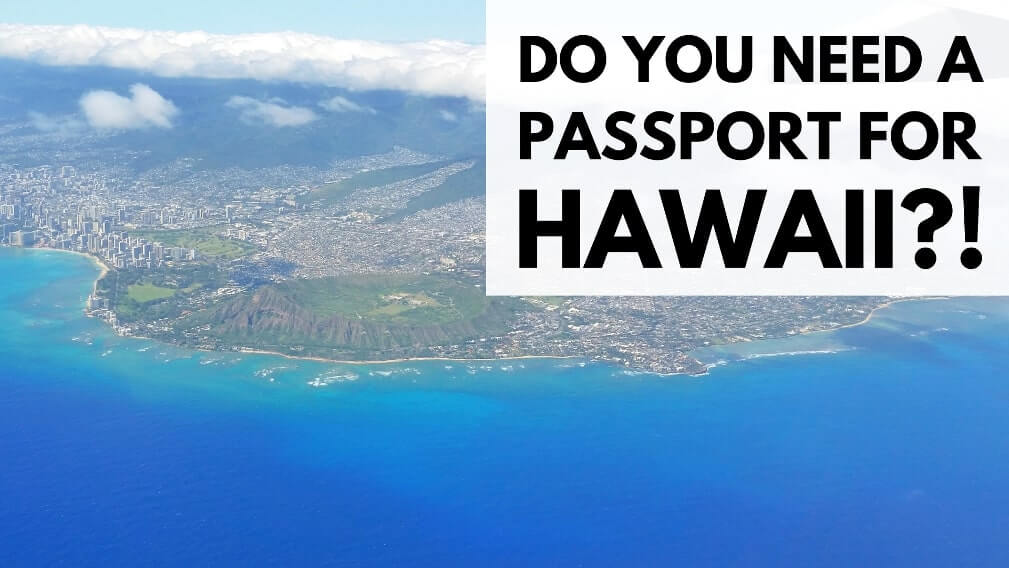
If you are a citizen of the United States or a legal permanent resident, you do not need a passport to fly to Hawaii from any other state. Since you are not leaving the country, you are not required to clear customs or immigration upon arrival. You simply need a valid government-issued photo identification to board your flight. This typically includes a driver’s license, a state-issued ID card, or a military ID.
However, it is important to stay updated on the REAL ID requirements. Beginning in mid-2025, standard driver’s licenses that are not REAL ID compliant will no longer be accepted for domestic air travel. While a passport is not mandatory for domestic travel, many travelers choose to use one as their primary form of identification because it is universally accepted by the Transportation Security Administration.
International Visitors and Visa Regulations
For travelers coming from international destinations such as Canada, the United Kingdom, Australia, or Japan, a valid passport is mandatory. Because Hawaii is a state within the United States, all federal immigration laws apply.
Visitors from countries participating in the Visa Waiver Program (VWP) must obtain an Electronic System for Travel Authorization (ESTA) before boarding their flight. This includes citizens from countries like Germany, South Korea, and France. If your country of citizenship is not part of the VWP, such as Mexico or India, you will need to apply for a traditional B-1/B-2 visitor visa through a United States embassy or consulate.
Navigating the REAL ID Act for Hawaiian Travel
The implementation of the REAL ID Act has changed the landscape for domestic travelers. While the question “Do I need a passport?” remains “no” for Americans, the type of ID you carry is now more scrutinized than ever.
Identifying a REAL ID-Compliant Document
A REAL ID is a coordinated effort by the federal government and state motor vehicle departments to improve the reliability and accuracy of state-issued identification documents. You can usually tell if your license is compliant by looking for a small star in the upper right-hand corner. If your license says “Not for Federal Identification” or “Federal Limits Apply,” you will need an alternative form of ID to pass through security at airports like Daniel K. Inouye International Airport in Honolulu.
Alternative Documentation for Domestic Flights
If you do not have a REAL ID compliant license by the enforcement deadline, you are not necessarily barred from traveling to Hawaii. You can use several other forms of identification, including a United States passport book or passport card, a permanent resident card, or a Department of Defense ID. Carrying a passport, even for domestic trips, often provides peace of mind and serves as a foolproof backup should your primary ID be lost or damaged during your stay on Oahu or Maui.
Essential Logistics and Island Preparation
Once you have established your identification requirements, the logistics of reaching the Hawaiian Islands involve several unique steps. Travel to this archipelago requires more than just a boarding pass; it requires an awareness of the delicate ecosystem of the islands.
Choosing Your Destination Island
Hawaii is composed of several distinct islands, each offering a unique experience. Oahu is the most populous and home to the capital city of Honolulu. It is the primary hub for international flights. Maui, known as the “Valley Isle,” is famous for its luxury resorts and the breathtaking Haleakala National Park.
For those seeking rugged nature and dramatic cliffs, Kauai offers the stunning Na Pali Coast. Meanwhile, the Island of Hawaii, often called the Big Island, provides a landscape of active volcanoes and black sand beaches within Volcanoes National Park. Smaller islands like Molokai and Lanai offer a much slower pace of life, focusing on traditional culture and secluded luxury.
Inter-Island Travel and Flight Logistics
Traveling between islands is almost exclusively done by air. Most visitors arrive at Daniel K. Inouye International Airport, but direct flights from the mainland also serve Kahului Airport on Maui, Lihue Airport on Kauai, and Kona International Airport on the Big Island. Inter-island carriers like Hawaiian Airlines and Southwest Airlines provide frequent daily flights. It is worth noting that even for these short 20-to-40-minute flights, you will still need to present your valid ID at the security checkpoint.
Agricultural Inspection and Biosecurity
One of the most unique aspects of traveling to Hawaii is the mandatory agricultural inspection. Because the islands are an isolated ecosystem in Polynesia, invasive species can cause irreversible damage to local flora and fauna.
Upon arrival, all passengers must fill out a State of Hawaii Agriculture Declaration Form. When departing Hawaii for the mainland United States, your luggage must pass through a specialized X-ray machine to ensure you are not carrying prohibited fruits, plants, or live animals. This process is mandatory and separate from the standard security screening.
Exploring the Top Landmarks and Cultural Experiences
Beyond the paperwork, Hawaii is a destination defined by its incredible landmarks and deep-rooted history. Understanding the significance of these sites enriches any travel itinerary.
Iconic Landmarks on Oahu and Maui
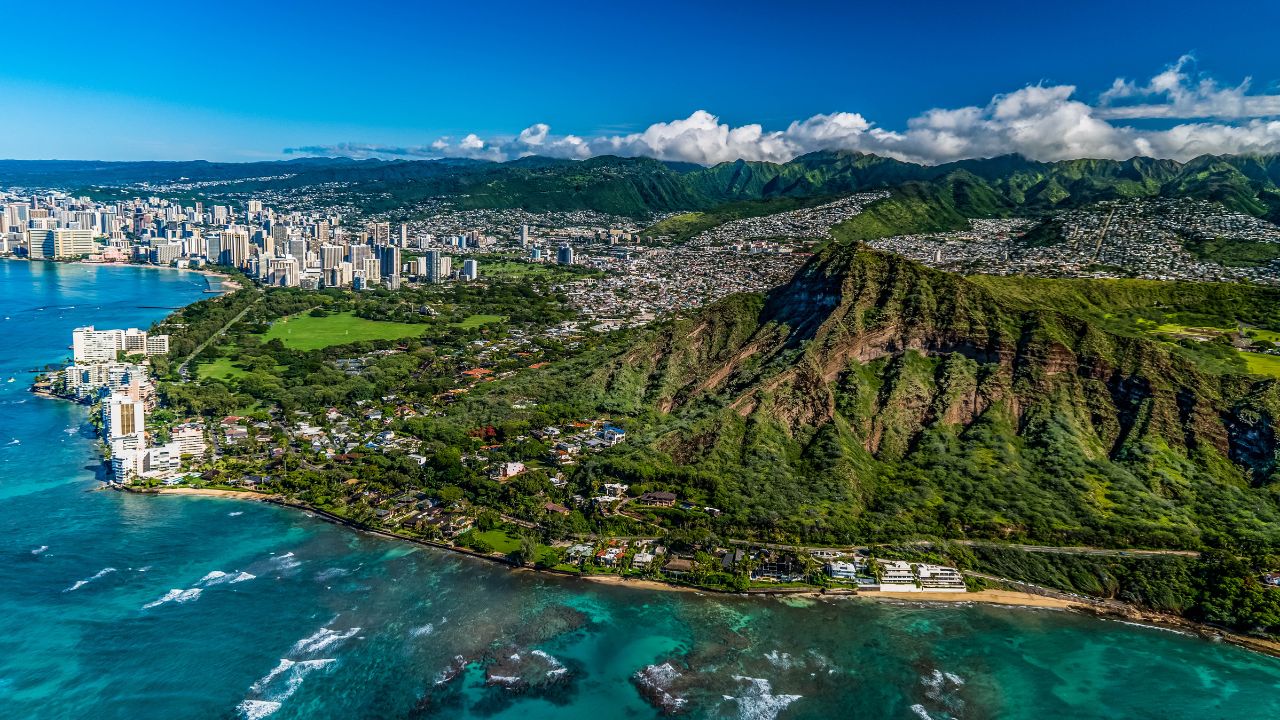
On Oahu, no trip is complete without visiting Pearl Harbor. This historic site serves as a somber reminder of the events of World War II and features the USS Arizona Memorial. Nearby, the bustling Waikiki Beach offers world-class surfing and shopping, while the hike up Diamond Head provides panoramic views of the coastline.
In Maui, the Road to Hana is one of the most famous scenic drives in the world, featuring hundreds of curves and dozens of waterfalls. For history buffs, the town of Lahaina (though currently in recovery) has traditionally been a hub for Hawaiian history and whaling culture.
Natural Wonders on Kauai and the Big Island
Kauai is home to Waimea Canyon, often referred to as the “Grand Canyon of the Pacific.” Its deep red hues and lush greenery are a stark contrast to the azure waters of the Pacific Ocean. On the Island of Hawaii, the sheer scale of the landscape is evident at Mauna Kea, where some of the world’s most powerful telescopes gaze into the stars from an elevation of nearly 14,000 feet.
Cultural sites are also prevalent throughout the islands. The Pu’uhonua o Honaunau National Historical Park on the Big Island provides a glimpse into ancient Hawaiian laws and sanctuary practices. In Honolulu, the Iolani Palace stands as the only royal palace on American soil, offering a poignant look at the Hawaiian monarchy.
Professional Tips for a Seamless Trip
To maximize your experience, a few practical considerations should be kept in mind beyond the initial entry requirements.
Health, Safety, and Connectivity
While Hawaii is a safe destination, the ocean can be unpredictable. Always pay attention to posted signs regarding currents and jellyfish. From a health perspective, sun protection is vital. Hawaii has strict laws regarding sunscreen to protect its coral reefs; only “reef-safe” sunscreens (those without oxybenzone and octinoxate) are permitted for sale and use in the state.
Regarding connectivity, travelers from the mainland United States will find that their mobile plans work exactly as they do at home with no roaming charges. For international travelers, purchasing a local SIM card or an eSIM is recommended, as roaming fees in the United States can be quite high. The currency is the United States Dollar, and credit cards are widely accepted even in remote areas like Hilo or the North Shore of Oahu.

Timing and Climate
The best time to visit Hawaii depends on your interests. The winter months (December through February) are peak season for surfers on the North Shore and whale watchers off the coast of Maui. However, the “shoulder” seasons of spring and fall often provide the best balance of pleasant weather and lower travel costs. Regardless of when you go, the “Aloha Spirit” is a year-round constant, making every visitor feel welcome in this unique corner of the United States.
In summary, while the question of needing a passport to Hawaii is easily answered based on your citizenship, the preparation for the trip involves much more. By ensuring you have the correct form of ID—whether it be a REAL ID or a passport—and respecting the local agricultural and environmental regulations, you set the stage for an unforgettable exploration of one of the world’s most beautiful destinations. From the volcanic peaks of Haleakala National Park to the crystal-clear waters of Hanauma Bay, Hawaii remains an accessible yet exotic escape for every traveler.
LifeOutOfTheBox is a participant in the Amazon Services LLC Associates Program, an affiliate advertising program designed to provide a means for sites to earn advertising fees by advertising and linking to Amazon.com. Amazon, the Amazon logo, AmazonSupply, and the AmazonSupply logo are trademarks of Amazon.com, Inc. or its affiliates. As an Amazon Associate we earn affiliate commissions from qualifying purchases.