
Embarking on a journey, whether for leisure or business, often begins long before you reach your destination. From booking flights to packing essentials, every step is part of crafting a smooth travel experience. A critical, yet often overlooked, component of this preparation is ensuring your identification meets the latest federal standards for domestic air travel. For residents of California, understanding the nuances of a Real ID is paramount to avoiding last-minute airport anxieties and ensuring your travel plans proceed without a hitch. This comprehensive guide will illuminate the key features of a California Real ID, clarify its importance for modern travel, and help you definitively determine if your current identification is compliant.
The Imperative of a Real ID for Seamless Travel
The landscape of domestic air travel security underwent a significant transformation with the implementation of the REAL ID Act of 2005. Enacted following the 9/11 Commission’s recommendations, this federal law established minimum security standards for state-issued driver’s licenses and identification cards and prohibits federal agencies from accepting for certain purposes driver’s licenses and identification cards from states that do not meet these standards. For travelers, the most impactful aspect of this act is its requirement for domestic air travel. Without a Real ID compliant identification or an acceptable alternative, you may be denied boarding for flights within the United States.
Understanding the REAL ID Act and its Impact
The Department of Homeland Security (DHS) mandates that travelers 18 years of age and older must present a Real ID compliant driver’s license or state-issued identification card, or another acceptable form of identification, to fly within the U.S. This rule is enforced by the Transportation Security Administration (TSA) at airport security checkpoints. While the final enforcement date has seen extensions, the underlying principle remains: secure identification is non-negotiable for air travel. A California Real ID card signifies that the holder has proven their identity, date of birth, legal presence, social security number, and residency to the California Department of Motor Vehicles (DMV), aligning with federal security standards. This process ensures a higher level of confidence in the identity of air travelers, contributing to overall national security.
Key Visual Indicators: What Defines a California Real ID?
Distinguishing a California Real ID from a non-compliant driver’s license or identification card is straightforward, thanks to specific visual markers. The state has adopted a clear and concise system to help residents and authorities quickly identify compliant documents. Knowing what to look for on your card is the fastest way to confirm its status.
The Iconic Bear and Star Symbol
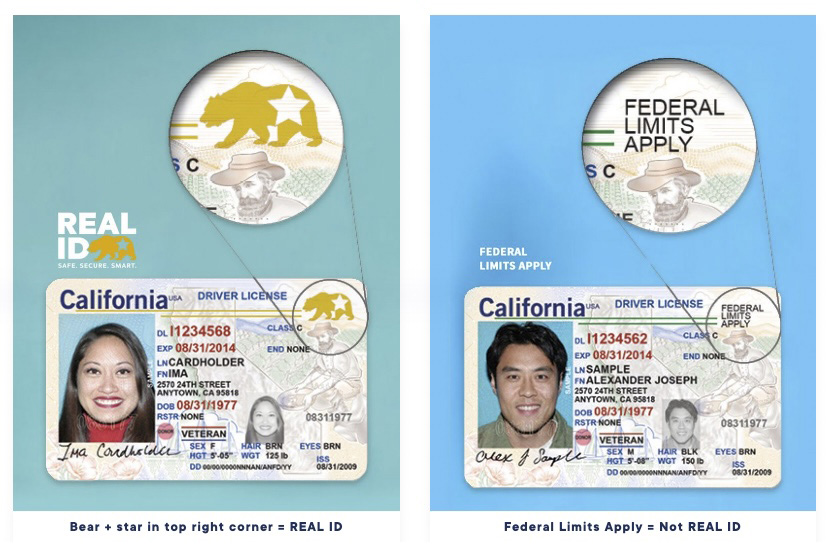
The most definitive feature of a California Real ID is the presence of a golden bear with a star, situated within a white circle. This distinctive symbol is strategically placed on the upper right-hand corner of the card. Its prominence ensures that federal agencies, including the TSA, can easily verify compliance at a glance. If your California driver’s license or identification card features this emblem, you possess a Real ID compliant document.
Decoding “FEDERAL LIMITS APPLY”
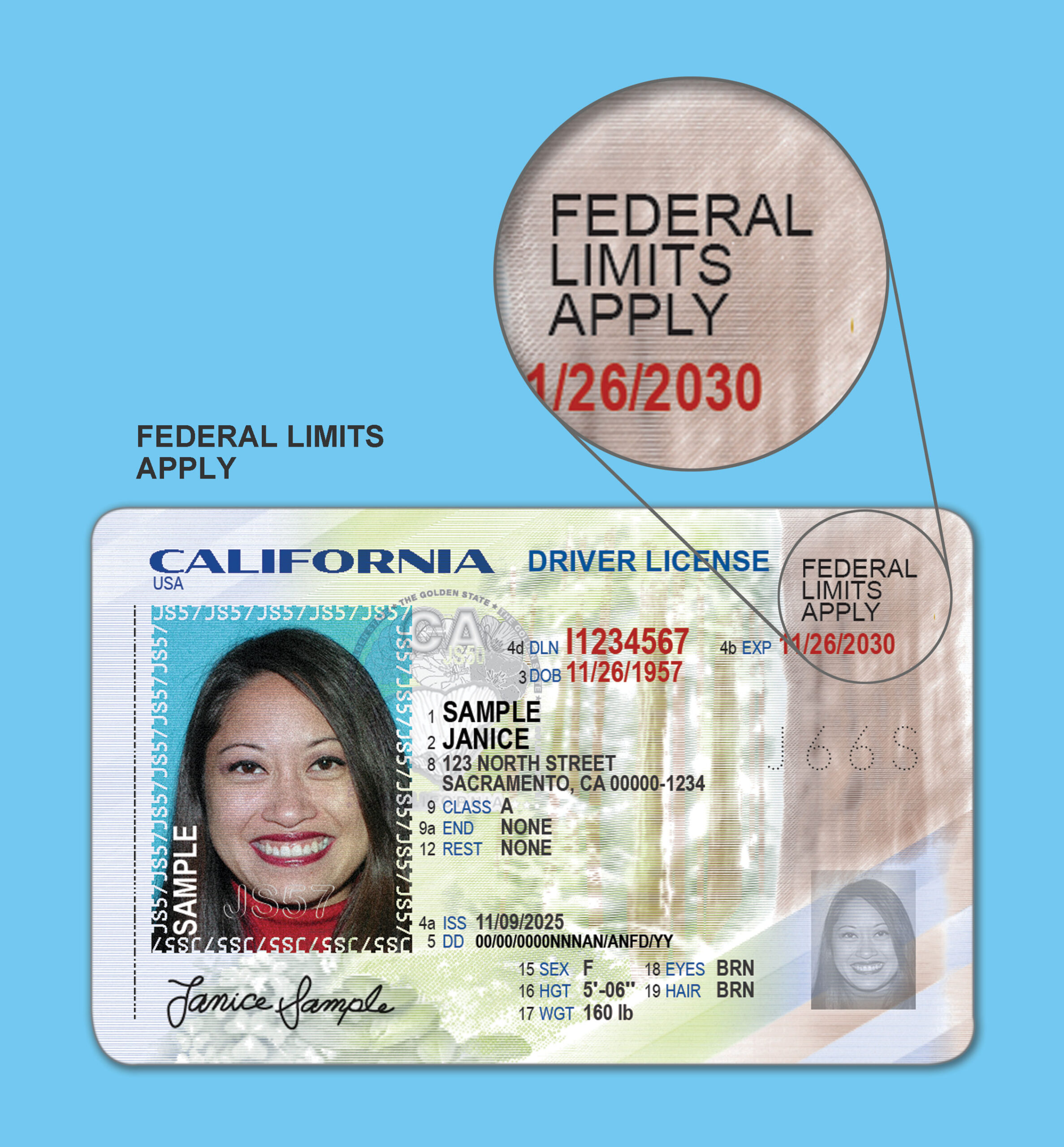
Conversely, if your California driver’s license or ID card does not display the golden bear and star symbol in the upper right-hand corner, it is likely a federal non-compliant card. These cards will typically bear the phrase “FEDERAL LIMITS APPLY” in the same corner. This designation clearly indicates that the card cannot be used as identification for domestic air travel or for accessing certain federal facilities where a Real ID or other acceptable forms of identification are required. While these cards remain valid for driving and all other non-federal identification purposes, they are insufficient for the stricter requirements of air travel post-enforcement date.
Beyond the Symbol: Other Verification Methods
While the golden bear and star symbol is the primary indicator, travelers can also consider other aspects of their California identification card to ensure it is authentic and valid. These methods provide an additional layer of assurance, especially when combined with the visual check for the Real ID symbol.
Security Features and Issuance Details
California driver’s licenses and ID cards incorporate various security features designed to prevent counterfeiting and tampering. These can include:
- Holograms: Intricate holographic overlays are often embedded in the card, visible when tilted at different angles.
- Microprint: Tiny text that is legible only under magnification is another common security feature.
- UV Features: Some cards may have images or text that are only visible under ultraviolet (UV) light. While you might not have a UV light readily available, being aware of these features adds to the card’s overall authenticity.
- Tactile Features: Raised lettering or tactile elements on the card’s surface can also indicate its genuineness.
Beyond these sophisticated security elements, always check the issuance and expiration dates on your card. An expired ID, regardless of its Real ID compliance, will not be accepted by the TSA. Ensure your card is current and valid for the entirety of your travel period.
What if Your ID Isn’t Real ID Compliant? Your Travel Options
Discovering your California identification is not Real ID compliant should not immediately trigger panic. You have several avenues to ensure your travel plans remain uninterrupted, either by utilizing alternative forms of identification or by initiating the process to obtain a compliant card. Planning ahead is key to avoiding any last-minute complications at the airport.
Acceptable Alternative Documents for Air Travel
The TSA accepts a wide range of identification documents beyond the Real ID compliant driver’s license or state ID. If your California ID is non-compliant, you can still fly domestically by presenting one of the following:
- U.S. Passport: A valid U.S. passport book is universally accepted for domestic and international travel.
- U.S. Passport Card: This card is a convenient, wallet-sized alternative to the passport book, specifically designed for land and sea travel to certain adjacent countries, but also fully acceptable for domestic air travel.
- DHS Trusted Traveler Programs: Cards like Global Entry, NEXUS, SENTRI, and FAST cards are accepted.
- U.S. Military ID: Active duty and retired military personnel, and their dependents, can use their military ID cards.
- Permanent Resident Card: Lawful permanent residents can use their Green Card.
- Other Federally Recognized IDs: This includes enhanced driver’s licenses (though California does not issue these), tribal IDs, and certain foreign government-issued passports.
It is always advisable to check the official TSA website for the most current and complete list of acceptable identification documents before your trip.
Steps to Obtain a Real ID in California
If you plan to fly domestically and do not have an alternative acceptable ID, obtaining a Real ID compliant California driver’s license or identification card is a prudent step. The process is managed by the California DMV and typically requires an in-person visit.
To apply, you will generally need to provide:
- Proof of Identity: Original or certified copy of a birth certificate, valid U.S. passport, or other approved identity documents.
- Proof of Social Security Number: Social Security card, W-2 form, or paystub with full SSN.
- Proof of Residency: Two different documents showing your California street address (e.g., utility bills, rental agreement, bank statements).
- Proof of Signature: Your current driver’s license or ID, or other documents with your signature.
It is highly recommended to fill out the online Real ID application form on the DMV website before your visit. This allows you to upload necessary documents, potentially reducing your wait time at the office. Make an appointment at your local DMV office to streamline the process further. Remember, gathering all required documents in advance is crucial to a successful application.
Common Pitfalls and Misconceptions
Despite extensive public awareness campaigns, several misunderstandings persist regarding the Real ID and its implications, particularly for travelers. Addressing these can help ensure you’re fully informed and prepared.
Real ID vs. Enhanced Driver’s License
A common point of confusion is differentiating a Real ID from an Enhanced Driver’s License (EDL). While both are federally compliant documents, they serve different primary purposes and are offered by different states. An EDL, primarily available in border states such as Washington, Michigan, New York, Vermont, and Minnesota, allows U.S. citizens to re-enter the U.S. at land and sea ports of entry from Canada, Mexico, and the Caribbean without a passport. California does not issue EDLs; its compliant identification is exclusively the Real ID driver’s license or ID card, which is recognized for domestic air travel and specific federal purposes but not for international border crossings by land or sea.

The Scope of Real ID Requirements
It’s important to understand that the Real ID requirement primarily impacts domestic air travel and access to certain federal facilities (like military bases or nuclear power plants). It does not affect your ability to drive, register to vote or vote, apply for federal benefits, or access healthcare or law enforcement services. Your non-compliant California driver’s license or ID remains valid for these purposes. The specific concern for travelers is solely the enhanced identification standard at TSA checkpoints for domestic flights. By understanding these distinctions, travelers can ensure they are adequately prepared for their journeys without overcomplicating other aspects of their daily lives.
LifeOutOfTheBox is a participant in the Amazon Services LLC Associates Program, an affiliate advertising program designed to provide a means for sites to earn advertising fees by advertising and linking to Amazon.com. Amazon, the Amazon logo, AmazonSupply, and the AmazonSupply logo are trademarks of Amazon.com, Inc. or its affiliates. As an Amazon Associate we earn affiliate commissions from qualifying purchases.