
The image of Hawaii is almost universally one of sun-drenched beaches, swaying palm trees, and a tropical warmth that never fades. For many travelers coming from the United States mainland or northern Europe, the idea of “cold” in the islands seems like a contradiction in terms. However, the reality of the Pacific Ocean climate is far more nuanced. While you are unlikely to experience a traditional continental winter, Hawaii does indeed have its versions of “cold,” ranging from a refreshing evening breeze in Honolulu to sub-zero temperatures and snow on the highest volcanic peaks.
Understanding the fluctuations in temperature and the unique microclimates across the archipelago is essential for any visitor planning a trip. Whether you are looking to escape the freezing winds of the north or you are curious about how to prepare for a sunrise hike, knowing when and where it gets chilly in the islands will ensure your experience is comfortable and well-managed.
The Myth of Eternal Summer: Understanding the Island Seasons
To understand if Hawaii gets cold, one must first look at the local calendar. Unlike the four-season model used in much of the world, the indigenous Hawaiian calendar primarily recognizes two seasons: Kau, the high sun season (summer), and Hoʻoilo, the cooler, wetter season (winter).
Hoʻoilo: The Hawaiian Winter
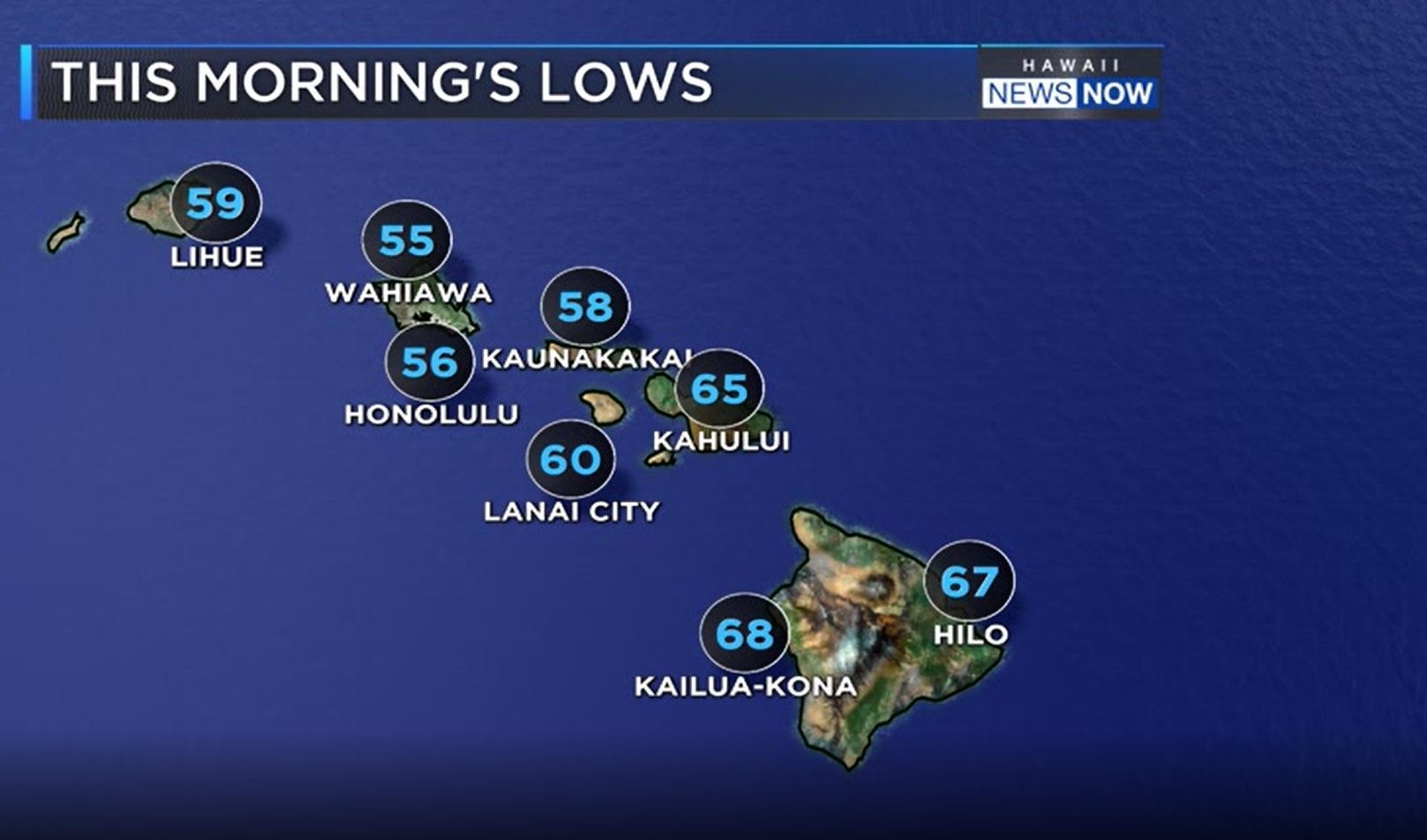
The season known as Hoʻoilo typically runs from October through April. During these months, the islands experience a slight dip in temperature, though it remains mild by most standards. In coastal areas like Waikiki or Kona, daytime highs usually hover around 78°F to 82°F. However, the nights can bring a noticeable change. It is not uncommon for evening temperatures to drop into the mid-60s. For locals accustomed to 85-degree days, a 65-degree evening is considered “cold” enough to break out sweaters and light jackets.
The “cold” during this season is often less about the thermometer and more about the humidity and the wind. When the trade winds pick up, the wind chill can make a 70-degree evening feel significantly cooler, especially if you have spent the day in the water. This is also the period when the islands receive the majority of their rainfall, which can lead to damp, overcast days that lack the intense heat of the summer sun.
The Trade Winds Influence
The weather in Hawaii is dictated by the North Pacific High, a high-pressure system that produces the famous trade winds. These winds blow from the northeast and act as the islands’ natural air conditioning. During the summer, they provide a welcome relief from the humidity. During the winter, however, these winds can become more erratic. When the trade winds fail, the islands may experience “Kona weather,” characterized by still air, high humidity, and heavy rains. Conversely, strong trade winds in the winter can bring a persistent coolness to the windward sides of islands like Oahu and Maui.
High-Altitude Chills and Tropical Snow
The most dramatic answer to “Does Hawaii get cold?” is found by looking upward. Because Hawaii is home to some of the tallest mountains in the world when measured from the sea floor, the elevation changes create extreme temperature variances.
The Peaks of the Big Island
The Big Island is home to Mauna Kea and Mauna Loa, both of which reach elevations exceeding 13,000 feet. At these heights, the tropical climate vanishes entirely, replaced by an alpine environment. It is a common occurrence for snow to blanket the summits of these mountains during the winter months. In fact, “Mauna Kea” translates to “White Mountain,” a nod to its snowy cap.
Visitors traveling to the summit of Mauna Kea for stargazing or to visit the world-class observatories must prepare for freezing conditions. Temperatures at the summit frequently drop below 32°F, and wind gusts can make it feel even colder. It is one of the few places on Earth where you can surf in the morning and see snow in the afternoon.
Sunrise at Haleakala
On the island of Maui, Haleakala National Park is a primary tourist attraction. The dormant volcano rises to 10,023 feet. Watching the sunrise from the summit is a bucket-list activity for many, but it is also the coldest experience most tourists will have. Before the sun breaks the horizon, temperatures at the summit often range between 30°F and 45°F. The thin air and biting wind require heavy winter gear—parkas, gloves, and hats—which often surprises tourists who packed only shorts and flip-flops for their Maui vacation.
Regional Variations: Where to Find the Warmth and the Rain
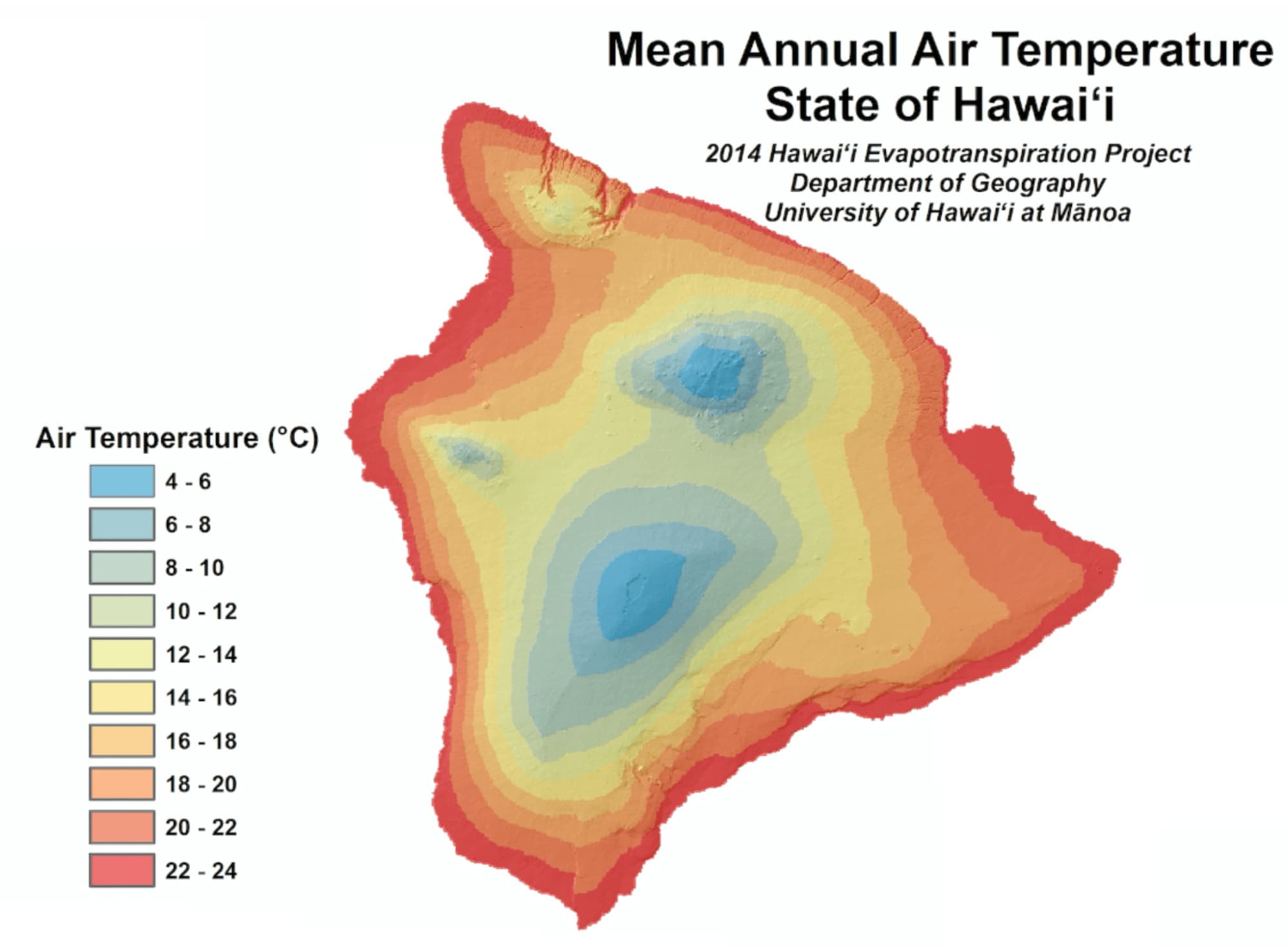
Hawaii is a land of microclimates. One side of an island can be a parched desert, while the other is a lush rainforest. This geography plays a massive role in how “cold” a specific area feels.
Windward vs. Leeward Coasts
Each island has a windward side (the north and east) and a leeward side (the south and west). The windward sides, such as Hilo on the Big Island or the North Shore of Oahu, are exposed to the trade winds and receive more rain. These areas tend to feel cooler and more temperate. The clouds often provide a natural canopy, keeping the direct heat of the sun at bay.
The leeward sides, such as Poipu on Kauai or the Kona coast, are shielded by the mountains. These regions are typically sunny, dry, and several degrees warmer. If you are someone who easily feels the chill, staying on the leeward side of the islands during the winter months is a strategic choice for maximum warmth.
The Garden Isle’s Refreshing Rainfall
Kauai is known as the Garden Isle because it is home to Mount Waialeale, one of the wettest spots on the planet. The frequent rainfall in the interior and along the Na Pali Coast creates a cooling effect. While the temperature might still be 75°F, being wet in the shade of a jungle canopy or near a waterfall can feel quite chilly. Explorers heading to Waimea Canyon State Park or Koke’e State Park will find that the higher elevation and mist create an atmosphere that feels more like the Pacific Northwest than a tropical island.
Practical Tourism Tips for the “Chilly” Season
For the savvy traveler, the cooler months in Hawaii offer unique opportunities, provided you are prepared. The crowds are often thinner (outside of the holiday peaks), and the natural landscape is at its most vibrant.
Packing Essentials for Every Elevation
The key to a successful Hawaii trip is layering. Even if you plan on spending most of your time at the beach, you should pack at least one light sweater or a windbreaker.
- For the Beach: Standard swimwear and light clothing.
- For the Evening: A pashmina, light cardigan, or linen long-sleeve shirt for outdoor dining when the trade winds kick in.
- For the Mountains: If you plan on visiting Haleakala National Park or the Hawaii Volcanoes National Park, you will need long pants, closed-toe shoes, and a medium-weight jacket.
- For the Rain: A lightweight, breathable rain shell is indispensable, especially if you are visiting the windward sides or hiking in Hanalei Bay.
Seasonal Activities and Cultural Events
The cooler winter season brings some of Hawaii’s most spectacular natural events. The winter swells bring massive waves to the North Shore, attracting professional surfers from around the globe. While the water remains relatively warm (around 74°F to 76°F), the power of the ocean and the mist from the crashing waves create a cooler, salt-sprayed environment that is thrilling to witness.
Winter is also the peak of whale-watching season. From December through May, thousands of humpback whales migrate from Alaska to the warm Hawaiian waters to mate and give birth. Boat tours leaving from Lahaina or Honolulu can be breezy, and the spray from the ocean can make the trip feel quite cold, so bringing a light jacket on board is a standard pro-tip for tourists.
Culinary Comforts: Staying Warm the Island Way
When the “chilly” weather hits, the local food culture reflects the need for warmth and comfort. Hawaii has a rich culinary heritage that blends influences from Japan, the Philippines, China, and Portugal.
Traditional Soups and Hot Treats
On a rainy afternoon in Hilo or a cool evening in Waikiki, locals often turn to Saimin. This noodle soup is a quintessential Hawaiian comfort food, featuring a dashi-based broth with egg noodles, green onions, and various toppings. It is the perfect antidote to a “cold” island day.
Another local favorite during the cooler months is the malasada, a Portuguese doughnut without a hole. Visiting Leonard’s Bakery for a hot, sugar-coated malasada is a rite of passage. The warmth of the dough and the sweetness of the filling provide a comforting boost when the temperature dips.

The Warmth of Aloha
Ultimately, the “cold” in Hawaii is a relative term. It is a subtle shift that allows the landscape to refresh itself and offers visitors a different perspective on island life. Whether it is the mist on the peaks of Diamond Head or the crisp morning air near Pearl Harbor, the cooler temperatures are just another facet of the islands’ diverse beauty. By respecting the microclimates and preparing for the variability of the islands, tourists can enjoy everything from the sun-soaked sands of Lanai to the misty heights of Molokai without ever feeling left out in the cold. Even in its “winter,” Hawaii remains a sanctuary of warmth, largely due to the enduring spirit of its people and the vibrant local culture that thrives regardless of the thermometer.
LifeOutOfTheBox is a participant in the Amazon Services LLC Associates Program, an affiliate advertising program designed to provide a means for sites to earn advertising fees by advertising and linking to Amazon.com. Amazon, the Amazon logo, AmazonSupply, and the AmazonSupply logo are trademarks of Amazon.com, Inc. or its affiliates. As an Amazon Associate we earn affiliate commissions from qualifying purchases.